Boundaries After Breakup: How to Handle Mutual Friends Smoothly
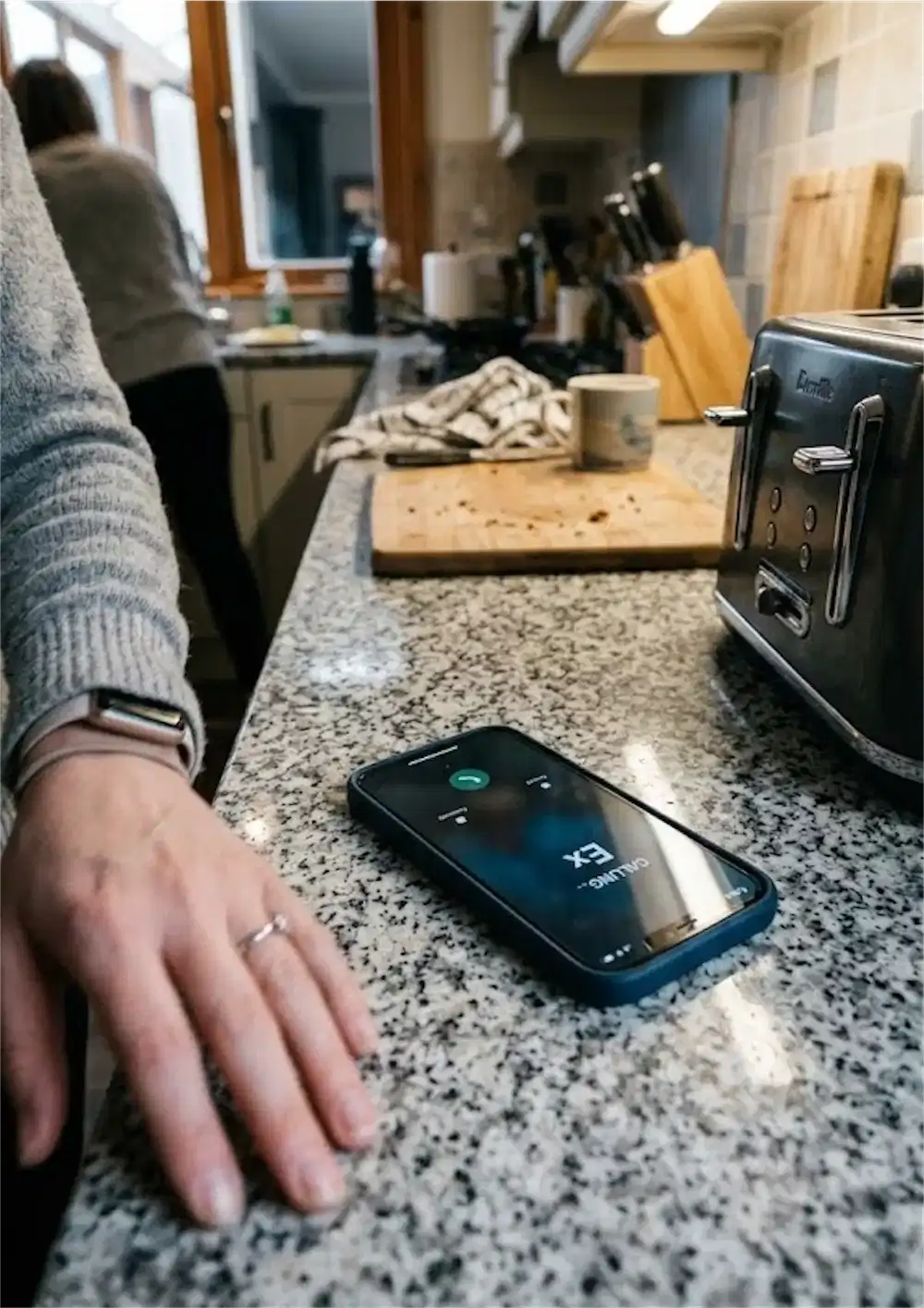
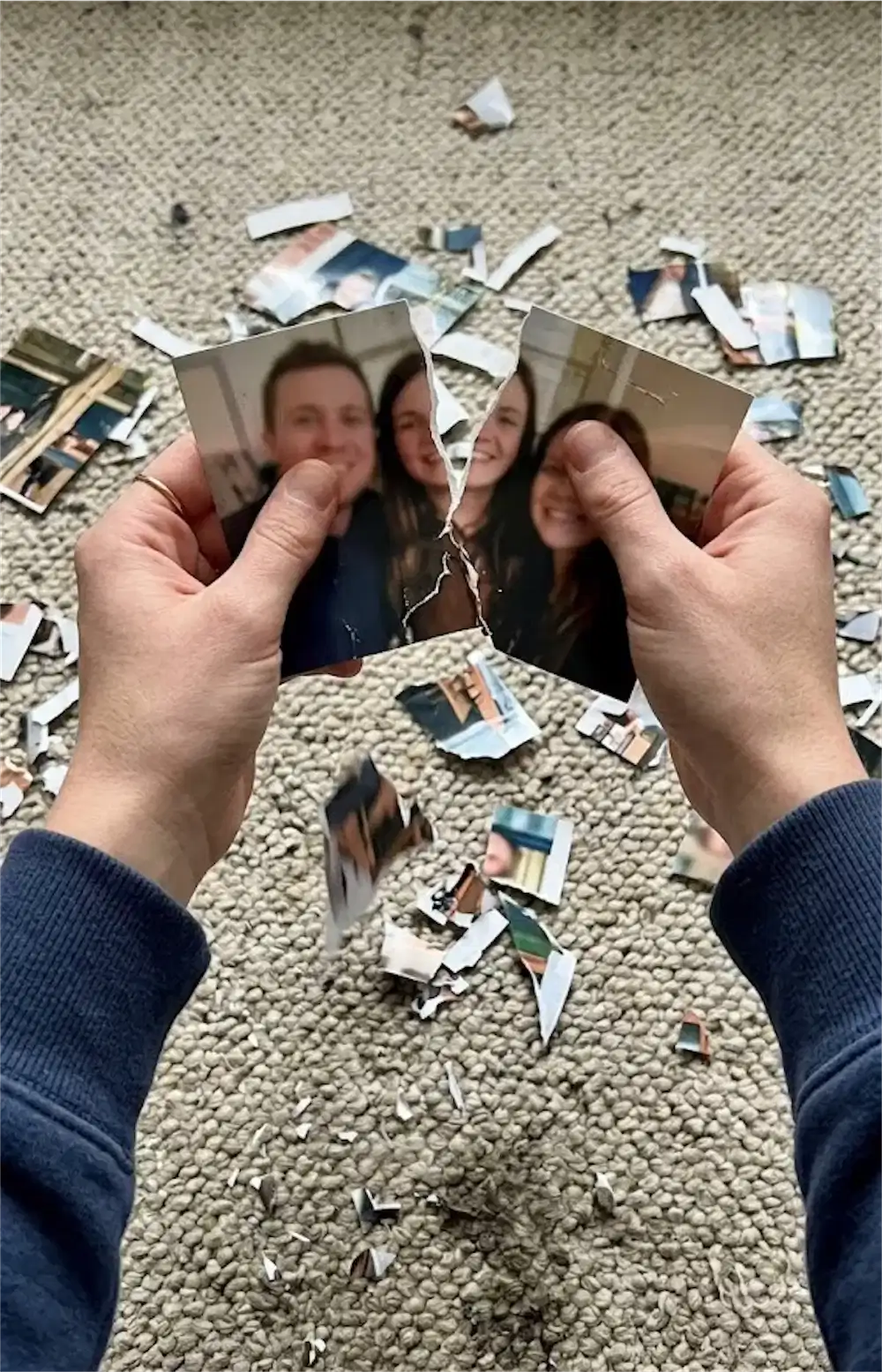
You finally walked away. After twelve years of living with someone who constantly shifted between being my best friend and my harshest critic, I thought the hard part was over. I spent over a decade catering to a partner with both narcissistic and BPD traits, losing my hobbies and my sense of self in the process. But then came the realization that our lives were so tangled up that I couldn’t even go to a local coffee shop without someone asking about him. Have you ever felt like you escaped the cage only to find the leash is held by your friends?
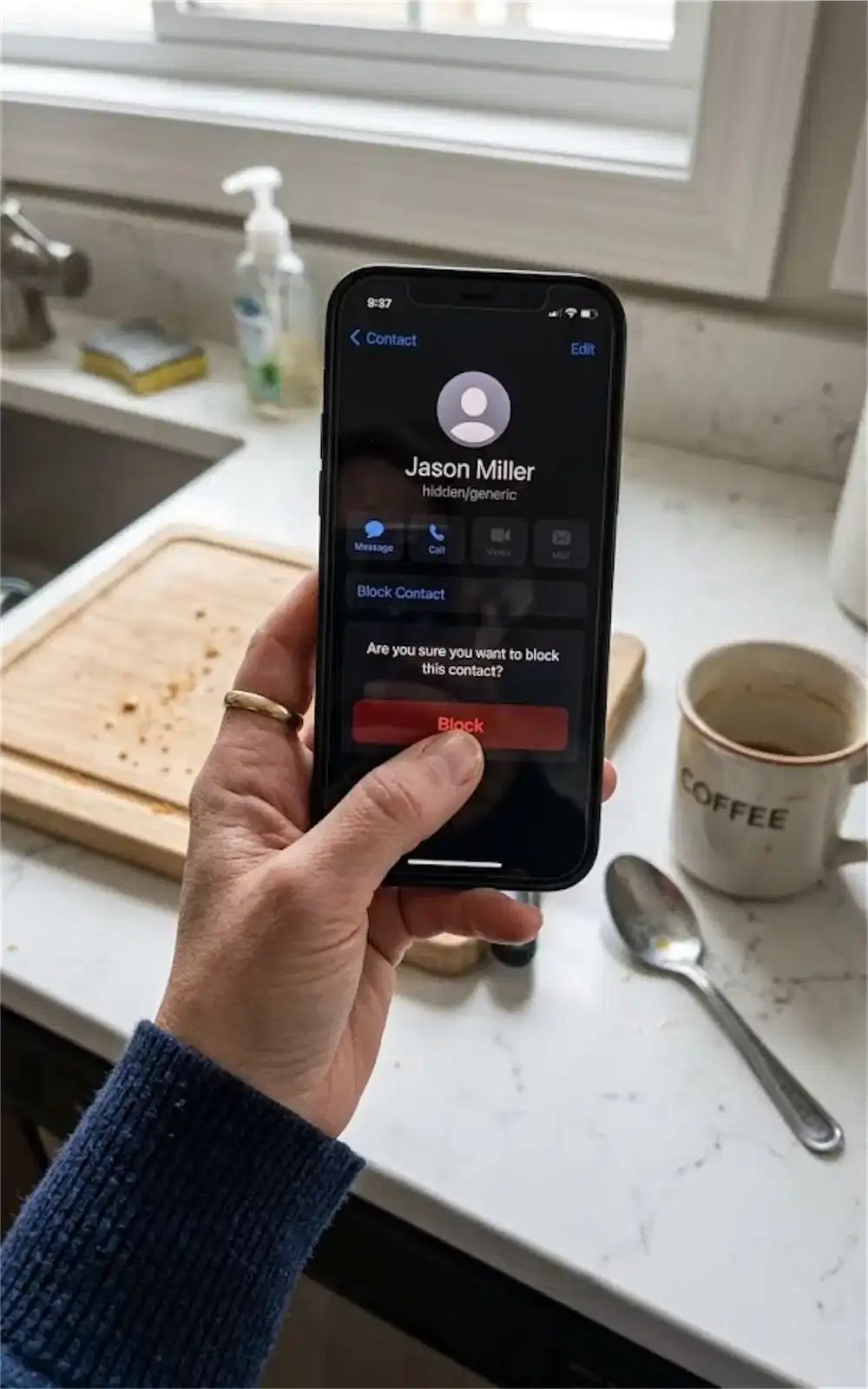
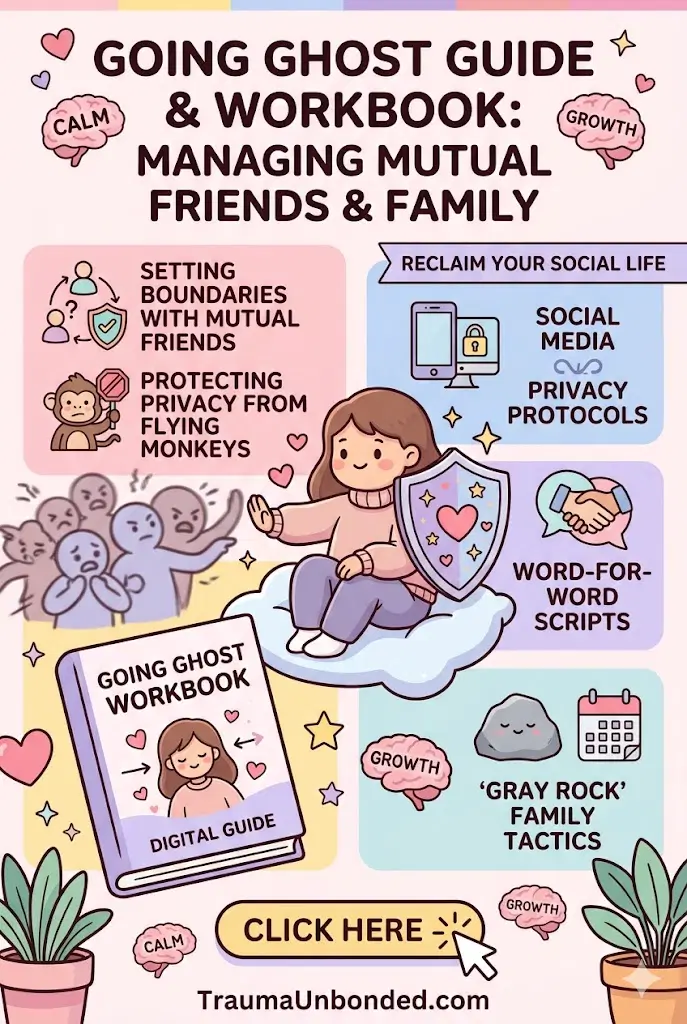
Setting boundaries after a toxic breakup is about more than just blocking a phone number. It is about protecting your peace from the people who still have one foot in your ex’s world. If you are struggling with how to keep your social life while keeping your distance, you might find relief in the Going Ghost Guide & Workbook: Managing Mutual Friends and Family Pressure. It was the first step I took toward making sure my healing stayed mine alone.
When you leave a relationship involving personality disorders, you aren’t just leaving a person. You are often leaving a shared reality. My 12-year relationship left me isolated and miserable, but the hardest part was realizing that some “mutual friends” were actually pathways for my ex to keep tabs on me. How do you decide who stays and who goes without losing everyone you love?
The Reality of the Shared Social Circle

After being enmeshed for a decade, your identity is likely blurred with theirs. You probably have a long list of mutual friends who genuinely care for both of you. They might not understand the trauma bond or the psychological toll of walking on eggshells for years. To them, it looks like a normal breakup. They don’t see the years of gaslighting, where your reality was twisted until you doubted your own memory.
In my experience, friends often try to play the mediator. They think they are helping by saying things like, “He’s really hurting,” or “She just wants to talk to you.” They don’t realize that for a survivor, these “helpful” updates feel like a physical blow to the stomach. It keeps the intermittent reinforcement cycle alive, pulling you back into the chaos just when you started to breathe. You have to be clear about what you can and cannot hear.
I learned the hard way that setting boundaries with friends isn’t about being mean. It is about survival. If a friend cannot respect your need for silence regarding your ex, they are unknowingly becoming a tool for your ex’s hoovering tactics. Hoovering is when they try to suck you back in like a vacuum, often using these shared connections to do the work for them. Do you feel safe talking to your friends, or do you feel like you are being interviewed for a report?
Identifying the Flying Monkeys

This is a term you might have seen in a narcissist flying monkeys guide, but it simply means people who act on behalf of the abuser. Sometimes they do it maliciously, but often they are just being manipulated. My ex was a master at playing the victim. He would tell our friends how “unstable” I was being, so they would reach out to “check on me” and then report back to him about my location or who I was with.
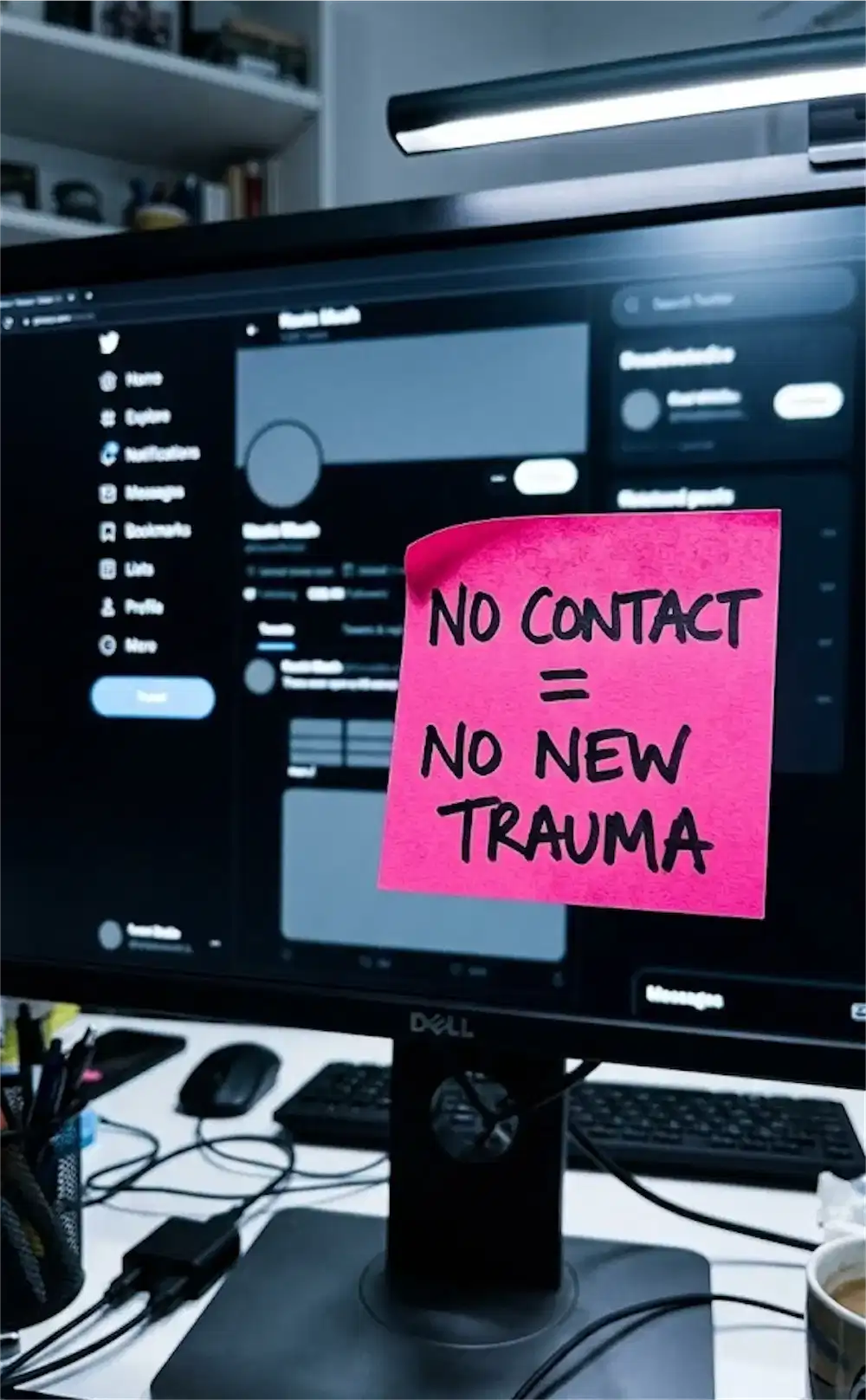
You need to look at your friend group with a discerning eye. Is this person someone who respects your no contact rule? Or do they constantly bring up the ex, share photos of them, or try to guilt you into seeing them? If someone keeps crossing your lines after you have asked them to stop, they are not your safe harbor. They are a bridge back to the fire you just escaped.
During my recovery, I realized that handling mutual friends after a breakup meant I had to let some people go. It was painful. I felt isolated and like I was losing my entire history. But I soon found that radical acceptance was the only way through. I had to accept that I couldn’t control what my ex told them, and I couldn’t control who they chose to believe. I could only control who I let into my inner circle.
Managing these high-stakes social situations while you are still grieving is incredibly draining. If you feel overwhelmed by people asking questions or trying to fix things, you need a structured plan to keep your sanity intact.
Take back control of your social life with a step-by-step strategy for managing shared connections and resisting the urge to explain your side to everyone.
Practical Scripts for Setting Boundaries
Knowing what to say is half the battle. When I first started rebuilding my life, I was so afraid of being “rude” that I would just listen to friends talk about my ex for hours. It left me feeling shaky and triggered. I had to learn codependency recovery techniques to realize that I didn’t owe anyone an explanation for my silence. You can be firm without being aggressive.
Try using simple scripts. If someone brings him up, say, “I value our friendship, but for my own healing and mental health, I am not discussing my ex or anything related to him right now. Can we talk about something else?” Most good friends will respect this immediately. If they push back with “But he’s really sorry,” you can repeat, “I hear you, but I am not open to this conversation.” It is a closed loop. No negotiation needed.
This is especially important if you are coping with a smear campaign. In relationships with NPD or BPD traits, the ex often tries to ruin your reputation to keep people on their side. It is tempting to run to every friend and explain your side of the story. Don’t do it. The people who really know you won’t need a presentation to see the truth. The people who believe the lies weren’t your true friends to begin with.
The No-Reporting Rule
One of the most effective boundaries after a toxic relationship is the “no-reporting” rule. This means you tell your mutual friends that you don’t want to hear about what your ex is doing, and you also ask them not to share details of your life with your ex. This creates a firewall. You are essentially telling your social circle that these two worlds are now separate and must stay that way.
I remember the first time I went to a party and saw my ex’s best friend. My heart raced, and I wanted to hide. I felt that old hypervigilance kicking in, that feeling of being hunted. But I walked up, said hello, and made it clear I was there for the host, not for updates. By staying grounded and optimistic, I showed that I was no longer the broken shell of a person he had left behind. I was me again.
If you find that information is still leaking back to your ex, you have to look at your inner circle. Who is the “leak”? Sometimes, you have to go low contact even with friends for a while. This isn’t forever, but it is necessary until your nervous system is regulated enough to handle the potential of an accidental encounter. Are you protecting your recovery, or are you protecting their feelings?
Returning to Your Original Self
The goal of all these boundaries isn’t just to keep your ex away. It is to give you the space to find the person you were before the 12 years of darkness. I spent so long without hobbies or joy. When I finally cleared the air with my mutual friends, I found I had more energy to actually enjoy their company. I started painting again. I went for walks without checking my phone every five minutes. I became cheerful and optimistic again because I wasn’t constantly managing a crisis.
Healing from trauma bonds takes time, and your friends might not get it right the first time. Be patient but firm. You are teaching them how to be your friend in this new chapter. Some will fail the test, and that is okay. You are making room for new, healthy connections that aren’t rooted in a toxic past. You deserve a social life that feels like a safety net, not a spider web.
You can handle this smoothly by staying true to your needs. If you need more support in navigating these tricky social waters, the Going Ghost Guide & Workbook: Managing Mutual Friends and Family Pressure is a resource designed to help you stand your ground. You survived the relationship. You can survive the social fallout, too. Your peace is worth the effort of every single boundary you set.

Meet Your Guide
Helen Brooks
After surviving a 12-year NPD/BPD relationship, I dedicated over a decade to studying trauma bonding and nervous system recovery. My mission is to help you break free from the fog and reclaim your authentic self.
Ready to break the trauma bond and reclaim your life?