Trauma Bond Withdrawal: How to Overcome Intense Split Symptoms
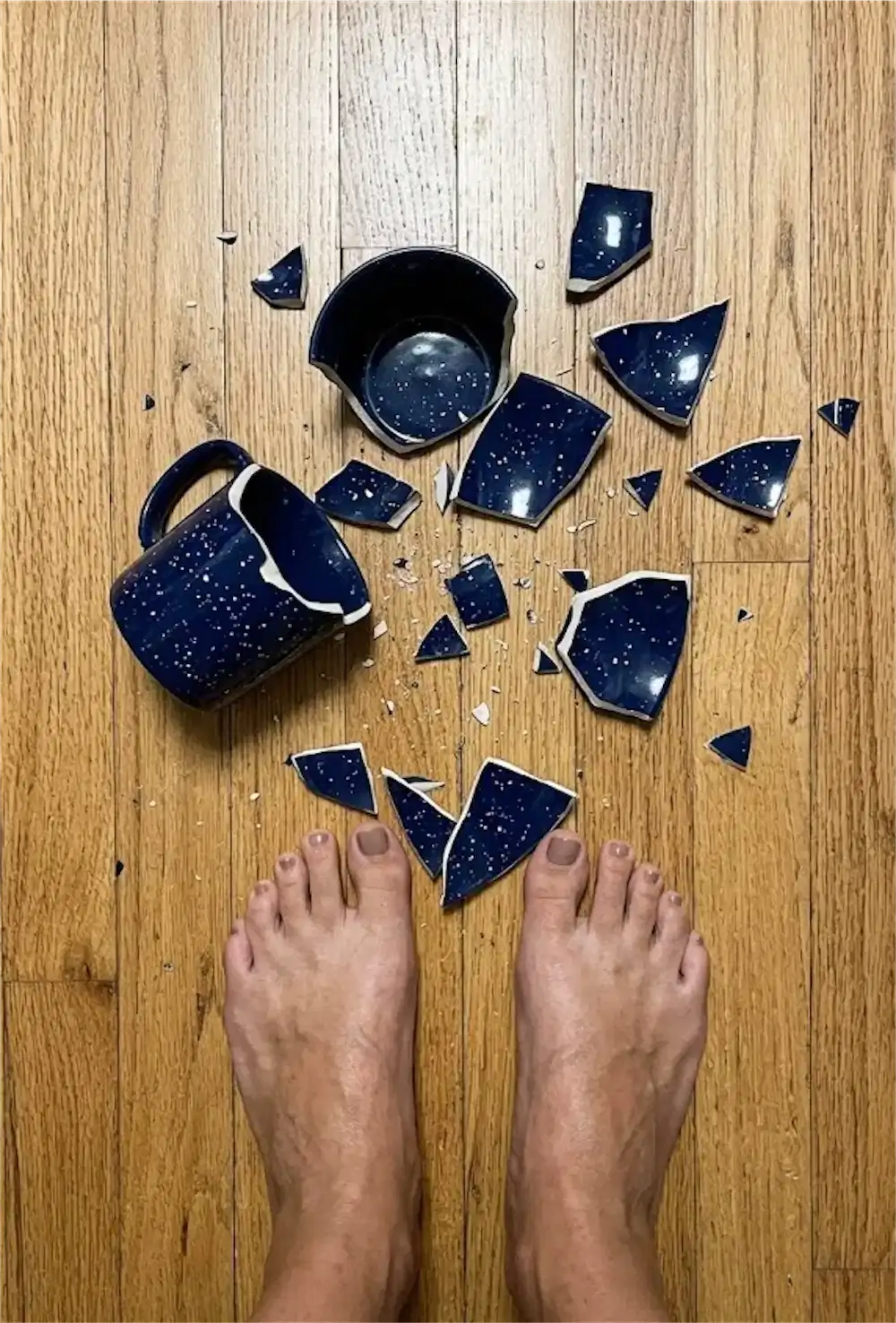
I spent twelve years trapped in a cycle that I didn’t have a name for at the time. My partner had a mix of NPD and BPD traits, which meant my life was a constant swing between being worshipped and being discarded. When the relationship finally ended, I wasn’t just sad; I was physically and mentally shattered.
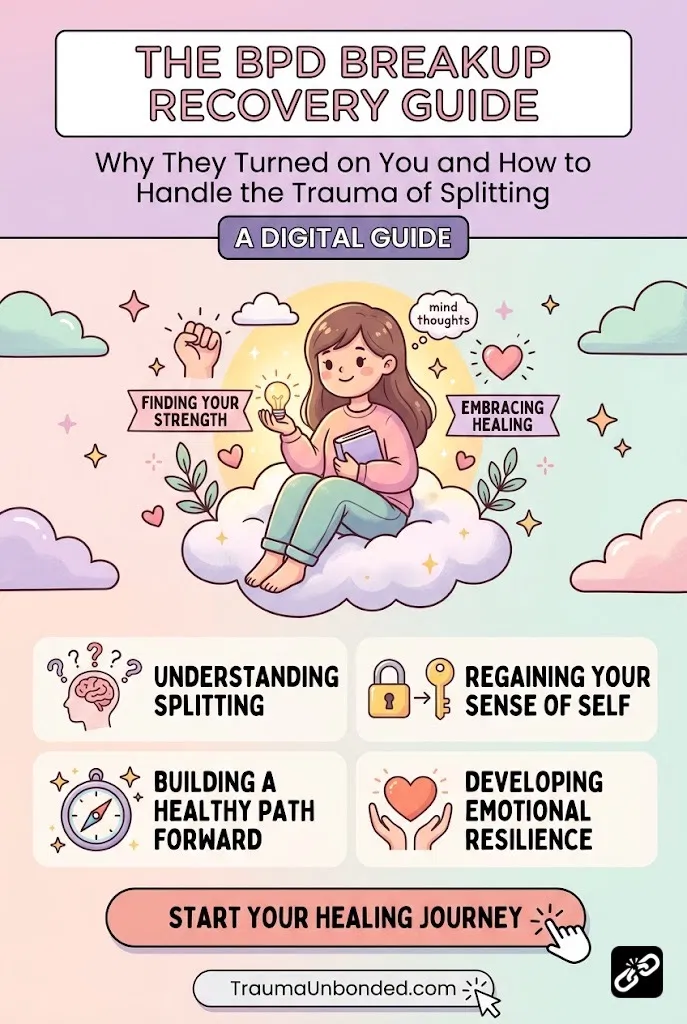
I had no hobbies left, my friends had mostly drifted away because I was always managing a crisis at home, and I felt like a shell of a human being. If you feel like your world has ended, I want you to know that I have been exactly where you are. You might find clarity by looking into The BPD Breakup Recovery Guide, which helped me make sense of the chaos when I first started therapy.
Trauma bond withdrawal is not a regular breakup. It is a biological detox from a biochemical addiction to another person. Have you ever felt like you would do anything just for one minute of the “good” version of your ex? That is the addiction talking, not your logic.
The Agony of Trauma Bond Withdrawal
During my twelve-year relationship, I didn’t realize I was being fed breadcrumbs of affection. This is known as intermittent reinforcement, where the person hurts you and then provides the only comfort available. It creates a knot in your brain that is hard to untie. When you finally leave, your brain goes into a state of panic because it is no longer getting those hits of dopamine and oxytocin.
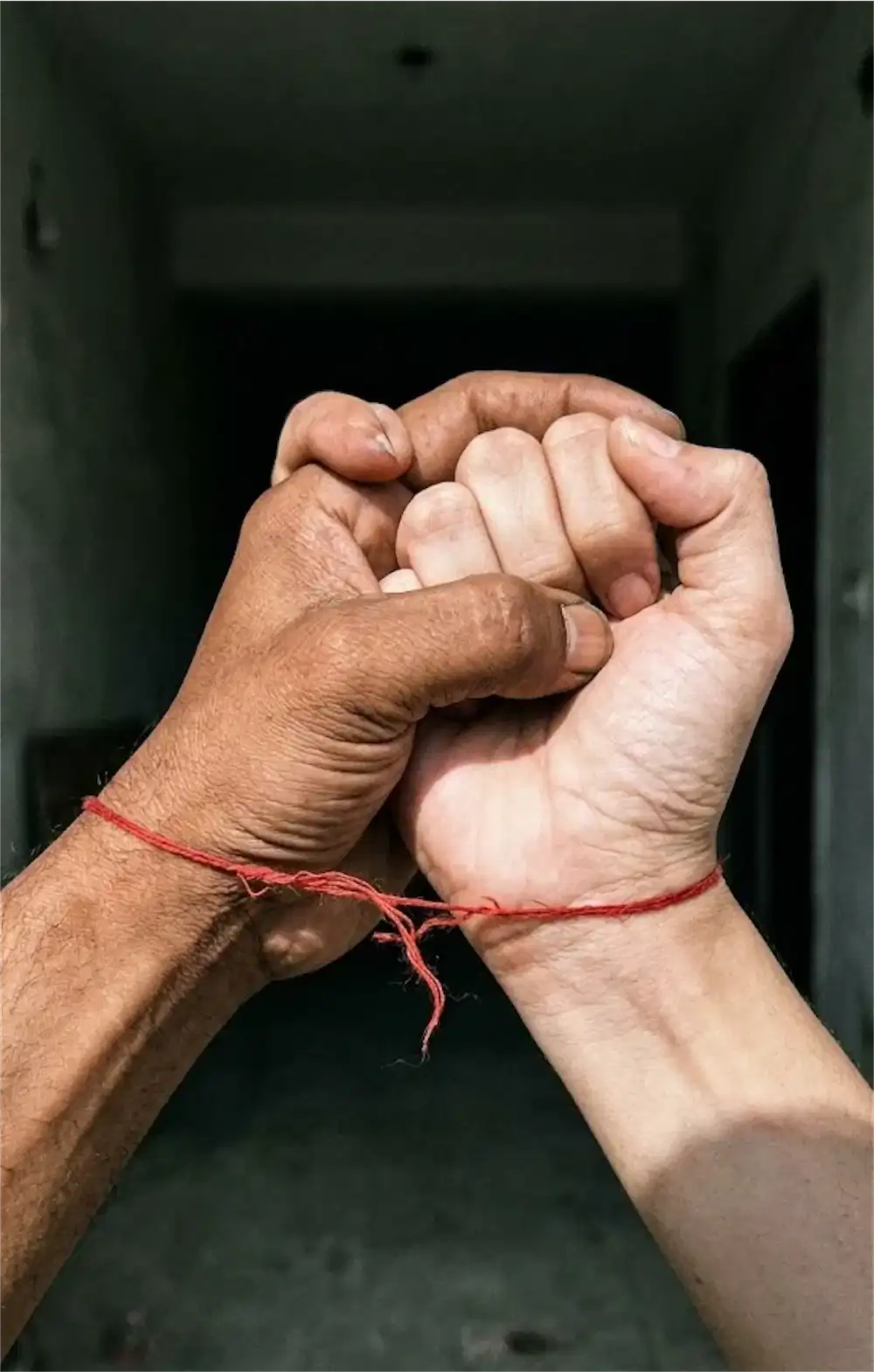
You might experience intense split symptoms where you fluctuate between hating them for the narcissistic abuse and desperately missing the “soulmate” they pretended to be. I remember sitting on my floor for hours, unable to move, just waiting for a text that I knew would only hurt me more. Does that sound familiar? This physical ache in your chest is part of the trauma bond withdrawal symptoms that many survivors face.
To move forward, you have to accept that the person you miss never truly existed. They were a mask. My therapy sessions taught me that I was mourning a ghost. I had to learn how to break the biochemical addiction to the highs and lows. It was the hardest thing I have ever done, but it was the only way back to my original self.
How to Overcome Intense Split Symptoms
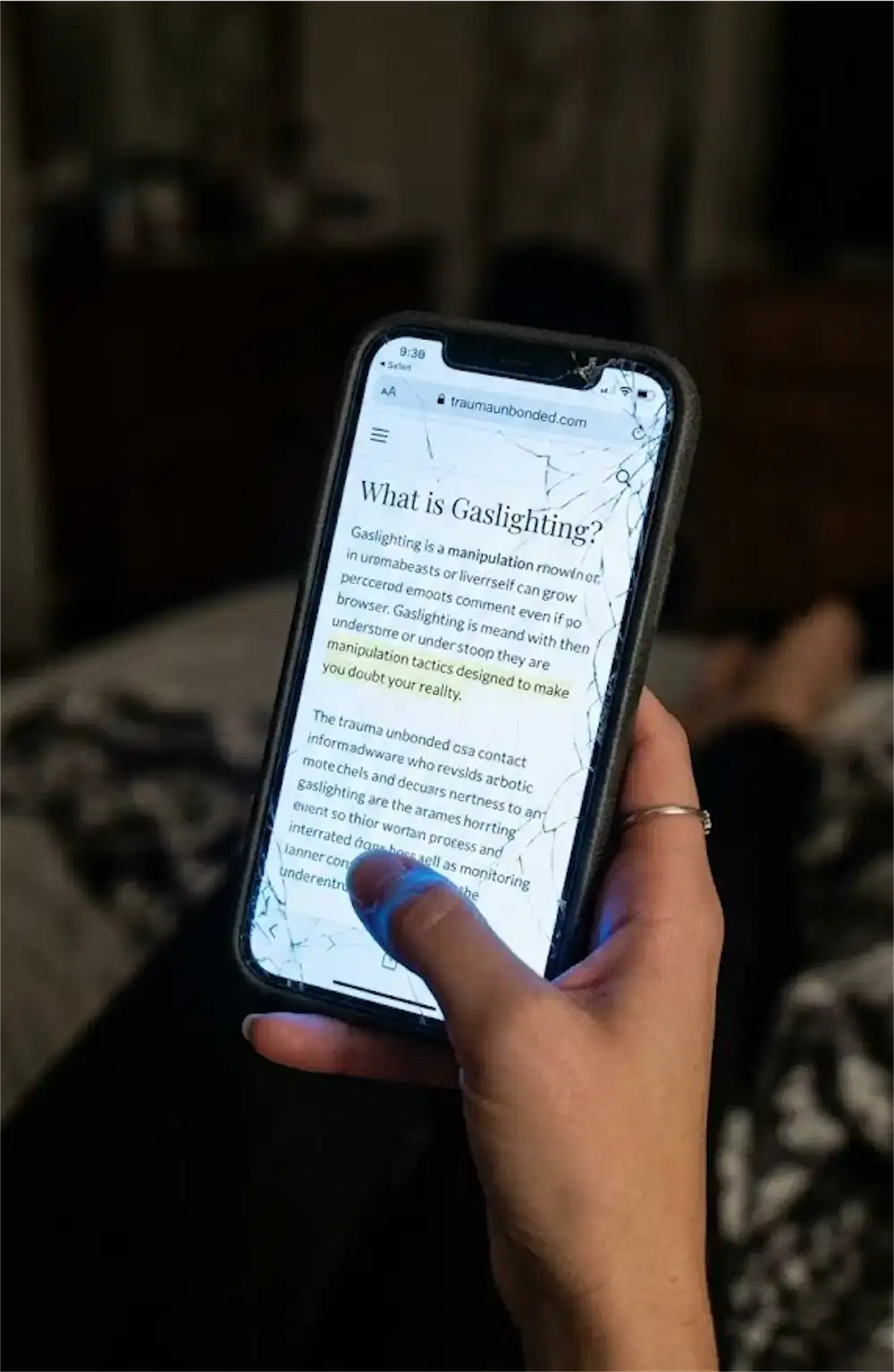
When someone with BPD traits “splits” on you, they suddenly see you as entirely evil. It is a defense mechanism that leaves you feeling erased. After a decade of this, I started to experience my own form of splitting. I would look at our old photos and forget the gaslighting, which is when they made me doubt my own memory of events. Then, an hour later, I would feel a rage so hot it scared me.
Managing these split symptoms requires grounding yourself in the facts. I started keeping a “reality list.” Every time I felt the urge to reach out, I read the list of the most painful things they said to me. It sounds harsh, but it keeps your brain from romanticizing the abuse. You need to remind yourself that the “good times” were the bait, and the “bad times” were the reality.
Are you currently struggling to trust your own thoughts? That is a common side effect of cognitive dissonance. You are trying to hold two opposing ideas at once: that this person loved you and that this person destroyed you. Healing begins when you stop trying to make those two things fit together. They don’t fit because the love wasn’t healthy.
If you are tired of the emotional rollercoaster and want a structured way to handle the pain when they turn on you, this resource is a game-changer for reclaiming your mental space.
Regaining Your Identity After 12 Years of Fog
When I was in the thick of it, I didn’t know who I was anymore. I had stopped painting, I didn’t listen to music I liked, and I walked on eggshells every single day. Walking on eggshells means you are constantly monitoring your partner’s mood to avoid an explosion. It is exhausting and it kills your spirit. After the breakup, the silence in my house felt deafening.

To get through trauma bond withdrawal, you have to fill that silence with your own voice. I started with small things. I bought the kind of coffee I liked but they hated. I went for walks without having to check my phone every five minutes. These small acts of defiance against the old rules are how you rebuild your self-worth.
You might feel a lot of guilt or shame. You might ask yourself, “How did I let this go on for so long?” Please, stop beating yourself up. You were dealing with a master manipulator. My journey back to being a cheerful and optimistic person started with radical acceptance. I had to accept that I couldn’t fix them, and I had to stop being a “fixer” for everyone else.
Calming the Nervous System
Your body is currently stuck in “fight or flight” mode. This is why you feel jumpy or have trouble sleeping. I found that learning about BPD breakup recovery helped me understand that my body was reacting to years of chronic stress. Activities like heavy lifting, cold showers, or even just deep breathing can help reset your nervous system.
I also had to deal with hoovering, which is when an ex tries to suck you back in with “I’ve changed” messages or fake emergencies. After 12 years, they knew exactly which buttons to press. I had to learn to be a “grey rock.” This means becoming as boring and unreactive as a pebble so they lose interest in manipulating you.
The Importance of No Contact
There is no way to heal a trauma bond while you are still in contact with the person. Every “check-in” or social media peek is like taking a hit of the drug you are trying to quit. I had to block them everywhere. It felt cruel at first, but it was actually an act of self-mercy. You cannot heal in the same environment that made you sick.
The first few weeks are the hardest. You will feel lonely. You will feel like you made a mistake. But if you hold the line, the fog eventually starts to lift. I remember the day I woke up and they weren’t the first thing on my mind. I felt a sense of peace I hadn’t known in over a decade. That peace is waiting for you too.
Overcoming the intense split symptoms and the withdrawal process takes time and professional support. I worked through my codependency issues in therapy and slowly found my way back to the person I was before the relationship started. Today, I am grounded and happy. I have my hobbies back, and my life is no longer a series of disasters.
If you are ready to stop the cycle of pain and start the journey back to yourself, I encourage you to use The BPD Breakup Recovery Guide as your roadmap. You don’t have to do this alone, and you don’t have to stay broken forever. The withdrawal is temporary, but the freedom you find on the other side is permanent.
Recovery is not about forgetting what happened; it is about reaching a point where what happened no longer controls your heart or your future.

Meet Your Guide
Helen Brooks
After surviving a 12-year NPD/BPD relationship, I dedicated over a decade to studying trauma bonding and nervous system recovery. My mission is to help you break free from the fog and reclaim your authentic self.
Ready to break the trauma bond and reclaim your life?