Physical Health Symptoms of a Toxic Relationship: The Real Impact
I spent twelve years wondering why I was always sick. My partner had traits of both Narcissistic Personality Disorder and Borderline Personality Disorder, and while I focused on surviving the emotional storms, my body was quietly screaming for help. Have you noticed that your health started declining around the same time your relationship became a roller coaster?
During that decade of chaos, I dealt with migraines, sudden skin rashes, and a level of exhaustion that no amount of coffee could fix. I thought I was just getting older or having bad luck. The truth was much heavier: my nervous system was stuck in a permanent state of “fight or flight.” If you are feeling physically broken, it is likely that you are experiencing emotional withdrawal and chronic stress symptoms that stem directly from your environment.
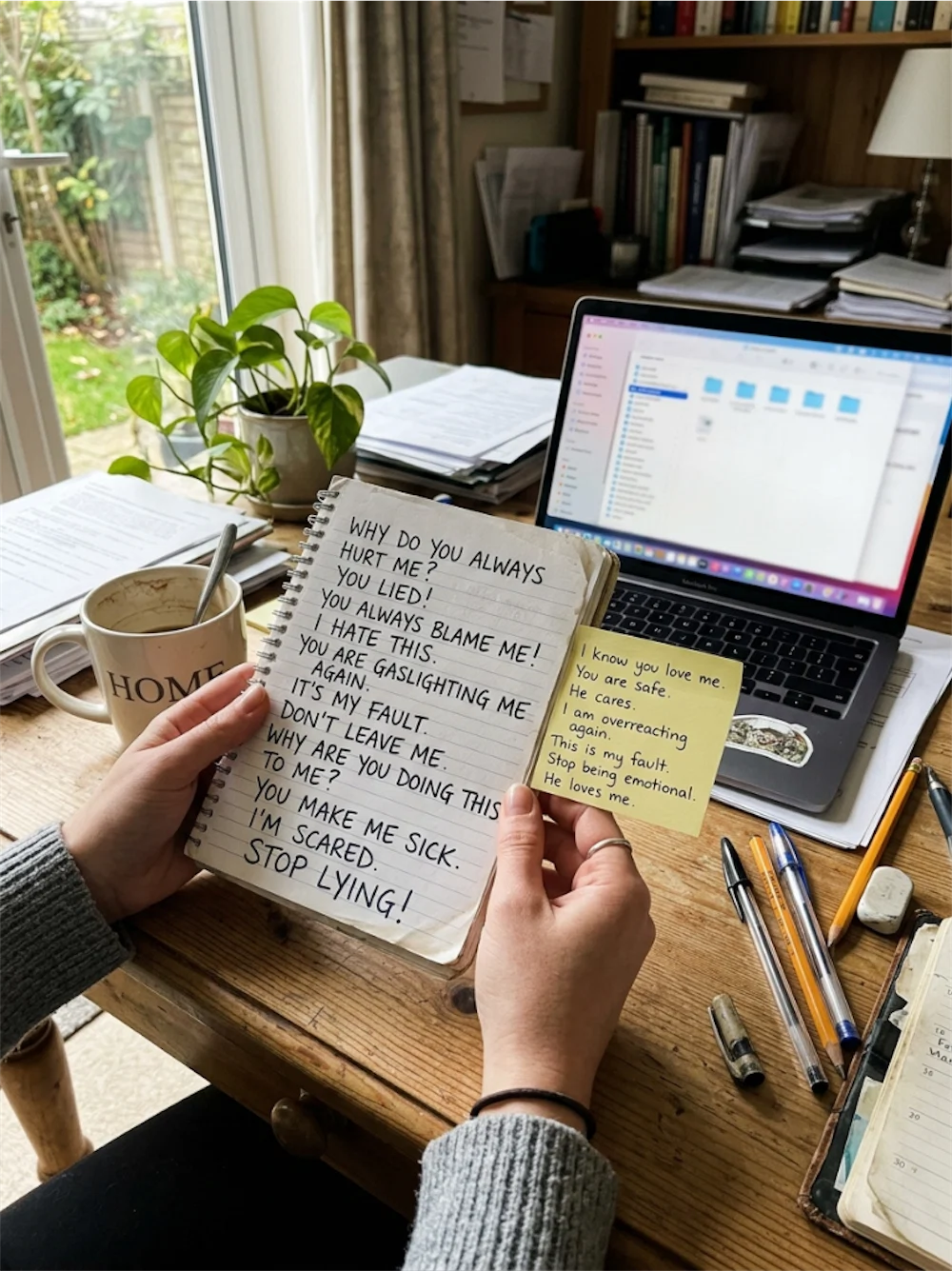
When you live with someone who uses gaslighting—that confusing tactic where they make you question your own memory and reality—your brain stays on high alert. You are constantly scanning for danger, trying to predict the next blow-up or “splitting” episode. This isn’t just “stress” in the way people talk about a busy day at work. This is a physiological assault on your organs, your hormones, and your immune system. Can you remember the last time you felt truly relaxed in your own home?
Why Your Body Breaks Down in a Toxic Environment

In a healthy relationship, your home is a sanctuary where your body can recover. In a toxic one, your home is a battlefield. My ex would love bomb me one day, making me feel like the center of the universe, and then give me the cold shoulder the next. This constant shifting creates a biochemical addiction to the highs and lows. Your body pumps out adrenaline and cortisol to help you survive the “danger,” but those chemicals are toxic when they never shut off.
Over time, this leads to high cortisol symptoms in women and men alike, which can manifest as stubborn weight gain around the midsection, thin skin, and severe sleep disturbances. I remember lying awake at 3 AM with my heart racing, replaying every word of our latest argument. My body didn’t know the difference between a verbal attack and a physical predator. Does your heart start pounding the moment you hear their key in the lock?
The Silent Toll of Chronic Hypervigilance
Hypervigilance is the fancy word for “walking on eggshells.” In my 12 year relationship, I became an expert at reading micro-expressions. I knew exactly what a slight squint of the eyes meant before a storm started. While this kept me safe in the moment, it kept my nervous system dysregulated. When your body is always looking for a threat, it stops prioritizing “non-essential” things like digestion, hair growth, and deep sleep.
Many survivors find themselves searching for high cortisol symptoms in women because they feel like they are “falling apart” for no reason. You might notice that you catch every cold that goes around or that your wounds take forever to heal. This happens because your immune system has been suppressed by the constant flood of stress hormones. You aren’t “weak,” your body is simply exhausted from protecting you for so long.
Common Physical Signs You Are in a Toxic Relationship
The physical health symptoms of a toxic relationship often show up in the gut first. The “gut-brain axis” is very real. If you are constantly feeling nauseous or dealing with strange digestive issues, your body is telling you that the situation is literally hard to swallow. I spent years taking antacids and seeing specialists, only to realize later that my stomach issues disappeared within three months of going no contact.
Have you noticed any of these recurring issues? – Chronic muscle tension, especially in the neck, shoulders, and jaw. – Trauma-related bloating or what some call a “distended stress belly.” – Brain fog and difficulty concentrating on simple tasks. – Autoimmune flare-ups or new sensitivities to foods you used to enjoy.
These aren’t coincidences. They are the physical price of trauma bonding. You might find yourself searching for a trauma belly bloating guide because no matter how much you exercise, the inflammation won’t go away. This inflammation is a systemic response to the emotional toxicity you are breathing in every single day.
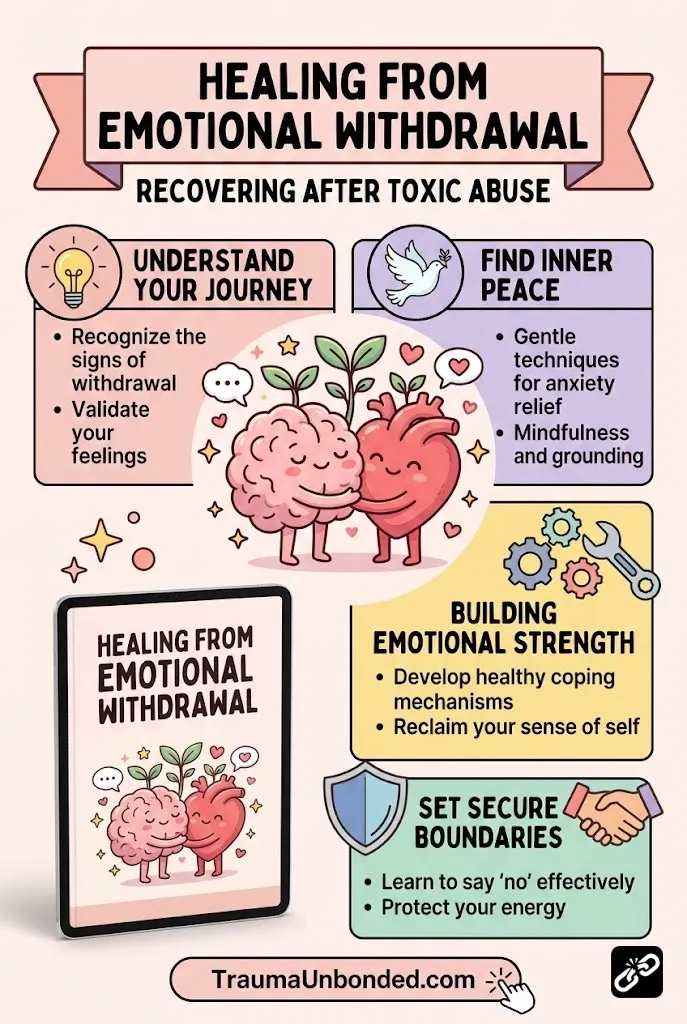
Recovering from the physical toll of a toxic relationship requires more than just leaving; it requires a structured plan to heal your nervous system and process the stored trauma that your body is still holding onto. If you feel stuck in a cycle of physical pain and emotional exhaustion, this specialized guide is designed to help you break free from the internal damage left behind.
The Heartbreak of Chronic Fatigue and Brain Fog
During the final years of my toxic relationship, I felt like I was moving through waist-deep water. My “original self”—the person who loved hiking and painting—was gone. I was just a shell. This trauma-induced fatigue isn’t something you can sleep off. It is a result of your brain’s prefrontal cortex being offline while your amygdala handles the daily “crises” your partner creates.
When you are being hoovered—that stage where an ex tries to suck you back in with false promises of change—your brain experiences a massive dopamine spike followed by a crash. This “intermittent reinforcement” is what makes the relationship feel like an addiction. The constant “up and down” creates adrenal exhaustion. You might find yourself unable to remember simple things, like where you put your keys or what you ate for lunch. Is your mind constantly clouded by the “what ifs” and “if onlys” of your relationship?
Reclaiming Your Health After the Breakup

Healing is not just an emotional process; it is a physical one. When I finally walked away, I had to treat myself like a patient in recovery. I had to learn about codependency and how my own patterns kept me in that 12 year loop. I had to realize that my body was not my enemy; it was my most honest friend, trying to tell me that I was in a place that wasn’t safe for my soul.
The road back to your cheerful, grounded self involves nervous system regulation. This means teaching your body that the war is over. For me, this involved professional therapy and a lot of patience. You might find that your symptoms get a little worse before they get better as your body finally feels “safe” enough to release the stored stress. This is often called a “healing crisis,” and it is a sign that you are finally purging the toxicity.
Focus on small, grounding rituals. Drink lemon water in the sun. Go for a walk without your phone. Start listening to what your body needs rather than what your partner demands. You have spent years prioritizing their moods; it is time to prioritize your own cells. Can you imagine a morning where you wake up without that heavy feeling of dread in your chest?
Moving from Survival to True Vitality
Today, I am back to being optimistic and energetic, something I never thought possible when I was in the thick of it. The physical health symptoms of a toxic relationship can be reversed, but it requires a commitment to radical self-care and firm boundaries. You cannot heal in the same environment that made you sick. If you are still in the relationship, start observing your body’s reactions without judgment. Notice the tension in your jaw or the knot in your stomach.
Knowledge is the first step toward freedom. Once you understand that your physical pain is a direct result of emotional abuse and trauma bonds, the gaslighting loses its power. You aren’t crazy, and you aren’t “just sick.” You are reacting normally to an abnormal, toxic situation. The vitality you lost is still there, buried under layers of survival mode, waiting for you to choose yourself.
Your body has been your protector for a long time, and now it is your turn to protect it. By understanding the link between your environment and your health, you can begin the journey of healing from the physical and emotional withdrawal of toxic abuse and return to the vibrant person you were always meant to be.
The Takeaway: Your physical symptoms are not a sign of weakness, but a biological warning system. When you remove the source of the stress and begin nervous system work, your body has an incredible capacity to repair the damage and return to a state of peace.

Meet Your Guide
Helen Brooks
After surviving a 12-year NPD/BPD relationship, I dedicated over a decade to studying trauma bonding and nervous system recovery. My mission is to help you break free from the fog and reclaim your authentic self.
Ready to break the trauma bond and reclaim your life?