Trauma Bond Brain Chemistry: Inside the Chemical Addiction
Trauma bond brain chemistry is the invisible cage that keeps so many of us locked in toxic relationships for years. I spent twelve years with a partner who displayed both Narcissistic Personality Disorder and Borderline Personality Disorder traits, and I know that heavy, suffocating fog all too well. Why do we stay when we are being treated so poorly? Why does it feel like a physical withdrawal when we try to walk away from someone who hurts us?
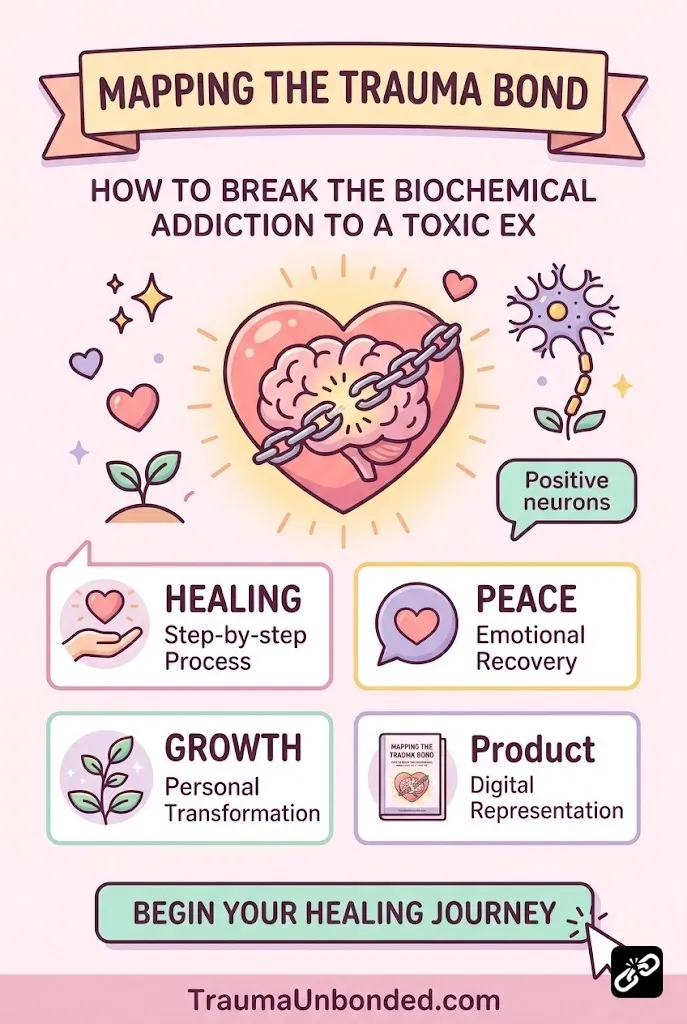
In those twelve years, I lost my hobbies, my friends, and my sense of self. I was a shell of the cheerful person I used to be, living in a constant state of panic and confusion. It was only through deep therapy and learning about the chemical addiction happening in my mind that I began to find my way back. If you are struggling to leave, you might find answers in Mapping the Trauma Bond, which explains exactly how your brain gets hijacked by a toxic partner.
This is not a lack of willpower or a character flaw. It is a biological process where your reward system is exploited by a cycle of pain and pleasure. When we understand the trauma bond brain chemistry, we can stop blaming ourselves and start the real work of recovery. Are you ready to see what is actually happening behind the scenes of your obsession?
The Biochemical Rollercoaster of Intermittent Reinforcement

The foundation of any trauma bond is intermittent reinforcement. This is a pattern of behavior where a person is inconsistent with their affection, giving you “scraps” of love only after periods of coldness or abuse. Think of it like a slot machine. If the machine paid out every single time, you would get bored. But because it only pays out occasionally, you keep pulling the lever, hoping for that next big win.
In my relationship, this looked like a week of the silent treatment followed by one single night of intense “love bombing” and affection. My brain would flood with dopamine during those good moments. Dopamine is the chemical responsible for the “chase” and the feeling of reward. When the partner is cruel, your dopamine levels crash, leaving you in a state of craving. You become desperate for that next hit of validation, making the relationship feel like a biochemical addiction.
This cycle creates a toxic connection that is harder to break than almost any other bond. You aren’t just in love with a person: you are addicted to the relief that comes when they finally stop being mean to you. Have you noticed how the “good times” feel even more intense because they come right after a period of suffering? That is the intermittent reinforcement relationship cycle at work, rewiring your brain to value them above your own safety.
The Bonding Hormone: Oxytocin in Toxic Cycles
Oxytocin is often called the “cuddle hormone” because it builds trust and attachment. In a healthy relationship, it helps you feel safe. In a relationship with a narcissist or someone with BPD, oxytocin is used as a weapon. During the high points, your brain releases massive amounts of this hormone, which glues you to your abuser.
Even when they are being horrible to you, your brain remembers those high oxytocin moments. It tells you that this person is your “safe space,” even when they are the ones causing the danger. This is why you might feel an intense urge to be held or comforted by the very person who just finished yelling at you. It is a confusing, painful mess that keeps you stuck in a trauma bond long after you know you should leave.
Living on Cortisol and Adrenaline

While dopamine and oxytocin handle the “good” times, cortisol and adrenaline manage the bad ones. When you are walking on eggshells, your body is constantly pumping out stress hormones. I remember the feeling of my heart racing every time I heard his keys in the door. I didn’t know if I was going to get the “happy” version of him or the one who would find a reason to be angry with me for the next six hours.
Living in this state of hypervigilance causes physical damage. High cortisol levels over a long period can lead to trauma brain fog, memory issues, and even physical illnesses. Your brain is so focused on survival that it shuts down the parts responsible for logic and long term planning. This is why it is so hard to make a logical plan to leave. Your “thinking brain” is offline, and your “survival brain” is running the show.
You might find yourself constantly checking your phone or over-analyzing every text message for hidden meanings. This isn’t “crazy” behavior; it is your nervous system trying to predict the next threat. This constant state of high alert keeps you tethered to the partner because you are always reacting to their moods. You are essentially addicted to the stress of the relationship just as much as the love.
Understanding the science behind your pain is the first step toward freedom. If you want to stop the obsessive looping thoughts and finally quiet the noise in your head, I highly recommend looking into tools designed to break this specific chemical cycle.
To truly break free from the addictive loop of a toxic relationship, you need a clear map of how your brain was hijacked and a plan to take it back.
Why No Contact Feels Like Drug Withdrawal
When you finally decide to go No Contact, your brain reacts exactly like a person quitting heroin or cocaine. The sudden absence of the person causes a massive drop in dopamine and oxytocin. This leads to trauma bond withdrawal symptoms including physical pain, insomnia, extreme anxiety, and obsessive rumination. You might find yourself scrolling through old photos or looking at their social media just to get a tiny “fix” of their presence.
During my recovery, I had to treat myself like someone in a detox center. I had to realize that the “need” to call him wasn’t love. It was my brain begging for a chemical hit to stop the pain of the cortisol spike. Every time I checked his Instagram, I was just resetting the clock on my recovery. It takes time for your reward center to return to its original state, but it is possible.
The first 30 to 90 days are the hardest because your neurochemistry is trying to rebalance itself. You might experience cognitive dissonance, where you remember the “good” version of them while ignoring the person who actually hurt you. This is a survival mechanism designed to make you return to the “herd” for safety. Recognizing this as a biological trick was the only way I stayed strong enough to stay away.
Breaking the Addictive Thought Patterns
How do we stop the mental loops? You must stop the supply of information. Following a no contact recovery roadmap is vital because it creates a physical and digital barrier between you and your “drug.” Without new interaction, the chemical pathways in your brain slowly begin to weaken. It is like a path in the woods: if you stop walking it, the grass eventually grows back over it.
I started replacing the dopamine hits I got from my ex with small, healthy wins. I took up walking, started a simple skincare routine, and finally began reading books again. These small acts of self care helped my brain realize that I could feel good without his validation. It wasn’t overnight, but slowly, the trauma bond brain chemistry began to shift back to a grounded, peaceful state.
Healing the Nervous System After Toxic Abuse
Recovery is not just about “moving on” mentally; it is about physical repair. Your nervous system has been fried by years of high cortisol and constant fear. You may suffer from trauma fatigue or a feeling of being constantly “on edge.” This is why traditional talk therapy sometimes isn’t enough on its own. You have to teach your body that the danger is over.
I found that grounding exercises and somatic work were essential for my healing. After twelve years of tension, my body didn’t know how to relax. I had to manually reset my vagus nerve through breathing and cold water therapy. It sounds simple, but it tells your brain that it is safe to come out of “fight or flight” mode. When your body feels safe, your mind can finally start to heal the trauma-bond-biochemical-addiction that kept you trapped.
If you feel like you are losing your mind, please know that you are just a person with a normal brain reacting to an abnormal situation. You are not weak for staying, and you are not “broken” for missing them. You are simply navigating a very powerful chemical process. With the right education and support, you can rewire your brain and return to the cheerful, optimistic person you were meant to be.
Take it one day at a time. The fog will lift, and your brain will heal. If you are ready to start the process of detoxing from this toxic cycle, you can find the tools you need in Mapping the Trauma Bond. You deserve a life that isn’t defined by the highs and lows of someone else’s dysfunction.

Meet Your Guide
Helen Brooks
After surviving a 12-year NPD/BPD relationship, I dedicated over a decade to studying trauma bonding and nervous system recovery. My mission is to help you break free from the fog and reclaim your authentic self.
Ready to break the trauma bond and reclaim your life?