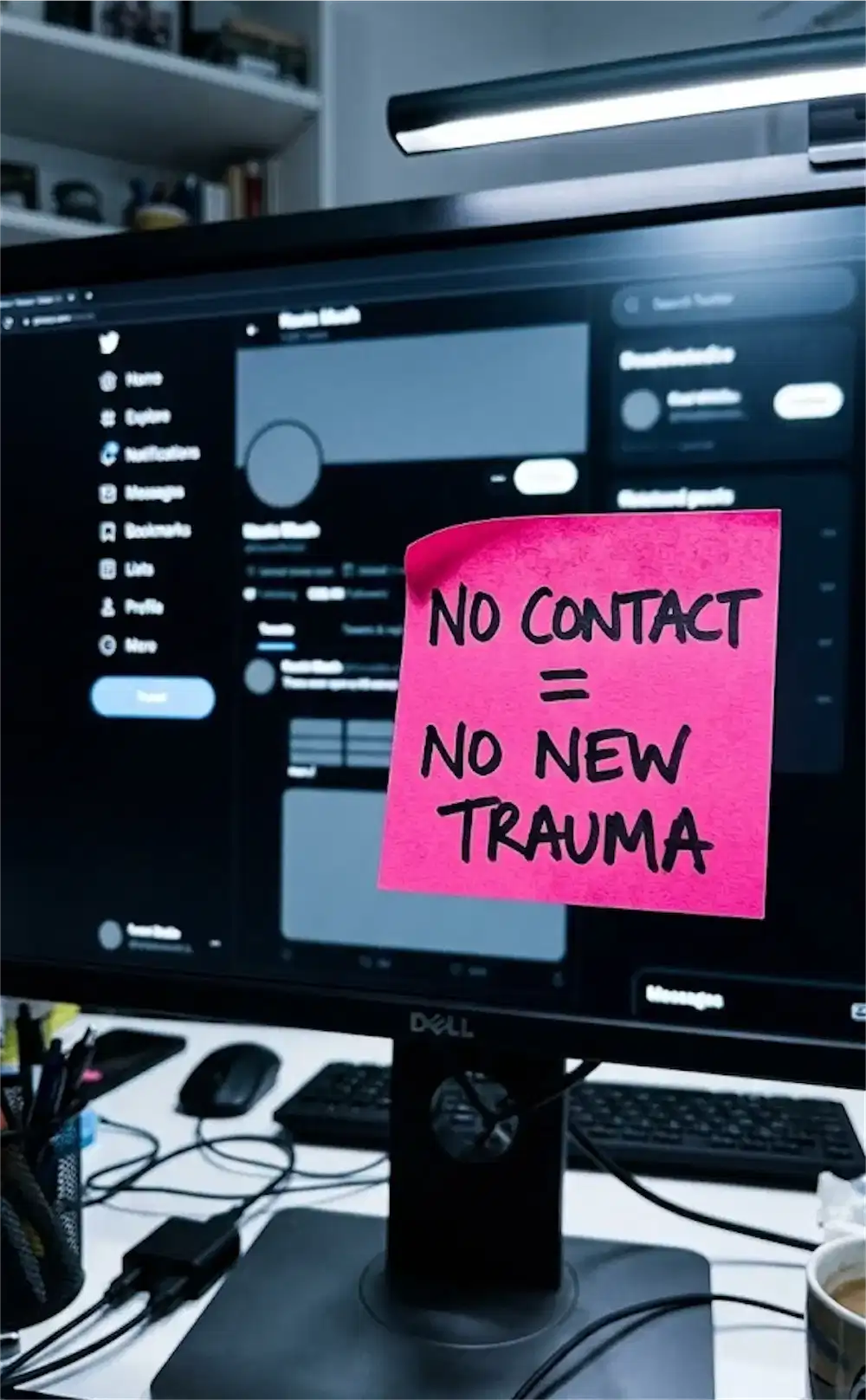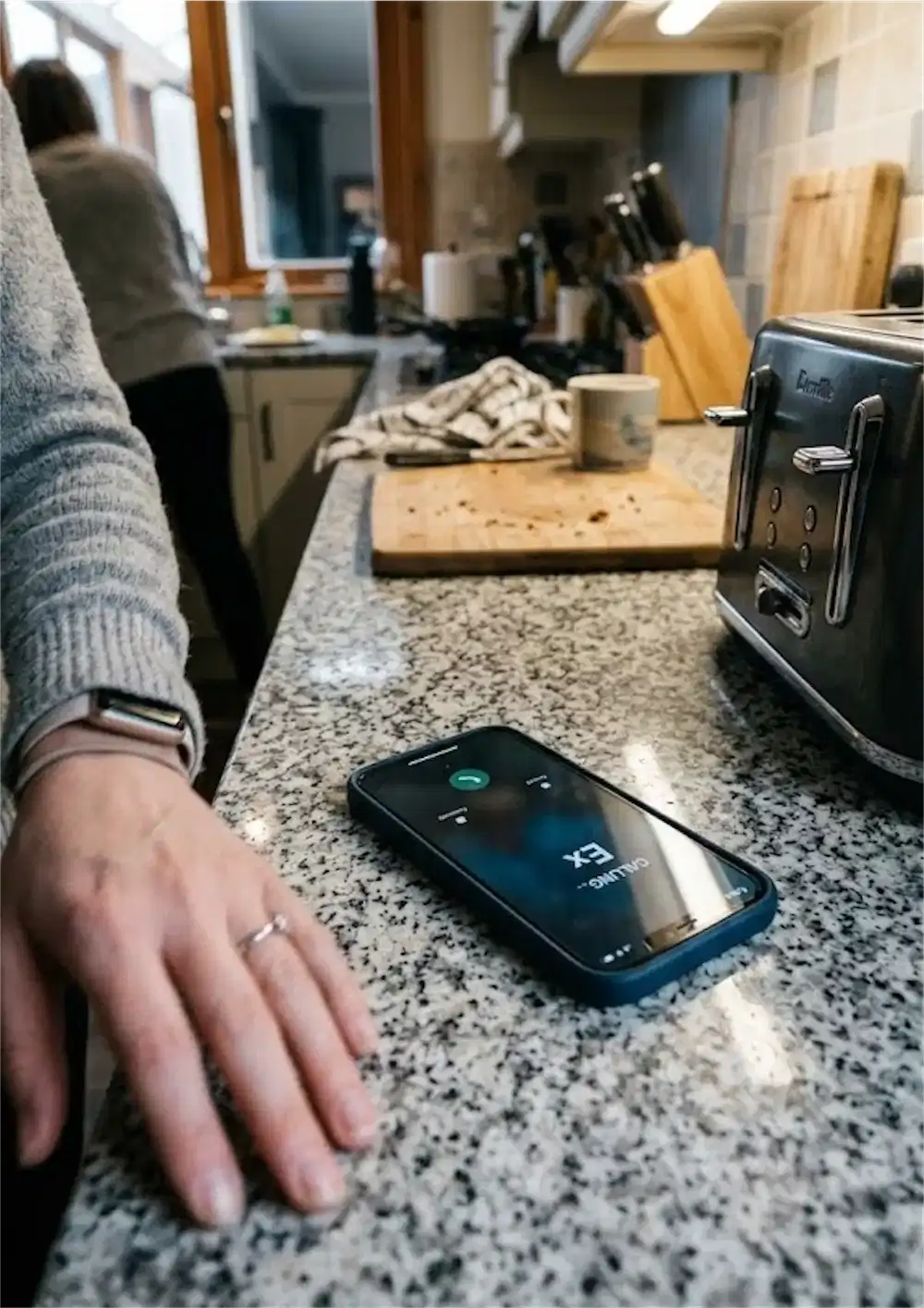
The Ultimate No Contact Timeline: Your 90-Day Recovery Roadmap
Following a no contact timeline is the most difficult yet rewarding decision you will ever make after escaping a toxic relationship. When I finally walked away from a 12-year marriage with a partner who had both NPD and BPD traits, I felt like a shell of a human. I was isolated, my hobbies had vanished, and my self-worth was non-existent. To help you navigate this transition, I recommend using the Radical No-Contact Guide & Workbook to stay grounded during the hardest moments. This 90-day recovery roadmap is designed to help you survive the initial shock and eventually find your way back to your cheerful, optimistic self.
Why is the 90-day mark so significant in narcissistic abuse recovery? It takes roughly three months for the high cortisol levels in your body to begin stabilizing and for your brain to start rewiring itself after years of manipulation. Have you noticed how your heart races just seeing their name on a screen? That is the trauma bond acting like a drug addiction, and going no contact is the only way to begin the detox process.
When you start this journey, you are not just blocking a phone number. You are reclaiming your life from gaslighting, which is that slow, agonizing process where they made you doubt your own sanity for years. I remember feeling like I couldn’t even choose what to eat for lunch without wondering if it would spark an argument. Breaking that cycle requires a strict, disciplined approach to your healing.
The First 30 Days: Surviving the Chemical Withdrawal
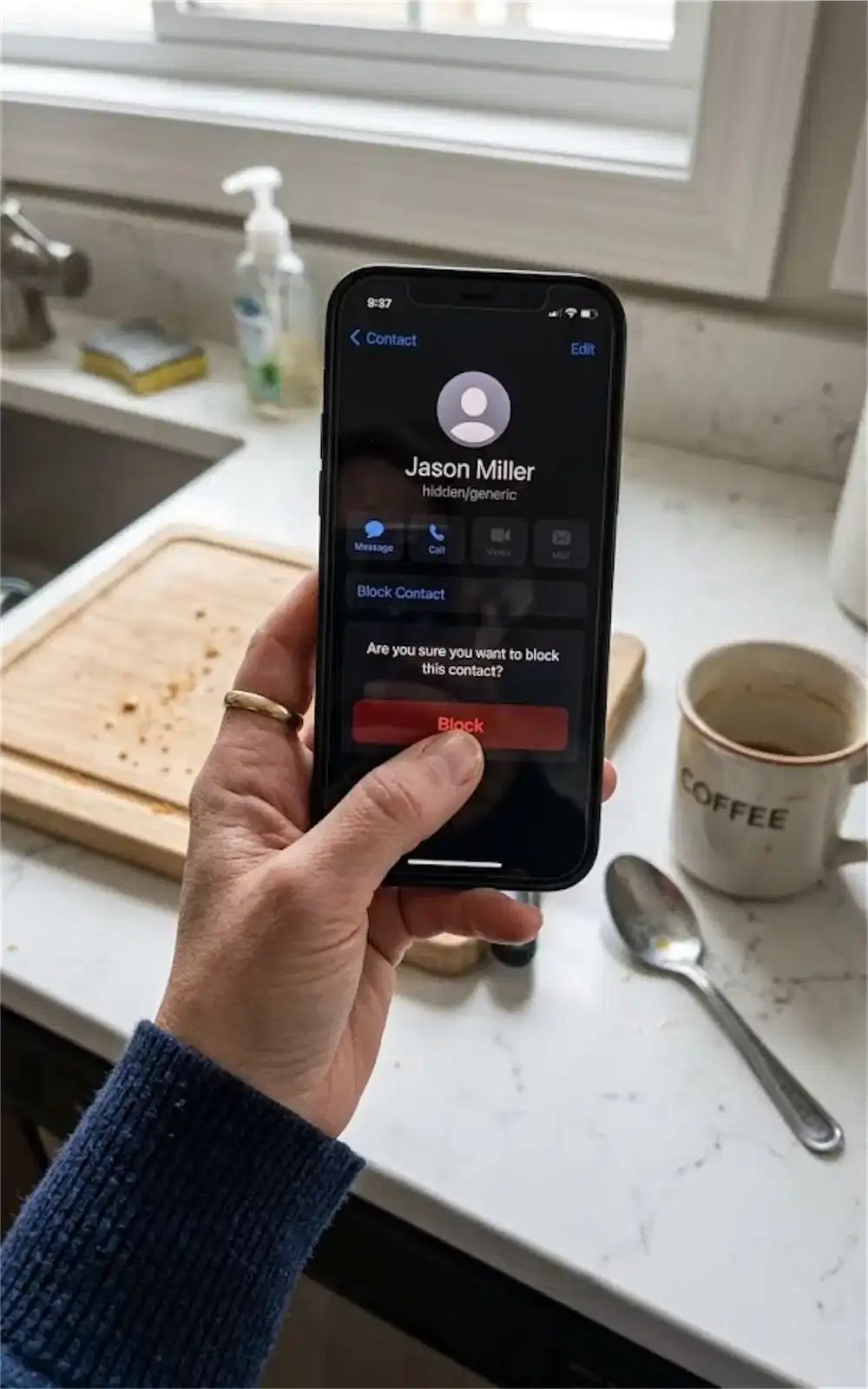
The first month of the no contact timeline is pure survival mode. Your brain is literally screaming for the dopamine and oxytocin spikes that the “love bombing” and “intermittent reinforcement” provided. Even though the relationship was painful, your nervous system is habituated to the chaos. You might experience trauma bond withdrawal symptoms that feel like physical illness, including insomnia, shaking, or a heavy chest.
During these first four weeks, your only job is to stay away. Do not check their social media, do not ask mutual friends how they are, and do not respond to any “accidental” texts. This is when the hoovering starts. Hoovering is a manipulation tactic where the narcissist or BPD ex tries to “suck” you back in, often using a fake crisis or a sudden, tearful apology. In my 12-year struggle, I fell for this dozens of times before I finally realized it was just a trap to regain control.
Expect to feel a lot of guilt and sadness right now. You might find yourself missing the toxic ex even though they treated you poorly. This isn’t because they were “the one,” but because your brain is currently experiencing a chemical crash. Keep a journal nearby and write down every single bad thing they did to you. Read that list every time you feel the urge to reach out.
Focusing on Basic Regulation
Your nervous system is likely fried. After a BPD breakup, your emotions might swing from relief to absolute terror within minutes. Try to focus on small, physical tasks. Drink water, take a walk, and try to sleep. Avoid making any major life changes in this first month. You are in a fog, and your only goal is to let the first wave of the trauma bond lose its grip on your mind.
Days 31-60: The Fog Begins to Lift
As you enter the second month of your recovery roadmap, the physical shaking and urgent desperation usually begin to fade. This is where the cognitive dissonance hits hard. You might start remembering the “good times” and wondering if you were the one who caused all the problems. This is a normal part of the process, but you must remain firm in your boundaries.
I found that professional therapy was a lifesaver during this period. I had to learn about codependency and why I stayed for over a decade. Are you starting to see the patterns yet? Once you understand how they used your empathy against you, the spell starts to break. You begin to realize that the person you loved was a mask, not a reality.
If you find yourself constantly checking your phone for a notification that will never come, or worse, one that you are afraid of, you need a structured plan to keep your hands off the device. Having a step-by-step guide can be the difference between staying free and relapsing into the toxic cycle.
Before moving into the final phase of healing, it is helpful to have a physical resource that keeps you accountable when the late-night urges to text your ex become overwhelming.
Dealing with Hoovering and Guilt
By day 45, the narcissist or BPD ex might realize you are serious about leaving. This is when they often escalate their tactics. They might use “flying monkeys”—mutual friends or family members—to guilt-trip you into talking. You must learn how to handle narcissist hoovering tactics without breaking your silence. Remind yourself that any response, even an angry one, is “supply” to them. Silence is your only weapon.
Days 61-90: Finding Your Original Self Again

This is the most exciting part of the no contact timeline. Somewhere around day 70, you will wake up and realize they weren’t the first thing on your mind. You start to feel your “original self” coming back. For me, this meant picking up my camera again and going for long walks without checking my watch to see if I was “late” for a check-in call. The trauma-informed healing process is working.
During these last 30 days of the roadmap, you should focus on rebuilding your life. After being isolated for so long, reaching out to old friends can feel scary. Do it anyway. You will find that people who truly love you are happy to have you back. The 90-day recovery roadmap is about more than just staying away from an ex; it is about creating a life that is so fulfilling you never want to go back to the breadcrumbs they offered you.
You might still have bad days, but they are no longer “bad weeks.” You are learning emotional regulation and how to trust your own gut again. When you look in the mirror, do you see that person you used to be? The one who laughed easily and believed in the future? That person is still there, and they are finally safe.
Building New Habits and Hobbies
Use this time to explore things they hated or forbade you from doing. I spent a decade avoiding certain music and clothes because my partner found them “annoying.” Reclaiming those small things is a massive act of rebellion and healing. Whether it is a new gym routine, a cooking class, or just sitting in a quiet house without walking on eggshells, cherish these moments. You have earned this peace through your resilience and strength.
The journey doesn’t end at day 90, but the foundation is finally solid. You have survived the worst of the narcissistic abuse aftermath. You have proven to yourself that you can live without the chaos. As you move forward, keep your boundaries high and your heart open to the new, healthy life you are building. If you need a more detailed plan to ensure you never look back, the Radical No-Contact Guide & Workbook provides the tools necessary to maintain your freedom for a lifetime. You are no longer a victim; you are a survivor who is ready to thrive.

Meet Your Guide
Helen Brooks
After surviving a 12-year NPD/BPD relationship, I dedicated over a decade to studying trauma bonding and nervous system recovery. My mission is to help you break free from the fog and reclaim your authentic self.
Ready to break the trauma bond and reclaim your life?