Weighted Blanket for Anxiety: Calming a Traumatized Nervous System
Weighted blanket for anxiety therapy is one of the most effective tools for calming a traumatized nervous system after years of living in a high-stress environment. When you spend over a decade walking on eggshells around a partner with NPD or BPD traits, your body loses the ability to feel safe even when the threat is gone. I remember lying in bed for months after my 12-year relationship ended, feeling like my heart was permanently vibrating inside my chest. If you are struggling with that constant internal shaking, you might be dealing with emotional withdrawal that keeps your body stuck in a loop of panic.
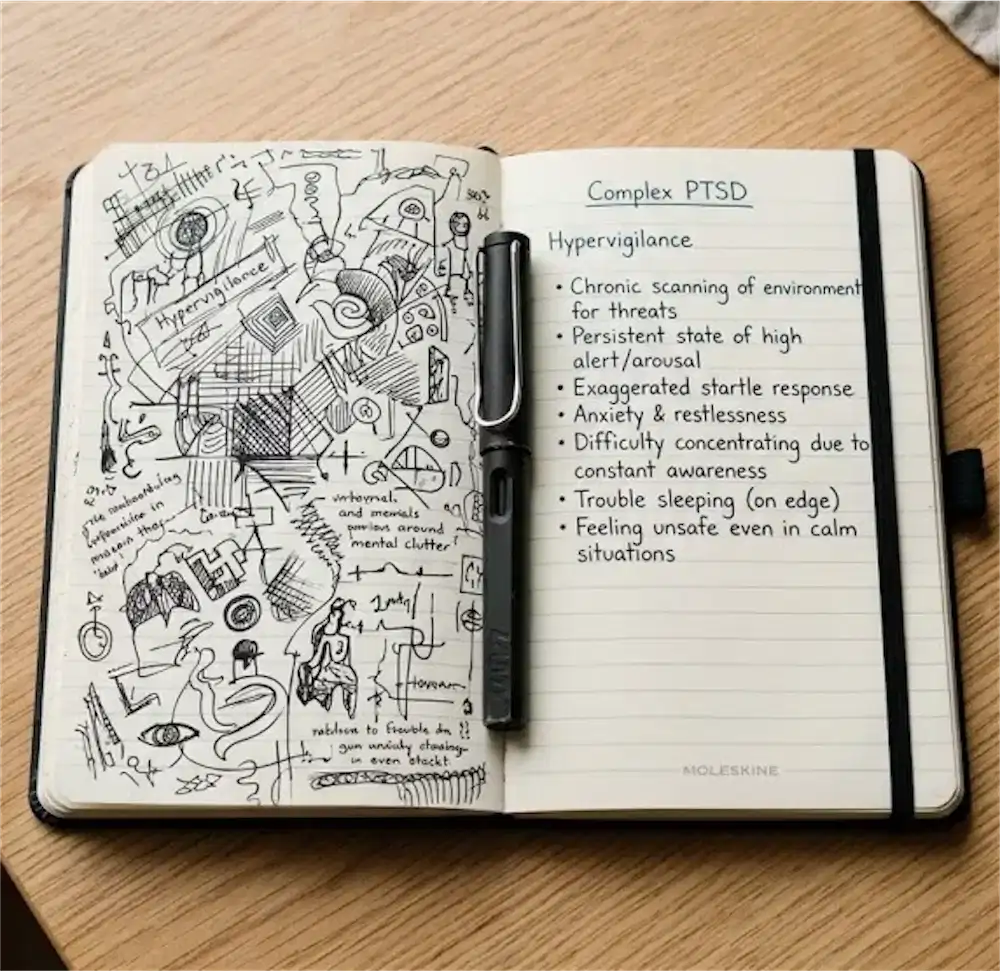
Living with a partner who flips from love-bombing to coldness creates a state of hypervigilance. Your brain becomes wired to scan for danger, and even after you leave, your nervous system remains in survival mode. Have you noticed how your startle reflex is suddenly through the roof? A weighted blanket for ptsd or chronic stress works by providing deep pressure touch, which signals to your brain that it is okay to let go of the fight or flight response.
During my recovery, I realized that talk therapy was only half the battle. I had to teach my body that the war was over. Using sensory tools for trauma helped me return to my original self, moving away from the isolated and miserable person I had become. By combining physical grounding with nervous system regulation exercises, I finally began to sleep through the night without waking up in a cold sweat.
Why Your Nervous System Stays in Survival Mode
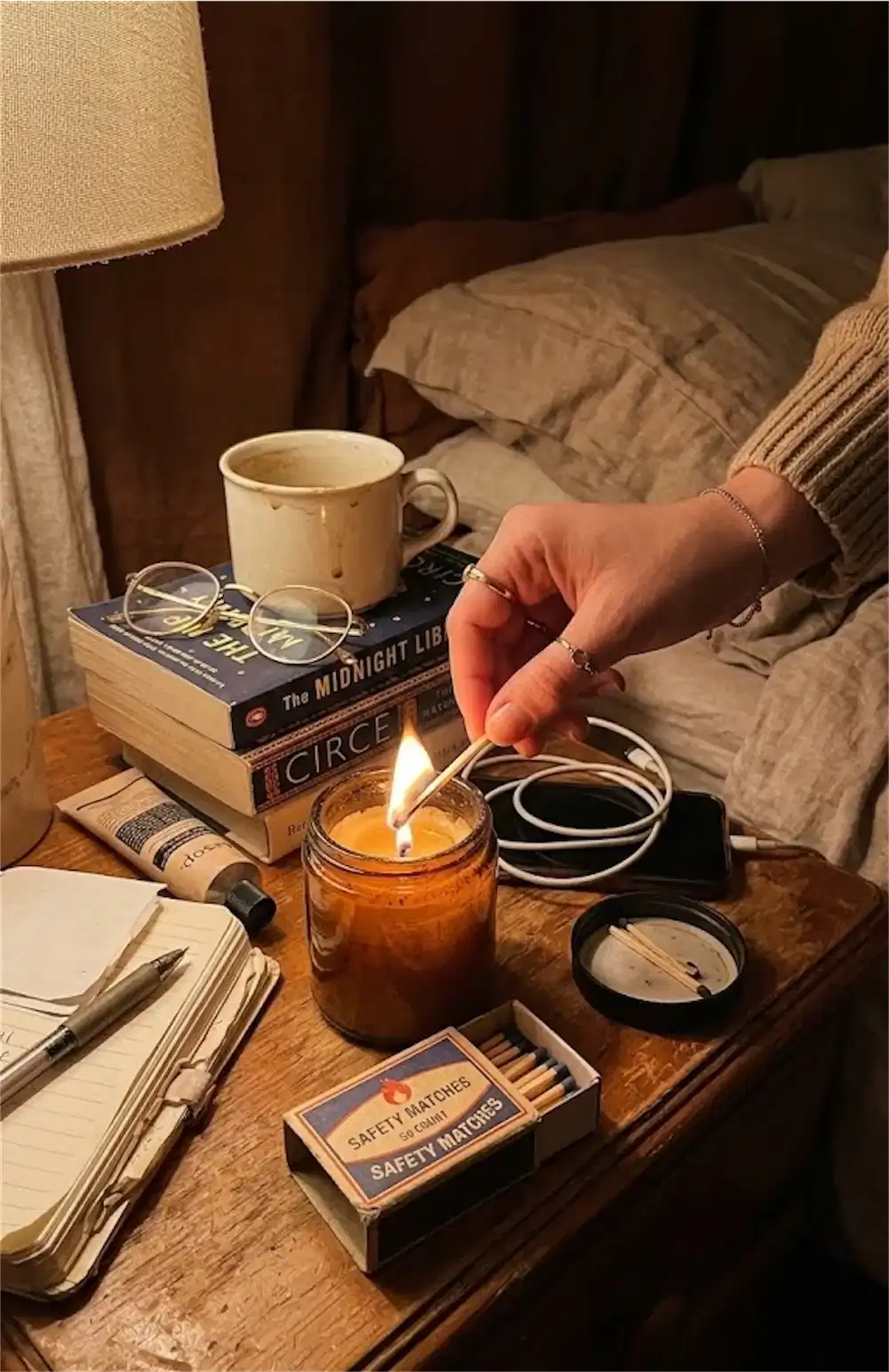
When you endure twelve years of toxic cycles, your adrenal glands are essentially running a marathon every single day. High cortisol levels become your new normal because you never know which version of your partner is going to walk through the door. This chronic state of hypervigilance doesn’t just disappear when the relationship ends. It sits in your muscles, your gut, and your sleep patterns.
A traumatized nervous system is like a car alarm that won’t stop going off even though no one is touching the vehicle. You might find yourself ruminating on past arguments or waiting for the next “hoover” attempt where they try to suck you back into the chaos. Does your body feel heavy yet restless at the same time? This is the paradox of trauma bonding and the physical toll it takes on your well-being.
The weighted blanket for anxiety works by stimulating the production of serotonin and melatonin while decreasing cortisol. It acts as a physical container for your emotions. When I first used one, it felt like the first “safe” hug I had experienced in a decade. It gave my brain a boundary, letting me know where my body ended and the rest of the world began, which is vital when you have lost your sense of self to a narcissist.
The Science of Deep Pressure Touch for Trauma Survivors
Deep Pressure Touch (DPT) is a form of tactile sensory input that feels like a firm hug, swaddling, or massage. For someone with a dysregulated nervous system, this pressure is grounding. It shifts the body from the sympathetic nervous system (fight or flight) to the parasympathetic nervous system (rest and digest). This shift is essential for healing from emotional abuse because it allows the brain to finally process the fact that you are safe.
I found that using a heavy blanket for anxiety helped quiet the “trauma brain” that kept me awake reliving gaslighting sessions. Gaslighting, or the way they made me doubt my own reality for years, left me feeling floaty and disconnected. The weight brought me back down to earth. It is a practical way to manage c-ptsd symptoms without needing to use words or logic when you are too overwhelmed to think.
Are you struggling to find a safe calming healing space in your own home? Often, the very rooms we live in are filled with triggers from the relationship. Reclaiming your bedroom with comfort items for trauma recovery is a huge step in rebuilding your life after narcissistic abuse. The weight of the blanket provides a sense of security that was missing for so long during the years of emotional instability.
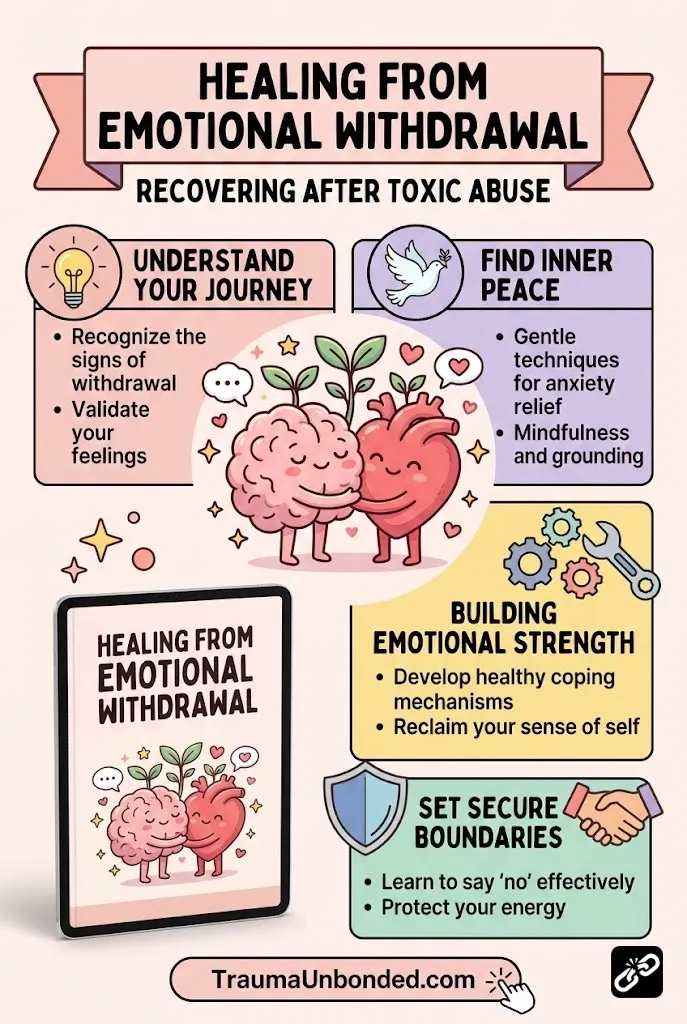
I spent years looking for a way to stop my heart from racing every time a door closed too loudly or a phone notification popped up. If you are struggling with that constant heavy feeling in your chest and the exhaustion of being on high alert, I highly recommend looking into a structured plan for your physical recovery.
Overcoming Post-Traumatic Insomnia and Nightmares
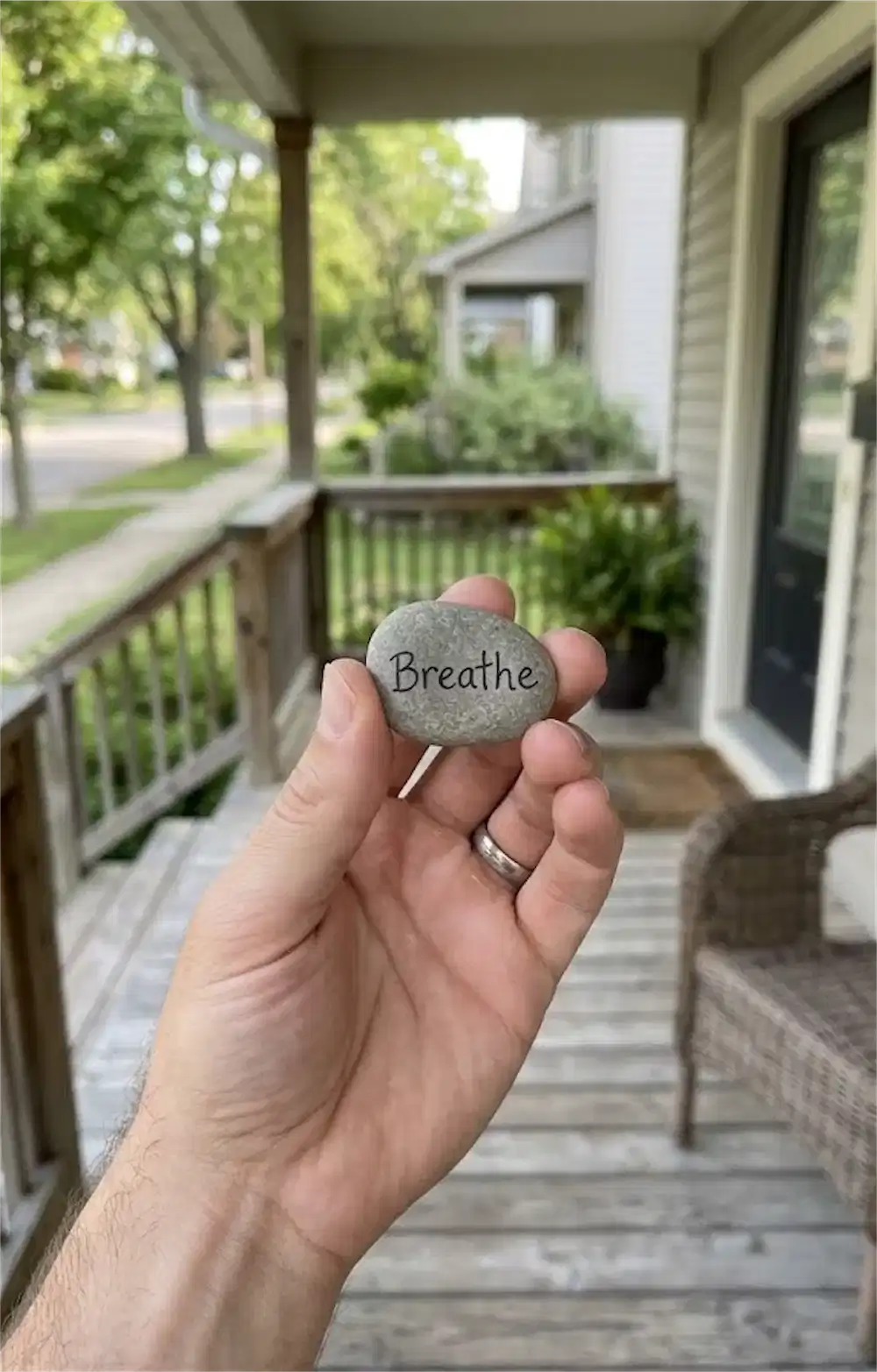
Sleep is usually the first thing to go when you are dealing with trauma bond withdrawal symptoms. Your brain is used to the midnight arguments, the silent treatment, or the sudden bursts of anger that kept you awake for years. Even when you are alone and safe, your brain might still be waiting for the next conflict. Developing a strict evening routine for trauma insomnia is vital for your long term health.
A weighted blanket for sleep helps by reducing the tossing and turning that comes with anxiety. It mimics the sensation of being held, which can be incredibly healing if you were starved of genuine affection or if “affection” was always used as a tool for manipulation. The physical weight helps anchor you to the present moment, making it harder for your mind to drift back into the painful memories of the 12-year toxic relationship.
I found that combining my blanket with vagus nerve anxiety exercises helped me fall asleep in minutes rather than hours. The vagus nerve is responsible for your body’s relaxation response. When you apply weight to your chest or lap while practicing slow breathing, you are essentially “hacking” your biology to force a state of calm. Why spend another night staring at the ceiling when your body is begging for rest?
Choosing the Best Weighted Blanket for Anxiety Recovery
When looking for the best weighted blanket for ptsd, the general rule of thumb is to choose one that is roughly 10 percent of your body weight. If it is too light, you won’t get the deep pressure touch benefits. If it is too heavy, you might feel trapped, which can be a trigger for some survivors of domestic control. I preferred a 15-pound blanket because it felt substantial enough to stop my legs from twitching during panic attacks.
Look for blankets with glass beads rather than plastic, as they distribute the weight more evenly and stay cooler. Many narcissistic abuse survivors experience “trauma heat” or night sweats due to high cortisol levels, so a breathable cotton cover is a must. This isn’t just about bedding; it is about investing in a somatic trauma tool that supports your daily functioning.
Don’t be afraid to use your blanket outside of the bedroom. During my first year of no contact, I would drape mine over my shoulders while working or watching TV. It helped me feel protected while I was rebuilding my self-worth and learning how to be alone again. Recovery is a slow process, but having a physical “safety net” makes the journey much more manageable.
Using a weighted blanket for anxiety was a turning point in my trauma-informed healing. It helped me move from a state of constant terror back into the cheerful and optimistic person I used to be before the 12-year relationship drained my spirit. You deserve to feel safe in your own skin again. If you are ready to stop the cycle of panic and finally rest, take a look at the Emotional Withdrawal Recovery Guide to help navigate the physical and mental symptoms of leaving a toxic partner behind.

Meet Your Guide
Helen Brooks
After surviving a 12-year NPD/BPD relationship, I dedicated over a decade to studying trauma bonding and nervous system recovery. My mission is to help you break free from the fog and reclaim your authentic self.
Ready to break the trauma bond and reclaim your life?