The Importance of Sleep in Trauma Recovery: Creating a Sleep Sanctuary for Your Brain
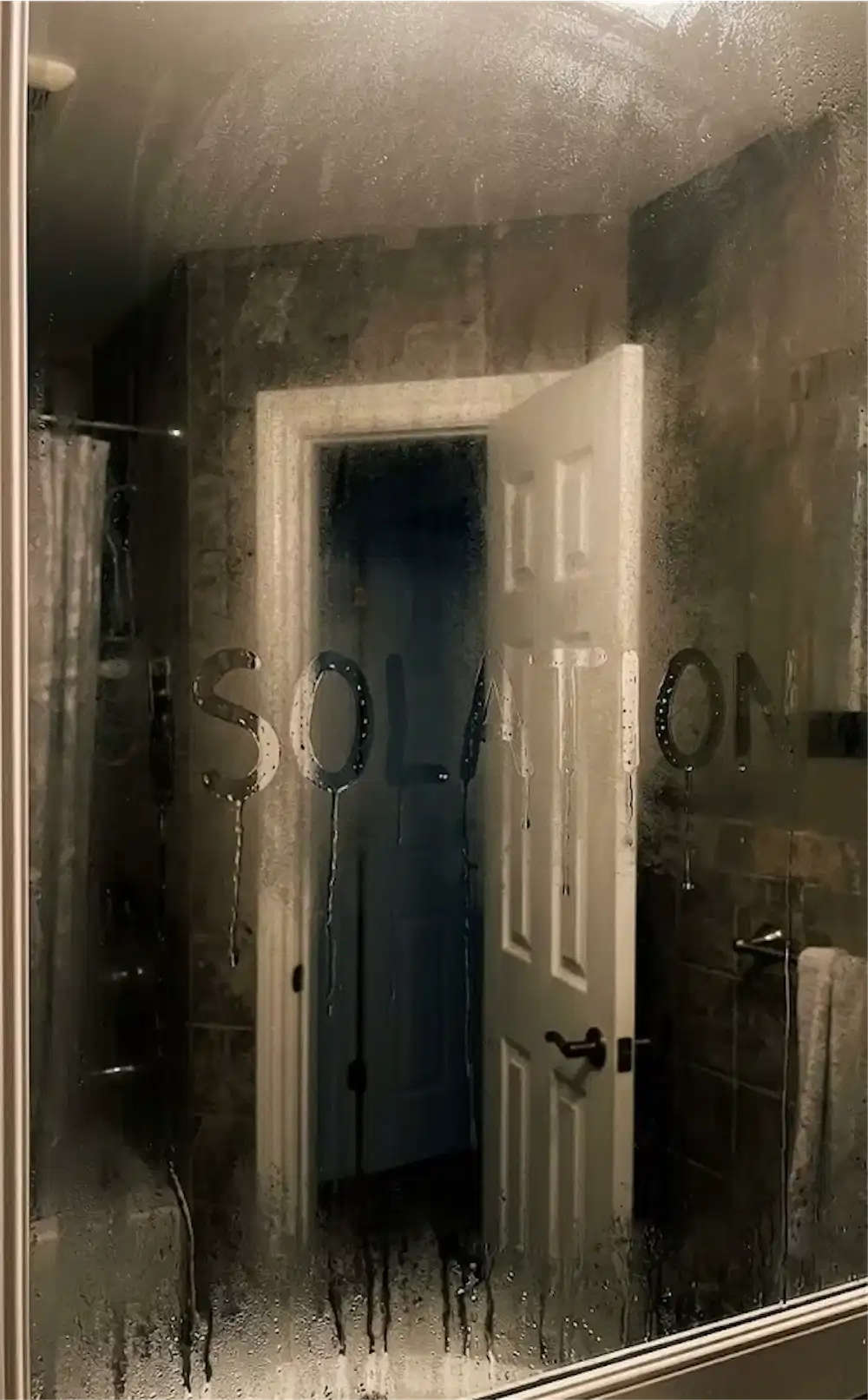
Sleep and trauma recovery are deeply connected, and if you have been lying awake at 2 AM replaying arguments, scanning for threats that are not there, or waking up drenched in sweat from nightmares about your ex, you are not broken. You are experiencing what happens when your nervous system has been hijacked by years of emotional abuse. After my 12-year relationship with a partner who had both NPD and BPD traits, sleep became my biggest battlefield. I would lie in bed for hours, my brain running through every cruel thing that was said, every time I was gaslit into doubting my own memory. If you are searching for why can’t I sleep after narcissistic abuse or how to fix insomnia after a toxic relationship, I want you to know that healing your sleep is one of the most powerful things you can do for your recovery. And it is absolutely possible. The C-PTSD Recovery Toolkit helped me build daily regulation practices that directly improved my sleep, and I wish I had found it sooner.
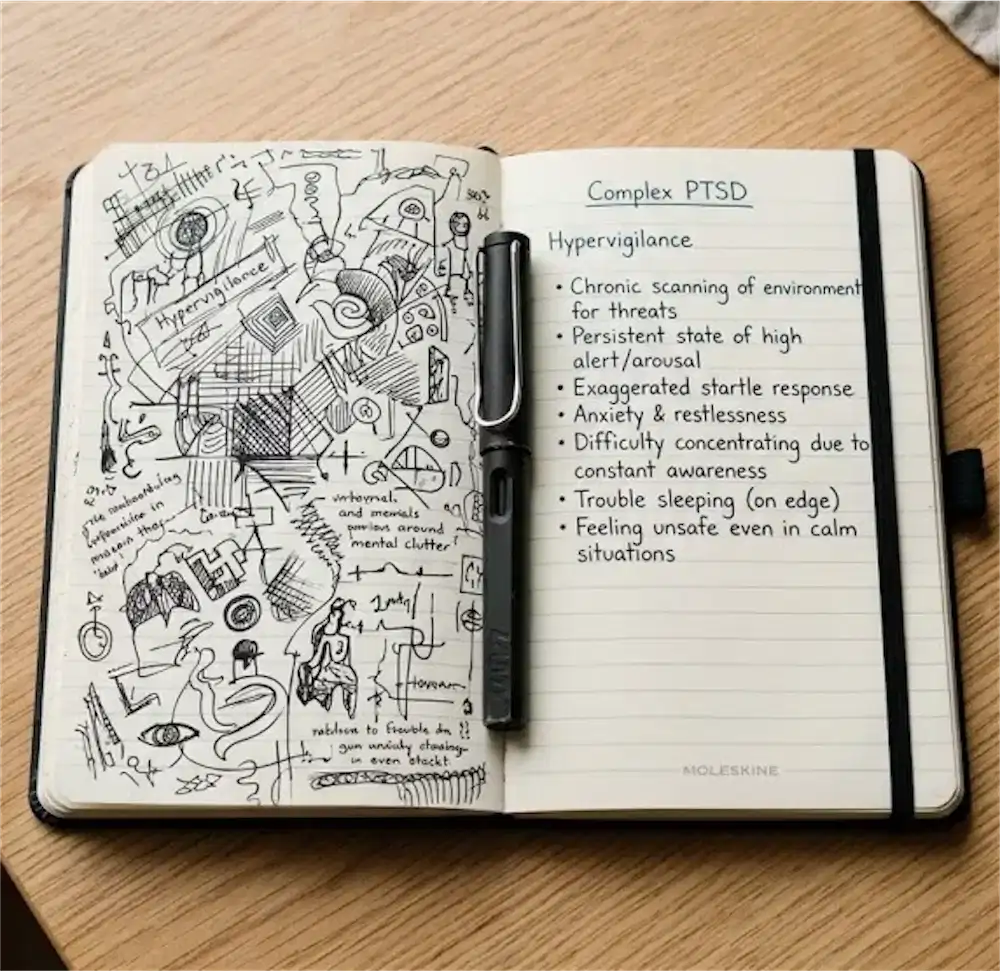
Your brain literally cannot heal without sleep. During deep sleep stages, your brain processes emotional memories, clears stress hormones, and repairs neural pathways that were damaged by chronic abuse. When a narcissist or someone with BPD traits keeps you in a constant state of hypervigilance, your body forgets how to wind down. It stays stuck in survival mode. And that survival mode follows you to bed every single night.
I remember the first few months after leaving. I thought exhaustion would knock me out. Instead, I would crash at 9 PM, then jolt awake at midnight with my heart pounding like someone had kicked in the door. Nobody had. But my body did not know that yet.
Why Trauma Survivors Struggle With Sleep
Trauma survivors struggle with sleep because their nervous system remains stuck in a hyperactivated fight-or-flight state, making it nearly impossible for the brain to transition into the deep, restorative sleep stages needed for emotional processing and healing.

When you live with someone who rages at you unpredictably, who wakes you up in the middle of the night to continue an argument, or who gives you the silent treatment for days so you lie awake wondering what you did wrong, your brain learns that sleep is dangerous. Rest means vulnerability. Vulnerability means pain.
This is not just psychological. It is biological. Research published on PubMed shows that trauma exposure significantly disrupts REM sleep, which is the exact sleep stage your brain uses to process and integrate emotional experiences. Without adequate REM sleep, traumatic memories stay “undigested.” They keep intruding as flashbacks, nightmares, and that awful 3 AM rumination spiral where you replay the same conversation for the hundredth time.
Here are the most common sleep disruptions after narcissistic abuse:
- Hyperarousal insomnia: Your body refuses to relax because it learned that letting your guard down leads to emotional ambush
- Nightmares and trauma dreams: Reliving arguments, discard scenes, or distorted versions of the abuse
- Middle-of-the-night waking: Cortisol spikes that jolt you awake, often between 2 and 4 AM
- Revenge bedtime procrastination: Staying up late because nighttime was the only time you felt “free” during the relationship
- Sleep anxiety: Dreading going to bed because you know the rumination will start
Does any of that sound familiar? During my relationship, I used to dread bedtime because that is when my ex would either start fights or go completely cold. My body carried that dread for over a year after I left. The bed itself felt like a trigger. Understanding that this was a normal trauma response, not a personal failure, changed everything for me. If you are caught in that cycle of replaying arguments in your head, know that your sleep issues are directly connected.
How Sleep Deprivation Keeps You Trauma Bonded
Here is something most people do not talk about. Sleep deprivation after abuse is not just a symptom. It actually keeps you stuck in the trauma bond. When you are sleep deprived, your prefrontal cortex, the rational part of your brain, goes offline. Meanwhile, your amygdala, the emotional alarm system, becomes hyperactive.
What does that look like in real life? You text your ex at 1 AM because your exhausted brain cannot access the logical part that knows better. You romanticize the “good times” because your tired mind craves the dopamine hit of those memories. You catastrophize about the future because you literally do not have the cognitive resources to think clearly.
I made some of my worst decisions during those sleepless weeks. I almost broke no contact twice, both times after consecutive nights of terrible sleep. My therapist told me something that stuck: “You cannot out-think a sleep-deprived brain. Fix the sleep first.” She was right. Once I started sleeping better, the urge to reach out dropped dramatically. The biochemistry of the trauma bond becomes so much harder to fight when your brain is running on empty.
Creating a Sleep Sanctuary After Emotional Abuse
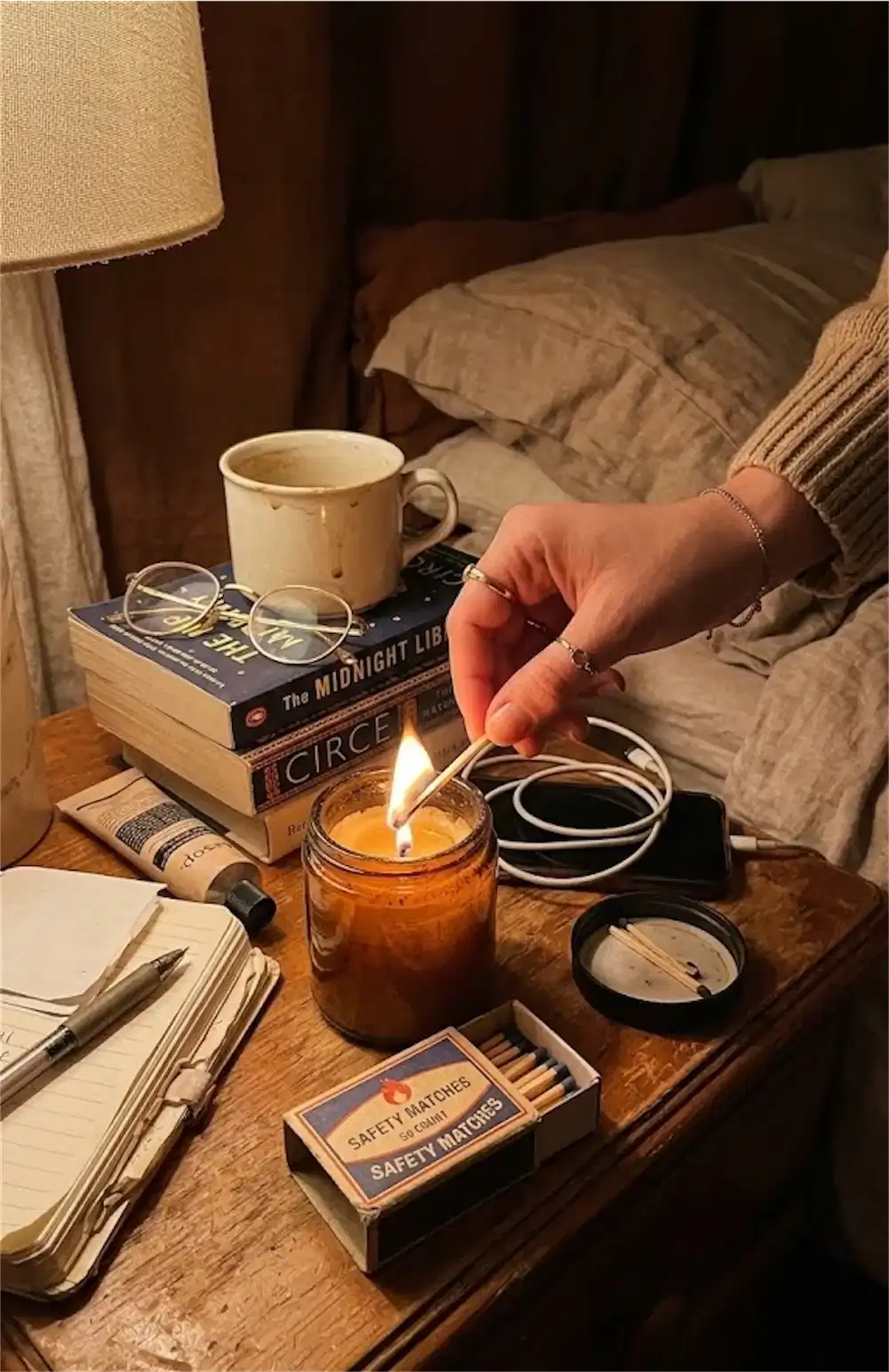
A sleep sanctuary is not about buying expensive sheets or following some influencer’s aesthetic bedroom tour. It is about reclaiming your bedroom as a safe space after years of it being a war zone. For many abuse survivors, the bedroom holds some of the worst memories. That is where fights happened. That is where the silent treatment felt most suffocating. That is where intimacy was weaponized.
Here is what actually worked for me, and what my therapist recommended:
- Change the physical environment: Rearrange the furniture. Get new bedding. Even small changes signal to your brain that this is a different space now, a safe one
- Remove all reminders of your ex: Photos, gifts, their side of the bed arrangement. All of it. Your brain cannot relax in a room that still feels like “theirs”
- Create a sensory reset: Use a specific scent only at bedtime, like lavender or eucalyptus. Over time, your brain associates that scent with safety and sleep
- Block all digital access to your ex: Your phone should not be a portal to re-traumatization at midnight. Block, mute, and remove
- Use low warm lighting 60 minutes before bed: Overhead lights and phone screens suppress melatonin and keep your already activated nervous system wired
I moved my bed to a completely different wall. It sounds silly, but waking up facing a new direction genuinely confused my trauma brain in the best way. The old associations started loosening their grip.
If you are serious about building a structured recovery path that includes nervous system work, sleep repair, and daily healing practices, this is the resource I recommend most:
A Bedtime Routine That Actually Works for Trauma Survivors
Generic sleep hygiene advice like “avoid caffeine” and “keep your room cool” is fine, but it misses the point for someone whose nervous system has been shattered by years of emotional abuse. You need a routine that specifically addresses trauma activation.
This is the trauma-informed bedtime routine I built over months of trial and error:
- 90 minutes before bed: No phone. No social media. No checking if your ex viewed your story. Put the phone in another room if you have to
- 60 minutes before bed: Do a body scan or vagus nerve regulation exercise. Even five minutes of slow breathing with a long exhale can shift your nervous system from sympathetic (fight/flight) to parasympathetic (rest/digest)
- 30 minutes before bed: Write down three things you are grateful for AND three worries you are “parking” until tomorrow. This literally gives your brain permission to stop problem-solving
- At bedtime: Use a guided body relaxation or sleep story. Not a podcast about narcissism. Not trauma content. Something neutral and calming
- If you wake up at 3 AM: Do NOT grab your phone. Place your hand on your chest and say out loud, “I am safe. That was then. This is now.” It sounds overly simple. It works because it activates your ventral vagal system
The parking technique for worries was a game changer for me. I used to lie there with my brain running a highlight reel of every terrible thing my ex ever said. Writing those thoughts down and closing the notebook felt like putting them in a box. They would still be there tomorrow. But they did not get to keep me awake tonight.
Your Brain Heals While You Sleep
This is not a nice metaphor. It is literal neuroscience. During deep sleep, your brain’s glymphatic system flushes out metabolic waste, including the stress-related proteins that accumulate from chronic cortisol flooding. During REM sleep, your brain processes and files emotional memories so they stop ambushing you during the day.
Every night of quality sleep is your brain doing repair work. Every night of disrupted sleep is another day your trauma stays stuck in the “active threat” folder. You are not being lazy or self-indulgent by prioritizing sleep. You are doing the most foundational healing work there is.
I spent 12 years with someone who made rest feel dangerous. Learning to sleep again, truly sleep, was one of the hardest and most important parts of my recovery. It did not happen overnight (pun intended). It took weeks of consistent effort with my bedtime routine. But when it clicked, everything else started shifting. The brain fog lifted. The emotional reactivity decreased. I stopped reaching for my phone to check on my ex.
If you take one thing from this article, let it be this: sleep is not a luxury in trauma recovery. It is the foundation. Without it, therapy works slower, no contact feels impossible, and your nervous system stays locked in the past. Start tonight. Move the bed. Light a candle. Put the phone away. Your healing brain is waiting for permission to rest. And if you need a structured, step-by-step system to regulate your nervous system from the ground up, the C-PTSD Recovery Toolkit will walk you through it day by day. You deserve sleep that actually heals you.

Meet Your Guide
Helen Brooks
After surviving a 12-year NPD/BPD relationship, I dedicated over a decade to studying trauma bonding and nervous system recovery. My mission is to help you break free from the fog and reclaim your authentic self.
Ready to break the trauma bond and reclaim your life?