Radical Acceptance Exercises: Choosing Peace Over Conflict
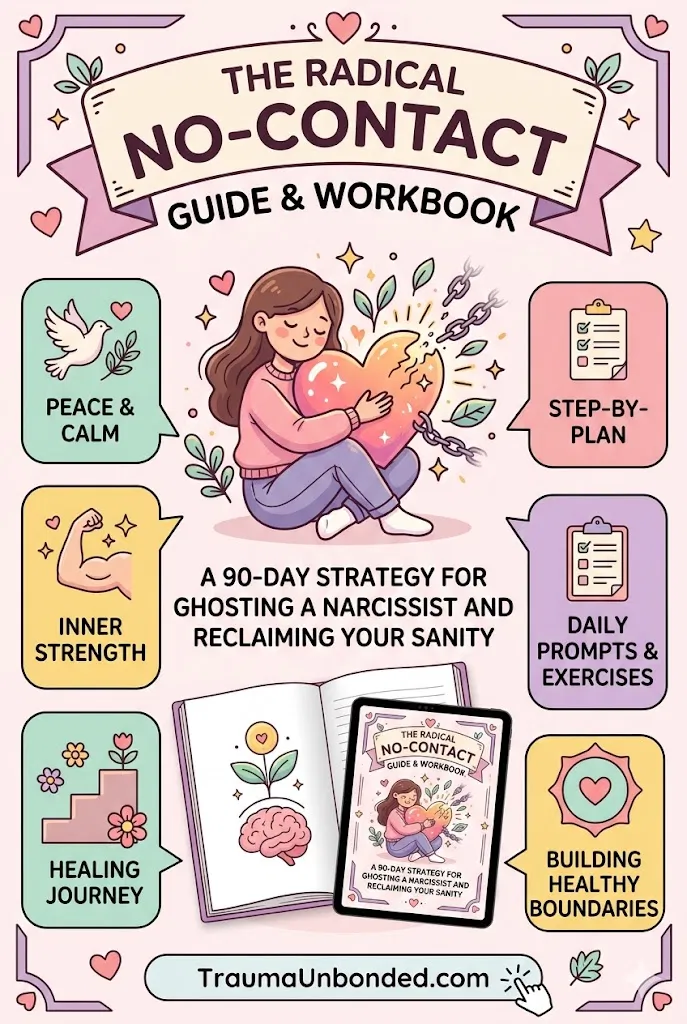
Radical acceptance exercises are powerful tools for choosing peace over conflict when you are trying to heal from a toxic relationship. After spending 12 years in a cycle of narcissistic and BPD abuse, I know how exhausting it is to fight against a reality that refuses to change. You spend years hoping they will finally see your point of view or stop the gaslighting, which is when they make you doubt your own memories and sanity. If you are ready to stop the internal war, The Radical No-Contact Guide & Workbook can help you find the space you need to breathe again.
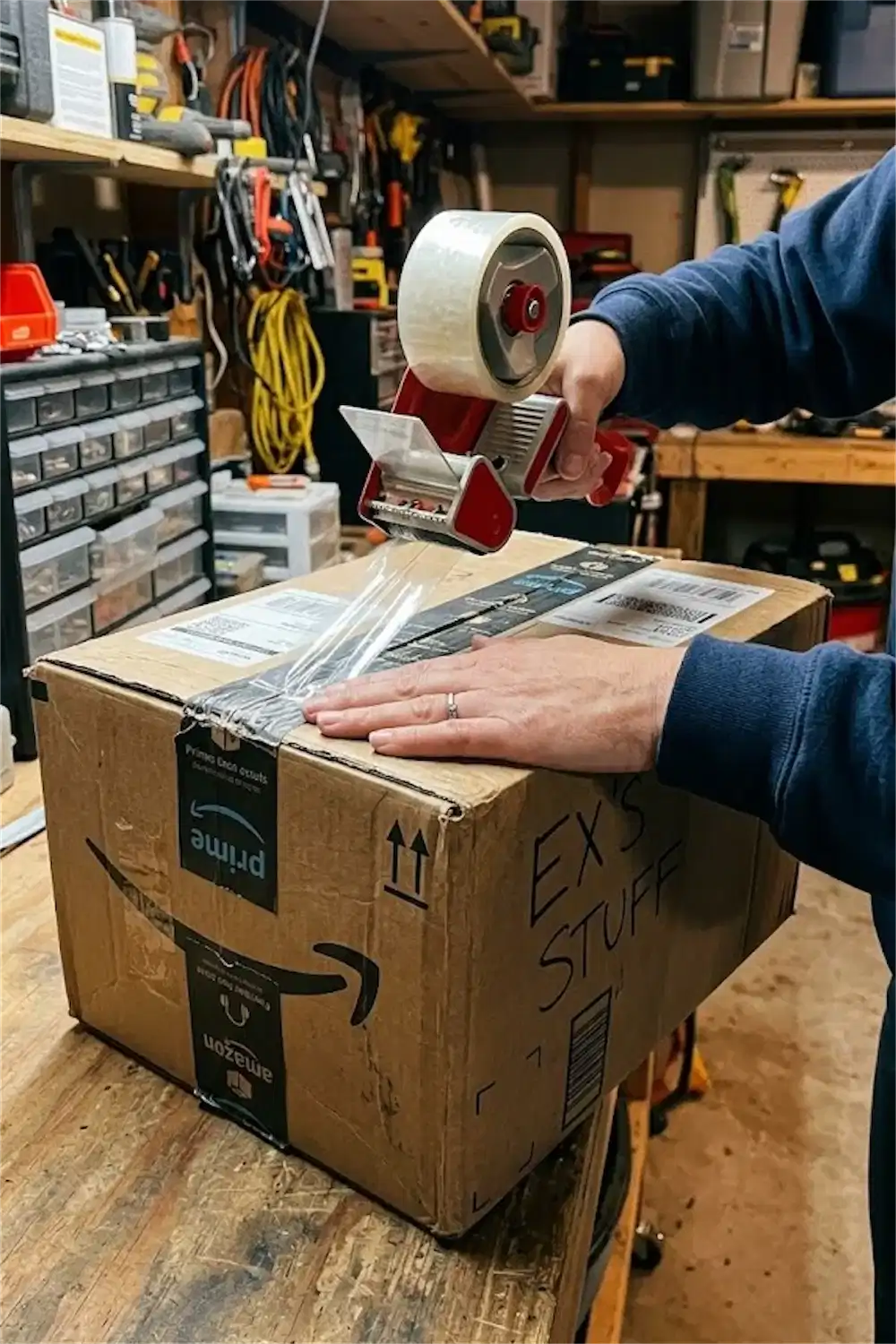
Acceptance does not mean you like what happened or that you agree with the emotional abuse. It simply means you stop wasting your precious energy trying to change the past or a person who lacks the capacity for empathy. During my decade plus of chaos, I lost my hobbies, my friends, and my sense of self. I was constantly ruminating, which is that loop of replaying arguments in your head, trying to find a better way to explain yourself so they would finally understand. Have you ever noticed that the more you explain, the more they use your words against you?
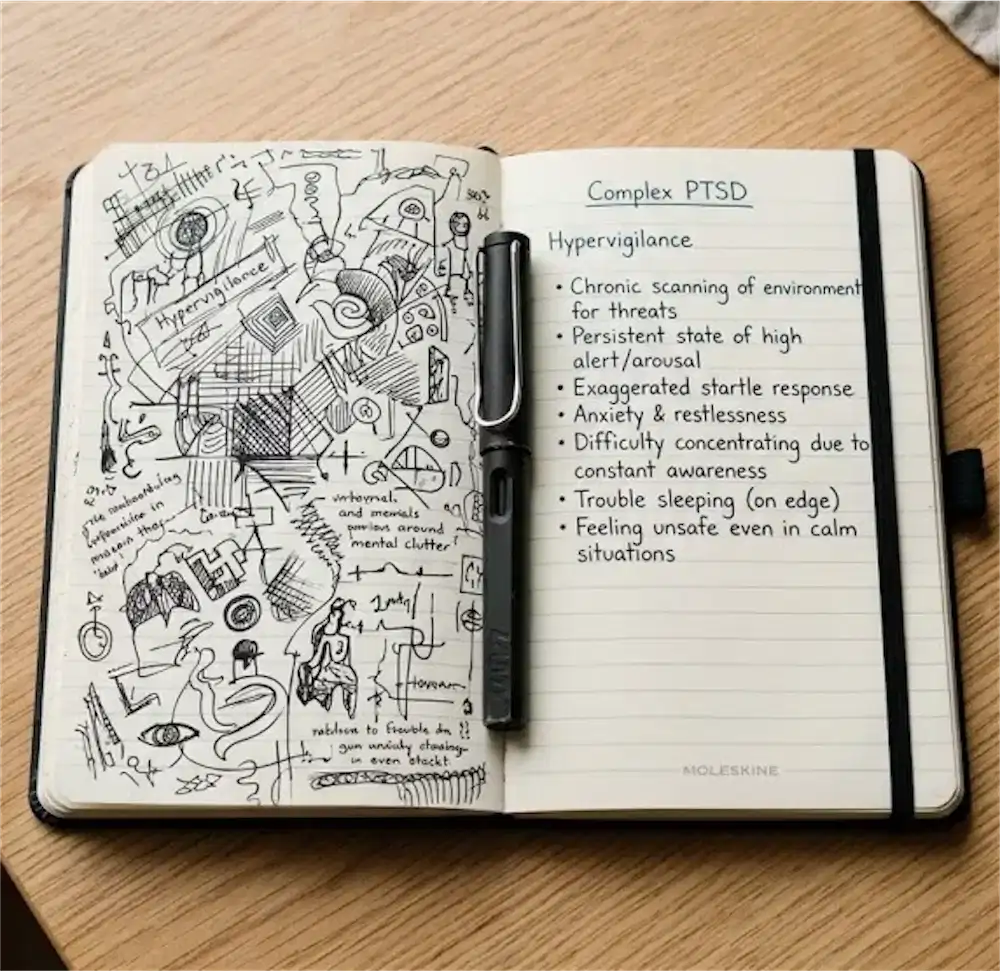
Learning to accept that they are who they are was the hardest part of my trauma informed healing. It felt like giving up at first, but it was actually the moment I started to get my life back. By using specific radical acceptance exercises, I moved from a state of constant hypervigilance to a state of groundedness. I am no longer that isolated, miserable person; I have returned to my original self who is cheerful and optimistic. You can get there too, one step at a time.
What is Radical Acceptance in Abuse Recovery?
Radical acceptance is the practice of seeing reality exactly as it is without trying to fight it or judge it. In a relationship with someone who has NPD or BPD traits, we often live in a state of “if only.” If only they would go to therapy, if only I were more patient, or if only they remembered the love bombing phase. Love bombing is that early part of the relationship where they showered you with intense affection to hook you in. We cling to that version of them, but radical acceptance asks us to look at who they are right now.
When you practice this, you acknowledge that the trauma bond is real and that the person you loved caused you deep pain. A trauma bond is a physical and emotional addiction to the highs and lows of a toxic person. It makes leaving feel like you are going through drug withdrawal. Accepting this reality allows you to stop the “conflict” within your own mind. You stop asking “why did they do this?” and start asking “what do I need to do for myself today?”
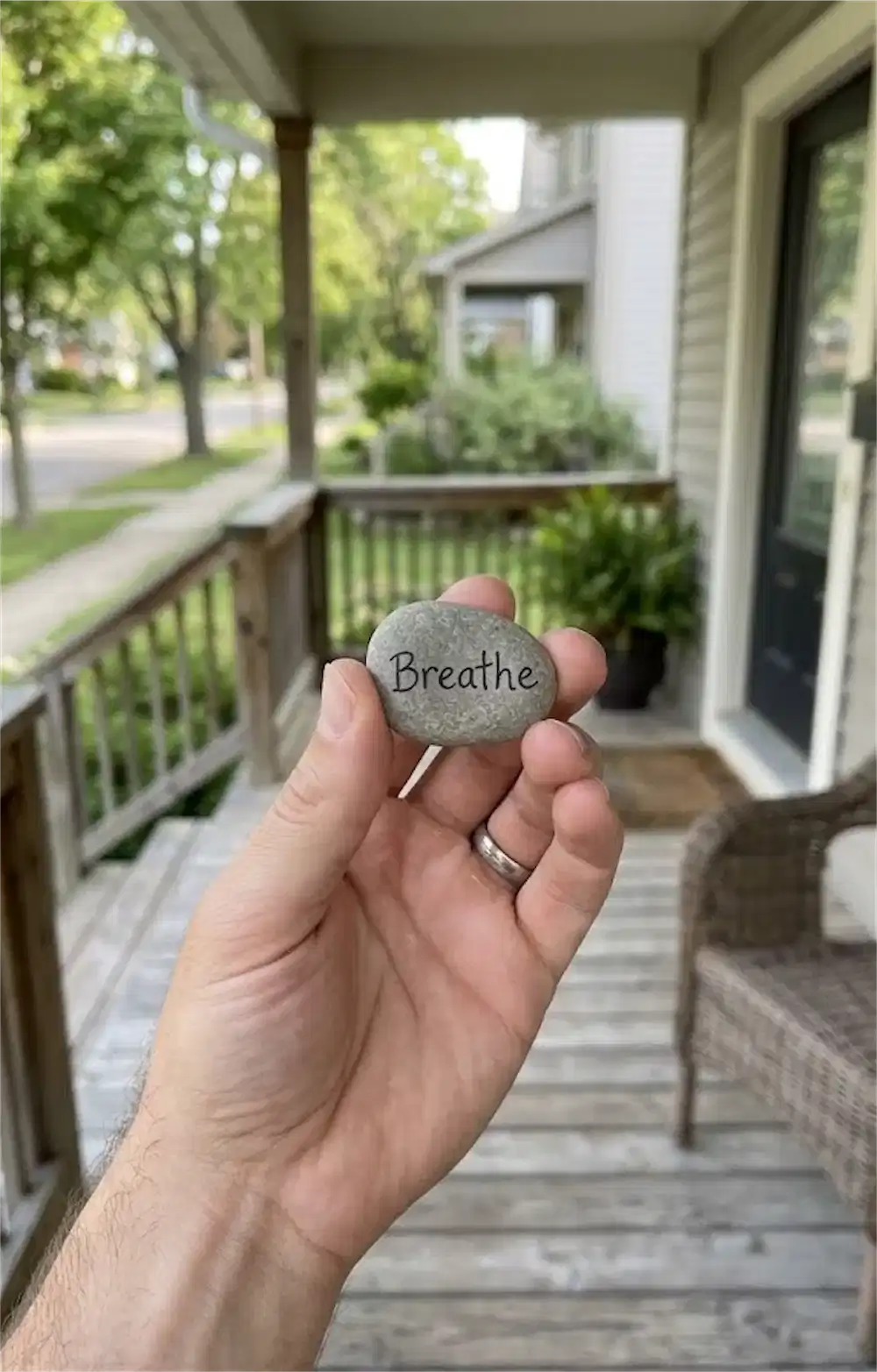
This process is about choosing peace because fighting reality creates suffering. Pain is inevitable when someone hurts you, but suffering is what happens when we refuse to accept that the hurt occurred. I remember sitting in my quiet house after the breakup, feeling the 12 years of weight on my chest. It was only when I said, “This happened, it was terrible, and I cannot change it,” that the weight started to lift. Does it feel like you are carrying a burden that isn’t even yours to carry?
The 12-Year Trap: Why We Resist Peace
Resistance is a survival mechanism. When I was in my toxic relationship, I resisted the truth because the truth was too painful to bear. I didn’t want to admit I had spent a decade with someone who could be so cruel during a discard. The discard is when they suddenly treat you like a stranger or trash after years of intimacy. It feels like your entire world has imploded without warning.
We often stay in conflict because we want closure. We want them to admit what they did or apologize for the smear campaign. A smear campaign is when they tell lies to your friends and family to make you look like the “crazy” one. Waiting for them to tell the truth is like waiting for rain in a desert. Radical acceptance teaches you that you can create your own closure by accepting that they will never give it to you.
Choosing peace means you stop participating in the toxic arguments. You stop trying to defend your character to someone who is committed to misunderstanding you. This is where radical acceptance exercises for peace become essential. They give your brain a new way to process the chaos so you can finally move toward recovery.
If you are struggling to stop the mental loops and the constant need to explain your side of the story, you need a structured plan to reclaim your mind. Taking back your power starts with silencing the noise they left behind in your head.
Practical Radical Acceptance Exercises
Start with body scanning. When you feel the urge to argue or check their social media, stop and feel where the tension is in your body. Is it in your jaw? Your stomach? Trauma often lives in our physical selves, causing things like trauma belly or chronic headaches. By accepting the physical sensation without trying to make it go away, you are practicing radical acceptance.
Another exercise is the “It Is What It Is” Statement. Write down a fact about your situation that you have been fighting. For example: “My ex-partner is unable to be honest with me.” Say it out loud. Notice the resistance that rises up, and then say, “And I am choosing peace anyway.” This shifts the focus from their behavior to your response. It is a vital part of bpd relationship trauma recovery.
Try radical acceptance of the past. Spend five minutes visualizing a painful memory from the relationship. Instead of trying to change the outcome in your mind, imagine yourself standing in that memory and saying, “This happened, and I survived it.” This helps break the trauma bond biochemical addiction that keeps you tethered to the pain. It reminds your nervous system that the danger has passed.
Choosing Peace Over the Need to Be Right

In narcissistic abuse recovery, the need to be “right” can be a trap. We want the world to know the truth about the hoovering tactics. Hoovering is when they try to suck you back into the relationship with false promises or emergencies after you have left. If you focus on proving they are wrong, you stay entangled in their web. Peace comes when you realize that your truth is enough, even if nobody else ever hears it.
When I finally stopped trying to win the “war” of narratives, I found my voice again. I started painting, walking my dog, and reconnecting with the friends I had been forced to leave behind. I realized that my codependency had made me a prisoner to their opinions. Codependency is when we lose ourselves trying to fix or please someone else. Are you tired of living for someone who doesn’t even value themselves?
Choosing peace is a daily decision. It means that when you wake up and the trauma brain fog hits, you accept that today might be a slow day. You don’t beat yourself up for not being “over it” yet. You accept the pace of your healing. This trauma informed approach is what eventually leads you back to that cheerful, grounded version of yourself that you thought was gone forever.
The radical acceptance exercises you practice today are building the foundation for a life free from toxic conflict. You are not just surviving; you are learning how to live again on your own terms. If you want to accelerate this process and stay committed to your sanity, The Radical No-Contact Guide & Workbook provides the structure you need to maintain your boundaries and protect your peace.
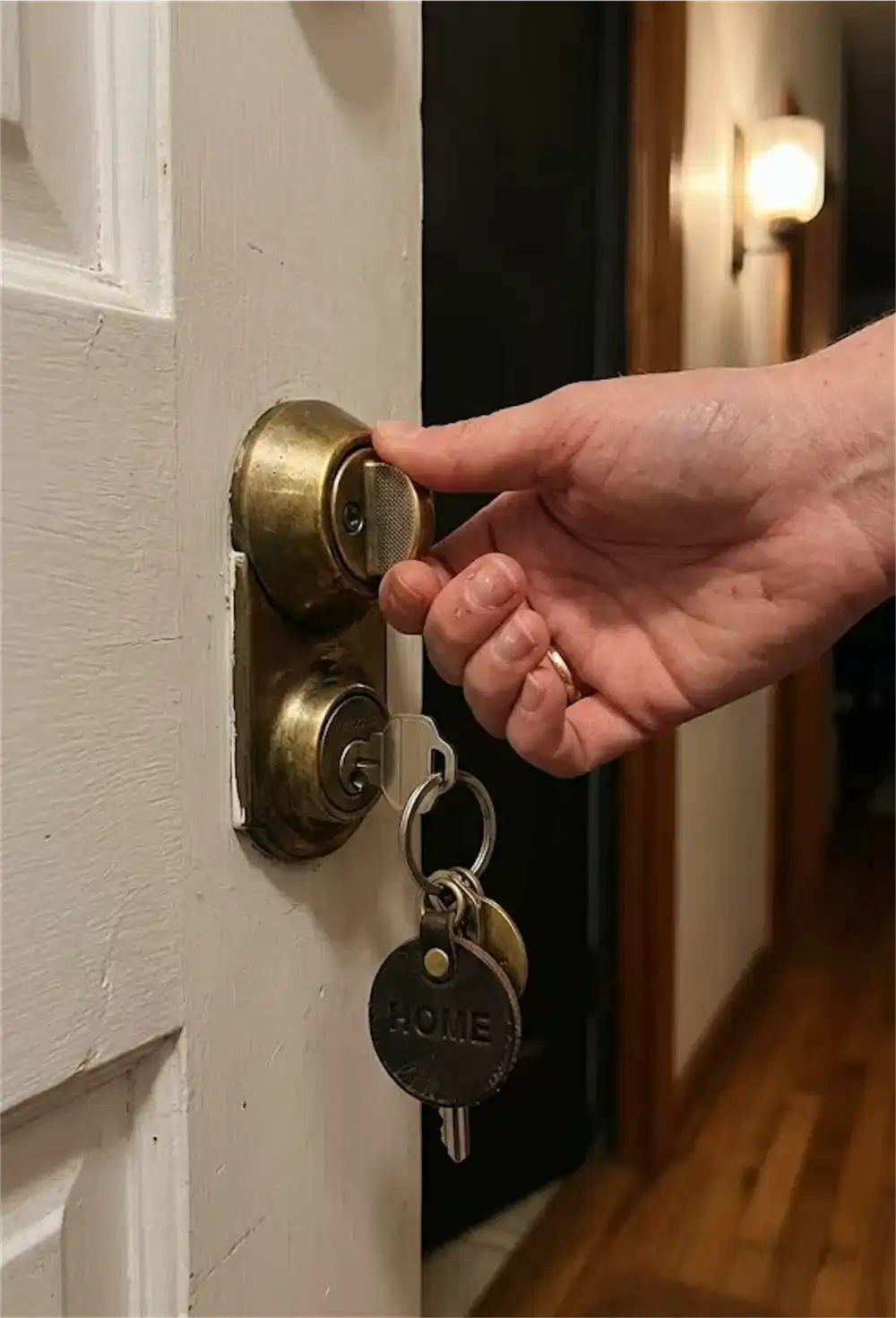
You have the power to walk away from the battlefield. The conflict ends the moment you decide you no longer need to participate. Your original self is waiting for you to come home.

Meet Your Guide
Helen Brooks
After surviving a 12-year NPD/BPD relationship, I dedicated over a decade to studying trauma bonding and nervous system recovery. My mission is to help you break free from the fog and reclaim your authentic self.
Ready to break the trauma bond and reclaim your life?