Self-Forgiveness Prompts for Staying in a Toxic Relationship
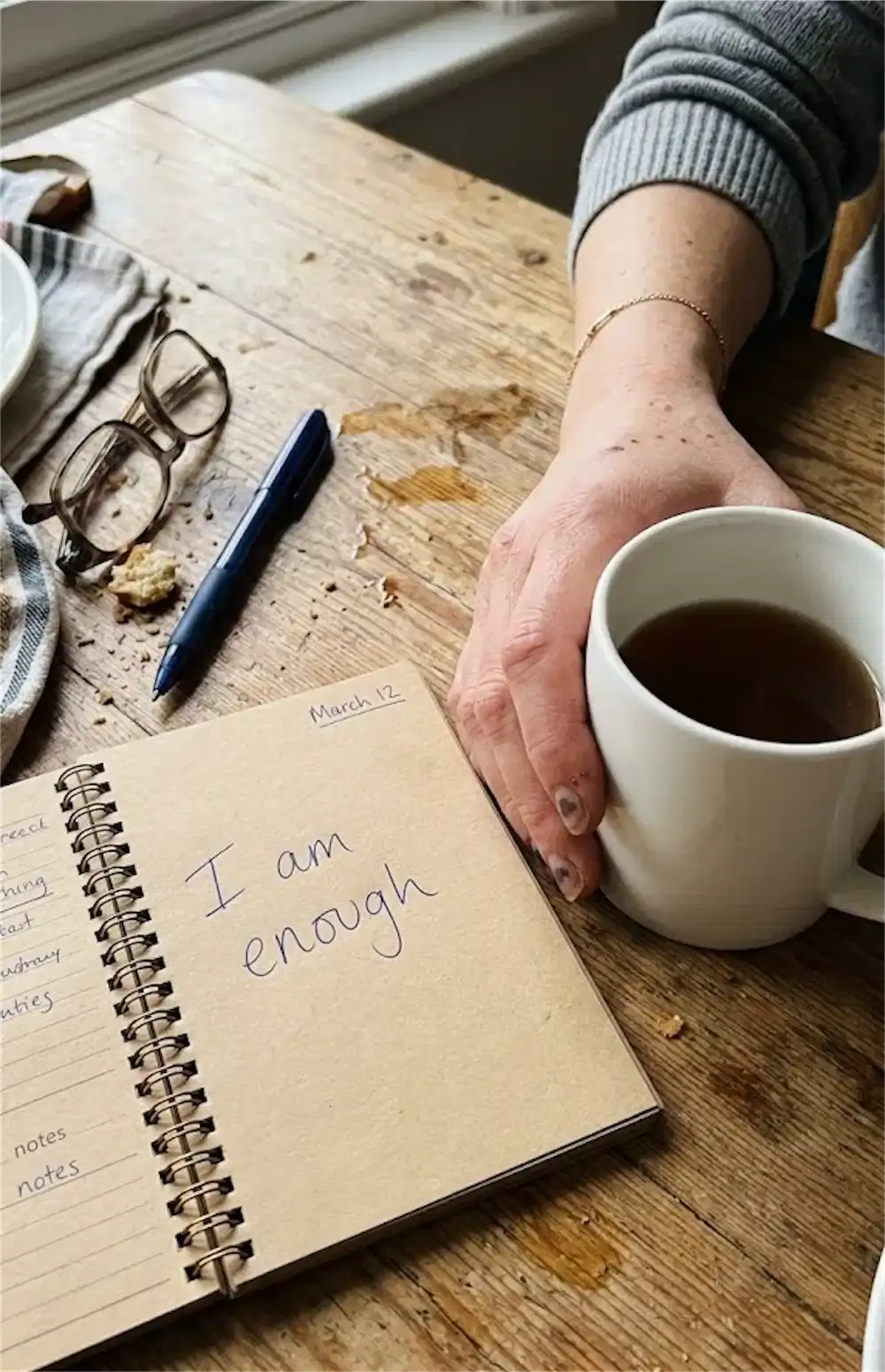
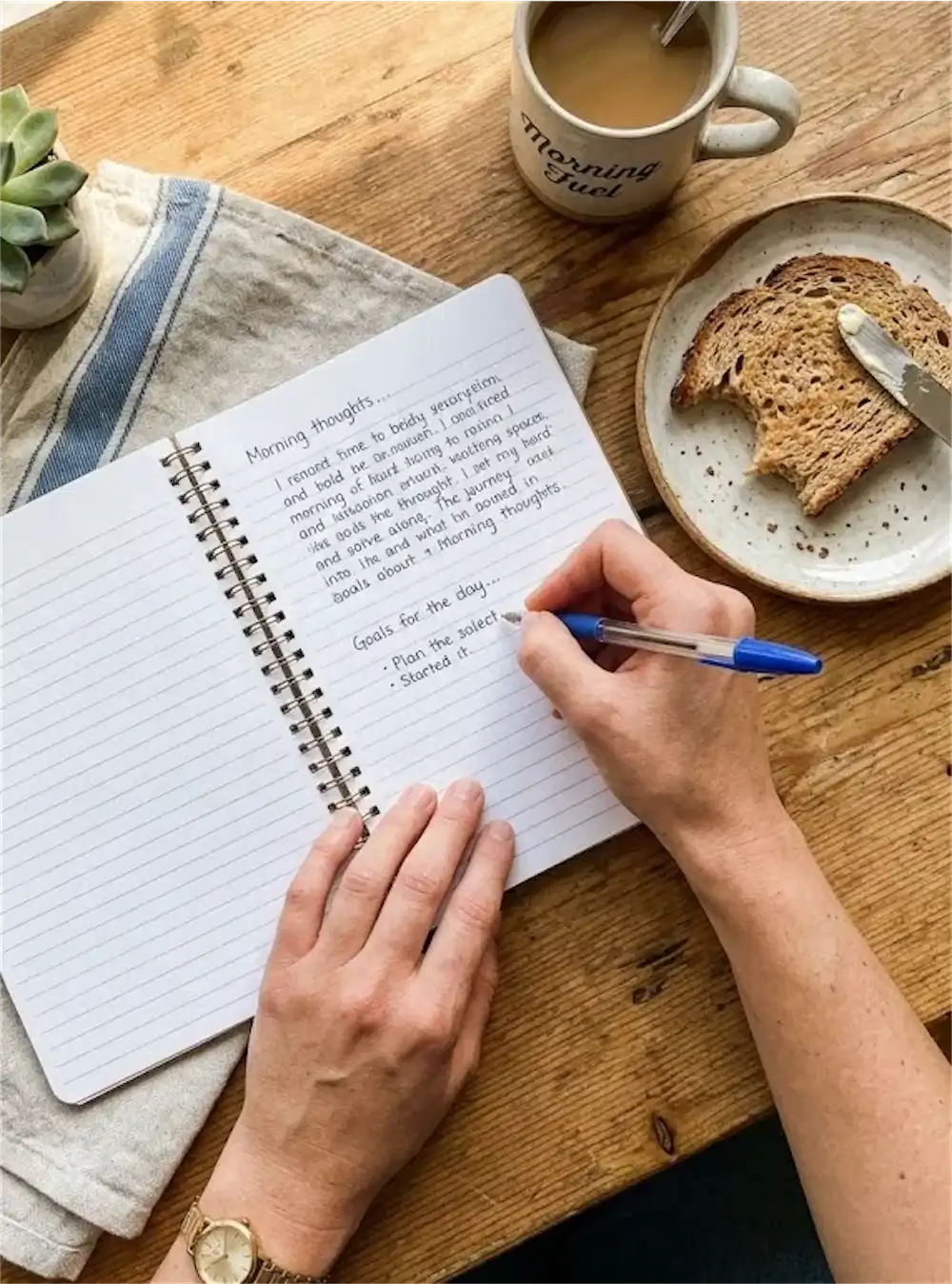
I found that writing these down while having my morning coffee helped me stop the “shame spiral” before it started. I am no longer that isolated person without friends. I am cheerful and grounded again, but it only happened because I stopped punishing myself for a crime I didn’t commit. You didn’t create the toxicity; you just tried to survive it. Forgiving yourself is the final boundary you must set against your past.
If you are still struggling to find your footing, remember that the recovery process is not a straight line. Some days you will feel optimistic, and other days you might miss the chaos. That is normal. To help navigate those difficult days without falling back into old patterns, I highly recommend using The Trauma Bond Recovery Guide & Workbook to keep your focus on your future rather than your regrets.
- If my younger self came to me today for a hug, what would I say to them about the trauma bond they were trapped in?
- What are three things I have learned about my own boundaries because of this experience?
- What is one hobby or personality trait I am “reclaiming” this week that has nothing to do with my ex?
- How did my ability to love and forgive actually show my strength, even if it was used against me?
I found that writing these down while having my morning coffee helped me stop the “shame spiral” before it started. I am no longer that isolated person without friends. I am cheerful and grounded again, but it only happened because I stopped punishing myself for a crime I didn’t commit. You didn’t create the toxicity; you just tried to survive it. Forgiving yourself is the final boundary you must set against your past.
If you are still struggling to find your footing, remember that the recovery process is not a straight line. Some days you will feel optimistic, and other days you might miss the chaos. That is normal. To help navigate those difficult days without falling back into old patterns, I highly recommend using The Trauma Bond Recovery Guide & Workbook to keep your focus on your future rather than your regrets.
If you find yourself stuck in circles of regret, you might need to rebuild self-worth after discard to see that your value never actually left. It was just buried under layers of someone else’s dysfunction. I remember the day I realized my hobbies didn’t die; I just didn’t have the “emotional bandwidth” to carry them and my partner’s moods at the same time. How much of your energy was spent just trying to keep the peace?
If you feel like your brain is literally addicted to the person who hurt you, or you find yourself constantly checking your phone even though you know you shouldn’t, you aren’t failing at recovery. You are experiencing a biological withdrawal that requires a structured plan to overcome.
Letting Go of the “How Could I?” Shame
The “How could I be so blind?” phase is the hardest part of narcissistic abuse recovery. I used to look at photos from year seven or eight of my relationship and feel a physical ache of embarrassment. I saw a person who looked tired, small, and eager to please. But through therapy, I learned that I wasn’t being blind; I was being conditioned. Toxic partners use a technique called hoovering to suck you back in just as you are about to leave. They cry, they promise change, or they have a crisis that triggers your fawn response.
Self-forgiveness means accepting that you made the best decisions you could with the information and the emotional state you had at the time. You cannot judge your past self with the clarity you have today. Today, you are safe. Back then, you were in the middle of a storm. Would you expect someone in a hurricane to have perfectly styled hair and a calm pulse? Of course not. Your only job back then was to survive to the next day.
When you stop the self-blame, you take the power away from the abuser. They want you to feel small and incapable because it makes you easier to control. By choosing to forgive yourself for staying, you are performing an act of rebellion. You are saying that your life has value regardless of the mistakes you made while trying to find love in a desert. How would your life change today if you decided that you’ve already paid enough for your past?
Daily Self-Forgiveness Prompts
Use these prompts when the ruminating thoughts start to take over. Instead of letting your brain replay the worst moments, use these to ground yourself in the present reality of your healing.
- If my younger self came to me today for a hug, what would I say to them about the trauma bond they were trapped in?
- What are three things I have learned about my own boundaries because of this experience?
- What is one hobby or personality trait I am “reclaiming” this week that has nothing to do with my ex?
- How did my ability to love and forgive actually show my strength, even if it was used against me?
I found that writing these down while having my morning coffee helped me stop the “shame spiral” before it started. I am no longer that isolated person without friends. I am cheerful and grounded again, but it only happened because I stopped punishing myself for a crime I didn’t commit. You didn’t create the toxicity; you just tried to survive it. Forgiving yourself is the final boundary you must set against your past.
If you are still struggling to find your footing, remember that the recovery process is not a straight line. Some days you will feel optimistic, and other days you might miss the chaos. That is normal. To help navigate those difficult days without falling back into old patterns, I highly recommend using The Trauma Bond Recovery Guide & Workbook to keep your focus on your future rather than your regrets.
- What was I trying to protect by staying in the relationship for as long as I did?
- In what ways did I show incredible resilience and strength while enduring that environment?
- What specific needs was I trying to meet (love, stability, family) that the other person manipulated?
If you find yourself stuck in circles of regret, you might need to rebuild self-worth after discard to see that your value never actually left. It was just buried under layers of someone else’s dysfunction. I remember the day I realized my hobbies didn’t die; I just didn’t have the “emotional bandwidth” to carry them and my partner’s moods at the same time. How much of your energy was spent just trying to keep the peace?
If you feel like your brain is literally addicted to the person who hurt you, or you find yourself constantly checking your phone even though you know you shouldn’t, you aren’t failing at recovery. You are experiencing a biological withdrawal that requires a structured plan to overcome.
Letting Go of the “How Could I?” Shame
The “How could I be so blind?” phase is the hardest part of narcissistic abuse recovery. I used to look at photos from year seven or eight of my relationship and feel a physical ache of embarrassment. I saw a person who looked tired, small, and eager to please. But through therapy, I learned that I wasn’t being blind; I was being conditioned. Toxic partners use a technique called hoovering to suck you back in just as you are about to leave. They cry, they promise change, or they have a crisis that triggers your fawn response.
Self-forgiveness means accepting that you made the best decisions you could with the information and the emotional state you had at the time. You cannot judge your past self with the clarity you have today. Today, you are safe. Back then, you were in the middle of a storm. Would you expect someone in a hurricane to have perfectly styled hair and a calm pulse? Of course not. Your only job back then was to survive to the next day.
When you stop the self-blame, you take the power away from the abuser. They want you to feel small and incapable because it makes you easier to control. By choosing to forgive yourself for staying, you are performing an act of rebellion. You are saying that your life has value regardless of the mistakes you made while trying to find love in a desert. How would your life change today if you decided that you’ve already paid enough for your past?
Daily Self-Forgiveness Prompts
Use these prompts when the ruminating thoughts start to take over. Instead of letting your brain replay the worst moments, use these to ground yourself in the present reality of your healing.
- If my younger self came to me today for a hug, what would I say to them about the trauma bond they were trapped in?
- What are three things I have learned about my own boundaries because of this experience?
- What is one hobby or personality trait I am “reclaiming” this week that has nothing to do with my ex?
- How did my ability to love and forgive actually show my strength, even if it was used against me?
I found that writing these down while having my morning coffee helped me stop the “shame spiral” before it started. I am no longer that isolated person without friends. I am cheerful and grounded again, but it only happened because I stopped punishing myself for a crime I didn’t commit. You didn’t create the toxicity; you just tried to survive it. Forgiving yourself is the final boundary you must set against your past.
If you are still struggling to find your footing, remember that the recovery process is not a straight line. Some days you will feel optimistic, and other days you might miss the chaos. That is normal. To help navigate those difficult days without falling back into old patterns, I highly recommend using The Trauma Bond Recovery Guide & Workbook to keep your focus on your future rather than your regrets.
- What was I trying to protect by staying in the relationship for as long as I did?
- In what ways did I show incredible resilience and strength while enduring that environment?
- What specific needs was I trying to meet (love, stability, family) that the other person manipulated?
If you find yourself stuck in circles of regret, you might need to rebuild self-worth after discard to see that your value never actually left. It was just buried under layers of someone else’s dysfunction. I remember the day I realized my hobbies didn’t die; I just didn’t have the “emotional bandwidth” to carry them and my partner’s moods at the same time. How much of your energy was spent just trying to keep the peace?
If you feel like your brain is literally addicted to the person who hurt you, or you find yourself constantly checking your phone even though you know you shouldn’t, you aren’t failing at recovery. You are experiencing a biological withdrawal that requires a structured plan to overcome.
Letting Go of the “How Could I?” Shame
The “How could I be so blind?” phase is the hardest part of narcissistic abuse recovery. I used to look at photos from year seven or eight of my relationship and feel a physical ache of embarrassment. I saw a person who looked tired, small, and eager to please. But through therapy, I learned that I wasn’t being blind; I was being conditioned. Toxic partners use a technique called hoovering to suck you back in just as you are about to leave. They cry, they promise change, or they have a crisis that triggers your fawn response.
Self-forgiveness means accepting that you made the best decisions you could with the information and the emotional state you had at the time. You cannot judge your past self with the clarity you have today. Today, you are safe. Back then, you were in the middle of a storm. Would you expect someone in a hurricane to have perfectly styled hair and a calm pulse? Of course not. Your only job back then was to survive to the next day.
When you stop the self-blame, you take the power away from the abuser. They want you to feel small and incapable because it makes you easier to control. By choosing to forgive yourself for staying, you are performing an act of rebellion. You are saying that your life has value regardless of the mistakes you made while trying to find love in a desert. How would your life change today if you decided that you’ve already paid enough for your past?
Daily Self-Forgiveness Prompts
Use these prompts when the ruminating thoughts start to take over. Instead of letting your brain replay the worst moments, use these to ground yourself in the present reality of your healing.
- If my younger self came to me today for a hug, what would I say to them about the trauma bond they were trapped in?
- What are three things I have learned about my own boundaries because of this experience?
- What is one hobby or personality trait I am “reclaiming” this week that has nothing to do with my ex?
- How did my ability to love and forgive actually show my strength, even if it was used against me?
I found that writing these down while having my morning coffee helped me stop the “shame spiral” before it started. I am no longer that isolated person without friends. I am cheerful and grounded again, but it only happened because I stopped punishing myself for a crime I didn’t commit. You didn’t create the toxicity; you just tried to survive it. Forgiving yourself is the final boundary you must set against your past.
If you are still struggling to find your footing, remember that the recovery process is not a straight line. Some days you will feel optimistic, and other days you might miss the chaos. That is normal. To help navigate those difficult days without falling back into old patterns, I highly recommend using The Trauma Bond Recovery Guide & Workbook to keep your focus on your future rather than your regrets.
I found that writing these down while having my morning coffee helped me stop the “shame spiral” before it started. I am no longer that isolated person without friends. I am cheerful and grounded again, but it only happened because I stopped punishing myself for a crime I didn’t commit. You didn’t create the toxicity; you just tried to survive it. Forgiving yourself is the final boundary you must set against your past.
If you are still struggling to find your footing, remember that the recovery process is not a straight line. Some days you will feel optimistic, and other days you might miss the chaos. That is normal. To help navigate those difficult days without falling back into old patterns, I highly recommend using The Trauma Bond Recovery Guide & Workbook to keep your focus on your future rather than your regrets.
- What was I trying to protect by staying in the relationship for as long as I did?
- In what ways did I show incredible resilience and strength while enduring that environment?
- What specific needs was I trying to meet (love, stability, family) that the other person manipulated?
If you find yourself stuck in circles of regret, you might need to rebuild self-worth after discard to see that your value never actually left. It was just buried under layers of someone else’s dysfunction. I remember the day I realized my hobbies didn’t die; I just didn’t have the “emotional bandwidth” to carry them and my partner’s moods at the same time. How much of your energy was spent just trying to keep the peace?
If you feel like your brain is literally addicted to the person who hurt you, or you find yourself constantly checking your phone even though you know you shouldn’t, you aren’t failing at recovery. You are experiencing a biological withdrawal that requires a structured plan to overcome.
Letting Go of the “How Could I?” Shame
The “How could I be so blind?” phase is the hardest part of narcissistic abuse recovery. I used to look at photos from year seven or eight of my relationship and feel a physical ache of embarrassment. I saw a person who looked tired, small, and eager to please. But through therapy, I learned that I wasn’t being blind; I was being conditioned. Toxic partners use a technique called hoovering to suck you back in just as you are about to leave. They cry, they promise change, or they have a crisis that triggers your fawn response.
Self-forgiveness means accepting that you made the best decisions you could with the information and the emotional state you had at the time. You cannot judge your past self with the clarity you have today. Today, you are safe. Back then, you were in the middle of a storm. Would you expect someone in a hurricane to have perfectly styled hair and a calm pulse? Of course not. Your only job back then was to survive to the next day.
When you stop the self-blame, you take the power away from the abuser. They want you to feel small and incapable because it makes you easier to control. By choosing to forgive yourself for staying, you are performing an act of rebellion. You are saying that your life has value regardless of the mistakes you made while trying to find love in a desert. How would your life change today if you decided that you’ve already paid enough for your past?
Daily Self-Forgiveness Prompts
Use these prompts when the ruminating thoughts start to take over. Instead of letting your brain replay the worst moments, use these to ground yourself in the present reality of your healing.
- If my younger self came to me today for a hug, what would I say to them about the trauma bond they were trapped in?
- What are three things I have learned about my own boundaries because of this experience?
- What is one hobby or personality trait I am “reclaiming” this week that has nothing to do with my ex?
- How did my ability to love and forgive actually show my strength, even if it was used against me?
I found that writing these down while having my morning coffee helped me stop the “shame spiral” before it started. I am no longer that isolated person without friends. I am cheerful and grounded again, but it only happened because I stopped punishing myself for a crime I didn’t commit. You didn’t create the toxicity; you just tried to survive it. Forgiving yourself is the final boundary you must set against your past.
If you are still struggling to find your footing, remember that the recovery process is not a straight line. Some days you will feel optimistic, and other days you might miss the chaos. That is normal. To help navigate those difficult days without falling back into old patterns, I highly recommend using The Trauma Bond Recovery Guide & Workbook to keep your focus on your future rather than your regrets.
- If my younger self came to me today for a hug, what would I say to them about the trauma bond they were trapped in?
- What are three things I have learned about my own boundaries because of this experience?
- What is one hobby or personality trait I am “reclaiming” this week that has nothing to do with my ex?
- How did my ability to love and forgive actually show my strength, even if it was used against me?
I found that writing these down while having my morning coffee helped me stop the “shame spiral” before it started. I am no longer that isolated person without friends. I am cheerful and grounded again, but it only happened because I stopped punishing myself for a crime I didn’t commit. You didn’t create the toxicity; you just tried to survive it. Forgiving yourself is the final boundary you must set against your past.
If you are still struggling to find your footing, remember that the recovery process is not a straight line. Some days you will feel optimistic, and other days you might miss the chaos. That is normal. To help navigate those difficult days without falling back into old patterns, I highly recommend using The Trauma Bond Recovery Guide & Workbook to keep your focus on your future rather than your regrets.
- What was I trying to protect by staying in the relationship for as long as I did?
- In what ways did I show incredible resilience and strength while enduring that environment?
- What specific needs was I trying to meet (love, stability, family) that the other person manipulated?
If you find yourself stuck in circles of regret, you might need to rebuild self-worth after discard to see that your value never actually left. It was just buried under layers of someone else’s dysfunction. I remember the day I realized my hobbies didn’t die; I just didn’t have the “emotional bandwidth” to carry them and my partner’s moods at the same time. How much of your energy was spent just trying to keep the peace?
If you feel like your brain is literally addicted to the person who hurt you, or you find yourself constantly checking your phone even though you know you shouldn’t, you aren’t failing at recovery. You are experiencing a biological withdrawal that requires a structured plan to overcome.
Letting Go of the “How Could I?” Shame
The “How could I be so blind?” phase is the hardest part of narcissistic abuse recovery. I used to look at photos from year seven or eight of my relationship and feel a physical ache of embarrassment. I saw a person who looked tired, small, and eager to please. But through therapy, I learned that I wasn’t being blind; I was being conditioned. Toxic partners use a technique called hoovering to suck you back in just as you are about to leave. They cry, they promise change, or they have a crisis that triggers your fawn response.
Self-forgiveness means accepting that you made the best decisions you could with the information and the emotional state you had at the time. You cannot judge your past self with the clarity you have today. Today, you are safe. Back then, you were in the middle of a storm. Would you expect someone in a hurricane to have perfectly styled hair and a calm pulse? Of course not. Your only job back then was to survive to the next day.
When you stop the self-blame, you take the power away from the abuser. They want you to feel small and incapable because it makes you easier to control. By choosing to forgive yourself for staying, you are performing an act of rebellion. You are saying that your life has value regardless of the mistakes you made while trying to find love in a desert. How would your life change today if you decided that you’ve already paid enough for your past?
Daily Self-Forgiveness Prompts
Use these prompts when the ruminating thoughts start to take over. Instead of letting your brain replay the worst moments, use these to ground yourself in the present reality of your healing.
- If my younger self came to me today for a hug, what would I say to them about the trauma bond they were trapped in?
- What are three things I have learned about my own boundaries because of this experience?
- What is one hobby or personality trait I am “reclaiming” this week that has nothing to do with my ex?
- How did my ability to love and forgive actually show my strength, even if it was used against me?
I found that writing these down while having my morning coffee helped me stop the “shame spiral” before it started. I am no longer that isolated person without friends. I am cheerful and grounded again, but it only happened because I stopped punishing myself for a crime I didn’t commit. You didn’t create the toxicity; you just tried to survive it. Forgiving yourself is the final boundary you must set against your past.
If you are still struggling to find your footing, remember that the recovery process is not a straight line. Some days you will feel optimistic, and other days you might miss the chaos. That is normal. To help navigate those difficult days without falling back into old patterns, I highly recommend using The Trauma Bond Recovery Guide & Workbook to keep your focus on your future rather than your regrets.
- If my younger self came to me today for a hug, what would I say to them about the trauma bond they were trapped in?
- What are three things I have learned about my own boundaries because of this experience?
- What is one hobby or personality trait I am “reclaiming” this week that has nothing to do with my ex?
- How did my ability to love and forgive actually show my strength, even if it was used against me?
I found that writing these down while having my morning coffee helped me stop the “shame spiral” before it started. I am no longer that isolated person without friends. I am cheerful and grounded again, but it only happened because I stopped punishing myself for a crime I didn’t commit. You didn’t create the toxicity; you just tried to survive it. Forgiving yourself is the final boundary you must set against your past.
If you are still struggling to find your footing, remember that the recovery process is not a straight line. Some days you will feel optimistic, and other days you might miss the chaos. That is normal. To help navigate those difficult days without falling back into old patterns, I highly recommend using The Trauma Bond Recovery Guide & Workbook to keep your focus on your future rather than your regrets.
- What was I trying to protect by staying in the relationship for as long as I did?
- In what ways did I show incredible resilience and strength while enduring that environment?
- What specific needs was I trying to meet (love, stability, family) that the other person manipulated?
If you find yourself stuck in circles of regret, you might need to rebuild self-worth after discard to see that your value never actually left. It was just buried under layers of someone else’s dysfunction. I remember the day I realized my hobbies didn’t die; I just didn’t have the “emotional bandwidth” to carry them and my partner’s moods at the same time. How much of your energy was spent just trying to keep the peace?
If you feel like your brain is literally addicted to the person who hurt you, or you find yourself constantly checking your phone even though you know you shouldn’t, you aren’t failing at recovery. You are experiencing a biological withdrawal that requires a structured plan to overcome.
Letting Go of the “How Could I?” Shame
The “How could I be so blind?” phase is the hardest part of narcissistic abuse recovery. I used to look at photos from year seven or eight of my relationship and feel a physical ache of embarrassment. I saw a person who looked tired, small, and eager to please. But through therapy, I learned that I wasn’t being blind; I was being conditioned. Toxic partners use a technique called hoovering to suck you back in just as you are about to leave. They cry, they promise change, or they have a crisis that triggers your fawn response.
Self-forgiveness means accepting that you made the best decisions you could with the information and the emotional state you had at the time. You cannot judge your past self with the clarity you have today. Today, you are safe. Back then, you were in the middle of a storm. Would you expect someone in a hurricane to have perfectly styled hair and a calm pulse? Of course not. Your only job back then was to survive to the next day.
When you stop the self-blame, you take the power away from the abuser. They want you to feel small and incapable because it makes you easier to control. By choosing to forgive yourself for staying, you are performing an act of rebellion. You are saying that your life has value regardless of the mistakes you made while trying to find love in a desert. How would your life change today if you decided that you’ve already paid enough for your past?
Daily Self-Forgiveness Prompts
Use these prompts when the ruminating thoughts start to take over. Instead of letting your brain replay the worst moments, use these to ground yourself in the present reality of your healing.
- If my younger self came to me today for a hug, what would I say to them about the trauma bond they were trapped in?
- What are three things I have learned about my own boundaries because of this experience?
- What is one hobby or personality trait I am “reclaiming” this week that has nothing to do with my ex?
- How did my ability to love and forgive actually show my strength, even if it was used against me?
I found that writing these down while having my morning coffee helped me stop the “shame spiral” before it started. I am no longer that isolated person without friends. I am cheerful and grounded again, but it only happened because I stopped punishing myself for a crime I didn’t commit. You didn’t create the toxicity; you just tried to survive it. Forgiving yourself is the final boundary you must set against your past.
If you are still struggling to find your footing, remember that the recovery process is not a straight line. Some days you will feel optimistic, and other days you might miss the chaos. That is normal. To help navigate those difficult days without falling back into old patterns, I highly recommend using The Trauma Bond Recovery Guide & Workbook to keep your focus on your future rather than your regrets.
If you find yourself stuck in circles of regret, you might need to rebuild self-worth after discard to see that your value never actually left. It was just buried under layers of someone else’s dysfunction. I remember the day I realized my hobbies didn’t die; I just didn’t have the “emotional bandwidth” to carry them and my partner’s moods at the same time. How much of your energy was spent just trying to keep the peace?
If you feel like your brain is literally addicted to the person who hurt you, or you find yourself constantly checking your phone even though you know you shouldn’t, you aren’t failing at recovery. You are experiencing a biological withdrawal that requires a structured plan to overcome.
Letting Go of the “How Could I?” Shame
The “How could I be so blind?” phase is the hardest part of narcissistic abuse recovery. I used to look at photos from year seven or eight of my relationship and feel a physical ache of embarrassment. I saw a person who looked tired, small, and eager to please. But through therapy, I learned that I wasn’t being blind; I was being conditioned. Toxic partners use a technique called hoovering to suck you back in just as you are about to leave. They cry, they promise change, or they have a crisis that triggers your fawn response.
Self-forgiveness means accepting that you made the best decisions you could with the information and the emotional state you had at the time. You cannot judge your past self with the clarity you have today. Today, you are safe. Back then, you were in the middle of a storm. Would you expect someone in a hurricane to have perfectly styled hair and a calm pulse? Of course not. Your only job back then was to survive to the next day.
When you stop the self-blame, you take the power away from the abuser. They want you to feel small and incapable because it makes you easier to control. By choosing to forgive yourself for staying, you are performing an act of rebellion. You are saying that your life has value regardless of the mistakes you made while trying to find love in a desert. How would your life change today if you decided that you’ve already paid enough for your past?
Daily Self-Forgiveness Prompts
Use these prompts when the ruminating thoughts start to take over. Instead of letting your brain replay the worst moments, use these to ground yourself in the present reality of your healing.
- If my younger self came to me today for a hug, what would I say to them about the trauma bond they were trapped in?
- What are three things I have learned about my own boundaries because of this experience?
- What is one hobby or personality trait I am “reclaiming” this week that has nothing to do with my ex?
- How did my ability to love and forgive actually show my strength, even if it was used against me?
I found that writing these down while having my morning coffee helped me stop the “shame spiral” before it started. I am no longer that isolated person without friends. I am cheerful and grounded again, but it only happened because I stopped punishing myself for a crime I didn’t commit. You didn’t create the toxicity; you just tried to survive it. Forgiving yourself is the final boundary you must set against your past.
If you are still struggling to find your footing, remember that the recovery process is not a straight line. Some days you will feel optimistic, and other days you might miss the chaos. That is normal. To help navigate those difficult days without falling back into old patterns, I highly recommend using The Trauma Bond Recovery Guide & Workbook to keep your focus on your future rather than your regrets.
- What was I trying to protect by staying in the relationship for as long as I did?
- In what ways did I show incredible resilience and strength while enduring that environment?
- What specific needs was I trying to meet (love, stability, family) that the other person manipulated?
If you find yourself stuck in circles of regret, you might need to rebuild self-worth after discard to see that your value never actually left. It was just buried under layers of someone else’s dysfunction. I remember the day I realized my hobbies didn’t die; I just didn’t have the “emotional bandwidth” to carry them and my partner’s moods at the same time. How much of your energy was spent just trying to keep the peace?
If you feel like your brain is literally addicted to the person who hurt you, or you find yourself constantly checking your phone even though you know you shouldn’t, you aren’t failing at recovery. You are experiencing a biological withdrawal that requires a structured plan to overcome.
Letting Go of the “How Could I?” Shame
The “How could I be so blind?” phase is the hardest part of narcissistic abuse recovery. I used to look at photos from year seven or eight of my relationship and feel a physical ache of embarrassment. I saw a person who looked tired, small, and eager to please. But through therapy, I learned that I wasn’t being blind; I was being conditioned. Toxic partners use a technique called hoovering to suck you back in just as you are about to leave. They cry, they promise change, or they have a crisis that triggers your fawn response.
Self-forgiveness means accepting that you made the best decisions you could with the information and the emotional state you had at the time. You cannot judge your past self with the clarity you have today. Today, you are safe. Back then, you were in the middle of a storm. Would you expect someone in a hurricane to have perfectly styled hair and a calm pulse? Of course not. Your only job back then was to survive to the next day.
When you stop the self-blame, you take the power away from the abuser. They want you to feel small and incapable because it makes you easier to control. By choosing to forgive yourself for staying, you are performing an act of rebellion. You are saying that your life has value regardless of the mistakes you made while trying to find love in a desert. How would your life change today if you decided that you’ve already paid enough for your past?
Daily Self-Forgiveness Prompts
Use these prompts when the ruminating thoughts start to take over. Instead of letting your brain replay the worst moments, use these to ground yourself in the present reality of your healing.
- If my younger self came to me today for a hug, what would I say to them about the trauma bond they were trapped in?
- What are three things I have learned about my own boundaries because of this experience?
- What is one hobby or personality trait I am “reclaiming” this week that has nothing to do with my ex?
- How did my ability to love and forgive actually show my strength, even if it was used against me?
I found that writing these down while having my morning coffee helped me stop the “shame spiral” before it started. I am no longer that isolated person without friends. I am cheerful and grounded again, but it only happened because I stopped punishing myself for a crime I didn’t commit. You didn’t create the toxicity; you just tried to survive it. Forgiving yourself is the final boundary you must set against your past.
If you are still struggling to find your footing, remember that the recovery process is not a straight line. Some days you will feel optimistic, and other days you might miss the chaos. That is normal. To help navigate those difficult days without falling back into old patterns, I highly recommend using The Trauma Bond Recovery Guide & Workbook to keep your focus on your future rather than your regrets.
- What was I trying to protect by staying in the relationship for as long as I did?
- In what ways did I show incredible resilience and strength while enduring that environment?
- What specific needs was I trying to meet (love, stability, family) that the other person manipulated?
If you find yourself stuck in circles of regret, you might need to rebuild self-worth after discard to see that your value never actually left. It was just buried under layers of someone else’s dysfunction. I remember the day I realized my hobbies didn’t die; I just didn’t have the “emotional bandwidth” to carry them and my partner’s moods at the same time. How much of your energy was spent just trying to keep the peace?
If you feel like your brain is literally addicted to the person who hurt you, or you find yourself constantly checking your phone even though you know you shouldn’t, you aren’t failing at recovery. You are experiencing a biological withdrawal that requires a structured plan to overcome.
Letting Go of the “How Could I?” Shame
The “How could I be so blind?” phase is the hardest part of narcissistic abuse recovery. I used to look at photos from year seven or eight of my relationship and feel a physical ache of embarrassment. I saw a person who looked tired, small, and eager to please. But through therapy, I learned that I wasn’t being blind; I was being conditioned. Toxic partners use a technique called hoovering to suck you back in just as you are about to leave. They cry, they promise change, or they have a crisis that triggers your fawn response.
Self-forgiveness means accepting that you made the best decisions you could with the information and the emotional state you had at the time. You cannot judge your past self with the clarity you have today. Today, you are safe. Back then, you were in the middle of a storm. Would you expect someone in a hurricane to have perfectly styled hair and a calm pulse? Of course not. Your only job back then was to survive to the next day.
When you stop the self-blame, you take the power away from the abuser. They want you to feel small and incapable because it makes you easier to control. By choosing to forgive yourself for staying, you are performing an act of rebellion. You are saying that your life has value regardless of the mistakes you made while trying to find love in a desert. How would your life change today if you decided that you’ve already paid enough for your past?
Daily Self-Forgiveness Prompts
Use these prompts when the ruminating thoughts start to take over. Instead of letting your brain replay the worst moments, use these to ground yourself in the present reality of your healing.
- If my younger self came to me today for a hug, what would I say to them about the trauma bond they were trapped in?
- What are three things I have learned about my own boundaries because of this experience?
- What is one hobby or personality trait I am “reclaiming” this week that has nothing to do with my ex?
- How did my ability to love and forgive actually show my strength, even if it was used against me?
I found that writing these down while having my morning coffee helped me stop the “shame spiral” before it started. I am no longer that isolated person without friends. I am cheerful and grounded again, but it only happened because I stopped punishing myself for a crime I didn’t commit. You didn’t create the toxicity; you just tried to survive it. Forgiving yourself is the final boundary you must set against your past.
If you are still struggling to find your footing, remember that the recovery process is not a straight line. Some days you will feel optimistic, and other days you might miss the chaos. That is normal. To help navigate those difficult days without falling back into old patterns, I highly recommend using The Trauma Bond Recovery Guide & Workbook to keep your focus on your future rather than your regrets.
- What was I trying to protect by staying in the relationship for as long as I did?
- In what ways did I show incredible resilience and strength while enduring that environment?
- What specific needs was I trying to meet (love, stability, family) that the other person manipulated?
If you find yourself stuck in circles of regret, you might need to rebuild self-worth after discard to see that your value never actually left. It was just buried under layers of someone else’s dysfunction. I remember the day I realized my hobbies didn’t die; I just didn’t have the “emotional bandwidth” to carry them and my partner’s moods at the same time. How much of your energy was spent just trying to keep the peace?
If you feel like your brain is literally addicted to the person who hurt you, or you find yourself constantly checking your phone even though you know you shouldn’t, you aren’t failing at recovery. You are experiencing a biological withdrawal that requires a structured plan to overcome.
Letting Go of the “How Could I?” Shame
The “How could I be so blind?” phase is the hardest part of narcissistic abuse recovery. I used to look at photos from year seven or eight of my relationship and feel a physical ache of embarrassment. I saw a person who looked tired, small, and eager to please. But through therapy, I learned that I wasn’t being blind; I was being conditioned. Toxic partners use a technique called hoovering to suck you back in just as you are about to leave. They cry, they promise change, or they have a crisis that triggers your fawn response.
Self-forgiveness means accepting that you made the best decisions you could with the information and the emotional state you had at the time. You cannot judge your past self with the clarity you have today. Today, you are safe. Back then, you were in the middle of a storm. Would you expect someone in a hurricane to have perfectly styled hair and a calm pulse? Of course not. Your only job back then was to survive to the next day.
When you stop the self-blame, you take the power away from the abuser. They want you to feel small and incapable because it makes you easier to control. By choosing to forgive yourself for staying, you are performing an act of rebellion. You are saying that your life has value regardless of the mistakes you made while trying to find love in a desert. How would your life change today if you decided that you’ve already paid enough for your past?
Daily Self-Forgiveness Prompts
Use these prompts when the ruminating thoughts start to take over. Instead of letting your brain replay the worst moments, use these to ground yourself in the present reality of your healing.
- If my younger self came to me today for a hug, what would I say to them about the trauma bond they were trapped in?
- What are three things I have learned about my own boundaries because of this experience?
- What is one hobby or personality trait I am “reclaiming” this week that has nothing to do with my ex?
- How did my ability to love and forgive actually show my strength, even if it was used against me?
I found that writing these down while having my morning coffee helped me stop the “shame spiral” before it started. I am no longer that isolated person without friends. I am cheerful and grounded again, but it only happened because I stopped punishing myself for a crime I didn’t commit. You didn’t create the toxicity; you just tried to survive it. Forgiving yourself is the final boundary you must set against your past.
If you are still struggling to find your footing, remember that the recovery process is not a straight line. Some days you will feel optimistic, and other days you might miss the chaos. That is normal. To help navigate those difficult days without falling back into old patterns, I highly recommend using The Trauma Bond Recovery Guide & Workbook to keep your focus on your future rather than your regrets.
I found that writing these down while having my morning coffee helped me stop the “shame spiral” before it started. I am no longer that isolated person without friends. I am cheerful and grounded again, but it only happened because I stopped punishing myself for a crime I didn’t commit. You didn’t create the toxicity; you just tried to survive it. Forgiving yourself is the final boundary you must set against your past.
If you are still struggling to find your footing, remember that the recovery process is not a straight line. Some days you will feel optimistic, and other days you might miss the chaos. That is normal. To help navigate those difficult days without falling back into old patterns, I highly recommend using The Trauma Bond Recovery Guide & Workbook to keep your focus on your future rather than your regrets.
- What was I trying to protect by staying in the relationship for as long as I did?
- In what ways did I show incredible resilience and strength while enduring that environment?
- What specific needs was I trying to meet (love, stability, family) that the other person manipulated?
If you find yourself stuck in circles of regret, you might need to rebuild self-worth after discard to see that your value never actually left. It was just buried under layers of someone else’s dysfunction. I remember the day I realized my hobbies didn’t die; I just didn’t have the “emotional bandwidth” to carry them and my partner’s moods at the same time. How much of your energy was spent just trying to keep the peace?
If you feel like your brain is literally addicted to the person who hurt you, or you find yourself constantly checking your phone even though you know you shouldn’t, you aren’t failing at recovery. You are experiencing a biological withdrawal that requires a structured plan to overcome.
Letting Go of the “How Could I?” Shame
The “How could I be so blind?” phase is the hardest part of narcissistic abuse recovery. I used to look at photos from year seven or eight of my relationship and feel a physical ache of embarrassment. I saw a person who looked tired, small, and eager to please. But through therapy, I learned that I wasn’t being blind; I was being conditioned. Toxic partners use a technique called hoovering to suck you back in just as you are about to leave. They cry, they promise change, or they have a crisis that triggers your fawn response.
Self-forgiveness means accepting that you made the best decisions you could with the information and the emotional state you had at the time. You cannot judge your past self with the clarity you have today. Today, you are safe. Back then, you were in the middle of a storm. Would you expect someone in a hurricane to have perfectly styled hair and a calm pulse? Of course not. Your only job back then was to survive to the next day.
When you stop the self-blame, you take the power away from the abuser. They want you to feel small and incapable because it makes you easier to control. By choosing to forgive yourself for staying, you are performing an act of rebellion. You are saying that your life has value regardless of the mistakes you made while trying to find love in a desert. How would your life change today if you decided that you’ve already paid enough for your past?
Daily Self-Forgiveness Prompts
Use these prompts when the ruminating thoughts start to take over. Instead of letting your brain replay the worst moments, use these to ground yourself in the present reality of your healing.
- If my younger self came to me today for a hug, what would I say to them about the trauma bond they were trapped in?
- What are three things I have learned about my own boundaries because of this experience?
- What is one hobby or personality trait I am “reclaiming” this week that has nothing to do with my ex?
- How did my ability to love and forgive actually show my strength, even if it was used against me?
I found that writing these down while having my morning coffee helped me stop the “shame spiral” before it started. I am no longer that isolated person without friends. I am cheerful and grounded again, but it only happened because I stopped punishing myself for a crime I didn’t commit. You didn’t create the toxicity; you just tried to survive it. Forgiving yourself is the final boundary you must set against your past.
If you are still struggling to find your footing, remember that the recovery process is not a straight line. Some days you will feel optimistic, and other days you might miss the chaos. That is normal. To help navigate those difficult days without falling back into old patterns, I highly recommend using The Trauma Bond Recovery Guide & Workbook to keep your focus on your future rather than your regrets.
- What was I trying to protect by staying in the relationship for as long as I did?
- In what ways did I show incredible resilience and strength while enduring that environment?
- What specific needs was I trying to meet (love, stability, family) that the other person manipulated?
If you find yourself stuck in circles of regret, you might need to rebuild self-worth after discard to see that your value never actually left. It was just buried under layers of someone else’s dysfunction. I remember the day I realized my hobbies didn’t die; I just didn’t have the “emotional bandwidth” to carry them and my partner’s moods at the same time. How much of your energy was spent just trying to keep the peace?
If you feel like your brain is literally addicted to the person who hurt you, or you find yourself constantly checking your phone even though you know you shouldn’t, you aren’t failing at recovery. You are experiencing a biological withdrawal that requires a structured plan to overcome.
Letting Go of the “How Could I?” Shame
The “How could I be so blind?” phase is the hardest part of narcissistic abuse recovery. I used to look at photos from year seven or eight of my relationship and feel a physical ache of embarrassment. I saw a person who looked tired, small, and eager to please. But through therapy, I learned that I wasn’t being blind; I was being conditioned. Toxic partners use a technique called hoovering to suck you back in just as you are about to leave. They cry, they promise change, or they have a crisis that triggers your fawn response.
Self-forgiveness means accepting that you made the best decisions you could with the information and the emotional state you had at the time. You cannot judge your past self with the clarity you have today. Today, you are safe. Back then, you were in the middle of a storm. Would you expect someone in a hurricane to have perfectly styled hair and a calm pulse? Of course not. Your only job back then was to survive to the next day.
When you stop the self-blame, you take the power away from the abuser. They want you to feel small and incapable because it makes you easier to control. By choosing to forgive yourself for staying, you are performing an act of rebellion. You are saying that your life has value regardless of the mistakes you made while trying to find love in a desert. How would your life change today if you decided that you’ve already paid enough for your past?
Daily Self-Forgiveness Prompts
Use these prompts when the ruminating thoughts start to take over. Instead of letting your brain replay the worst moments, use these to ground yourself in the present reality of your healing.
- If my younger self came to me today for a hug, what would I say to them about the trauma bond they were trapped in?
- What are three things I have learned about my own boundaries because of this experience?
- What is one hobby or personality trait I am “reclaiming” this week that has nothing to do with my ex?
- How did my ability to love and forgive actually show my strength, even if it was used against me?
I found that writing these down while having my morning coffee helped me stop the “shame spiral” before it started. I am no longer that isolated person without friends. I am cheerful and grounded again, but it only happened because I stopped punishing myself for a crime I didn’t commit. You didn’t create the toxicity; you just tried to survive it. Forgiving yourself is the final boundary you must set against your past.
If you are still struggling to find your footing, remember that the recovery process is not a straight line. Some days you will feel optimistic, and other days you might miss the chaos. That is normal. To help navigate those difficult days without falling back into old patterns, I highly recommend using The Trauma Bond Recovery Guide & Workbook to keep your focus on your future rather than your regrets.
- If my younger self came to me today for a hug, what would I say to them about the trauma bond they were trapped in?
- What are three things I have learned about my own boundaries because of this experience?
- What is one hobby or personality trait I am “reclaiming” this week that has nothing to do with my ex?
- How did my ability to love and forgive actually show my strength, even if it was used against me?
I found that writing these down while having my morning coffee helped me stop the “shame spiral” before it started. I am no longer that isolated person without friends. I am cheerful and grounded again, but it only happened because I stopped punishing myself for a crime I didn’t commit. You didn’t create the toxicity; you just tried to survive it. Forgiving yourself is the final boundary you must set against your past.
If you are still struggling to find your footing, remember that the recovery process is not a straight line. Some days you will feel optimistic, and other days you might miss the chaos. That is normal. To help navigate those difficult days without falling back into old patterns, I highly recommend using The Trauma Bond Recovery Guide & Workbook to keep your focus on your future rather than your regrets.
- What was I trying to protect by staying in the relationship for as long as I did?
- In what ways did I show incredible resilience and strength while enduring that environment?
- What specific needs was I trying to meet (love, stability, family) that the other person manipulated?
If you find yourself stuck in circles of regret, you might need to rebuild self-worth after discard to see that your value never actually left. It was just buried under layers of someone else’s dysfunction. I remember the day I realized my hobbies didn’t die; I just didn’t have the “emotional bandwidth” to carry them and my partner’s moods at the same time. How much of your energy was spent just trying to keep the peace?
If you feel like your brain is literally addicted to the person who hurt you, or you find yourself constantly checking your phone even though you know you shouldn’t, you aren’t failing at recovery. You are experiencing a biological withdrawal that requires a structured plan to overcome.
Letting Go of the “How Could I?” Shame
The “How could I be so blind?” phase is the hardest part of narcissistic abuse recovery. I used to look at photos from year seven or eight of my relationship and feel a physical ache of embarrassment. I saw a person who looked tired, small, and eager to please. But through therapy, I learned that I wasn’t being blind; I was being conditioned. Toxic partners use a technique called hoovering to suck you back in just as you are about to leave. They cry, they promise change, or they have a crisis that triggers your fawn response.
Self-forgiveness means accepting that you made the best decisions you could with the information and the emotional state you had at the time. You cannot judge your past self with the clarity you have today. Today, you are safe. Back then, you were in the middle of a storm. Would you expect someone in a hurricane to have perfectly styled hair and a calm pulse? Of course not. Your only job back then was to survive to the next day.
When you stop the self-blame, you take the power away from the abuser. They want you to feel small and incapable because it makes you easier to control. By choosing to forgive yourself for staying, you are performing an act of rebellion. You are saying that your life has value regardless of the mistakes you made while trying to find love in a desert. How would your life change today if you decided that you’ve already paid enough for your past?
Daily Self-Forgiveness Prompts
Use these prompts when the ruminating thoughts start to take over. Instead of letting your brain replay the worst moments, use these to ground yourself in the present reality of your healing.
- If my younger self came to me today for a hug, what would I say to them about the trauma bond they were trapped in?
- What are three things I have learned about my own boundaries because of this experience?
- What is one hobby or personality trait I am “reclaiming” this week that has nothing to do with my ex?
- How did my ability to love and forgive actually show my strength, even if it was used against me?
I found that writing these down while having my morning coffee helped me stop the “shame spiral” before it started. I am no longer that isolated person without friends. I am cheerful and grounded again, but it only happened because I stopped punishing myself for a crime I didn’t commit. You didn’t create the toxicity; you just tried to survive it. Forgiving yourself is the final boundary you must set against your past.
If you are still struggling to find your footing, remember that the recovery process is not a straight line. Some days you will feel optimistic, and other days you might miss the chaos. That is normal. To help navigate those difficult days without falling back into old patterns, I highly recommend using The Trauma Bond Recovery Guide & Workbook to keep your focus on your future rather than your regrets.
- What was I trying to protect by staying in the relationship for as long as I did?
- In what ways did I show incredible resilience and strength while enduring that environment?
- What specific needs was I trying to meet (love, stability, family) that the other person manipulated?
If you find yourself stuck in circles of regret, you might need to rebuild self-worth after discard to see that your value never actually left. It was just buried under layers of someone else’s dysfunction. I remember the day I realized my hobbies didn’t die; I just didn’t have the “emotional bandwidth” to carry them and my partner’s moods at the same time. How much of your energy was spent just trying to keep the peace?
If you feel like your brain is literally addicted to the person who hurt you, or you find yourself constantly checking your phone even though you know you shouldn’t, you aren’t failing at recovery. You are experiencing a biological withdrawal that requires a structured plan to overcome.
Letting Go of the “How Could I?” Shame
The “How could I be so blind?” phase is the hardest part of narcissistic abuse recovery. I used to look at photos from year seven or eight of my relationship and feel a physical ache of embarrassment. I saw a person who looked tired, small, and eager to please. But through therapy, I learned that I wasn’t being blind; I was being conditioned. Toxic partners use a technique called hoovering to suck you back in just as you are about to leave. They cry, they promise change, or they have a crisis that triggers your fawn response.
Self-forgiveness means accepting that you made the best decisions you could with the information and the emotional state you had at the time. You cannot judge your past self with the clarity you have today. Today, you are safe. Back then, you were in the middle of a storm. Would you expect someone in a hurricane to have perfectly styled hair and a calm pulse? Of course not. Your only job back then was to survive to the next day.
When you stop the self-blame, you take the power away from the abuser. They want you to feel small and incapable because it makes you easier to control. By choosing to forgive yourself for staying, you are performing an act of rebellion. You are saying that your life has value regardless of the mistakes you made while trying to find love in a desert. How would your life change today if you decided that you’ve already paid enough for your past?
Daily Self-Forgiveness Prompts
Use these prompts when the ruminating thoughts start to take over. Instead of letting your brain replay the worst moments, use these to ground yourself in the present reality of your healing.
- If my younger self came to me today for a hug, what would I say to them about the trauma bond they were trapped in?
- What are three things I have learned about my own boundaries because of this experience?
- What is one hobby or personality trait I am “reclaiming” this week that has nothing to do with my ex?
- How did my ability to love and forgive actually show my strength, even if it was used against me?
I found that writing these down while having my morning coffee helped me stop the “shame spiral” before it started. I am no longer that isolated person without friends. I am cheerful and grounded again, but it only happened because I stopped punishing myself for a crime I didn’t commit. You didn’t create the toxicity; you just tried to survive it. Forgiving yourself is the final boundary you must set against your past.
If you are still struggling to find your footing, remember that the recovery process is not a straight line. Some days you will feel optimistic, and other days you might miss the chaos. That is normal. To help navigate those difficult days without falling back into old patterns, I highly recommend using The Trauma Bond Recovery Guide & Workbook to keep your focus on your future rather than your regrets.
- If my younger self came to me today for a hug, what would I say to them about the trauma bond they were trapped in?
- What are three things I have learned about my own boundaries because of this experience?
- What is one hobby or personality trait I am “reclaiming” this week that has nothing to do with my ex?
- How did my ability to love and forgive actually show my strength, even if it was used against me?
I found that writing these down while having my morning coffee helped me stop the “shame spiral” before it started. I am no longer that isolated person without friends. I am cheerful and grounded again, but it only happened because I stopped punishing myself for a crime I didn’t commit. You didn’t create the toxicity; you just tried to survive it. Forgiving yourself is the final boundary you must set against your past.
If you are still struggling to find your footing, remember that the recovery process is not a straight line. Some days you will feel optimistic, and other days you might miss the chaos. That is normal. To help navigate those difficult days without falling back into old patterns, I highly recommend using The Trauma Bond Recovery Guide & Workbook to keep your focus on your future rather than your regrets.
- What was I trying to protect by staying in the relationship for as long as I did?
- In what ways did I show incredible resilience and strength while enduring that environment?
- What specific needs was I trying to meet (love, stability, family) that the other person manipulated?
If you find yourself stuck in circles of regret, you might need to rebuild self-worth after discard to see that your value never actually left. It was just buried under layers of someone else’s dysfunction. I remember the day I realized my hobbies didn’t die; I just didn’t have the “emotional bandwidth” to carry them and my partner’s moods at the same time. How much of your energy was spent just trying to keep the peace?
If you feel like your brain is literally addicted to the person who hurt you, or you find yourself constantly checking your phone even though you know you shouldn’t, you aren’t failing at recovery. You are experiencing a biological withdrawal that requires a structured plan to overcome.
Letting Go of the “How Could I?” Shame
The “How could I be so blind?” phase is the hardest part of narcissistic abuse recovery. I used to look at photos from year seven or eight of my relationship and feel a physical ache of embarrassment. I saw a person who looked tired, small, and eager to please. But through therapy, I learned that I wasn’t being blind; I was being conditioned. Toxic partners use a technique called hoovering to suck you back in just as you are about to leave. They cry, they promise change, or they have a crisis that triggers your fawn response.
Self-forgiveness means accepting that you made the best decisions you could with the information and the emotional state you had at the time. You cannot judge your past self with the clarity you have today. Today, you are safe. Back then, you were in the middle of a storm. Would you expect someone in a hurricane to have perfectly styled hair and a calm pulse? Of course not. Your only job back then was to survive to the next day.
When you stop the self-blame, you take the power away from the abuser. They want you to feel small and incapable because it makes you easier to control. By choosing to forgive yourself for staying, you are performing an act of rebellion. You are saying that your life has value regardless of the mistakes you made while trying to find love in a desert. How would your life change today if you decided that you’ve already paid enough for your past?
Daily Self-Forgiveness Prompts
Use these prompts when the ruminating thoughts start to take over. Instead of letting your brain replay the worst moments, use these to ground yourself in the present reality of your healing.
- If my younger self came to me today for a hug, what would I say to them about the trauma bond they were trapped in?
- What are three things I have learned about my own boundaries because of this experience?
- What is one hobby or personality trait I am “reclaiming” this week that has nothing to do with my ex?
- How did my ability to love and forgive actually show my strength, even if it was used against me?
I found that writing these down while having my morning coffee helped me stop the “shame spiral” before it started. I am no longer that isolated person without friends. I am cheerful and grounded again, but it only happened because I stopped punishing myself for a crime I didn’t commit. You didn’t create the toxicity; you just tried to survive it. Forgiving yourself is the final boundary you must set against your past.
If you are still struggling to find your footing, remember that the recovery process is not a straight line. Some days you will feel optimistic, and other days you might miss the chaos. That is normal. To help navigate those difficult days without falling back into old patterns, I highly recommend using The Trauma Bond Recovery Guide & Workbook to keep your focus on your future rather than your regrets.
- What was I trying to protect by staying in the relationship for as long as I did?
- In what ways did I show incredible resilience and strength while enduring that environment?
- What specific needs was I trying to meet (love, stability, family) that the other person manipulated?
If you find yourself stuck in circles of regret, you might need to rebuild self-worth after discard to see that your value never actually left. It was just buried under layers of someone else’s dysfunction. I remember the day I realized my hobbies didn’t die; I just didn’t have the “emotional bandwidth” to carry them and my partner’s moods at the same time. How much of your energy was spent just trying to keep the peace?
If you feel like your brain is literally addicted to the person who hurt you, or you find yourself constantly checking your phone even though you know you shouldn’t, you aren’t failing at recovery. You are experiencing a biological withdrawal that requires a structured plan to overcome.
Letting Go of the “How Could I?” Shame
The “How could I be so blind?” phase is the hardest part of narcissistic abuse recovery. I used to look at photos from year seven or eight of my relationship and feel a physical ache of embarrassment. I saw a person who looked tired, small, and eager to please. But through therapy, I learned that I wasn’t being blind; I was being conditioned. Toxic partners use a technique called hoovering to suck you back in just as you are about to leave. They cry, they promise change, or they have a crisis that triggers your fawn response.
Self-forgiveness means accepting that you made the best decisions you could with the information and the emotional state you had at the time. You cannot judge your past self with the clarity you have today. Today, you are safe. Back then, you were in the middle of a storm. Would you expect someone in a hurricane to have perfectly styled hair and a calm pulse? Of course not. Your only job back then was to survive to the next day.
When you stop the self-blame, you take the power away from the abuser. They want you to feel small and incapable because it makes you easier to control. By choosing to forgive yourself for staying, you are performing an act of rebellion. You are saying that your life has value regardless of the mistakes you made while trying to find love in a desert. How would your life change today if you decided that you’ve already paid enough for your past?
Daily Self-Forgiveness Prompts
Use these prompts when the ruminating thoughts start to take over. Instead of letting your brain replay the worst moments, use these to ground yourself in the present reality of your healing.
- If my younger self came to me today for a hug, what would I say to them about the trauma bond they were trapped in?
- What are three things I have learned about my own boundaries because of this experience?
- What is one hobby or personality trait I am “reclaiming” this week that has nothing to do with my ex?
- How did my ability to love and forgive actually show my strength, even if it was used against me?
I found that writing these down while having my morning coffee helped me stop the “shame spiral” before it started. I am no longer that isolated person without friends. I am cheerful and grounded again, but it only happened because I stopped punishing myself for a crime I didn’t commit. You didn’t create the toxicity; you just tried to survive it. Forgiving yourself is the final boundary you must set against your past.
If you are still struggling to find your footing, remember that the recovery process is not a straight line. Some days you will feel optimistic, and other days you might miss the chaos. That is normal. To help navigate those difficult days without falling back into old patterns, I highly recommend using The Trauma Bond Recovery Guide & Workbook to keep your focus on your future rather than your regrets.
If you find yourself stuck in circles of regret, you might need to rebuild self-worth after discard to see that your value never actually left. It was just buried under layers of someone else’s dysfunction. I remember the day I realized my hobbies didn’t die; I just didn’t have the “emotional bandwidth” to carry them and my partner’s moods at the same time. How much of your energy was spent just trying to keep the peace?
If you feel like your brain is literally addicted to the person who hurt you, or you find yourself constantly checking your phone even though you know you shouldn’t, you aren’t failing at recovery. You are experiencing a biological withdrawal that requires a structured plan to overcome.
Letting Go of the “How Could I?” Shame
The “How could I be so blind?” phase is the hardest part of narcissistic abuse recovery. I used to look at photos from year seven or eight of my relationship and feel a physical ache of embarrassment. I saw a person who looked tired, small, and eager to please. But through therapy, I learned that I wasn’t being blind; I was being conditioned. Toxic partners use a technique called hoovering to suck you back in just as you are about to leave. They cry, they promise change, or they have a crisis that triggers your fawn response.
Self-forgiveness means accepting that you made the best decisions you could with the information and the emotional state you had at the time. You cannot judge your past self with the clarity you have today. Today, you are safe. Back then, you were in the middle of a storm. Would you expect someone in a hurricane to have perfectly styled hair and a calm pulse? Of course not. Your only job back then was to survive to the next day.
When you stop the self-blame, you take the power away from the abuser. They want you to feel small and incapable because it makes you easier to control. By choosing to forgive yourself for staying, you are performing an act of rebellion. You are saying that your life has value regardless of the mistakes you made while trying to find love in a desert. How would your life change today if you decided that you’ve already paid enough for your past?
Daily Self-Forgiveness Prompts
Use these prompts when the ruminating thoughts start to take over. Instead of letting your brain replay the worst moments, use these to ground yourself in the present reality of your healing.
- If my younger self came to me today for a hug, what would I say to them about the trauma bond they were trapped in?
- What are three things I have learned about my own boundaries because of this experience?
- What is one hobby or personality trait I am “reclaiming” this week that has nothing to do with my ex?
- How did my ability to love and forgive actually show my strength, even if it was used against me?
I found that writing these down while having my morning coffee helped me stop the “shame spiral” before it started. I am no longer that isolated person without friends. I am cheerful and grounded again, but it only happened because I stopped punishing myself for a crime I didn’t commit. You didn’t create the toxicity; you just tried to survive it. Forgiving yourself is the final boundary you must set against your past.
If you are still struggling to find your footing, remember that the recovery process is not a straight line. Some days you will feel optimistic, and other days you might miss the chaos. That is normal. To help navigate those difficult days without falling back into old patterns, I highly recommend using The Trauma Bond Recovery Guide & Workbook to keep your focus on your future rather than your regrets.
- What was I trying to protect by staying in the relationship for as long as I did?
- In what ways did I show incredible resilience and strength while enduring that environment?
- What specific needs was I trying to meet (love, stability, family) that the other person manipulated?
If you find yourself stuck in circles of regret, you might need to rebuild self-worth after discard to see that your value never actually left. It was just buried under layers of someone else’s dysfunction. I remember the day I realized my hobbies didn’t die; I just didn’t have the “emotional bandwidth” to carry them and my partner’s moods at the same time. How much of your energy was spent just trying to keep the peace?
If you feel like your brain is literally addicted to the person who hurt you, or you find yourself constantly checking your phone even though you know you shouldn’t, you aren’t failing at recovery. You are experiencing a biological withdrawal that requires a structured plan to overcome.
Letting Go of the “How Could I?” Shame
The “How could I be so blind?” phase is the hardest part of narcissistic abuse recovery. I used to look at photos from year seven or eight of my relationship and feel a physical ache of embarrassment. I saw a person who looked tired, small, and eager to please. But through therapy, I learned that I wasn’t being blind; I was being conditioned. Toxic partners use a technique called hoovering to suck you back in just as you are about to leave. They cry, they promise change, or they have a crisis that triggers your fawn response.
Self-forgiveness means accepting that you made the best decisions you could with the information and the emotional state you had at the time. You cannot judge your past self with the clarity you have today. Today, you are safe. Back then, you were in the middle of a storm. Would you expect someone in a hurricane to have perfectly styled hair and a calm pulse? Of course not. Your only job back then was to survive to the next day.
When you stop the self-blame, you take the power away from the abuser. They want you to feel small and incapable because it makes you easier to control. By choosing to forgive yourself for staying, you are performing an act of rebellion. You are saying that your life has value regardless of the mistakes you made while trying to find love in a desert. How would your life change today if you decided that you’ve already paid enough for your past?
Daily Self-Forgiveness Prompts
Use these prompts when the ruminating thoughts start to take over. Instead of letting your brain replay the worst moments, use these to ground yourself in the present reality of your healing.
- If my younger self came to me today for a hug, what would I say to them about the trauma bond they were trapped in?
- What are three things I have learned about my own boundaries because of this experience?
- What is one hobby or personality trait I am “reclaiming” this week that has nothing to do with my ex?
- How did my ability to love and forgive actually show my strength, even if it was used against me?
I found that writing these down while having my morning coffee helped me stop the “shame spiral” before it started. I am no longer that isolated person without friends. I am cheerful and grounded again, but it only happened because I stopped punishing myself for a crime I didn’t commit. You didn’t create the toxicity; you just tried to survive it. Forgiving yourself is the final boundary you must set against your past.
If you are still struggling to find your footing, remember that the recovery process is not a straight line. Some days you will feel optimistic, and other days you might miss the chaos. That is normal. To help navigate those difficult days without falling back into old patterns, I highly recommend using The Trauma Bond Recovery Guide & Workbook to keep your focus on your future rather than your regrets.
- What was I trying to protect by staying in the relationship for as long as I did?
- In what ways did I show incredible resilience and strength while enduring that environment?
- What specific needs was I trying to meet (love, stability, family) that the other person manipulated?
If you find yourself stuck in circles of regret, you might need to rebuild self-worth after discard to see that your value never actually left. It was just buried under layers of someone else’s dysfunction. I remember the day I realized my hobbies didn’t die; I just didn’t have the “emotional bandwidth” to carry them and my partner’s moods at the same time. How much of your energy was spent just trying to keep the peace?
If you feel like your brain is literally addicted to the person who hurt you, or you find yourself constantly checking your phone even though you know you shouldn’t, you aren’t failing at recovery. You are experiencing a biological withdrawal that requires a structured plan to overcome.
Letting Go of the “How Could I?” Shame
The “How could I be so blind?” phase is the hardest part of narcissistic abuse recovery. I used to look at photos from year seven or eight of my relationship and feel a physical ache of embarrassment. I saw a person who looked tired, small, and eager to please. But through therapy, I learned that I wasn’t being blind; I was being conditioned. Toxic partners use a technique called hoovering to suck you back in just as you are about to leave. They cry, they promise change, or they have a crisis that triggers your fawn response.
Self-forgiveness means accepting that you made the best decisions you could with the information and the emotional state you had at the time. You cannot judge your past self with the clarity you have today. Today, you are safe. Back then, you were in the middle of a storm. Would you expect someone in a hurricane to have perfectly styled hair and a calm pulse? Of course not. Your only job back then was to survive to the next day.
When you stop the self-blame, you take the power away from the abuser. They want you to feel small and incapable because it makes you easier to control. By choosing to forgive yourself for staying, you are performing an act of rebellion. You are saying that your life has value regardless of the mistakes you made while trying to find love in a desert. How would your life change today if you decided that you’ve already paid enough for your past?
Daily Self-Forgiveness Prompts
Use these prompts when the ruminating thoughts start to take over. Instead of letting your brain replay the worst moments, use these to ground yourself in the present reality of your healing.
- If my younger self came to me today for a hug, what would I say to them about the trauma bond they were trapped in?
- What are three things I have learned about my own boundaries because of this experience?
- What is one hobby or personality trait I am “reclaiming” this week that has nothing to do with my ex?
- How did my ability to love and forgive actually show my strength, even if it was used against me?
I found that writing these down while having my morning coffee helped me stop the “shame spiral” before it started. I am no longer that isolated person without friends. I am cheerful and grounded again, but it only happened because I stopped punishing myself for a crime I didn’t commit. You didn’t create the toxicity; you just tried to survive it. Forgiving yourself is the final boundary you must set against your past.
If you are still struggling to find your footing, remember that the recovery process is not a straight line. Some days you will feel optimistic, and other days you might miss the chaos. That is normal. To help navigate those difficult days without falling back into old patterns, I highly recommend using The Trauma Bond Recovery Guide & Workbook to keep your focus on your future rather than your regrets.
I found that writing these down while having my morning coffee helped me stop the “shame spiral” before it started. I am no longer that isolated person without friends. I am cheerful and grounded again, but it only happened because I stopped punishing myself for a crime I didn’t commit. You didn’t create the toxicity; you just tried to survive it. Forgiving yourself is the final boundary you must set against your past.
If you are still struggling to find your footing, remember that the recovery process is not a straight line. Some days you will feel optimistic, and other days you might miss the chaos. That is normal. To help navigate those difficult days without falling back into old patterns, I highly recommend using The Trauma Bond Recovery Guide & Workbook to keep your focus on your future rather than your regrets.
If you find yourself stuck in circles of regret, you might need to rebuild self-worth after discard to see that your value never actually left. It was just buried under layers of someone else’s dysfunction. I remember the day I realized my hobbies didn’t die; I just didn’t have the “emotional bandwidth” to carry them and my partner’s moods at the same time. How much of your energy was spent just trying to keep the peace?
If you feel like your brain is literally addicted to the person who hurt you, or you find yourself constantly checking your phone even though you know you shouldn’t, you aren’t failing at recovery. You are experiencing a biological withdrawal that requires a structured plan to overcome.
Letting Go of the “How Could I?” Shame
The “How could I be so blind?” phase is the hardest part of narcissistic abuse recovery. I used to look at photos from year seven or eight of my relationship and feel a physical ache of embarrassment. I saw a person who looked tired, small, and eager to please. But through therapy, I learned that I wasn’t being blind; I was being conditioned. Toxic partners use a technique called hoovering to suck you back in just as you are about to leave. They cry, they promise change, or they have a crisis that triggers your fawn response.
Self-forgiveness means accepting that you made the best decisions you could with the information and the emotional state you had at the time. You cannot judge your past self with the clarity you have today. Today, you are safe. Back then, you were in the middle of a storm. Would you expect someone in a hurricane to have perfectly styled hair and a calm pulse? Of course not. Your only job back then was to survive to the next day.
When you stop the self-blame, you take the power away from the abuser. They want you to feel small and incapable because it makes you easier to control. By choosing to forgive yourself for staying, you are performing an act of rebellion. You are saying that your life has value regardless of the mistakes you made while trying to find love in a desert. How would your life change today if you decided that you’ve already paid enough for your past?
Daily Self-Forgiveness Prompts
Use these prompts when the ruminating thoughts start to take over. Instead of letting your brain replay the worst moments, use these to ground yourself in the present reality of your healing.
- If my younger self came to me today for a hug, what would I say to them about the trauma bond they were trapped in?
- What are three things I have learned about my own boundaries because of this experience?
- What is one hobby or personality trait I am “reclaiming” this week that has nothing to do with my ex?
- How did my ability to love and forgive actually show my strength, even if it was used against me?
I found that writing these down while having my morning coffee helped me stop the “shame spiral” before it started. I am no longer that isolated person without friends. I am cheerful and grounded again, but it only happened because I stopped punishing myself for a crime I didn’t commit. You didn’t create the toxicity; you just tried to survive it. Forgiving yourself is the final boundary you must set against your past.
If you are still struggling to find your footing, remember that the recovery process is not a straight line. Some days you will feel optimistic, and other days you might miss the chaos. That is normal. To help navigate those difficult days without falling back into old patterns, I highly recommend using The Trauma Bond Recovery Guide & Workbook to keep your focus on your future rather than your regrets.
- What was I trying to protect by staying in the relationship for as long as I did?
- In what ways did I show incredible resilience and strength while enduring that environment?
- What specific needs was I trying to meet (love, stability, family) that the other person manipulated?
If you find yourself stuck in circles of regret, you might need to rebuild self-worth after discard to see that your value never actually left. It was just buried under layers of someone else’s dysfunction. I remember the day I realized my hobbies didn’t die; I just didn’t have the “emotional bandwidth” to carry them and my partner’s moods at the same time. How much of your energy was spent just trying to keep the peace?
If you feel like your brain is literally addicted to the person who hurt you, or you find yourself constantly checking your phone even though you know you shouldn’t, you aren’t failing at recovery. You are experiencing a biological withdrawal that requires a structured plan to overcome.
Letting Go of the “How Could I?” Shame
The “How could I be so blind?” phase is the hardest part of narcissistic abuse recovery. I used to look at photos from year seven or eight of my relationship and feel a physical ache of embarrassment. I saw a person who looked tired, small, and eager to please. But through therapy, I learned that I wasn’t being blind; I was being conditioned. Toxic partners use a technique called hoovering to suck you back in just as you are about to leave. They cry, they promise change, or they have a crisis that triggers your fawn response.
Self-forgiveness means accepting that you made the best decisions you could with the information and the emotional state you had at the time. You cannot judge your past self with the clarity you have today. Today, you are safe. Back then, you were in the middle of a storm. Would you expect someone in a hurricane to have perfectly styled hair and a calm pulse? Of course not. Your only job back then was to survive to the next day.
When you stop the self-blame, you take the power away from the abuser. They want you to feel small and incapable because it makes you easier to control. By choosing to forgive yourself for staying, you are performing an act of rebellion. You are saying that your life has value regardless of the mistakes you made while trying to find love in a desert. How would your life change today if you decided that you’ve already paid enough for your past?
Daily Self-Forgiveness Prompts
Use these prompts when the ruminating thoughts start to take over. Instead of letting your brain replay the worst moments, use these to ground yourself in the present reality of your healing.
- If my younger self came to me today for a hug, what would I say to them about the trauma bond they were trapped in?
- What are three things I have learned about my own boundaries because of this experience?
- What is one hobby or personality trait I am “reclaiming” this week that has nothing to do with my ex?
- How did my ability to love and forgive actually show my strength, even if it was used against me?
I found that writing these down while having my morning coffee helped me stop the “shame spiral” before it started. I am no longer that isolated person without friends. I am cheerful and grounded again, but it only happened because I stopped punishing myself for a crime I didn’t commit. You didn’t create the toxicity; you just tried to survive it. Forgiving yourself is the final boundary you must set against your past.
If you are still struggling to find your footing, remember that the recovery process is not a straight line. Some days you will feel optimistic, and other days you might miss the chaos. That is normal. To help navigate those difficult days without falling back into old patterns, I highly recommend using The Trauma Bond Recovery Guide & Workbook to keep your focus on your future rather than your regrets.
- What was I trying to protect by staying in the relationship for as long as I did?
- In what ways did I show incredible resilience and strength while enduring that environment?
- What specific needs was I trying to meet (love, stability, family) that the other person manipulated?
If you find yourself stuck in circles of regret, you might need to rebuild self-worth after discard to see that your value never actually left. It was just buried under layers of someone else’s dysfunction. I remember the day I realized my hobbies didn’t die; I just didn’t have the “emotional bandwidth” to carry them and my partner’s moods at the same time. How much of your energy was spent just trying to keep the peace?
If you feel like your brain is literally addicted to the person who hurt you, or you find yourself constantly checking your phone even though you know you shouldn’t, you aren’t failing at recovery. You are experiencing a biological withdrawal that requires a structured plan to overcome.
Letting Go of the “How Could I?” Shame
The “How could I be so blind?” phase is the hardest part of narcissistic abuse recovery. I used to look at photos from year seven or eight of my relationship and feel a physical ache of embarrassment. I saw a person who looked tired, small, and eager to please. But through therapy, I learned that I wasn’t being blind; I was being conditioned. Toxic partners use a technique called hoovering to suck you back in just as you are about to leave. They cry, they promise change, or they have a crisis that triggers your fawn response.
Self-forgiveness means accepting that you made the best decisions you could with the information and the emotional state you had at the time. You cannot judge your past self with the clarity you have today. Today, you are safe. Back then, you were in the middle of a storm. Would you expect someone in a hurricane to have perfectly styled hair and a calm pulse? Of course not. Your only job back then was to survive to the next day.
When you stop the self-blame, you take the power away from the abuser. They want you to feel small and incapable because it makes you easier to control. By choosing to forgive yourself for staying, you are performing an act of rebellion. You are saying that your life has value regardless of the mistakes you made while trying to find love in a desert. How would your life change today if you decided that you’ve already paid enough for your past?
Daily Self-Forgiveness Prompts
Use these prompts when the ruminating thoughts start to take over. Instead of letting your brain replay the worst moments, use these to ground yourself in the present reality of your healing.
- If my younger self came to me today for a hug, what would I say to them about the trauma bond they were trapped in?
- What are three things I have learned about my own boundaries because of this experience?
- What is one hobby or personality trait I am “reclaiming” this week that has nothing to do with my ex?
- How did my ability to love and forgive actually show my strength, even if it was used against me?
I found that writing these down while having my morning coffee helped me stop the “shame spiral” before it started. I am no longer that isolated person without friends. I am cheerful and grounded again, but it only happened because I stopped punishing myself for a crime I didn’t commit. You didn’t create the toxicity; you just tried to survive it. Forgiving yourself is the final boundary you must set against your past.
If you are still struggling to find your footing, remember that the recovery process is not a straight line. Some days you will feel optimistic, and other days you might miss the chaos. That is normal. To help navigate those difficult days without falling back into old patterns, I highly recommend using The Trauma Bond Recovery Guide & Workbook to keep your focus on your future rather than your regrets.
- If my younger self came to me today for a hug, what would I say to them about the trauma bond they were trapped in?
- What are three things I have learned about my own boundaries because of this experience?
- What is one hobby or personality trait I am “reclaiming” this week that has nothing to do with my ex?
- How did my ability to love and forgive actually show my strength, even if it was used against me?
I found that writing these down while having my morning coffee helped me stop the “shame spiral” before it started. I am no longer that isolated person without friends. I am cheerful and grounded again, but it only happened because I stopped punishing myself for a crime I didn’t commit. You didn’t create the toxicity; you just tried to survive it. Forgiving yourself is the final boundary you must set against your past.
If you are still struggling to find your footing, remember that the recovery process is not a straight line. Some days you will feel optimistic, and other days you might miss the chaos. That is normal. To help navigate those difficult days without falling back into old patterns, I highly recommend using The Trauma Bond Recovery Guide & Workbook to keep your focus on your future rather than your regrets.
If you find yourself stuck in circles of regret, you might need to rebuild self-worth after discard to see that your value never actually left. It was just buried under layers of someone else’s dysfunction. I remember the day I realized my hobbies didn’t die; I just didn’t have the “emotional bandwidth” to carry them and my partner’s moods at the same time. How much of your energy was spent just trying to keep the peace?
If you feel like your brain is literally addicted to the person who hurt you, or you find yourself constantly checking your phone even though you know you shouldn’t, you aren’t failing at recovery. You are experiencing a biological withdrawal that requires a structured plan to overcome.
Letting Go of the “How Could I?” Shame
The “How could I be so blind?” phase is the hardest part of narcissistic abuse recovery. I used to look at photos from year seven or eight of my relationship and feel a physical ache of embarrassment. I saw a person who looked tired, small, and eager to please. But through therapy, I learned that I wasn’t being blind; I was being conditioned. Toxic partners use a technique called hoovering to suck you back in just as you are about to leave. They cry, they promise change, or they have a crisis that triggers your fawn response.
Self-forgiveness means accepting that you made the best decisions you could with the information and the emotional state you had at the time. You cannot judge your past self with the clarity you have today. Today, you are safe. Back then, you were in the middle of a storm. Would you expect someone in a hurricane to have perfectly styled hair and a calm pulse? Of course not. Your only job back then was to survive to the next day.
When you stop the self-blame, you take the power away from the abuser. They want you to feel small and incapable because it makes you easier to control. By choosing to forgive yourself for staying, you are performing an act of rebellion. You are saying that your life has value regardless of the mistakes you made while trying to find love in a desert. How would your life change today if you decided that you’ve already paid enough for your past?
Daily Self-Forgiveness Prompts
Use these prompts when the ruminating thoughts start to take over. Instead of letting your brain replay the worst moments, use these to ground yourself in the present reality of your healing.
- If my younger self came to me today for a hug, what would I say to them about the trauma bond they were trapped in?
- What are three things I have learned about my own boundaries because of this experience?
- What is one hobby or personality trait I am “reclaiming” this week that has nothing to do with my ex?
- How did my ability to love and forgive actually show my strength, even if it was used against me?
I found that writing these down while having my morning coffee helped me stop the “shame spiral” before it started. I am no longer that isolated person without friends. I am cheerful and grounded again, but it only happened because I stopped punishing myself for a crime I didn’t commit. You didn’t create the toxicity; you just tried to survive it. Forgiving yourself is the final boundary you must set against your past.
If you are still struggling to find your footing, remember that the recovery process is not a straight line. Some days you will feel optimistic, and other days you might miss the chaos. That is normal. To help navigate those difficult days without falling back into old patterns, I highly recommend using The Trauma Bond Recovery Guide & Workbook to keep your focus on your future rather than your regrets.
- What was I trying to protect by staying in the relationship for as long as I did?
- In what ways did I show incredible resilience and strength while enduring that environment?
- What specific needs was I trying to meet (love, stability, family) that the other person manipulated?
If you find yourself stuck in circles of regret, you might need to rebuild self-worth after discard to see that your value never actually left. It was just buried under layers of someone else’s dysfunction. I remember the day I realized my hobbies didn’t die; I just didn’t have the “emotional bandwidth” to carry them and my partner’s moods at the same time. How much of your energy was spent just trying to keep the peace?
If you feel like your brain is literally addicted to the person who hurt you, or you find yourself constantly checking your phone even though you know you shouldn’t, you aren’t failing at recovery. You are experiencing a biological withdrawal that requires a structured plan to overcome.
Letting Go of the “How Could I?” Shame
The “How could I be so blind?” phase is the hardest part of narcissistic abuse recovery. I used to look at photos from year seven or eight of my relationship and feel a physical ache of embarrassment. I saw a person who looked tired, small, and eager to please. But through therapy, I learned that I wasn’t being blind; I was being conditioned. Toxic partners use a technique called hoovering to suck you back in just as you are about to leave. They cry, they promise change, or they have a crisis that triggers your fawn response.
Self-forgiveness means accepting that you made the best decisions you could with the information and the emotional state you had at the time. You cannot judge your past self with the clarity you have today. Today, you are safe. Back then, you were in the middle of a storm. Would you expect someone in a hurricane to have perfectly styled hair and a calm pulse? Of course not. Your only job back then was to survive to the next day.
When you stop the self-blame, you take the power away from the abuser. They want you to feel small and incapable because it makes you easier to control. By choosing to forgive yourself for staying, you are performing an act of rebellion. You are saying that your life has value regardless of the mistakes you made while trying to find love in a desert. How would your life change today if you decided that you’ve already paid enough for your past?
Daily Self-Forgiveness Prompts
Use these prompts when the ruminating thoughts start to take over. Instead of letting your brain replay the worst moments, use these to ground yourself in the present reality of your healing.
- If my younger self came to me today for a hug, what would I say to them about the trauma bond they were trapped in?
- What are three things I have learned about my own boundaries because of this experience?
- What is one hobby or personality trait I am “reclaiming” this week that has nothing to do with my ex?
- How did my ability to love and forgive actually show my strength, even if it was used against me?
I found that writing these down while having my morning coffee helped me stop the “shame spiral” before it started. I am no longer that isolated person without friends. I am cheerful and grounded again, but it only happened because I stopped punishing myself for a crime I didn’t commit. You didn’t create the toxicity; you just tried to survive it. Forgiving yourself is the final boundary you must set against your past.
If you are still struggling to find your footing, remember that the recovery process is not a straight line. Some days you will feel optimistic, and other days you might miss the chaos. That is normal. To help navigate those difficult days without falling back into old patterns, I highly recommend using The Trauma Bond Recovery Guide & Workbook to keep your focus on your future rather than your regrets.
- What was I trying to protect by staying in the relationship for as long as I did?
- In what ways did I show incredible resilience and strength while enduring that environment?
- What specific needs was I trying to meet (love, stability, family) that the other person manipulated?
If you find yourself stuck in circles of regret, you might need to rebuild self-worth after discard to see that your value never actually left. It was just buried under layers of someone else’s dysfunction. I remember the day I realized my hobbies didn’t die; I just didn’t have the “emotional bandwidth” to carry them and my partner’s moods at the same time. How much of your energy was spent just trying to keep the peace?
If you feel like your brain is literally addicted to the person who hurt you, or you find yourself constantly checking your phone even though you know you shouldn’t, you aren’t failing at recovery. You are experiencing a biological withdrawal that requires a structured plan to overcome.
Letting Go of the “How Could I?” Shame
The “How could I be so blind?” phase is the hardest part of narcissistic abuse recovery. I used to look at photos from year seven or eight of my relationship and feel a physical ache of embarrassment. I saw a person who looked tired, small, and eager to please. But through therapy, I learned that I wasn’t being blind; I was being conditioned. Toxic partners use a technique called hoovering to suck you back in just as you are about to leave. They cry, they promise change, or they have a crisis that triggers your fawn response.
Self-forgiveness means accepting that you made the best decisions you could with the information and the emotional state you had at the time. You cannot judge your past self with the clarity you have today. Today, you are safe. Back then, you were in the middle of a storm. Would you expect someone in a hurricane to have perfectly styled hair and a calm pulse? Of course not. Your only job back then was to survive to the next day.
When you stop the self-blame, you take the power away from the abuser. They want you to feel small and incapable because it makes you easier to control. By choosing to forgive yourself for staying, you are performing an act of rebellion. You are saying that your life has value regardless of the mistakes you made while trying to find love in a desert. How would your life change today if you decided that you’ve already paid enough for your past?
Daily Self-Forgiveness Prompts
Use these prompts when the ruminating thoughts start to take over. Instead of letting your brain replay the worst moments, use these to ground yourself in the present reality of your healing.
- If my younger self came to me today for a hug, what would I say to them about the trauma bond they were trapped in?
- What are three things I have learned about my own boundaries because of this experience?
- What is one hobby or personality trait I am “reclaiming” this week that has nothing to do with my ex?
- How did my ability to love and forgive actually show my strength, even if it was used against me?
I found that writing these down while having my morning coffee helped me stop the “shame spiral” before it started. I am no longer that isolated person without friends. I am cheerful and grounded again, but it only happened because I stopped punishing myself for a crime I didn’t commit. You didn’t create the toxicity; you just tried to survive it. Forgiving yourself is the final boundary you must set against your past.
If you are still struggling to find your footing, remember that the recovery process is not a straight line. Some days you will feel optimistic, and other days you might miss the chaos. That is normal. To help navigate those difficult days without falling back into old patterns, I highly recommend using The Trauma Bond Recovery Guide & Workbook to keep your focus on your future rather than your regrets.
- If my younger self came to me today for a hug, what would I say to them about the trauma bond they were trapped in?
- What are three things I have learned about my own boundaries because of this experience?
- What is one hobby or personality trait I am “reclaiming” this week that has nothing to do with my ex?
- How did my ability to love and forgive actually show my strength, even if it was used against me?
I found that writing these down while having my morning coffee helped me stop the “shame spiral” before it started. I am no longer that isolated person without friends. I am cheerful and grounded again, but it only happened because I stopped punishing myself for a crime I didn’t commit. You didn’t create the toxicity; you just tried to survive it. Forgiving yourself is the final boundary you must set against your past.
If you are still struggling to find your footing, remember that the recovery process is not a straight line. Some days you will feel optimistic, and other days you might miss the chaos. That is normal. To help navigate those difficult days without falling back into old patterns, I highly recommend using The Trauma Bond Recovery Guide & Workbook to keep your focus on your future rather than your regrets.
If you find yourself stuck in circles of regret, you might need to rebuild self-worth after discard to see that your value never actually left. It was just buried under layers of someone else’s dysfunction. I remember the day I realized my hobbies didn’t die; I just didn’t have the “emotional bandwidth” to carry them and my partner’s moods at the same time. How much of your energy was spent just trying to keep the peace?
If you feel like your brain is literally addicted to the person who hurt you, or you find yourself constantly checking your phone even though you know you shouldn’t, you aren’t failing at recovery. You are experiencing a biological withdrawal that requires a structured plan to overcome.
Letting Go of the “How Could I?” Shame
The “How could I be so blind?” phase is the hardest part of narcissistic abuse recovery. I used to look at photos from year seven or eight of my relationship and feel a physical ache of embarrassment. I saw a person who looked tired, small, and eager to please. But through therapy, I learned that I wasn’t being blind; I was being conditioned. Toxic partners use a technique called hoovering to suck you back in just as you are about to leave. They cry, they promise change, or they have a crisis that triggers your fawn response.
Self-forgiveness means accepting that you made the best decisions you could with the information and the emotional state you had at the time. You cannot judge your past self with the clarity you have today. Today, you are safe. Back then, you were in the middle of a storm. Would you expect someone in a hurricane to have perfectly styled hair and a calm pulse? Of course not. Your only job back then was to survive to the next day.
When you stop the self-blame, you take the power away from the abuser. They want you to feel small and incapable because it makes you easier to control. By choosing to forgive yourself for staying, you are performing an act of rebellion. You are saying that your life has value regardless of the mistakes you made while trying to find love in a desert. How would your life change today if you decided that you’ve already paid enough for your past?
Daily Self-Forgiveness Prompts
Use these prompts when the ruminating thoughts start to take over. Instead of letting your brain replay the worst moments, use these to ground yourself in the present reality of your healing.
- If my younger self came to me today for a hug, what would I say to them about the trauma bond they were trapped in?
- What are three things I have learned about my own boundaries because of this experience?
- What is one hobby or personality trait I am “reclaiming” this week that has nothing to do with my ex?
- How did my ability to love and forgive actually show my strength, even if it was used against me?
I found that writing these down while having my morning coffee helped me stop the “shame spiral” before it started. I am no longer that isolated person without friends. I am cheerful and grounded again, but it only happened because I stopped punishing myself for a crime I didn’t commit. You didn’t create the toxicity; you just tried to survive it. Forgiving yourself is the final boundary you must set against your past.
If you are still struggling to find your footing, remember that the recovery process is not a straight line. Some days you will feel optimistic, and other days you might miss the chaos. That is normal. To help navigate those difficult days without falling back into old patterns, I highly recommend using The Trauma Bond Recovery Guide & Workbook to keep your focus on your future rather than your regrets.
- What was I trying to protect by staying in the relationship for as long as I did?
- In what ways did I show incredible resilience and strength while enduring that environment?
- What specific needs was I trying to meet (love, stability, family) that the other person manipulated?
If you find yourself stuck in circles of regret, you might need to rebuild self-worth after discard to see that your value never actually left. It was just buried under layers of someone else’s dysfunction. I remember the day I realized my hobbies didn’t die; I just didn’t have the “emotional bandwidth” to carry them and my partner’s moods at the same time. How much of your energy was spent just trying to keep the peace?
If you feel like your brain is literally addicted to the person who hurt you, or you find yourself constantly checking your phone even though you know you shouldn’t, you aren’t failing at recovery. You are experiencing a biological withdrawal that requires a structured plan to overcome.
Letting Go of the “How Could I?” Shame
The “How could I be so blind?” phase is the hardest part of narcissistic abuse recovery. I used to look at photos from year seven or eight of my relationship and feel a physical ache of embarrassment. I saw a person who looked tired, small, and eager to please. But through therapy, I learned that I wasn’t being blind; I was being conditioned. Toxic partners use a technique called hoovering to suck you back in just as you are about to leave. They cry, they promise change, or they have a crisis that triggers your fawn response.
Self-forgiveness means accepting that you made the best decisions you could with the information and the emotional state you had at the time. You cannot judge your past self with the clarity you have today. Today, you are safe. Back then, you were in the middle of a storm. Would you expect someone in a hurricane to have perfectly styled hair and a calm pulse? Of course not. Your only job back then was to survive to the next day.
When you stop the self-blame, you take the power away from the abuser. They want you to feel small and incapable because it makes you easier to control. By choosing to forgive yourself for staying, you are performing an act of rebellion. You are saying that your life has value regardless of the mistakes you made while trying to find love in a desert. How would your life change today if you decided that you’ve already paid enough for your past?
Daily Self-Forgiveness Prompts
Use these prompts when the ruminating thoughts start to take over. Instead of letting your brain replay the worst moments, use these to ground yourself in the present reality of your healing.
- If my younger self came to me today for a hug, what would I say to them about the trauma bond they were trapped in?
- What are three things I have learned about my own boundaries because of this experience?
- What is one hobby or personality trait I am “reclaiming” this week that has nothing to do with my ex?
- How did my ability to love and forgive actually show my strength, even if it was used against me?
I found that writing these down while having my morning coffee helped me stop the “shame spiral” before it started. I am no longer that isolated person without friends. I am cheerful and grounded again, but it only happened because I stopped punishing myself for a crime I didn’t commit. You didn’t create the toxicity; you just tried to survive it. Forgiving yourself is the final boundary you must set against your past.
If you are still struggling to find your footing, remember that the recovery process is not a straight line. Some days you will feel optimistic, and other days you might miss the chaos. That is normal. To help navigate those difficult days without falling back into old patterns, I highly recommend using The Trauma Bond Recovery Guide & Workbook to keep your focus on your future rather than your regrets.
- What was I trying to protect by staying in the relationship for as long as I did?
- In what ways did I show incredible resilience and strength while enduring that environment?
- What specific needs was I trying to meet (love, stability, family) that the other person manipulated?
If you find yourself stuck in circles of regret, you might need to rebuild self-worth after discard to see that your value never actually left. It was just buried under layers of someone else’s dysfunction. I remember the day I realized my hobbies didn’t die; I just didn’t have the “emotional bandwidth” to carry them and my partner’s moods at the same time. How much of your energy was spent just trying to keep the peace?
If you feel like your brain is literally addicted to the person who hurt you, or you find yourself constantly checking your phone even though you know you shouldn’t, you aren’t failing at recovery. You are experiencing a biological withdrawal that requires a structured plan to overcome.
Letting Go of the “How Could I?” Shame
The “How could I be so blind?” phase is the hardest part of narcissistic abuse recovery. I used to look at photos from year seven or eight of my relationship and feel a physical ache of embarrassment. I saw a person who looked tired, small, and eager to please. But through therapy, I learned that I wasn’t being blind; I was being conditioned. Toxic partners use a technique called hoovering to suck you back in just as you are about to leave. They cry, they promise change, or they have a crisis that triggers your fawn response.
Self-forgiveness means accepting that you made the best decisions you could with the information and the emotional state you had at the time. You cannot judge your past self with the clarity you have today. Today, you are safe. Back then, you were in the middle of a storm. Would you expect someone in a hurricane to have perfectly styled hair and a calm pulse? Of course not. Your only job back then was to survive to the next day.
When you stop the self-blame, you take the power away from the abuser. They want you to feel small and incapable because it makes you easier to control. By choosing to forgive yourself for staying, you are performing an act of rebellion. You are saying that your life has value regardless of the mistakes you made while trying to find love in a desert. How would your life change today if you decided that you’ve already paid enough for your past?
Daily Self-Forgiveness Prompts
Use these prompts when the ruminating thoughts start to take over. Instead of letting your brain replay the worst moments, use these to ground yourself in the present reality of your healing.
- If my younger self came to me today for a hug, what would I say to them about the trauma bond they were trapped in?
- What are three things I have learned about my own boundaries because of this experience?
- What is one hobby or personality trait I am “reclaiming” this week that has nothing to do with my ex?
- How did my ability to love and forgive actually show my strength, even if it was used against me?
I found that writing these down while having my morning coffee helped me stop the “shame spiral” before it started. I am no longer that isolated person without friends. I am cheerful and grounded again, but it only happened because I stopped punishing myself for a crime I didn’t commit. You didn’t create the toxicity; you just tried to survive it. Forgiving yourself is the final boundary you must set against your past.
If you are still struggling to find your footing, remember that the recovery process is not a straight line. Some days you will feel optimistic, and other days you might miss the chaos. That is normal. To help navigate those difficult days without falling back into old patterns, I highly recommend using The Trauma Bond Recovery Guide & Workbook to keep your focus on your future rather than your regrets.
I found that writing these down while having my morning coffee helped me stop the “shame spiral” before it started. I am no longer that isolated person without friends. I am cheerful and grounded again, but it only happened because I stopped punishing myself for a crime I didn’t commit. You didn’t create the toxicity; you just tried to survive it. Forgiving yourself is the final boundary you must set against your past.
If you are still struggling to find your footing, remember that the recovery process is not a straight line. Some days you will feel optimistic, and other days you might miss the chaos. That is normal. To help navigate those difficult days without falling back into old patterns, I highly recommend using The Trauma Bond Recovery Guide & Workbook to keep your focus on your future rather than your regrets.
- If my younger self came to me today for a hug, what would I say to them about the trauma bond they were trapped in?
- What are three things I have learned about my own boundaries because of this experience?
- What is one hobby or personality trait I am “reclaiming” this week that has nothing to do with my ex?
- How did my ability to love and forgive actually show my strength, even if it was used against me?
I found that writing these down while having my morning coffee helped me stop the “shame spiral” before it started. I am no longer that isolated person without friends. I am cheerful and grounded again, but it only happened because I stopped punishing myself for a crime I didn’t commit. You didn’t create the toxicity; you just tried to survive it. Forgiving yourself is the final boundary you must set against your past.
If you are still struggling to find your footing, remember that the recovery process is not a straight line. Some days you will feel optimistic, and other days you might miss the chaos. That is normal. To help navigate those difficult days without falling back into old patterns, I highly recommend using The Trauma Bond Recovery Guide & Workbook to keep your focus on your future rather than your regrets.
If you find yourself stuck in circles of regret, you might need to rebuild self-worth after discard to see that your value never actually left. It was just buried under layers of someone else’s dysfunction. I remember the day I realized my hobbies didn’t die; I just didn’t have the “emotional bandwidth” to carry them and my partner’s moods at the same time. How much of your energy was spent just trying to keep the peace?
If you feel like your brain is literally addicted to the person who hurt you, or you find yourself constantly checking your phone even though you know you shouldn’t, you aren’t failing at recovery. You are experiencing a biological withdrawal that requires a structured plan to overcome.
Letting Go of the “How Could I?” Shame
The “How could I be so blind?” phase is the hardest part of narcissistic abuse recovery. I used to look at photos from year seven or eight of my relationship and feel a physical ache of embarrassment. I saw a person who looked tired, small, and eager to please. But through therapy, I learned that I wasn’t being blind; I was being conditioned. Toxic partners use a technique called hoovering to suck you back in just as you are about to leave. They cry, they promise change, or they have a crisis that triggers your fawn response.
Self-forgiveness means accepting that you made the best decisions you could with the information and the emotional state you had at the time. You cannot judge your past self with the clarity you have today. Today, you are safe. Back then, you were in the middle of a storm. Would you expect someone in a hurricane to have perfectly styled hair and a calm pulse? Of course not. Your only job back then was to survive to the next day.
When you stop the self-blame, you take the power away from the abuser. They want you to feel small and incapable because it makes you easier to control. By choosing to forgive yourself for staying, you are performing an act of rebellion. You are saying that your life has value regardless of the mistakes you made while trying to find love in a desert. How would your life change today if you decided that you’ve already paid enough for your past?
Daily Self-Forgiveness Prompts
Use these prompts when the ruminating thoughts start to take over. Instead of letting your brain replay the worst moments, use these to ground yourself in the present reality of your healing.
- If my younger self came to me today for a hug, what would I say to them about the trauma bond they were trapped in?
- What are three things I have learned about my own boundaries because of this experience?
- What is one hobby or personality trait I am “reclaiming” this week that has nothing to do with my ex?
- How did my ability to love and forgive actually show my strength, even if it was used against me?
I found that writing these down while having my morning coffee helped me stop the “shame spiral” before it started. I am no longer that isolated person without friends. I am cheerful and grounded again, but it only happened because I stopped punishing myself for a crime I didn’t commit. You didn’t create the toxicity; you just tried to survive it. Forgiving yourself is the final boundary you must set against your past.
If you are still struggling to find your footing, remember that the recovery process is not a straight line. Some days you will feel optimistic, and other days you might miss the chaos. That is normal. To help navigate those difficult days without falling back into old patterns, I highly recommend using The Trauma Bond Recovery Guide & Workbook to keep your focus on your future rather than your regrets.
- What was I trying to protect by staying in the relationship for as long as I did?
- In what ways did I show incredible resilience and strength while enduring that environment?
- What specific needs was I trying to meet (love, stability, family) that the other person manipulated?
If you find yourself stuck in circles of regret, you might need to rebuild self-worth after discard to see that your value never actually left. It was just buried under layers of someone else’s dysfunction. I remember the day I realized my hobbies didn’t die; I just didn’t have the “emotional bandwidth” to carry them and my partner’s moods at the same time. How much of your energy was spent just trying to keep the peace?
If you feel like your brain is literally addicted to the person who hurt you, or you find yourself constantly checking your phone even though you know you shouldn’t, you aren’t failing at recovery. You are experiencing a biological withdrawal that requires a structured plan to overcome.
Letting Go of the “How Could I?” Shame
The “How could I be so blind?” phase is the hardest part of narcissistic abuse recovery. I used to look at photos from year seven or eight of my relationship and feel a physical ache of embarrassment. I saw a person who looked tired, small, and eager to please. But through therapy, I learned that I wasn’t being blind; I was being conditioned. Toxic partners use a technique called hoovering to suck you back in just as you are about to leave. They cry, they promise change, or they have a crisis that triggers your fawn response.
Self-forgiveness means accepting that you made the best decisions you could with the information and the emotional state you had at the time. You cannot judge your past self with the clarity you have today. Today, you are safe. Back then, you were in the middle of a storm. Would you expect someone in a hurricane to have perfectly styled hair and a calm pulse? Of course not. Your only job back then was to survive to the next day.
When you stop the self-blame, you take the power away from the abuser. They want you to feel small and incapable because it makes you easier to control. By choosing to forgive yourself for staying, you are performing an act of rebellion. You are saying that your life has value regardless of the mistakes you made while trying to find love in a desert. How would your life change today if you decided that you’ve already paid enough for your past?
Daily Self-Forgiveness Prompts
Use these prompts when the ruminating thoughts start to take over. Instead of letting your brain replay the worst moments, use these to ground yourself in the present reality of your healing.
- If my younger self came to me today for a hug, what would I say to them about the trauma bond they were trapped in?
- What are three things I have learned about my own boundaries because of this experience?
- What is one hobby or personality trait I am “reclaiming” this week that has nothing to do with my ex?
- How did my ability to love and forgive actually show my strength, even if it was used against me?
I found that writing these down while having my morning coffee helped me stop the “shame spiral” before it started. I am no longer that isolated person without friends. I am cheerful and grounded again, but it only happened because I stopped punishing myself for a crime I didn’t commit. You didn’t create the toxicity; you just tried to survive it. Forgiving yourself is the final boundary you must set against your past.
If you are still struggling to find your footing, remember that the recovery process is not a straight line. Some days you will feel optimistic, and other days you might miss the chaos. That is normal. To help navigate those difficult days without falling back into old patterns, I highly recommend using The Trauma Bond Recovery Guide & Workbook to keep your focus on your future rather than your regrets.
- What was I trying to protect by staying in the relationship for as long as I did?
- In what ways did I show incredible resilience and strength while enduring that environment?
- What specific needs was I trying to meet (love, stability, family) that the other person manipulated?
If you find yourself stuck in circles of regret, you might need to rebuild self-worth after discard to see that your value never actually left. It was just buried under layers of someone else’s dysfunction. I remember the day I realized my hobbies didn’t die; I just didn’t have the “emotional bandwidth” to carry them and my partner’s moods at the same time. How much of your energy was spent just trying to keep the peace?
If you feel like your brain is literally addicted to the person who hurt you, or you find yourself constantly checking your phone even though you know you shouldn’t, you aren’t failing at recovery. You are experiencing a biological withdrawal that requires a structured plan to overcome.
Letting Go of the “How Could I?” Shame
The “How could I be so blind?” phase is the hardest part of narcissistic abuse recovery. I used to look at photos from year seven or eight of my relationship and feel a physical ache of embarrassment. I saw a person who looked tired, small, and eager to please. But through therapy, I learned that I wasn’t being blind; I was being conditioned. Toxic partners use a technique called hoovering to suck you back in just as you are about to leave. They cry, they promise change, or they have a crisis that triggers your fawn response.
Self-forgiveness means accepting that you made the best decisions you could with the information and the emotional state you had at the time. You cannot judge your past self with the clarity you have today. Today, you are safe. Back then, you were in the middle of a storm. Would you expect someone in a hurricane to have perfectly styled hair and a calm pulse? Of course not. Your only job back then was to survive to the next day.
When you stop the self-blame, you take the power away from the abuser. They want you to feel small and incapable because it makes you easier to control. By choosing to forgive yourself for staying, you are performing an act of rebellion. You are saying that your life has value regardless of the mistakes you made while trying to find love in a desert. How would your life change today if you decided that you’ve already paid enough for your past?
Daily Self-Forgiveness Prompts
Use these prompts when the ruminating thoughts start to take over. Instead of letting your brain replay the worst moments, use these to ground yourself in the present reality of your healing.
- If my younger self came to me today for a hug, what would I say to them about the trauma bond they were trapped in?
- What are three things I have learned about my own boundaries because of this experience?
- What is one hobby or personality trait I am “reclaiming” this week that has nothing to do with my ex?
- How did my ability to love and forgive actually show my strength, even if it was used against me?
I found that writing these down while having my morning coffee helped me stop the “shame spiral” before it started. I am no longer that isolated person without friends. I am cheerful and grounded again, but it only happened because I stopped punishing myself for a crime I didn’t commit. You didn’t create the toxicity; you just tried to survive it. Forgiving yourself is the final boundary you must set against your past.
If you are still struggling to find your footing, remember that the recovery process is not a straight line. Some days you will feel optimistic, and other days you might miss the chaos. That is normal. To help navigate those difficult days without falling back into old patterns, I highly recommend using The Trauma Bond Recovery Guide & Workbook to keep your focus on your future rather than your regrets.
- If my younger self came to me today for a hug, what would I say to them about the trauma bond they were trapped in?
- What are three things I have learned about my own boundaries because of this experience?
- What is one hobby or personality trait I am “reclaiming” this week that has nothing to do with my ex?
- How did my ability to love and forgive actually show my strength, even if it was used against me?
I found that writing these down while having my morning coffee helped me stop the “shame spiral” before it started. I am no longer that isolated person without friends. I am cheerful and grounded again, but it only happened because I stopped punishing myself for a crime I didn’t commit. You didn’t create the toxicity; you just tried to survive it. Forgiving yourself is the final boundary you must set against your past.
If you are still struggling to find your footing, remember that the recovery process is not a straight line. Some days you will feel optimistic, and other days you might miss the chaos. That is normal. To help navigate those difficult days without falling back into old patterns, I highly recommend using The Trauma Bond Recovery Guide & Workbook to keep your focus on your future rather than your regrets.
- If my younger self came to me today for a hug, what would I say to them about the trauma bond they were trapped in?
- What are three things I have learned about my own boundaries because of this experience?
- What is one hobby or personality trait I am “reclaiming” this week that has nothing to do with my ex?
- How did my ability to love and forgive actually show my strength, even if it was used against me?
I found that writing these down while having my morning coffee helped me stop the “shame spiral” before it started. I am no longer that isolated person without friends. I am cheerful and grounded again, but it only happened because I stopped punishing myself for a crime I didn’t commit. You didn’t create the toxicity; you just tried to survive it. Forgiving yourself is the final boundary you must set against your past.
If you are still struggling to find your footing, remember that the recovery process is not a straight line. Some days you will feel optimistic, and other days you might miss the chaos. That is normal. To help navigate those difficult days without falling back into old patterns, I highly recommend using The Trauma Bond Recovery Guide & Workbook to keep your focus on your future rather than your regrets.
If you find yourself stuck in circles of regret, you might need to rebuild self-worth after discard to see that your value never actually left. It was just buried under layers of someone else’s dysfunction. I remember the day I realized my hobbies didn’t die; I just didn’t have the “emotional bandwidth” to carry them and my partner’s moods at the same time. How much of your energy was spent just trying to keep the peace?
If you feel like your brain is literally addicted to the person who hurt you, or you find yourself constantly checking your phone even though you know you shouldn’t, you aren’t failing at recovery. You are experiencing a biological withdrawal that requires a structured plan to overcome.
Letting Go of the “How Could I?” Shame
The “How could I be so blind?” phase is the hardest part of narcissistic abuse recovery. I used to look at photos from year seven or eight of my relationship and feel a physical ache of embarrassment. I saw a person who looked tired, small, and eager to please. But through therapy, I learned that I wasn’t being blind; I was being conditioned. Toxic partners use a technique called hoovering to suck you back in just as you are about to leave. They cry, they promise change, or they have a crisis that triggers your fawn response.
Self-forgiveness means accepting that you made the best decisions you could with the information and the emotional state you had at the time. You cannot judge your past self with the clarity you have today. Today, you are safe. Back then, you were in the middle of a storm. Would you expect someone in a hurricane to have perfectly styled hair and a calm pulse? Of course not. Your only job back then was to survive to the next day.
When you stop the self-blame, you take the power away from the abuser. They want you to feel small and incapable because it makes you easier to control. By choosing to forgive yourself for staying, you are performing an act of rebellion. You are saying that your life has value regardless of the mistakes you made while trying to find love in a desert. How would your life change today if you decided that you’ve already paid enough for your past?
Daily Self-Forgiveness Prompts
Use these prompts when the ruminating thoughts start to take over. Instead of letting your brain replay the worst moments, use these to ground yourself in the present reality of your healing.
- If my younger self came to me today for a hug, what would I say to them about the trauma bond they were trapped in?
- What are three things I have learned about my own boundaries because of this experience?
- What is one hobby or personality trait I am “reclaiming” this week that has nothing to do with my ex?
- How did my ability to love and forgive actually show my strength, even if it was used against me?
I found that writing these down while having my morning coffee helped me stop the “shame spiral” before it started. I am no longer that isolated person without friends. I am cheerful and grounded again, but it only happened because I stopped punishing myself for a crime I didn’t commit. You didn’t create the toxicity; you just tried to survive it. Forgiving yourself is the final boundary you must set against your past.
If you are still struggling to find your footing, remember that the recovery process is not a straight line. Some days you will feel optimistic, and other days you might miss the chaos. That is normal. To help navigate those difficult days without falling back into old patterns, I highly recommend using The Trauma Bond Recovery Guide & Workbook to keep your focus on your future rather than your regrets.
- What was I trying to protect by staying in the relationship for as long as I did?
- In what ways did I show incredible resilience and strength while enduring that environment?
- What specific needs was I trying to meet (love, stability, family) that the other person manipulated?
If you find yourself stuck in circles of regret, you might need to rebuild self-worth after discard to see that your value never actually left. It was just buried under layers of someone else’s dysfunction. I remember the day I realized my hobbies didn’t die; I just didn’t have the “emotional bandwidth” to carry them and my partner’s moods at the same time. How much of your energy was spent just trying to keep the peace?
If you feel like your brain is literally addicted to the person who hurt you, or you find yourself constantly checking your phone even though you know you shouldn’t, you aren’t failing at recovery. You are experiencing a biological withdrawal that requires a structured plan to overcome.
Letting Go of the “How Could I?” Shame
The “How could I be so blind?” phase is the hardest part of narcissistic abuse recovery. I used to look at photos from year seven or eight of my relationship and feel a physical ache of embarrassment. I saw a person who looked tired, small, and eager to please. But through therapy, I learned that I wasn’t being blind; I was being conditioned. Toxic partners use a technique called hoovering to suck you back in just as you are about to leave. They cry, they promise change, or they have a crisis that triggers your fawn response.
Self-forgiveness means accepting that you made the best decisions you could with the information and the emotional state you had at the time. You cannot judge your past self with the clarity you have today. Today, you are safe. Back then, you were in the middle of a storm. Would you expect someone in a hurricane to have perfectly styled hair and a calm pulse? Of course not. Your only job back then was to survive to the next day.
When you stop the self-blame, you take the power away from the abuser. They want you to feel small and incapable because it makes you easier to control. By choosing to forgive yourself for staying, you are performing an act of rebellion. You are saying that your life has value regardless of the mistakes you made while trying to find love in a desert. How would your life change today if you decided that you’ve already paid enough for your past?
Daily Self-Forgiveness Prompts
Use these prompts when the ruminating thoughts start to take over. Instead of letting your brain replay the worst moments, use these to ground yourself in the present reality of your healing.
- If my younger self came to me today for a hug, what would I say to them about the trauma bond they were trapped in?
- What are three things I have learned about my own boundaries because of this experience?
- What is one hobby or personality trait I am “reclaiming” this week that has nothing to do with my ex?
- How did my ability to love and forgive actually show my strength, even if it was used against me?
I found that writing these down while having my morning coffee helped me stop the “shame spiral” before it started. I am no longer that isolated person without friends. I am cheerful and grounded again, but it only happened because I stopped punishing myself for a crime I didn’t commit. You didn’t create the toxicity; you just tried to survive it. Forgiving yourself is the final boundary you must set against your past.
If you are still struggling to find your footing, remember that the recovery process is not a straight line. Some days you will feel optimistic, and other days you might miss the chaos. That is normal. To help navigate those difficult days without falling back into old patterns, I highly recommend using The Trauma Bond Recovery Guide & Workbook to keep your focus on your future rather than your regrets.
- What was I trying to protect by staying in the relationship for as long as I did?
- In what ways did I show incredible resilience and strength while enduring that environment?
- What specific needs was I trying to meet (love, stability, family) that the other person manipulated?
If you find yourself stuck in circles of regret, you might need to rebuild self-worth after discard to see that your value never actually left. It was just buried under layers of someone else’s dysfunction. I remember the day I realized my hobbies didn’t die; I just didn’t have the “emotional bandwidth” to carry them and my partner’s moods at the same time. How much of your energy was spent just trying to keep the peace?
If you feel like your brain is literally addicted to the person who hurt you, or you find yourself constantly checking your phone even though you know you shouldn’t, you aren’t failing at recovery. You are experiencing a biological withdrawal that requires a structured plan to overcome.
Letting Go of the “How Could I?” Shame
The “How could I be so blind?” phase is the hardest part of narcissistic abuse recovery. I used to look at photos from year seven or eight of my relationship and feel a physical ache of embarrassment. I saw a person who looked tired, small, and eager to please. But through therapy, I learned that I wasn’t being blind; I was being conditioned. Toxic partners use a technique called hoovering to suck you back in just as you are about to leave. They cry, they promise change, or they have a crisis that triggers your fawn response.
Self-forgiveness means accepting that you made the best decisions you could with the information and the emotional state you had at the time. You cannot judge your past self with the clarity you have today. Today, you are safe. Back then, you were in the middle of a storm. Would you expect someone in a hurricane to have perfectly styled hair and a calm pulse? Of course not. Your only job back then was to survive to the next day.
When you stop the self-blame, you take the power away from the abuser. They want you to feel small and incapable because it makes you easier to control. By choosing to forgive yourself for staying, you are performing an act of rebellion. You are saying that your life has value regardless of the mistakes you made while trying to find love in a desert. How would your life change today if you decided that you’ve already paid enough for your past?
Daily Self-Forgiveness Prompts
Use these prompts when the ruminating thoughts start to take over. Instead of letting your brain replay the worst moments, use these to ground yourself in the present reality of your healing.
- If my younger self came to me today for a hug, what would I say to them about the trauma bond they were trapped in?
- What are three things I have learned about my own boundaries because of this experience?
- What is one hobby or personality trait I am “reclaiming” this week that has nothing to do with my ex?
- How did my ability to love and forgive actually show my strength, even if it was used against me?
I found that writing these down while having my morning coffee helped me stop the “shame spiral” before it started. I am no longer that isolated person without friends. I am cheerful and grounded again, but it only happened because I stopped punishing myself for a crime I didn’t commit. You didn’t create the toxicity; you just tried to survive it. Forgiving yourself is the final boundary you must set against your past.
If you are still struggling to find your footing, remember that the recovery process is not a straight line. Some days you will feel optimistic, and other days you might miss the chaos. That is normal. To help navigate those difficult days without falling back into old patterns, I highly recommend using The Trauma Bond Recovery Guide & Workbook to keep your focus on your future rather than your regrets.
I found that writing these down while having my morning coffee helped me stop the “shame spiral” before it started. I am no longer that isolated person without friends. I am cheerful and grounded again, but it only happened because I stopped punishing myself for a crime I didn’t commit. You didn’t create the toxicity; you just tried to survive it. Forgiving yourself is the final boundary you must set against your past.
If you are still struggling to find your footing, remember that the recovery process is not a straight line. Some days you will feel optimistic, and other days you might miss the chaos. That is normal. To help navigate those difficult days without falling back into old patterns, I highly recommend using The Trauma Bond Recovery Guide & Workbook to keep your focus on your future rather than your regrets.
- If my younger self came to me today for a hug, what would I say to them about the trauma bond they were trapped in?
- What are three things I have learned about my own boundaries because of this experience?
- What is one hobby or personality trait I am “reclaiming” this week that has nothing to do with my ex?
- How did my ability to love and forgive actually show my strength, even if it was used against me?
I found that writing these down while having my morning coffee helped me stop the “shame spiral” before it started. I am no longer that isolated person without friends. I am cheerful and grounded again, but it only happened because I stopped punishing myself for a crime I didn’t commit. You didn’t create the toxicity; you just tried to survive it. Forgiving yourself is the final boundary you must set against your past.
If you are still struggling to find your footing, remember that the recovery process is not a straight line. Some days you will feel optimistic, and other days you might miss the chaos. That is normal. To help navigate those difficult days without falling back into old patterns, I highly recommend using The Trauma Bond Recovery Guide & Workbook to keep your focus on your future rather than your regrets.
- If my younger self came to me today for a hug, what would I say to them about the trauma bond they were trapped in?
- What are three things I have learned about my own boundaries because of this experience?
- What is one hobby or personality trait I am “reclaiming” this week that has nothing to do with my ex?
- How did my ability to love and forgive actually show my strength, even if it was used against me?
I found that writing these down while having my morning coffee helped me stop the “shame spiral” before it started. I am no longer that isolated person without friends. I am cheerful and grounded again, but it only happened because I stopped punishing myself for a crime I didn’t commit. You didn’t create the toxicity; you just tried to survive it. Forgiving yourself is the final boundary you must set against your past.
If you are still struggling to find your footing, remember that the recovery process is not a straight line. Some days you will feel optimistic, and other days you might miss the chaos. That is normal. To help navigate those difficult days without falling back into old patterns, I highly recommend using The Trauma Bond Recovery Guide & Workbook to keep your focus on your future rather than your regrets.
If you find yourself stuck in circles of regret, you might need to rebuild self-worth after discard to see that your value never actually left. It was just buried under layers of someone else’s dysfunction. I remember the day I realized my hobbies didn’t die; I just didn’t have the “emotional bandwidth” to carry them and my partner’s moods at the same time. How much of your energy was spent just trying to keep the peace?
If you feel like your brain is literally addicted to the person who hurt you, or you find yourself constantly checking your phone even though you know you shouldn’t, you aren’t failing at recovery. You are experiencing a biological withdrawal that requires a structured plan to overcome.
Letting Go of the “How Could I?” Shame
The “How could I be so blind?” phase is the hardest part of narcissistic abuse recovery. I used to look at photos from year seven or eight of my relationship and feel a physical ache of embarrassment. I saw a person who looked tired, small, and eager to please. But through therapy, I learned that I wasn’t being blind; I was being conditioned. Toxic partners use a technique called hoovering to suck you back in just as you are about to leave. They cry, they promise change, or they have a crisis that triggers your fawn response.
Self-forgiveness means accepting that you made the best decisions you could with the information and the emotional state you had at the time. You cannot judge your past self with the clarity you have today. Today, you are safe. Back then, you were in the middle of a storm. Would you expect someone in a hurricane to have perfectly styled hair and a calm pulse? Of course not. Your only job back then was to survive to the next day.
When you stop the self-blame, you take the power away from the abuser. They want you to feel small and incapable because it makes you easier to control. By choosing to forgive yourself for staying, you are performing an act of rebellion. You are saying that your life has value regardless of the mistakes you made while trying to find love in a desert. How would your life change today if you decided that you’ve already paid enough for your past?
Daily Self-Forgiveness Prompts
Use these prompts when the ruminating thoughts start to take over. Instead of letting your brain replay the worst moments, use these to ground yourself in the present reality of your healing.
- If my younger self came to me today for a hug, what would I say to them about the trauma bond they were trapped in?
- What are three things I have learned about my own boundaries because of this experience?
- What is one hobby or personality trait I am “reclaiming” this week that has nothing to do with my ex?
- How did my ability to love and forgive actually show my strength, even if it was used against me?
I found that writing these down while having my morning coffee helped me stop the “shame spiral” before it started. I am no longer that isolated person without friends. I am cheerful and grounded again, but it only happened because I stopped punishing myself for a crime I didn’t commit. You didn’t create the toxicity; you just tried to survive it. Forgiving yourself is the final boundary you must set against your past.
If you are still struggling to find your footing, remember that the recovery process is not a straight line. Some days you will feel optimistic, and other days you might miss the chaos. That is normal. To help navigate those difficult days without falling back into old patterns, I highly recommend using The Trauma Bond Recovery Guide & Workbook to keep your focus on your future rather than your regrets.
- What was I trying to protect by staying in the relationship for as long as I did?
- In what ways did I show incredible resilience and strength while enduring that environment?
- What specific needs was I trying to meet (love, stability, family) that the other person manipulated?
If you find yourself stuck in circles of regret, you might need to rebuild self-worth after discard to see that your value never actually left. It was just buried under layers of someone else’s dysfunction. I remember the day I realized my hobbies didn’t die; I just didn’t have the “emotional bandwidth” to carry them and my partner’s moods at the same time. How much of your energy was spent just trying to keep the peace?
If you feel like your brain is literally addicted to the person who hurt you, or you find yourself constantly checking your phone even though you know you shouldn’t, you aren’t failing at recovery. You are experiencing a biological withdrawal that requires a structured plan to overcome.
Letting Go of the “How Could I?” Shame
The “How could I be so blind?” phase is the hardest part of narcissistic abuse recovery. I used to look at photos from year seven or eight of my relationship and feel a physical ache of embarrassment. I saw a person who looked tired, small, and eager to please. But through therapy, I learned that I wasn’t being blind; I was being conditioned. Toxic partners use a technique called hoovering to suck you back in just as you are about to leave. They cry, they promise change, or they have a crisis that triggers your fawn response.
Self-forgiveness means accepting that you made the best decisions you could with the information and the emotional state you had at the time. You cannot judge your past self with the clarity you have today. Today, you are safe. Back then, you were in the middle of a storm. Would you expect someone in a hurricane to have perfectly styled hair and a calm pulse? Of course not. Your only job back then was to survive to the next day.
When you stop the self-blame, you take the power away from the abuser. They want you to feel small and incapable because it makes you easier to control. By choosing to forgive yourself for staying, you are performing an act of rebellion. You are saying that your life has value regardless of the mistakes you made while trying to find love in a desert. How would your life change today if you decided that you’ve already paid enough for your past?
Daily Self-Forgiveness Prompts
Use these prompts when the ruminating thoughts start to take over. Instead of letting your brain replay the worst moments, use these to ground yourself in the present reality of your healing.
- If my younger self came to me today for a hug, what would I say to them about the trauma bond they were trapped in?
- What are three things I have learned about my own boundaries because of this experience?
- What is one hobby or personality trait I am “reclaiming” this week that has nothing to do with my ex?
- How did my ability to love and forgive actually show my strength, even if it was used against me?
I found that writing these down while having my morning coffee helped me stop the “shame spiral” before it started. I am no longer that isolated person without friends. I am cheerful and grounded again, but it only happened because I stopped punishing myself for a crime I didn’t commit. You didn’t create the toxicity; you just tried to survive it. Forgiving yourself is the final boundary you must set against your past.
If you are still struggling to find your footing, remember that the recovery process is not a straight line. Some days you will feel optimistic, and other days you might miss the chaos. That is normal. To help navigate those difficult days without falling back into old patterns, I highly recommend using The Trauma Bond Recovery Guide & Workbook to keep your focus on your future rather than your regrets.
- What was I trying to protect by staying in the relationship for as long as I did?
- In what ways did I show incredible resilience and strength while enduring that environment?
- What specific needs was I trying to meet (love, stability, family) that the other person manipulated?
If you find yourself stuck in circles of regret, you might need to rebuild self-worth after discard to see that your value never actually left. It was just buried under layers of someone else’s dysfunction. I remember the day I realized my hobbies didn’t die; I just didn’t have the “emotional bandwidth” to carry them and my partner’s moods at the same time. How much of your energy was spent just trying to keep the peace?
If you feel like your brain is literally addicted to the person who hurt you, or you find yourself constantly checking your phone even though you know you shouldn’t, you aren’t failing at recovery. You are experiencing a biological withdrawal that requires a structured plan to overcome.
Letting Go of the “How Could I?” Shame
The “How could I be so blind?” phase is the hardest part of narcissistic abuse recovery. I used to look at photos from year seven or eight of my relationship and feel a physical ache of embarrassment. I saw a person who looked tired, small, and eager to please. But through therapy, I learned that I wasn’t being blind; I was being conditioned. Toxic partners use a technique called hoovering to suck you back in just as you are about to leave. They cry, they promise change, or they have a crisis that triggers your fawn response.
Self-forgiveness means accepting that you made the best decisions you could with the information and the emotional state you had at the time. You cannot judge your past self with the clarity you have today. Today, you are safe. Back then, you were in the middle of a storm. Would you expect someone in a hurricane to have perfectly styled hair and a calm pulse? Of course not. Your only job back then was to survive to the next day.
When you stop the self-blame, you take the power away from the abuser. They want you to feel small and incapable because it makes you easier to control. By choosing to forgive yourself for staying, you are performing an act of rebellion. You are saying that your life has value regardless of the mistakes you made while trying to find love in a desert. How would your life change today if you decided that you’ve already paid enough for your past?
Daily Self-Forgiveness Prompts
Use these prompts when the ruminating thoughts start to take over. Instead of letting your brain replay the worst moments, use these to ground yourself in the present reality of your healing.
- If my younger self came to me today for a hug, what would I say to them about the trauma bond they were trapped in?
- What are three things I have learned about my own boundaries because of this experience?
- What is one hobby or personality trait I am “reclaiming” this week that has nothing to do with my ex?
- How did my ability to love and forgive actually show my strength, even if it was used against me?
I found that writing these down while having my morning coffee helped me stop the “shame spiral” before it started. I am no longer that isolated person without friends. I am cheerful and grounded again, but it only happened because I stopped punishing myself for a crime I didn’t commit. You didn’t create the toxicity; you just tried to survive it. Forgiving yourself is the final boundary you must set against your past.
If you are still struggling to find your footing, remember that the recovery process is not a straight line. Some days you will feel optimistic, and other days you might miss the chaos. That is normal. To help navigate those difficult days without falling back into old patterns, I highly recommend using The Trauma Bond Recovery Guide & Workbook to keep your focus on your future rather than your regrets.
Self-forgiveness prompts for staying in a toxic relationship are the most important tools you can use to stop the cycle of internal shame. I spent twelve years tethered to a person who cycled between the highs of BPD intensity and the cold devaluations of NPD traits. When I finally walked away, I wasn’t just grieving the loss of a partner; I was drowning in the guilt of having stayed for over a decade. Why did I let my friends drift away? Why did I stop painting? Why did I allow myself to be treated like a secondary character in my own life?
If you are asking these same questions, you are likely dealing with a trauma bond biochemical addiction that made leaving feel physically impossible. Forgiving yourself isn’t about excusing what happened. It is about acknowledging that your brain was operating in survival mode. You weren’t weak; you were under the influence of intermittent reinforcement, a psychological drug that is harder to kick than most people realize. Using specific journal prompts can help you separate who you are from the choices you made while you were being manipulated.
In my recovery, I had to learn that the “me” who stayed was a version of myself trying to stay safe. I was devastated and isolated, feeling like a shell of a human being. It took professional therapy and a deep look into codependency to realize that I wasn’t a fool for believing the lies. I was a person with a high capacity for empathy who was exploited. Are you ready to stop being your own harshest critic? To start that journey, you can look at The Trauma Bond Recovery Guide & Workbook which helped me map out the steps to regain my sanity.
Understanding Why Your Brain Chose to Stay
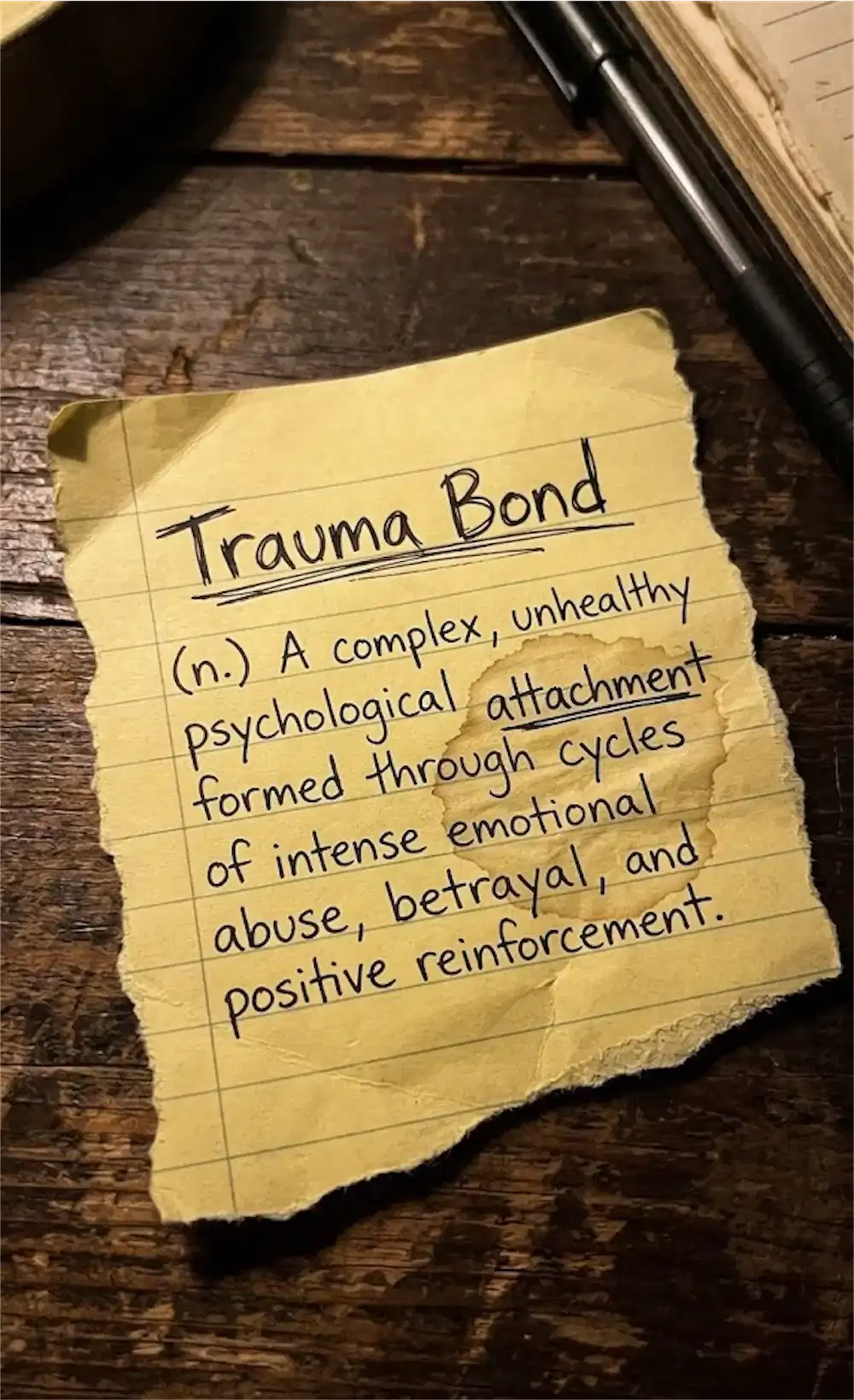
During my twelve years of chaos, I frequently experienced cognitive dissonance. This is that painful mental split where you know the person is hurting you, yet you still feel a desperate need to comfort them or fix the relationship. It felt like living in two different worlds at the same time. One world saw the gaslighting—the way they would deny things they said five minutes ago—and the other world clung to the “good” version of them from the early days of love bombing.
You stayed because you were waiting for the person they promised to be. This wasn’t a lack of intelligence. It was hope being used as a weapon against you. In a relationship involving NPD and BPD traits, the highs are so high that they create a literal chemical spike in your brain. When the devaluation starts, your brain starves for that next hit of affection. You were essentially functioning as an addict, and you cannot blame an addict for the way their brain responded to the substance.
Ask yourself: If a friend told you they were being systematically broken down by someone they loved, would you call them stupid? Or would you feel deep compassion for their pain? It is time to offer that same grace to yourself. You were navigating a minefield without a map. Recognizing the trauma bond is the first step in realizing that your “failure” to leave sooner was actually a physiological response to chronic stress and manipulation.
Prompts to Reframe Your Perspective
To begin healing from emotional abuse, you must change the narrative of your past. Start by writing down the answers to these questions in a safe space. Do not rush. Let the emotions come as they are.
I found that writing these down while having my morning coffee helped me stop the “shame spiral” before it started. I am no longer that isolated person without friends. I am cheerful and grounded again, but it only happened because I stopped punishing myself for a crime I didn’t commit. You didn’t create the toxicity; you just tried to survive it. Forgiving yourself is the final boundary you must set against your past.
If you are still struggling to find your footing, remember that the recovery process is not a straight line. Some days you will feel optimistic, and other days you might miss the chaos. That is normal. To help navigate those difficult days without falling back into old patterns, I highly recommend using The Trauma Bond Recovery Guide & Workbook to keep your focus on your future rather than your regrets.
I found that writing these down while having my morning coffee helped me stop the “shame spiral” before it started. I am no longer that isolated person without friends. I am cheerful and grounded again, but it only happened because I stopped punishing myself for a crime I didn’t commit. You didn’t create the toxicity; you just tried to survive it. Forgiving yourself is the final boundary you must set against your past.
If you are still struggling to find your footing, remember that the recovery process is not a straight line. Some days you will feel optimistic, and other days you might miss the chaos. That is normal. To help navigate those difficult days without falling back into old patterns, I highly recommend using The Trauma Bond Recovery Guide & Workbook to keep your focus on your future rather than your regrets.
- If my younger self came to me today for a hug, what would I say to them about the trauma bond they were trapped in?
- What are three things I have learned about my own boundaries because of this experience?
- What is one hobby or personality trait I am “reclaiming” this week that has nothing to do with my ex?
- How did my ability to love and forgive actually show my strength, even if it was used against me?
I found that writing these down while having my morning coffee helped me stop the “shame spiral” before it started. I am no longer that isolated person without friends. I am cheerful and grounded again, but it only happened because I stopped punishing myself for a crime I didn’t commit. You didn’t create the toxicity; you just tried to survive it. Forgiving yourself is the final boundary you must set against your past.
If you are still struggling to find your footing, remember that the recovery process is not a straight line. Some days you will feel optimistic, and other days you might miss the chaos. That is normal. To help navigate those difficult days without falling back into old patterns, I highly recommend using The Trauma Bond Recovery Guide & Workbook to keep your focus on your future rather than your regrets.
- If my younger self came to me today for a hug, what would I say to them about the trauma bond they were trapped in?
- What are three things I have learned about my own boundaries because of this experience?
- What is one hobby or personality trait I am “reclaiming” this week that has nothing to do with my ex?
- How did my ability to love and forgive actually show my strength, even if it was used against me?
I found that writing these down while having my morning coffee helped me stop the “shame spiral” before it started. I am no longer that isolated person without friends. I am cheerful and grounded again, but it only happened because I stopped punishing myself for a crime I didn’t commit. You didn’t create the toxicity; you just tried to survive it. Forgiving yourself is the final boundary you must set against your past.
If you are still struggling to find your footing, remember that the recovery process is not a straight line. Some days you will feel optimistic, and other days you might miss the chaos. That is normal. To help navigate those difficult days without falling back into old patterns, I highly recommend using The Trauma Bond Recovery Guide & Workbook to keep your focus on your future rather than your regrets.
If you find yourself stuck in circles of regret, you might need to rebuild self-worth after discard to see that your value never actually left. It was just buried under layers of someone else’s dysfunction. I remember the day I realized my hobbies didn’t die; I just didn’t have the “emotional bandwidth” to carry them and my partner’s moods at the same time. How much of your energy was spent just trying to keep the peace?
If you feel like your brain is literally addicted to the person who hurt you, or you find yourself constantly checking your phone even though you know you shouldn’t, you aren’t failing at recovery. You are experiencing a biological withdrawal that requires a structured plan to overcome.
Letting Go of the “How Could I?” Shame
The “How could I be so blind?” phase is the hardest part of narcissistic abuse recovery. I used to look at photos from year seven or eight of my relationship and feel a physical ache of embarrassment. I saw a person who looked tired, small, and eager to please. But through therapy, I learned that I wasn’t being blind; I was being conditioned. Toxic partners use a technique called hoovering to suck you back in just as you are about to leave. They cry, they promise change, or they have a crisis that triggers your fawn response.
Self-forgiveness means accepting that you made the best decisions you could with the information and the emotional state you had at the time. You cannot judge your past self with the clarity you have today. Today, you are safe. Back then, you were in the middle of a storm. Would you expect someone in a hurricane to have perfectly styled hair and a calm pulse? Of course not. Your only job back then was to survive to the next day.
When you stop the self-blame, you take the power away from the abuser. They want you to feel small and incapable because it makes you easier to control. By choosing to forgive yourself for staying, you are performing an act of rebellion. You are saying that your life has value regardless of the mistakes you made while trying to find love in a desert. How would your life change today if you decided that you’ve already paid enough for your past?
Daily Self-Forgiveness Prompts
Use these prompts when the ruminating thoughts start to take over. Instead of letting your brain replay the worst moments, use these to ground yourself in the present reality of your healing.
- If my younger self came to me today for a hug, what would I say to them about the trauma bond they were trapped in?
- What are three things I have learned about my own boundaries because of this experience?
- What is one hobby or personality trait I am “reclaiming” this week that has nothing to do with my ex?
- How did my ability to love and forgive actually show my strength, even if it was used against me?
I found that writing these down while having my morning coffee helped me stop the “shame spiral” before it started. I am no longer that isolated person without friends. I am cheerful and grounded again, but it only happened because I stopped punishing myself for a crime I didn’t commit. You didn’t create the toxicity; you just tried to survive it. Forgiving yourself is the final boundary you must set against your past.
If you are still struggling to find your footing, remember that the recovery process is not a straight line. Some days you will feel optimistic, and other days you might miss the chaos. That is normal. To help navigate those difficult days without falling back into old patterns, I highly recommend using The Trauma Bond Recovery Guide & Workbook to keep your focus on your future rather than your regrets.
- What was I trying to protect by staying in the relationship for as long as I did?
- In what ways did I show incredible resilience and strength while enduring that environment?
- What specific needs was I trying to meet (love, stability, family) that the other person manipulated?
If you find yourself stuck in circles of regret, you might need to rebuild self-worth after discard to see that your value never actually left. It was just buried under layers of someone else’s dysfunction. I remember the day I realized my hobbies didn’t die; I just didn’t have the “emotional bandwidth” to carry them and my partner’s moods at the same time. How much of your energy was spent just trying to keep the peace?
If you feel like your brain is literally addicted to the person who hurt you, or you find yourself constantly checking your phone even though you know you shouldn’t, you aren’t failing at recovery. You are experiencing a biological withdrawal that requires a structured plan to overcome.
Letting Go of the “How Could I?” Shame
The “How could I be so blind?” phase is the hardest part of narcissistic abuse recovery. I used to look at photos from year seven or eight of my relationship and feel a physical ache of embarrassment. I saw a person who looked tired, small, and eager to please. But through therapy, I learned that I wasn’t being blind; I was being conditioned. Toxic partners use a technique called hoovering to suck you back in just as you are about to leave. They cry, they promise change, or they have a crisis that triggers your fawn response.
Self-forgiveness means accepting that you made the best decisions you could with the information and the emotional state you had at the time. You cannot judge your past self with the clarity you have today. Today, you are safe. Back then, you were in the middle of a storm. Would you expect someone in a hurricane to have perfectly styled hair and a calm pulse? Of course not. Your only job back then was to survive to the next day.
When you stop the self-blame, you take the power away from the abuser. They want you to feel small and incapable because it makes you easier to control. By choosing to forgive yourself for staying, you are performing an act of rebellion. You are saying that your life has value regardless of the mistakes you made while trying to find love in a desert. How would your life change today if you decided that you’ve already paid enough for your past?
Daily Self-Forgiveness Prompts
Use these prompts when the ruminating thoughts start to take over. Instead of letting your brain replay the worst moments, use these to ground yourself in the present reality of your healing.
- If my younger self came to me today for a hug, what would I say to them about the trauma bond they were trapped in?
- What are three things I have learned about my own boundaries because of this experience?
- What is one hobby or personality trait I am “reclaiming” this week that has nothing to do with my ex?
- How did my ability to love and forgive actually show my strength, even if it was used against me?
I found that writing these down while having my morning coffee helped me stop the “shame spiral” before it started. I am no longer that isolated person without friends. I am cheerful and grounded again, but it only happened because I stopped punishing myself for a crime I didn’t commit. You didn’t create the toxicity; you just tried to survive it. Forgiving yourself is the final boundary you must set against your past.
If you are still struggling to find your footing, remember that the recovery process is not a straight line. Some days you will feel optimistic, and other days you might miss the chaos. That is normal. To help navigate those difficult days without falling back into old patterns, I highly recommend using The Trauma Bond Recovery Guide & Workbook to keep your focus on your future rather than your regrets.
- What was I trying to protect by staying in the relationship for as long as I did?
- In what ways did I show incredible resilience and strength while enduring that environment?
- What specific needs was I trying to meet (love, stability, family) that the other person manipulated?
If you find yourself stuck in circles of regret, you might need to rebuild self-worth after discard to see that your value never actually left. It was just buried under layers of someone else’s dysfunction. I remember the day I realized my hobbies didn’t die; I just didn’t have the “emotional bandwidth” to carry them and my partner’s moods at the same time. How much of your energy was spent just trying to keep the peace?
If you feel like your brain is literally addicted to the person who hurt you, or you find yourself constantly checking your phone even though you know you shouldn’t, you aren’t failing at recovery. You are experiencing a biological withdrawal that requires a structured plan to overcome.
Letting Go of the “How Could I?” Shame
The “How could I be so blind?” phase is the hardest part of narcissistic abuse recovery. I used to look at photos from year seven or eight of my relationship and feel a physical ache of embarrassment. I saw a person who looked tired, small, and eager to please. But through therapy, I learned that I wasn’t being blind; I was being conditioned. Toxic partners use a technique called hoovering to suck you back in just as you are about to leave. They cry, they promise change, or they have a crisis that triggers your fawn response.
Self-forgiveness means accepting that you made the best decisions you could with the information and the emotional state you had at the time. You cannot judge your past self with the clarity you have today. Today, you are safe. Back then, you were in the middle of a storm. Would you expect someone in a hurricane to have perfectly styled hair and a calm pulse? Of course not. Your only job back then was to survive to the next day.
When you stop the self-blame, you take the power away from the abuser. They want you to feel small and incapable because it makes you easier to control. By choosing to forgive yourself for staying, you are performing an act of rebellion. You are saying that your life has value regardless of the mistakes you made while trying to find love in a desert. How would your life change today if you decided that you’ve already paid enough for your past?
Daily Self-Forgiveness Prompts
Use these prompts when the ruminating thoughts start to take over. Instead of letting your brain replay the worst moments, use these to ground yourself in the present reality of your healing.
- If my younger self came to me today for a hug, what would I say to them about the trauma bond they were trapped in?
- What are three things I have learned about my own boundaries because of this experience?
- What is one hobby or personality trait I am “reclaiming” this week that has nothing to do with my ex?
- How did my ability to love and forgive actually show my strength, even if it was used against me?
I found that writing these down while having my morning coffee helped me stop the “shame spiral” before it started. I am no longer that isolated person without friends. I am cheerful and grounded again, but it only happened because I stopped punishing myself for a crime I didn’t commit. You didn’t create the toxicity; you just tried to survive it. Forgiving yourself is the final boundary you must set against your past.
If you are still struggling to find your footing, remember that the recovery process is not a straight line. Some days you will feel optimistic, and other days you might miss the chaos. That is normal. To help navigate those difficult days without falling back into old patterns, I highly recommend using The Trauma Bond Recovery Guide & Workbook to keep your focus on your future rather than your regrets.

Meet Your Guide
Helen Brooks
After surviving a 12-year NPD/BPD relationship, I dedicated over a decade to studying trauma bonding and nervous system recovery. My mission is to help you break free from the fog and reclaim your authentic self.
Ready to break the trauma bond and reclaim your life?