How to Get Out of Survival Mode After Long-Term Trauma
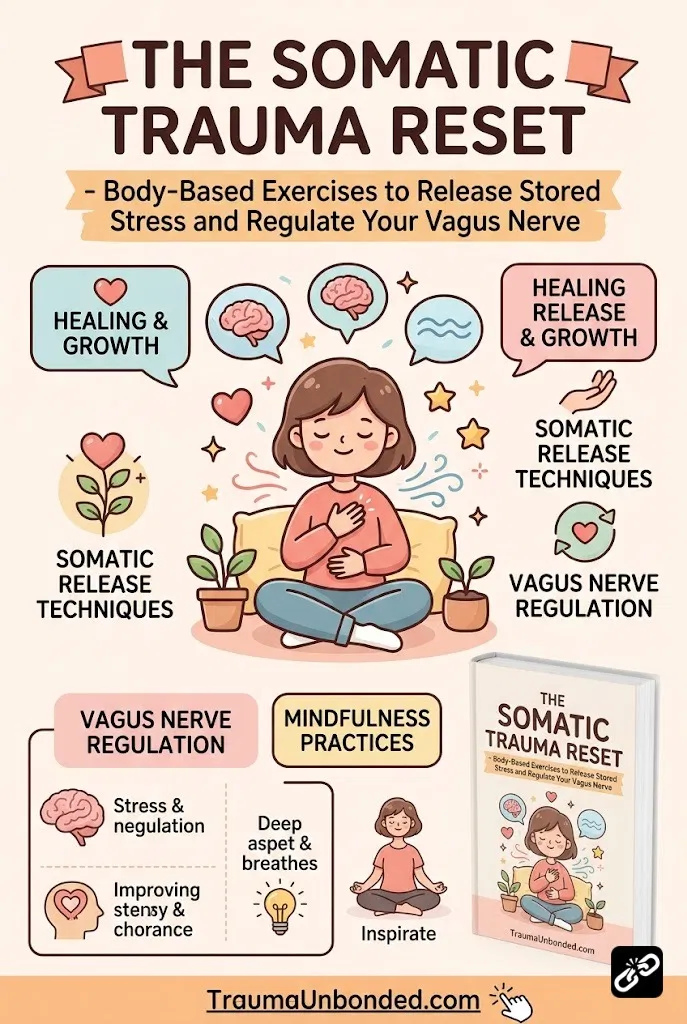
How to get out of survival mode after long-term trauma often feels like trying to find an exit in a dark room where the walls keep moving. When you spend years in a toxic relationship with a partner showing NPD and BPD traits, your body forgets how to feel safe. You are not just tired: you are physiologically wired to expect the next disaster, even after you have left. If you are searching for recovery from narcissistic abuse and trying to calm your nervous system, you are in the right place. I spent twelve years in that exact basement of despair, and I know the way out. You can find the The Somatic Trauma Reset to help you begin that physical shift today.
Survival mode is a state where your brain stays in a permanent loop of fight, flight, or freeze. For over a decade, my life was a cycle of walking on eggshells to avoid a partner’s explosive rage or deep, bottomless depression. I lost my friends, my hobbies, and my sense of humor. I was a shell of a human being. Have you noticed that you cannot make simple decisions lately, or that your memory feels like it is full of holes? That is not your fault. It is the result of prolonged stress and hypervigilance changing how your brain functions.
To move forward, we have to look at how this long-term trauma physically lives in your muscles and your thoughts. You did not get here overnight, so we will not pretend you can fix it with one deep breath. However, by understanding the trauma bond and how it keeps you stuck, you can start to dismantle the cage. It is time to stop just existing and start living again. Are you ready to reclaim the person you used to be before the world got so loud and scary?
The Physical Weight of Living in Survival Mode
Living with someone who has Narcissistic Personality Disorder or Borderline Personality Disorder means your brain is constantly scanning for threats. I remember the sound of a car door closing in the driveway making my heart jump into my throat. That is hypervigilance. It is your body trying to protect you by staying ready for a fight at all times. Over twelve years, this state became my default setting. Even after the relationship ended, I still felt like I was waiting for the other shoe to drop.
This constant state of high alert floods your body with cortisol and adrenaline. Eventually, your adrenal glands get exhausted, and you end up in a state of trauma fatigue. You might find yourself sleeping for ten hours and still waking up feeling like you were hit by a truck. This is because your nervous system does not know the war is over. You can learn more about how this affects your body in my guide on vagus nerve anxiety exercises which help signal safety to your brain.
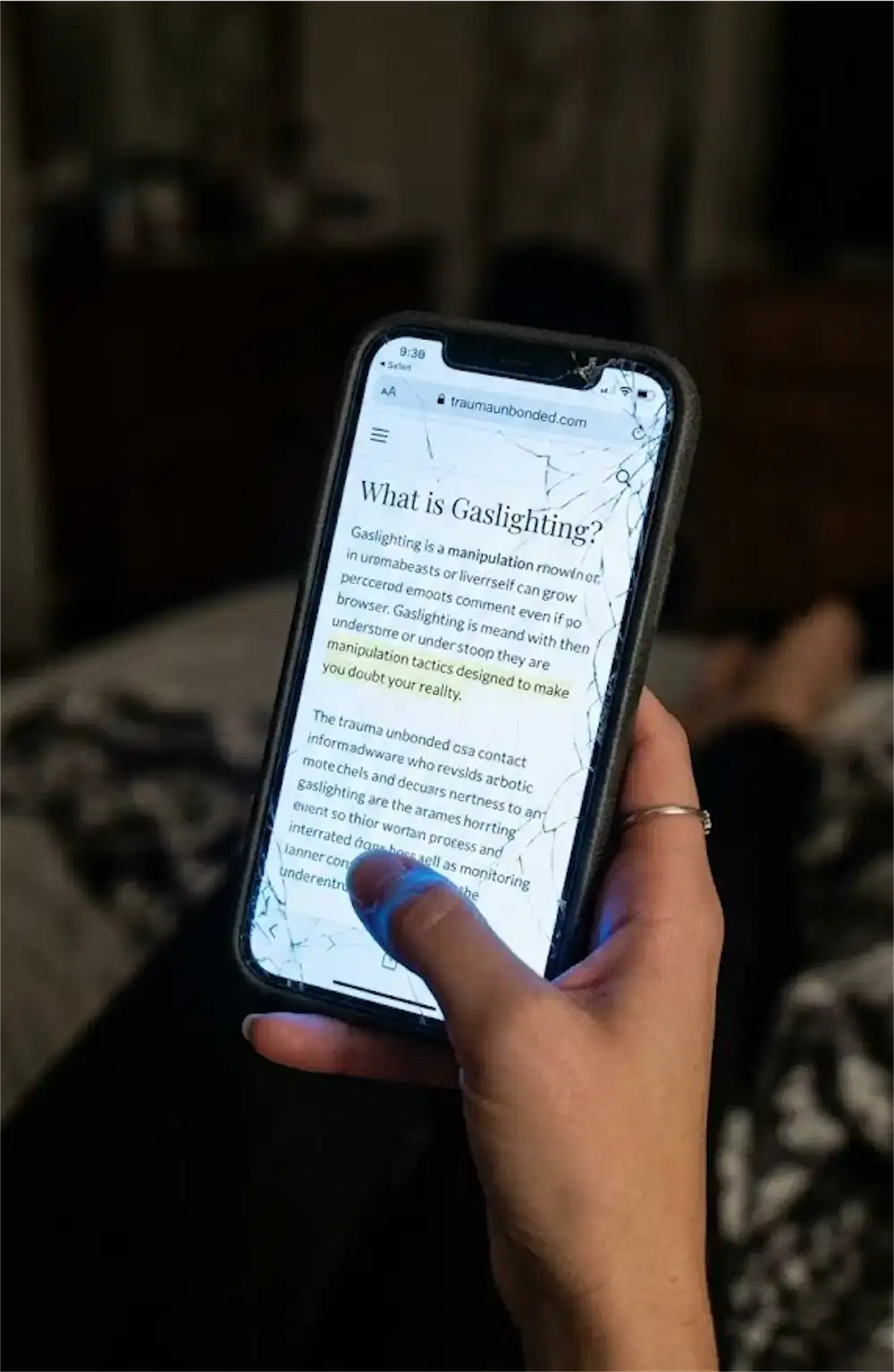
The “brain fog” you feel is also a survival tactic. When the emotional pain is too high, your mind checks out to keep you from feeling the full weight of the gaslighting and manipulation. During my recovery, I had to accept that my brain was not broken: it was just tired of protecting me from a decade of chaos. Healing starts when you stop fighting your body and start listening to what it needs. Have you given yourself permission to be tired yet?
Breaking the Biochemical Addiction to Chaos
One of the hardest parts of leaving a toxic relationship is realizing that you are actually addicted to the person who hurt you. This is the trauma bond. In a relationship with BPD and NPD traits, you experience intermittent reinforcement. This means you get small “crumbs” of love and affection followed by long periods of neglect or abuse. This cycle creates a massive dopamine hit whenever they are nice to you, which makes your brain crave them like a drug.
I used to think I was just “loyal” or that I could “fix” my partner if I just loved them enough. The truth was much more clinical: I was caught in a trauma bond biochemical addiction. My survival mode was partially fueled by the need to get that next “high” of their approval. When I finally understood this, the shame started to melt away. I was not weak: I was under the influence of a powerful brain cocktail.
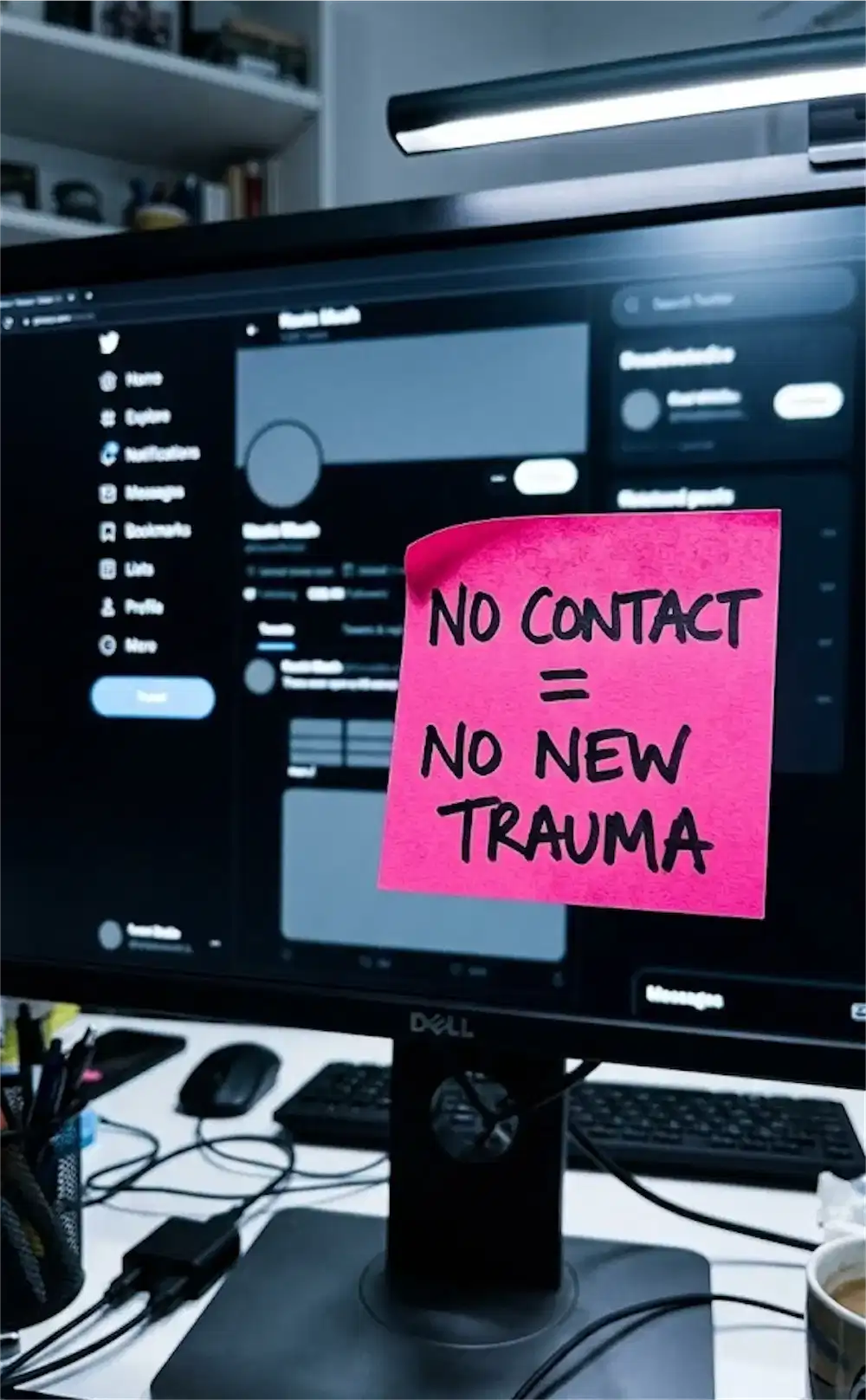
To break this addiction, you have to go no contact or grey rock if you have to co-parent. Every time you check their social media or reply to a hoovering text, you reset the clock on your recovery. Your brain needs a complete detox from the drama to start exiting survival mode. It feels painful at first, almost like a physical withdrawal. But on the other side of that pain is the clarity you have been missing for years.
If you are struggling to stop the physical shaking or the constant racing thoughts, you need a structured plan to calm your biology. Most people try to think their way out of trauma, but your body needs to feel the safety first before your mind can follow. I found that body-based tools were the only thing that worked when my thoughts were spinning out of control.
Are you tired of feeling like your own body is an enemy? I created a specific system to help you discharge that stored tension and finally find some peace.
Rebuilding Your Identity From the Ground Up
When I finally got out of my twelve-year relationship, I realized I had no idea what I liked to do. I had spent so long managing someone else’s emotions that my own personality had disappeared. I didn’t have hobbies, I didn’t listen to my own music, and I was terrified of making “the wrong” choice even about what to eat for dinner. This is common for those recovering from codependency. You have been trained to ignore your own needs to survive.
Getting out of survival mode means learning to trust yourself again. Start with very small wins. I started by buying a plant and keeping it alive. Then, I went to a cafe alone. These small acts of independence are like building a muscle. They prove to your brain that you are safe and that you are in control of your own life. You are not just a “survivor” anymore: you are an individual with your own voice. You can find more steps on this in my exit survival mode trauma checklist.
Do you remember who you were before the abuse started? Maybe you were cheerful, or loved to paint, or liked to go on long walks without checking your phone every five minutes. That person is still in there. They are just buried under layers of protection and fear. Healing isn’t about becoming a “new” person: it is about uncovering the original you. It takes time, but the optimistic, grounded version of yourself is waiting to come back to the surface.
Creating a Safe Environment for Healing
You cannot heal in the same environment that made you sick. This is true for your physical space and your social circle. After my breakup, I had to look at my friendships. Many of them were “mutual friends” who were still talking to my toxic ex. I had to set hard boundaries or walk away entirely. This felt lonely at first, but it was necessary to stop the triangulation and flying monkeys from pulling me back into the chaos.
Your home should be your sanctuary. In survival mode, your home often feels like a battlefield. Change the sheets, move the furniture, and bring in scents or sounds that make you feel calm. When your eyes see a different environment, it helps your brain register that the old threat is gone. I used to keep the lights dim and the TV loud to drown out my anxiety. Now, I love the morning light and the silence. That shift happened because I intentionally reclaimed my space.
Finally, find a support system that actually understands narcissistic and BPD abuse. Regular therapy is great, but trauma-informed care is better. You need people who won’t ask “why didn’t you just leave?” but instead ask “how can we help your body feel safe today?” Surrounding yourself with people who validate your reality is the fastest way to stop the self-doubt and cognitive dissonance that keeps you stuck in the past.
Getting out of survival mode is a slow process of reclaiming your energy one day at a time. It involves moving from a place of constant fear to a place of quiet confidence. You survived twelve years, or maybe twenty, of something that would have broken most people. You are already stronger than you realize. Now, it is time to use that strength for yourself instead of for someone who never deserved it. If you need a clear path to follow, I highly recommend checking out The Somatic Trauma Reset to help you find your footing again.

Meet Your Guide
Helen Brooks
After surviving a 12-year NPD/BPD relationship, I dedicated over a decade to studying trauma bonding and nervous system recovery. My mission is to help you break free from the fog and reclaim your authentic self.
Ready to break the trauma bond and reclaim your life?