How to Create a Safe, Calming Physical Space for Your Healing Journey
Creating a safe calming physical space for your healing journey is often the first real step toward reclaiming a life that was stolen. When I finally walked away from my 12-year relationship with a partner who had both NPD and BPD traits, my house felt like a museum of misery. Every chair, every scent, and even the way the light hit the hallway reminded me of the yelling, the gaslighting, and the nights I spent curled in a ball on the bathroom floor. You cannot heal in the same environment that broke you unless you transform it into a sanctuary.
If you are struggling to find peace after a toxic breakup, you might find that using a C-PTSD recovery toolkit helps you manage the physical symptoms of your trauma. Healing is not just a mental exercise. It is a physical one. Your body has been in a state of high alert for years, and your home needs to tell your nervous system that the war is finally over. Do you feel like your home is still haunted by the ghost of their criticism? It is time to change that energy.
For over a decade, I lived in a state of hypervigilance. I knew exactly which floorboard creaked and how loud the front door sounded when my ex was in a “mood.” Gaslighting—that slow, intentional way they make you doubt your own eyes and ears—makes your own home feel like a house of mirrors. To find your original self again, you must strip away the layers of their influence and build a world that belongs only to you.
Removing Triggers and Clearing the Aftermath
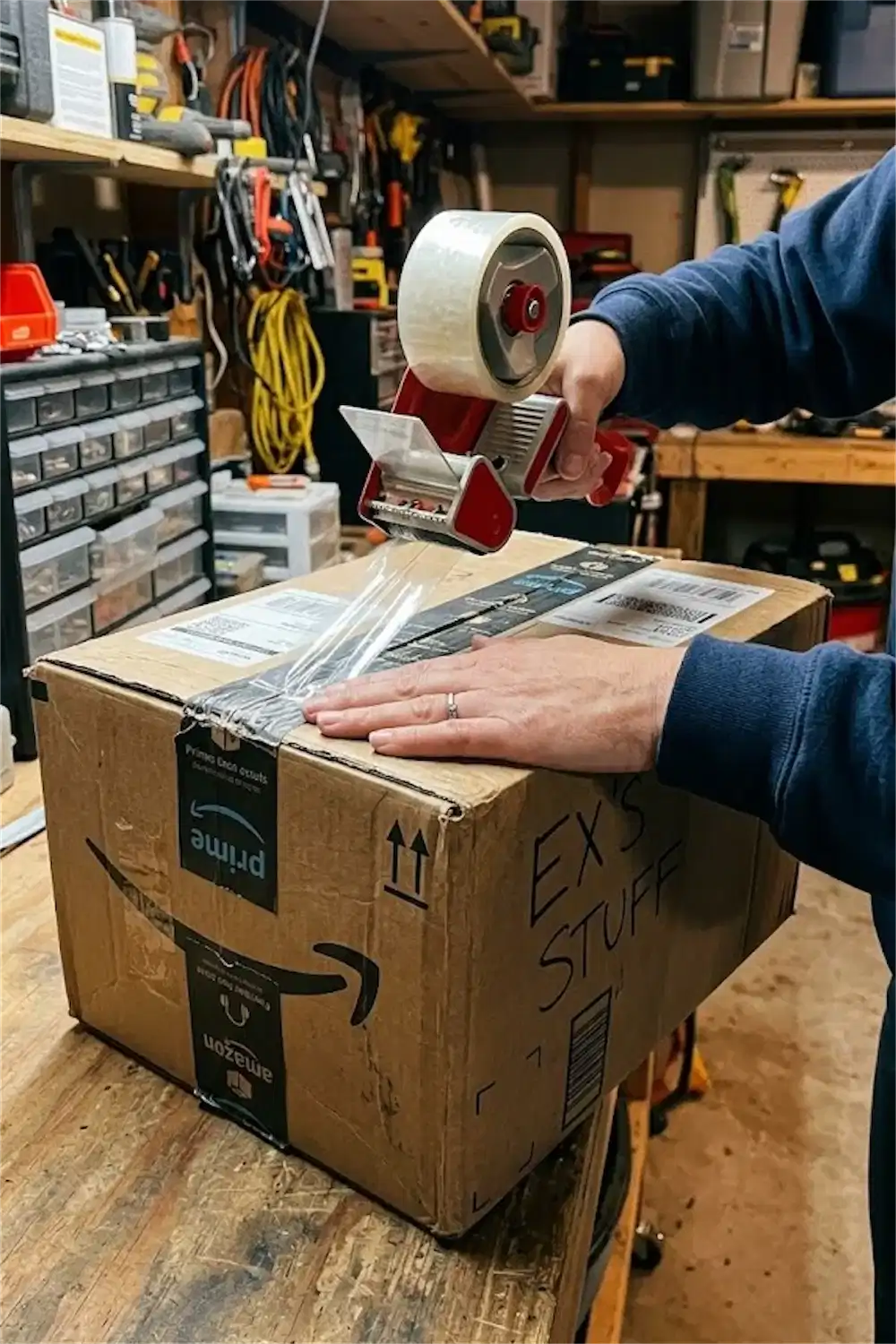
The first step in building a healing sanctuary is to remove anything that triggers a trauma response. This means the gifts they gave you during the love-bombing phase, the photos where you were pretending to be happy, and even the furniture associated with their outbursts. In my recovery, I realized that keeping “nice” items from a person who destroyed my peace was a form of self-torture. If that designer vase reminds you of the time they threw a glass across the room, it has no place in your new life.
Decluttering is a powerful tool for trauma recovery. When you clear your physical space, you are telling your brain that there is room for new, healthy memories. Trauma bonds are like invisible threads tying you to the past. Every time you look at an object they touched or bought, that thread tugs on your heart. Throwing things away or donating them is an act of radical self-love.
Have you looked at your bedroom lately? If it still looks the same as it did when you were being devalued, your brain will stay in survival mode. You do not need a huge budget to change the vibe. Sometimes, just moving the bed to a different wall or buying new sheets can break the association with toxic intimacy. Following a no-contact recovery roadmap involves more than just blocking a phone number; it involves blocking their access to your visual landscape.
Neutralizing the Senses
Our senses are deeply tied to memory. If your ex wore a specific cologne or perfume, or if the house always smelled like stale coffee and tension, you need to neutralize those scents. Use essential oils like lavender or cedarwood to ground yourself. Visual clutter often mirrors mental clutter. Try to keep surfaces clear. A single plant on a table is much more soothing than a pile of old mail and reminders of “what used to be.”
Securing Your Physical and Emotional Boundaries
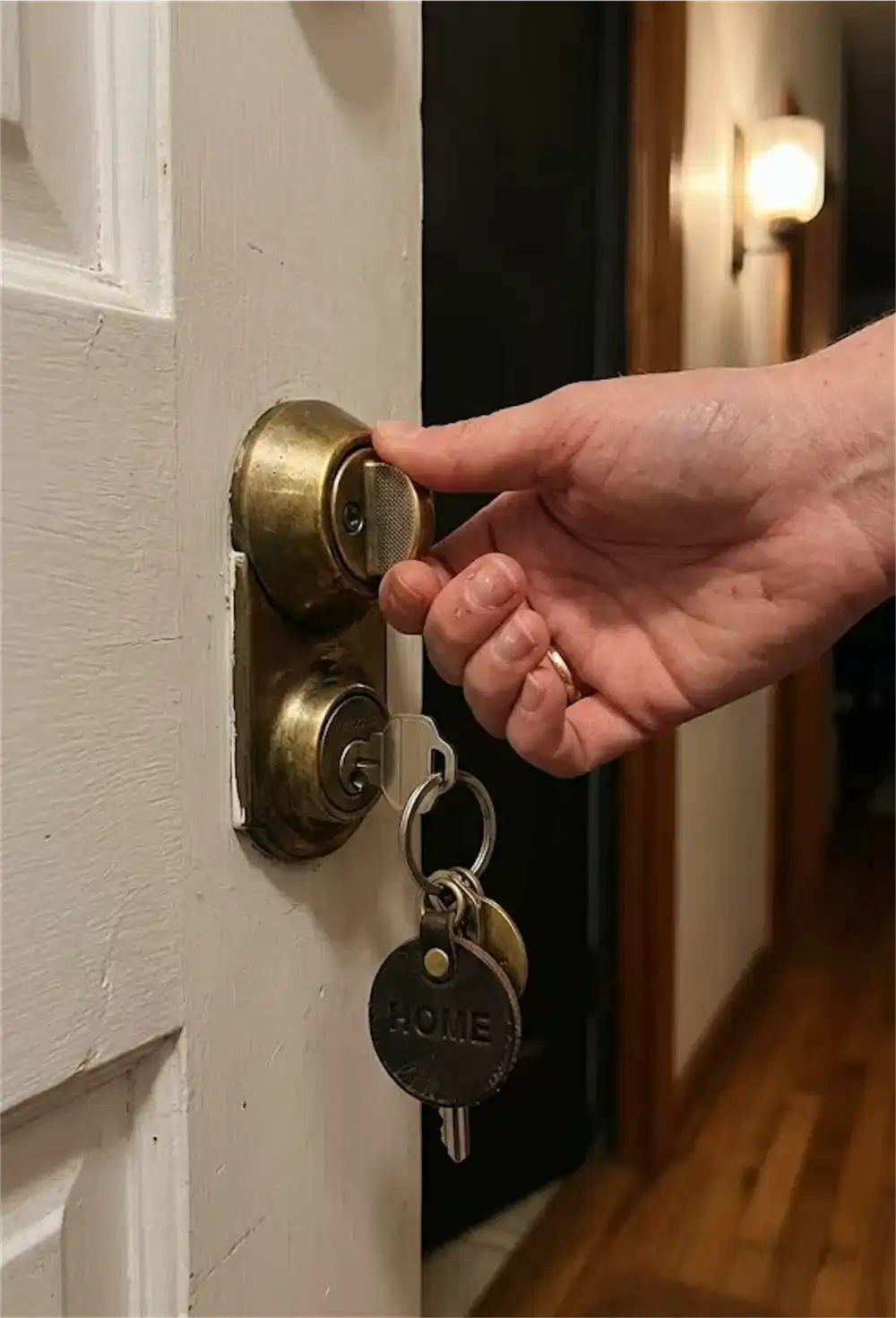
You cannot feel calm if you do not feel safe. After 12 years of having my privacy invaded and my boundaries trampled, the act of locking my door became a sacred ritual. If you have moved out, or if they have left, changing the locks is the very first thing you should do. It is a physical manifestation of your no-contact boundary.
Physical safety also means digital safety. If you are constantly checking your phone or worried they might show up, your nervous system will never leave “fight or flight” mode. Consider adding a small security camera or a better porch light. These are not signs of paranoia; they are tools to help your brain realize that you are now the gatekeeper of your own life. Who is allowed in your space now? Only those who bring peace.
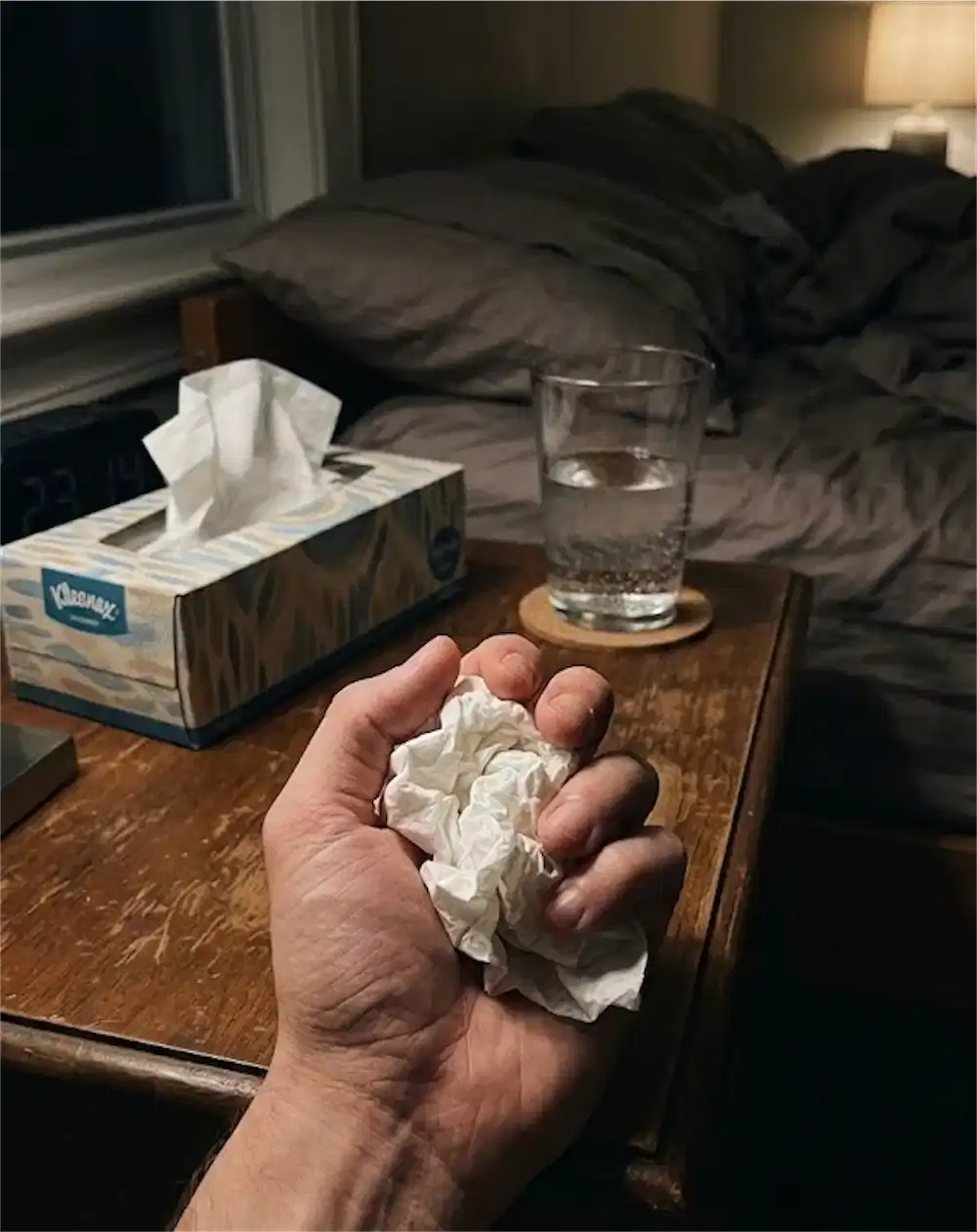
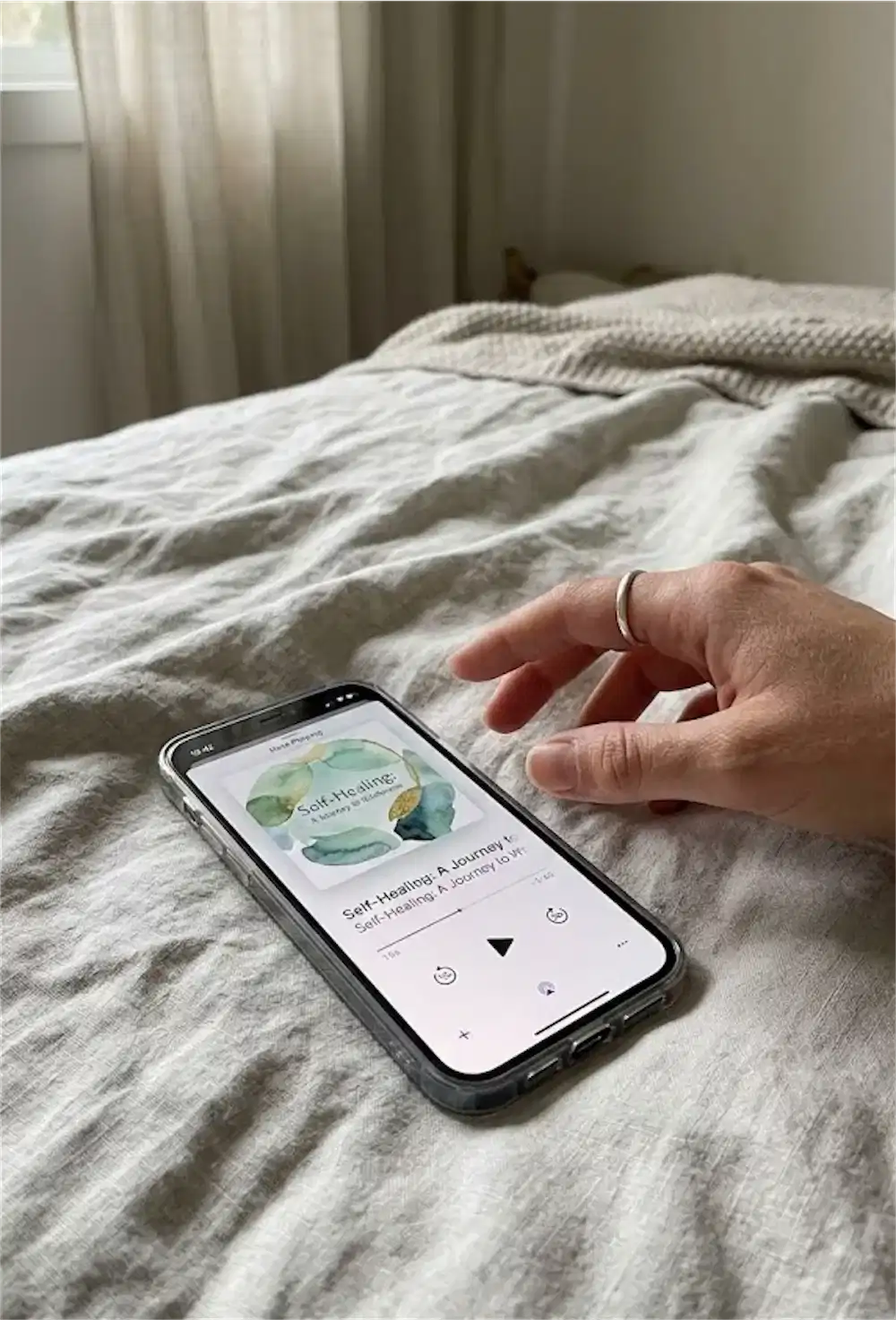
I remember the first night I spent in my own space after the final discard. It was terrifyingly quiet. I was so used to the chaos of a partner with BPD traits—the sudden rages and the intense hoovering—that the silence felt heavy. But silence is where the “original you” lives. To help with the transition, try using a white noise machine or calming music. If you struggle with sleep, an evening routine for trauma insomnia can help you settle into your new, safe environment without the fear of a midnight argument.
Before you can fully rebuild your self-worth, you need a nervous system that isn’t constantly screaming for help. The environment you surround yourself with acts as a silent therapist, either reinforcing your old wounds or gently encouraging your growth. To accelerate this process, you need a structured plan that addresses the physiological toll of chronic stress.
Creating a Dedicated Ritual Space
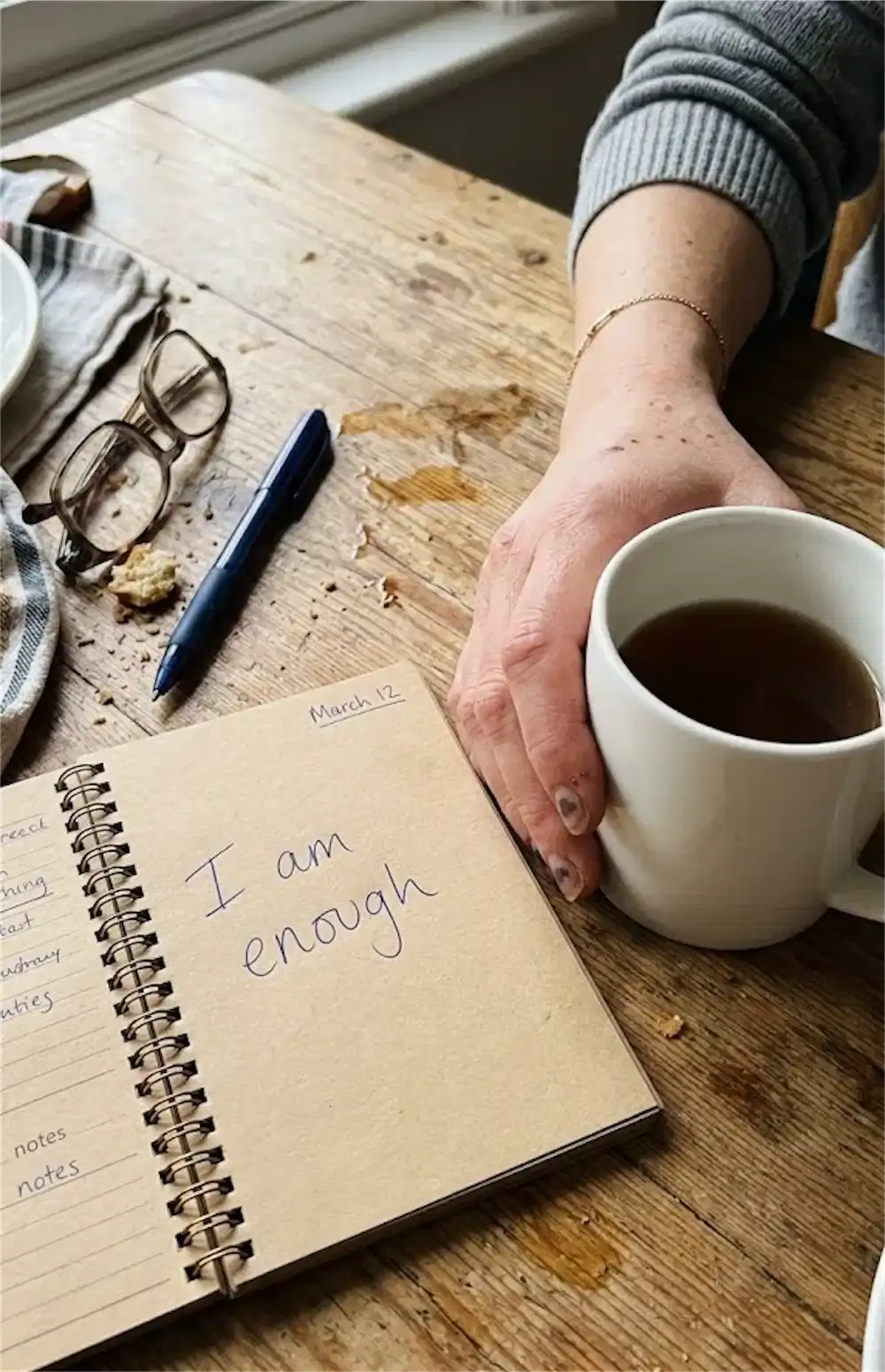
A safe calming physical space for your healing journey should include a specific corner or chair dedicated to your recovery work. When I was healing, I had a “healing chair” next to a window. This was where I did my journaling and my professional therapy assignments. By associating one specific spot with healing, my brain knew that when I sat there, it was time to let go of the day’s stress.
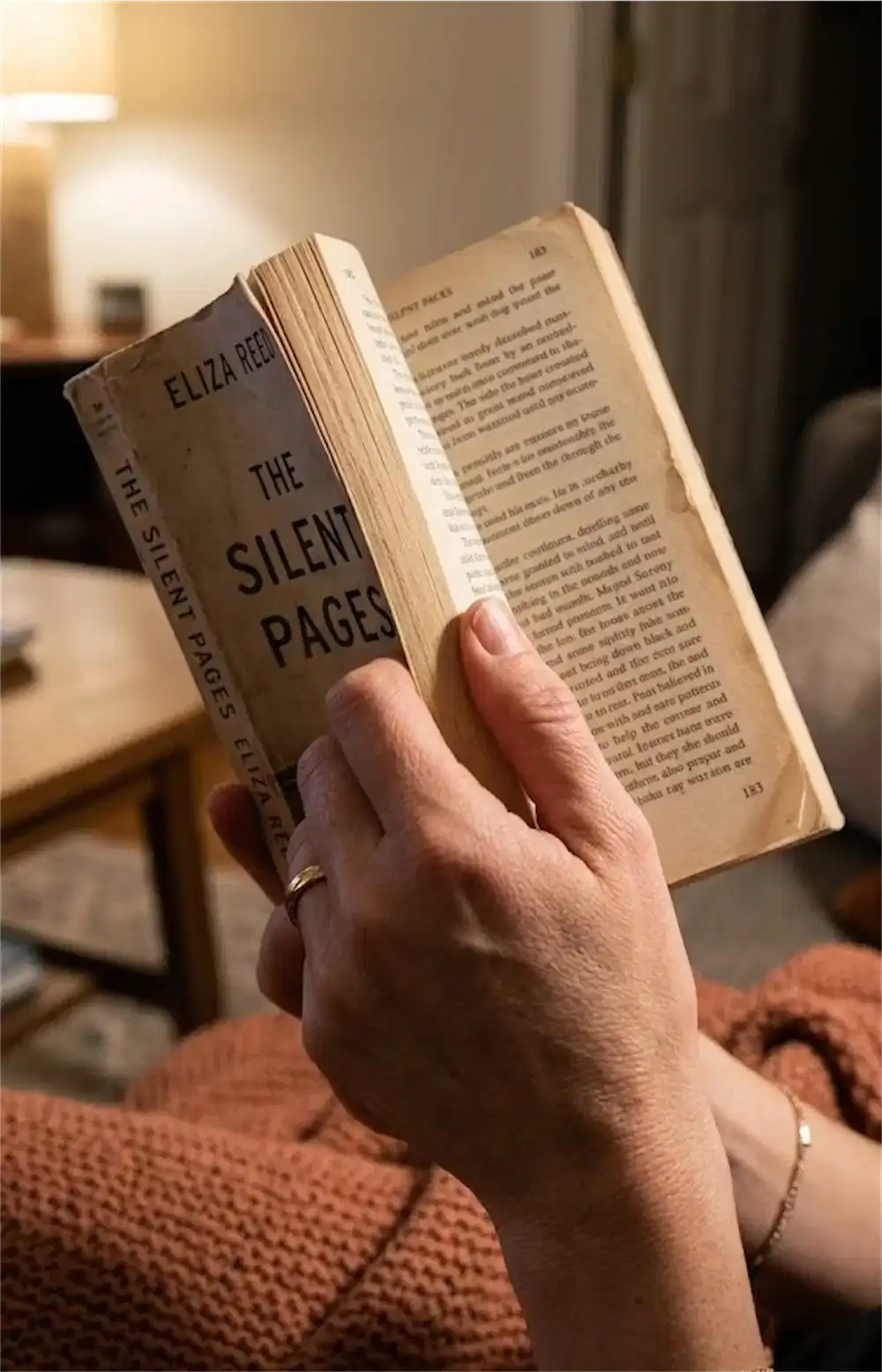
What would you put in your healing corner? Maybe a soft blanket, a stack of self-help books, or a journal where you write down the truth of what happened. This is especially helpful when dealing with the cognitive dissonance that follows a toxic relationship. When you start to miss the “good version” of your ex, you can sit in your space and read your notes about why you left. It acts as a physical anchor to reality.
Incorporating movement into this space is also vital. Whether it is a yoga mat or just enough floor space to stretch, moving your body helps release the trauma stored in your tissues. Many survivors find that vagus nerve anxiety exercises are much easier to perform when you are in a room that feels intentionally designed for comfort. When was the last time you took a deep breath without looking over your shoulder?
The Power of Nature and Light
Narcissistic abuse often makes you feel like you are living in a dark, heavy cloud. Bringing nature indoors can help break that spell. Indoor plants are not just decoration; they are living things that require your care. After years of caring for a partner who never gave anything back, caring for a plant can be a gentle way to practice self-nurturing.
Natural light is another huge factor in regulating your mood and circadian rhythm. Open your curtains the moment you wake up. Let the sun hit your skin. If you spent years hiding your emotions in the dark, let the light remind you that you no longer have anything to hide. You are free to be the optimistic person you were before the relationship started.
Building a safe calming physical space for your healing journey is a gift you give to your future self. It is a way of saying, “I am worth protecting.” It took me a long time to realize that I deserved a beautiful, quiet home. I had been so conditioned to believe that my needs did not matter that I felt guilty for buying a new candle or a soft rug. Do not let that guilt stop you. Your environment is the foundation upon which your new life is built.
As you continue to reclaim your identity, remember that your physical surroundings are a reflection of your internal state. By curating a home that feels safe, you are slowly teaching your heart that the danger has passed. If you are ready to take the next step in calming your mind and body, the C-PTSD Recovery Toolkit offers practical daily steps to match the peace you are building in your home. You have survived the storm; now, give yourself a beautiful place to rest.

Meet Your Guide
Helen Brooks
After surviving a 12-year NPD/BPD relationship, I dedicated over a decade to studying trauma bonding and nervous system recovery. My mission is to help you break free from the fog and reclaim your authentic self.
Ready to break the trauma bond and reclaim your life?