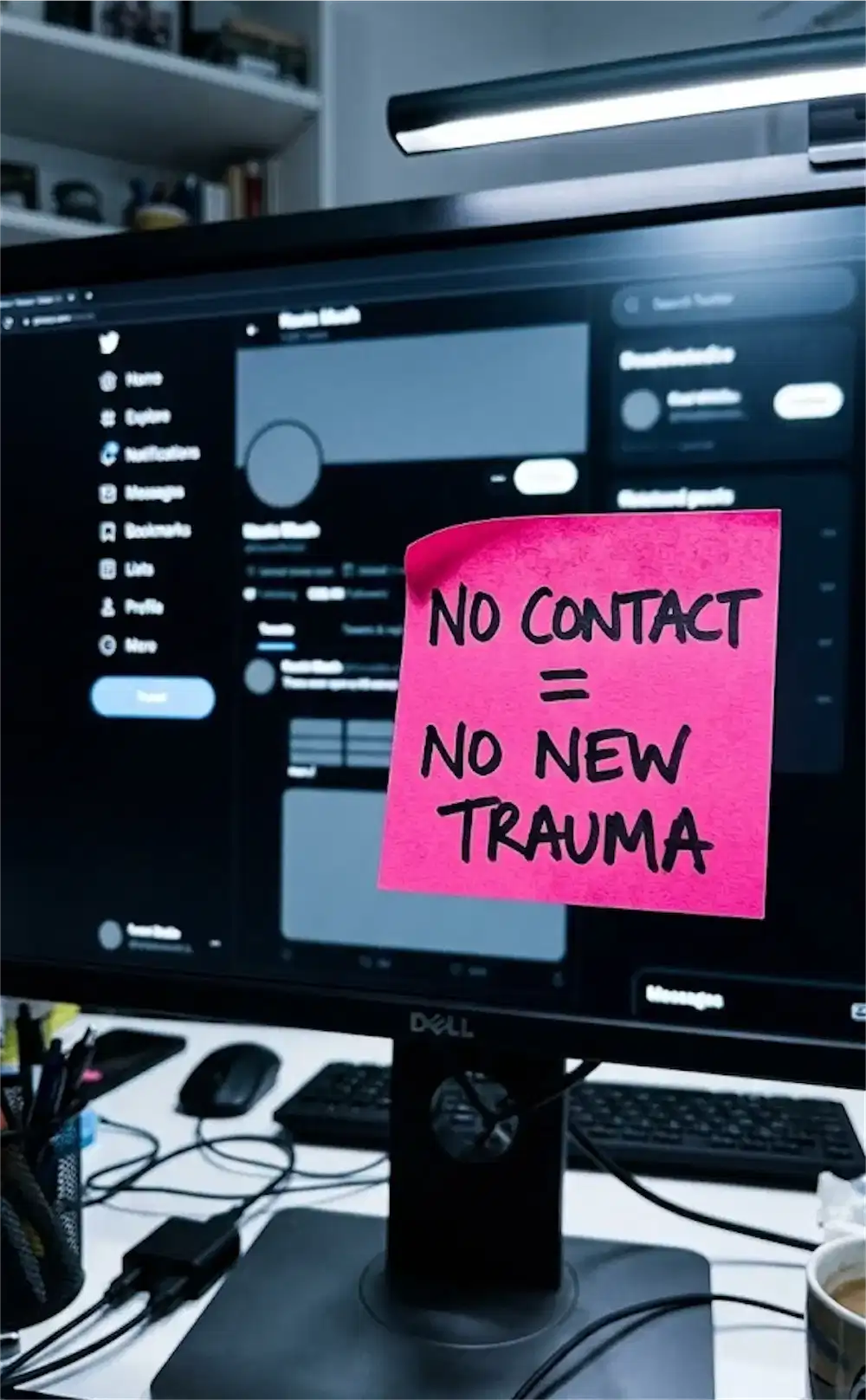
The Science Behind No Contact: How It Actually Changes Your Brain
The science behind no contact reveals that deciding to cut off communication with a toxic partner is not just a physical boundary, but a literal detox process for your central nervous system. When you are trying to figure out how to break a trauma bond, your brain behaves exactly like it is recovering from a drug addiction. Many survivors wonder why is no contact so hard even when they know the relationship was deeply destructive [1160].
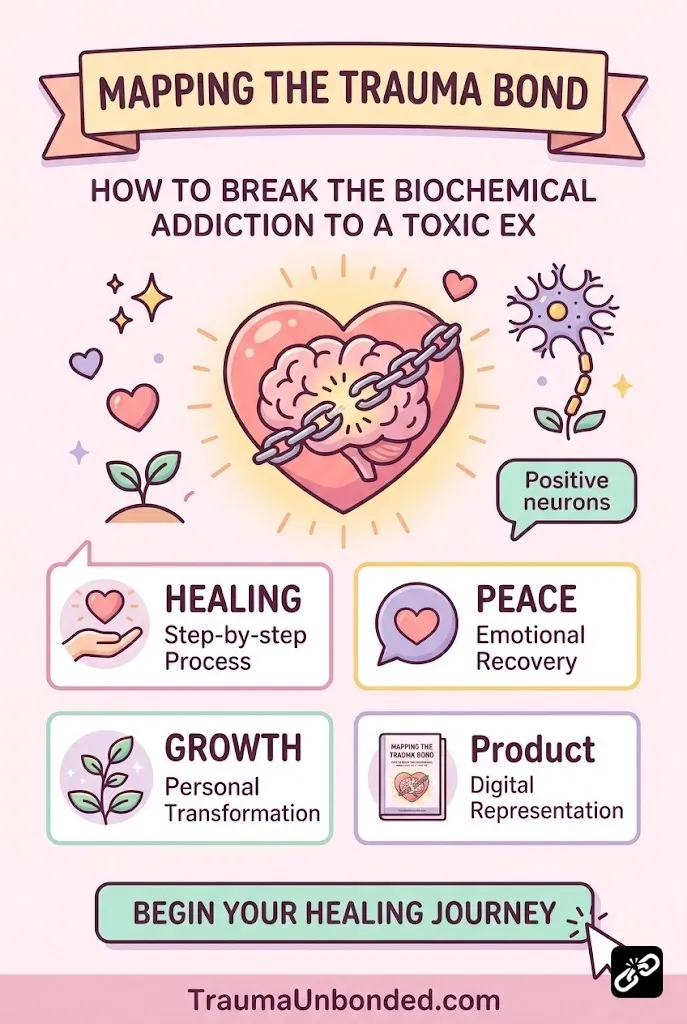
I lived this reality for twelve long years with a partner who cycled constantly between narcissistic and borderline personality traits. When I finally walked away, I was a shell of myself, isolated from everyone I loved, with zero hobbies, and a mind that felt completely broken. I did not realize back then that my obsession with my ex was driven by the no contact rule brain chemistry that keeps survivors stuck in a loop of panic and craving. To heal, you have to understand the underlying neurology, which is why studying how to map the biochemical addiction to a toxic ex is so helpful for reclaiming your life.
Are you currently struggling with the overwhelming urge to check their social media or send just one last text? Understanding how your neural pathways have been hijacked can help you stop blaming yourself for feeling so weak. You are not weak; you are simply going through intense chemical withdrawal.
The Neurochemistry of a Trauma Bond: Why Withdrawal Feels Like Physical Pain

During my twelve-year toxic cycle, the highs were ecstatic and the lows were devastating. When a toxic partner love bombs you, your brain is flooded with dopamine, the chemical responsible for pleasure and reward, and oxytocin, the bonding hormone [1160]. Then, the inevitable devaluation happens, sending your stress hormones like cortisol and adrenaline through the roof.
This unpredictable roller coaster creates a phenomenon known as intermittent reinforcement [1158]. Your brain becomes conditioned to seek the “reward” of their validation to soothe the agony of their rejection [1158]. When you implement the no contact rule, your supply of these chemicals is suddenly cut off.
Your brain registers this emotional loss in the same regions that process physical pain. That aching feeling in your chest and the literal nausea you feel when ignoring their calls are not imaginary. Understanding the mechanics of your trauma bond biochemical addiction helps you see that your body is simply screaming for its next chemical fix.
How No Contact Resets Your Brain’s Reward System
Every time you resist the urge to contact your ex, you are slowly weakening the toxic neural pathways that were built over years of abuse. Think of your brain as a dense forest where the path of contacting your ex is a wide, well-paved highway. The path of choosing yourself is a narrow trail covered in weeds.
Initially, walking the new trail feels exhausting and unnatural. But as days turn into weeks without contact, the old highway starts to grow over from lack of use. This is the beauty of neuroplasticity, which is your brain’s ability to reorganize itself by forming new neural connections.
By keeping the door closed, you allow your overstimulated dopamine receptors to finally calibrate back to normal levels. You will slowly find joy again in simple things, like a quiet cup of coffee or a conversation with a true friend, instead of needing the extreme highs of a chaotic relationship to feel alive.
If you want to speed up this neurological healing and get a clear, step-by-step framework to navigate the chemical storm inside your head, I highly recommend using a structured workbook. Having a scientific roadmap to reference when the cravings hit can make all the difference in staying strong.
Quietening the Amygdala: Ending the Constant State of Flight or Fight

Living with a partner who has NPD or BPD traits means living in a constant state of threat. Your amygdala, the brain’s alarm system, is constantly firing, keeping you on high alert. During my toxic relationship, I spent years walking on eggshells, waiting for the next explosive argument or silent treatment.
When you are in this state, your body is flooded with cortisol, which damages your memory and emotional regulation. Even after you break up, seeing a text notification from your ex can trigger a massive spike in adrenaline. Your heart races, your stomach drops, and you feel instantly sick.
By committing to a strict no contact recovery roadmap, you remove the trigger entirely. When your brain realizes that the threat is gone and you are actually safe, your amygdala can finally stop firing. Your nervous system shifts from survival mode into a state of rest, allowing your body to begin repairing the damage caused by chronic stress.
Rebuilding the Prefrontal Cortex: Moving from Fog to Mental Clarity
Chronic emotional abuse can shrink the prefrontal cortex, the area of your brain responsible for decision-making, logic, and self-control. This is why you feel so incredibly confused and indecisive when you first leave a toxic relationship. You suffer from severe cognitive dissonance, trying to reconcile the loving person they pretended to be with the reality of how they treated you.
When you are in the thick of it, this mental exhaustion feels permanent. I remember staring at simple tasks, unable to make a decision, feeling like I had lost my intelligence entirely. If you are experiencing this, know that finding trauma brain fog relief is a natural part of the timeline as your brain heals.
As the days of no contact accumulate, the mental fog begins to lift. Your prefrontal cortex begins to rebuild its gray matter. You will start to trust your own perception again, recognize gaslighting for what it was, and regain the logical clarity needed to protect your future.
Healing your brain is not an overnight event, but a gradual process of reclaiming your sanity day by day. After twelve years of feeling like I was trapped in a chaotic fog, I eventually found my way back to my original self. I became cheerful, optimistic, and deeply grounded once again, but it only happened because I refused to break no contact.
Be gentle with yourself as your nervous system recalibrates. You are essentially teaching your brain how to live without a highly addictive chemical stimulant. If you want a structured tool to guide you through this scientific process of detoxing, working through the biochemical addiction to a toxic ex guide will provide the practical steps to rebuild your mind and finally break free for good.

Meet Your Guide
Helen Brooks
After surviving a 12-year NPD/BPD relationship, I dedicated over a decade to studying trauma bonding and nervous system recovery. My mission is to help you break free from the fog and reclaim your authentic self.
Ready to break the trauma bond and reclaim your life?