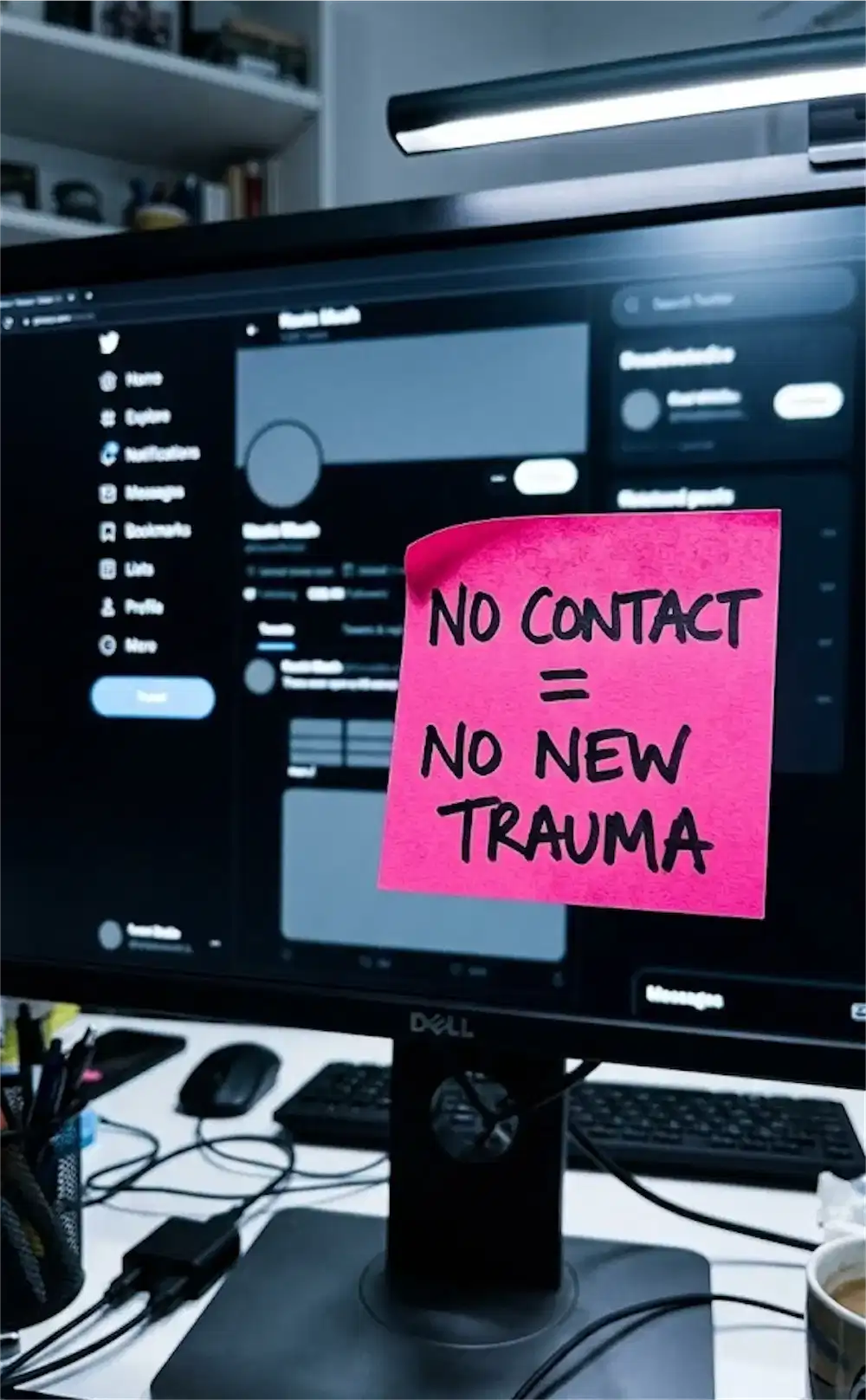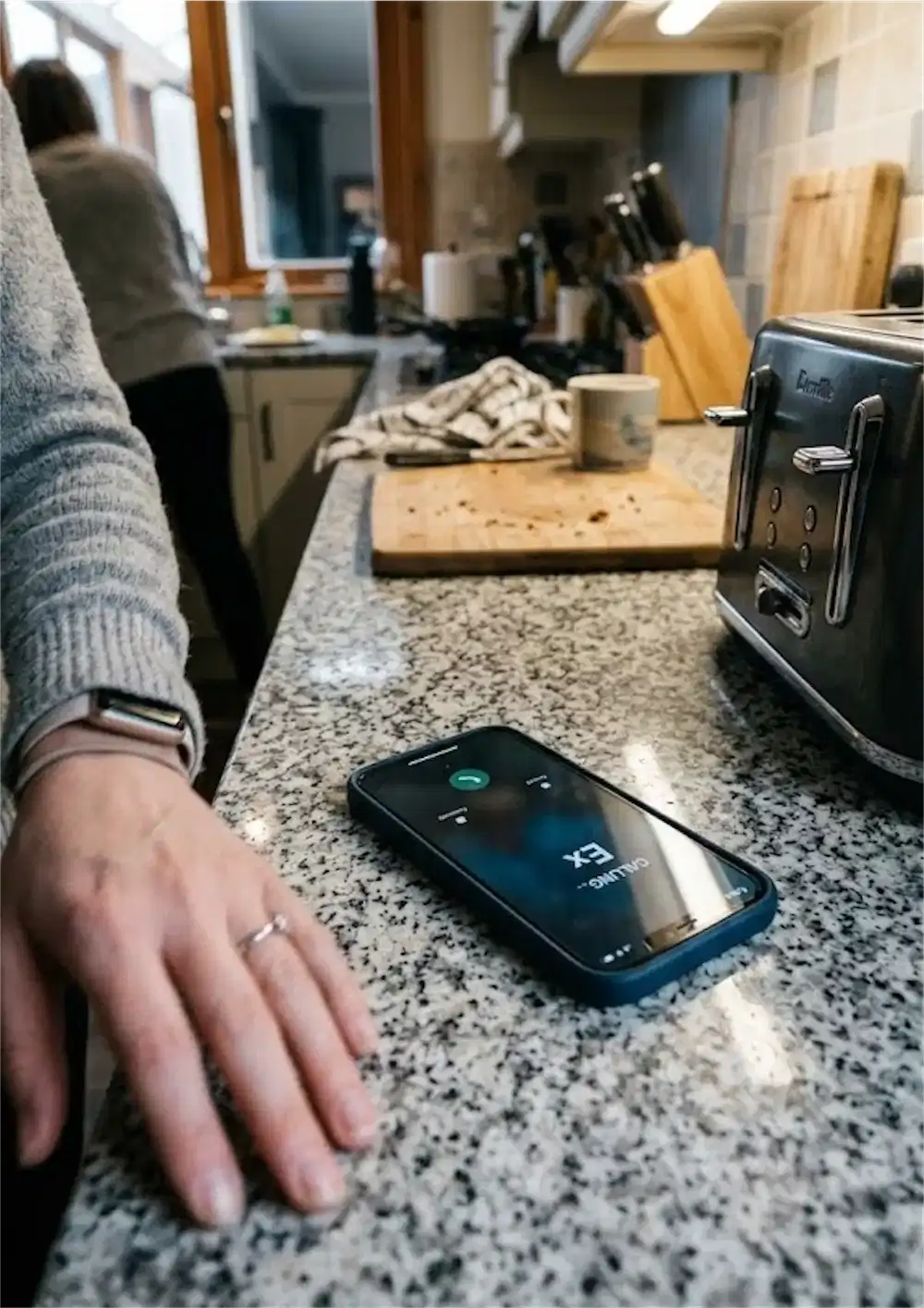
How to Stop the Impulse to Unblock Your Ex When You Feel Vulnerable or Lonely
The impulse to unblock your ex during late-night moments of deep vulnerability is a painful experience that many survivors of toxic relationships struggle to control. When you are feeling vulnerable, the craving for a familiar connection can easily bypass your rational thoughts. If you are currently fighting this urge, following a highly structured recovery path like the Radical No-Contact Guide & Workbook can give you the tools needed to stay grounded.
During my 12 years in a toxic relationship with a partner who displayed severe narcissistic and BPD traits, I experienced this cycle dozens of times. Every time I tried to break free, the subsequent isolation made my life feel completely miserable. I was entirely cut off from friends and had abandoned my hobbies, leaving a massive void that my brain desperately wanted to fill by unblocking my former partner.
But what is actually happening inside your brain when this overwhelming urge hits? It is not a sign of true love, but rather a neurochemical reaction that we must learn to navigate.
Why Do We Feel the Impulse to Unblock an Ex When Vulnerable?
The impulse to unblock an ex when feeling vulnerable is driven by a dopamine-fueled craving similar to chemical withdrawal, where the brain seeks instant relief from loneliness by returning to a familiar, albeit toxic, source of attachment.
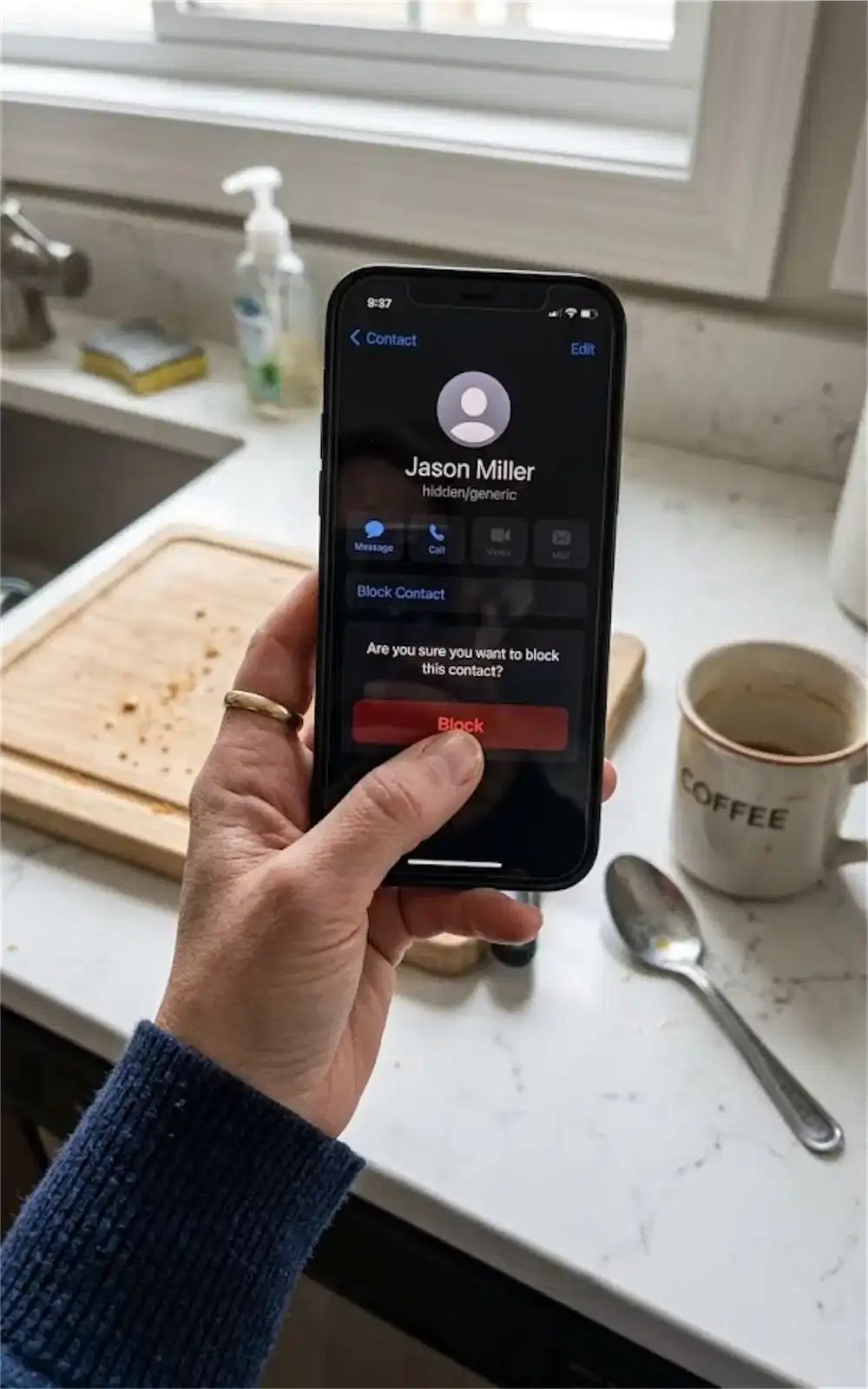
In a toxic relationship, the constant cycle of extreme highs and lows creates a powerful addiction. Your nervous system becomes accustomed to the intense spikes of dopamine during reconciliation and the crashes of cortisol during fights. When you finally cut contact, the sudden drop in these brain chemicals triggers severe withdrawal symptoms.
Do you find yourself remembering only the good times when you feel lonely? This is a psychological defense mechanism designed to protect you from the immediate pain of grief. In my decade-long relationship, I would block my partner after a devastating discard, only to unblock them a week later because the silence felt too heavy to bear.
Unblocking them feels like a quick fix to stop the emotional pain. However, it simply restarts the clock on your healing process and invites the toxic dynamic back into your life.
Recognizing the Triggers of Trauma Bond Withdrawal
When we are isolated, our minds naturally drift toward what is familiar. Recognizing your personal triggers is a major step in avoiding the urge to break your boundaries. You might notice specific trauma bond withdrawal symptoms such as physical restlessness, obsessive thoughts, or a deep sense of despair.
These triggers often strike when your defenses are lowest, such as during quiet evenings or Sunday afternoons. During my recovery, I realized that my desire to unblock my ex was never about wanting them back. It was actually about wanting to escape the discomfort of sitting with my own unresolved grief and codependency.
To rebuild your life, you have to find ways to soothe your nervous system without relying on the person who broke it. What steps can you take to build a buffer between the emotional urge and your physical actions?
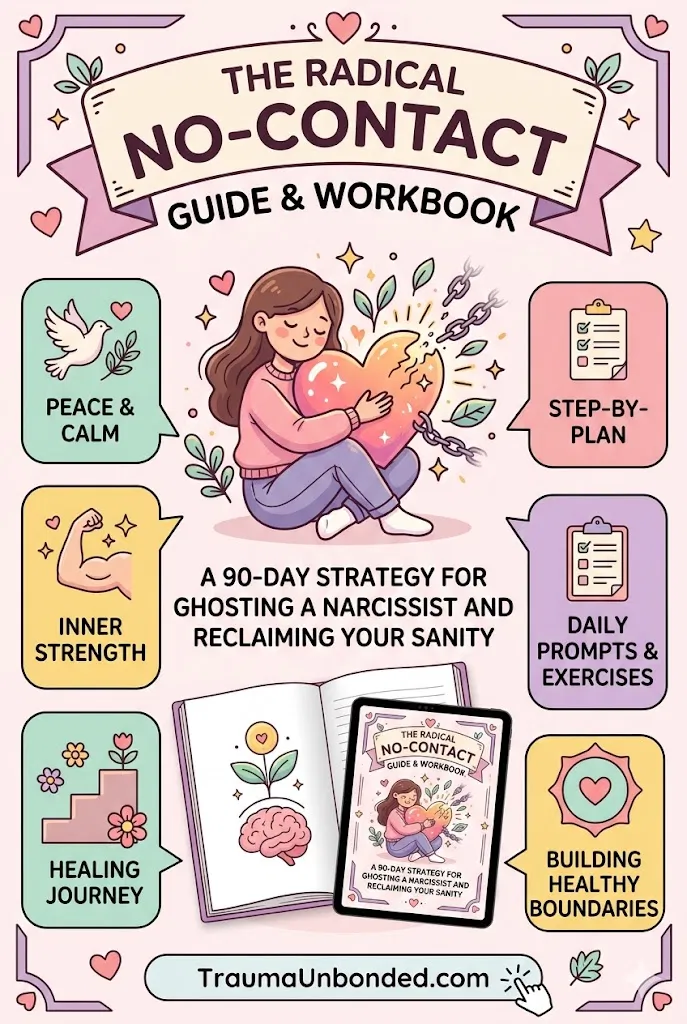
Reclaiming your peace requires more than just willpower; it demands a practical roadmap to navigate the hardest days of recovery. To help you resist the urge to break contact and protect your healing journey, we have designed a digital resource to keep you on track.
Tactical Steps to Stop the Urge to Unblock

When the panic of loneliness sets in, you need immediate, physical interventions to protect yourself. Simply telling yourself to be strong is rarely enough when the dopamine cravings are screaming for relief.
Here are several practical strategies that helped me rebuild my boundaries and can help you maintain a radical no contact guide lifestyle:
- Implement the 24-Hour Rule: When the urge to unblock your ex strikes, make a firm agreement with yourself to wait exactly 24 hours. Almost always, the intense emotional peak will subside within a few hours, allowing your rational mind to take over.
- Increase Digital Friction: Do not rely on your own self-discipline when you are exhausted. Delete their phone number entirely from your contacts so that even if you unblocked them, you would not be able to send a message.
- Stop Monitoring Their Life: Unblocking often starts with a seemingly harmless desire to check their profile. Learning to stop checking your ex’s social media is essential to starving the trauma bond of new information.
- Write an “Ugly Truth” List: Keep a physical list of the worst things they did or said to you on your phone’s notes app. Read this list immediately when you find yourself romanticizing the relationship.
Implementing these steps creates a protective buffer between your initial emotional reaction and your actual behavior.
Dealing with Loneliness Without Reopening the Door
The loneliness you feel after ending a toxic relationship is unlike normal breakup sadness. It is a profound, bodily ache that can make you feel completely empty. During my recovery, therapy helped me realize that I was fawning and trying to fix the pain by returning to my abuser.
According to a study on toxic bonds published by Psychology Today, breaking this cycle requires retraining your brain to handle distress without seeking comfort from the source of your pain. When you feel that empty space, try to find small, healthy ways to soothe your nervous system instead.
This might look like taking a warm bath, wrapping yourself in a heavy blanket, or calling a trusted friend who knows your story. Slowly, my life began to change as I reconnected with my old hobbies and rebuilt my support network.
It takes time to return to your original self, but every single day you choose not to unblock your ex, you are reclaiming a piece of your identity.
Remember that feeling lonely does not mean you made the wrong decision by leaving. It simply means you are healing from a deep wound that requires time, patience, and self-compassion. If you need a clear, structured roadmap to get through the most difficult days of this transition, consider downloading the Radical No-Contact Guide & Workbook to help you rebuild your boundaries and regain your peace of mind.

Meet Your Guide
Helen Brooks
After surviving a 12-year NPD/BPD relationship, I dedicated over a decade to studying trauma bonding and nervous system recovery. My mission is to help you break free from the fog and reclaim your authentic self.
Ready to break the trauma bond and reclaim your life?