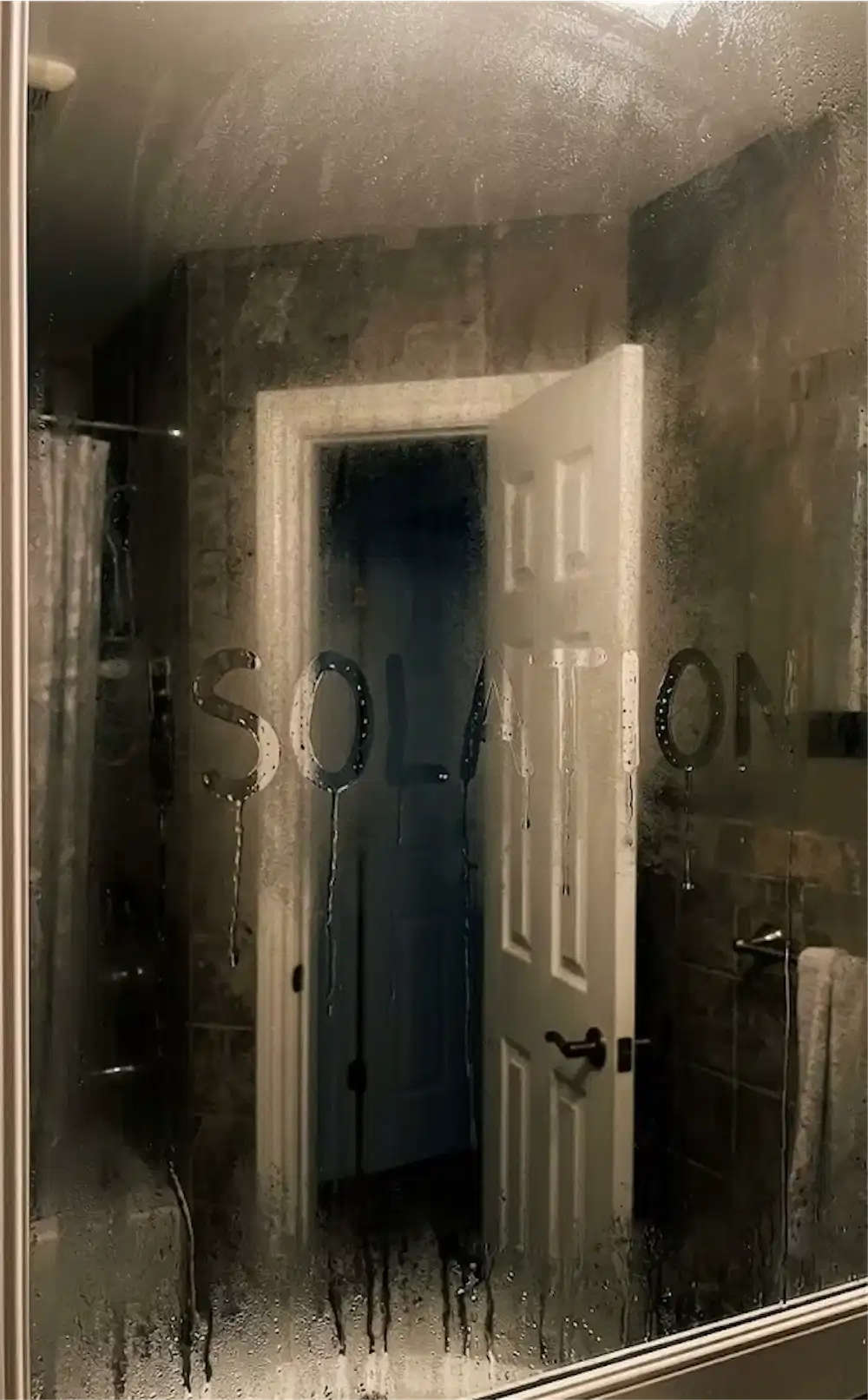
Ignoring a Narcissist: What Happens When You Stop Responding
Ignoring a narcissist is one of the most difficult things you will ever do, especially if you have been conditioned to jump at their every whim for years. I spent twelve years in a toxic loop with a partner who showed both NPD and BPD traits, and for a long time, the idea of not responding felt like a death sentence. I lived in a state of constant high alert, my phone practically glued to my hand because I was terrified of what would happen if I missed a single text message. If you are wondering what happens when you stop responding to a narcissist, you are likely at a breaking point where your own sanity is finally becoming more important than their constant demands for attention.
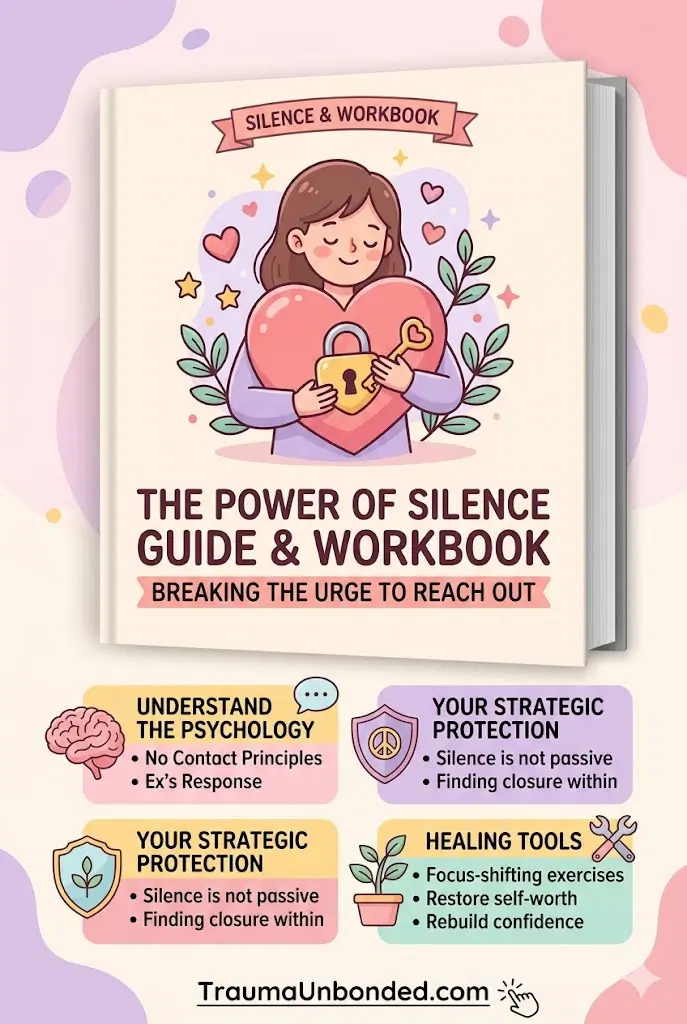
When you decide to go silent, you are not just being “rude” or “antisocial.” You are actually reclaiming your life from a person who views your attention as their fuel. During my recovery, I learned that this silence is the only way to break the biochemical addiction of a trauma bond. It is a scary path to walk at first, but it is the only way to return to the cheerful and grounded person you used to be. If you are struggling with the urge to reply right now, you might find comfort in The Power of Silence Guide & Workbook, which helps you stay firm when the pressure to engage feels unbearable.
The transition from being a constant source of supply to a silent wall is a shock to the system for both of you. You will feel a strange mix of guilt and relief, while they will likely go through a series of predictable stages to get you back under their control. How do you prepare for the storm that follows your silence? Let’s look at the reality of what happens when the “supply” finally runs dry.
The Immediate Reaction: Narcissistic Injury and Rage
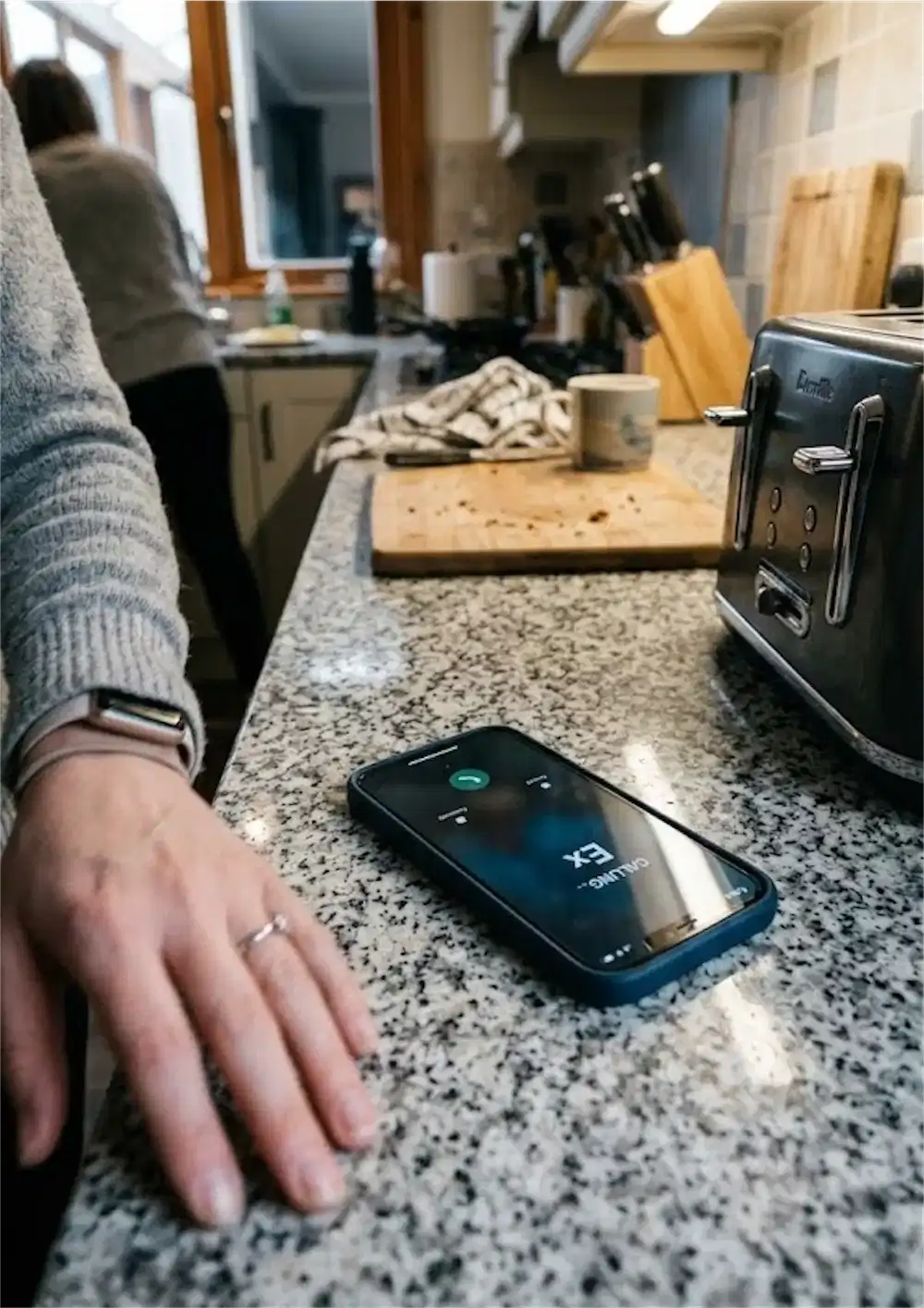
The moment you stop responding, you cause what is known as a narcissistic injury. To a person with these traits, your attention is a basic right they believe they own. When you take it away, it feels like a personal attack on their very existence. In my experience, this usually started with a flurry of confused messages. They might ask if you are okay or if your phone is broken, pretending to be concerned just to see if you will bite the bait.
When the fake concern fails, the mask usually slips. This is when the rage begins. They might send walls of text accusing you of being cruel, heartless, or even abusive for “abandoning” them. It is a classic case of projection. They are taking all the ways they neglected you for years and pinning those labels on you. Do you remember the times they gave you the silent treatment as a punishment? Now that you are using silence as a boundary, they will treat it as a crime.
This phase is where most people break and reply. The guilt can be overwhelming. You might feel like a “bad person” for not explaining yourself. But remember, you have likely explained yourself a thousand times over the years. They didn’t listen then, and they aren’t listening now. They are just trying to provoke a reaction to prove they still have power over your emotions. Staying silent during this rage is the first real step toward using the power of silence to heal.
The Extinction Burst: When Things Get Worse Before They Get Better
In psychology, there is a term called an extinction burst. Imagine a person who always gets a candy bar from a vending machine by pressing a button. One day, the machine doesn’t give the candy. The person doesn’t just walk away; they press the button harder, kick the machine, and scream at it. That is exactly what a narcissist does when you stop responding. They will escalate their behavior to an extreme level in a final attempt to get you to react.
During my own exit, this looked like dozens of missed calls in the middle of the night and sudden appearances at my favorite coffee shop. It was terrifying. They are testing your boundaries to see where the “breaking point” is. If you give in now, you are teaching them that they just need to be 10% more aggressive next time to get what they want. It is a test of will that requires you to stay grounded in your reality.
The Shift to Hoovering: The Fake Transformation
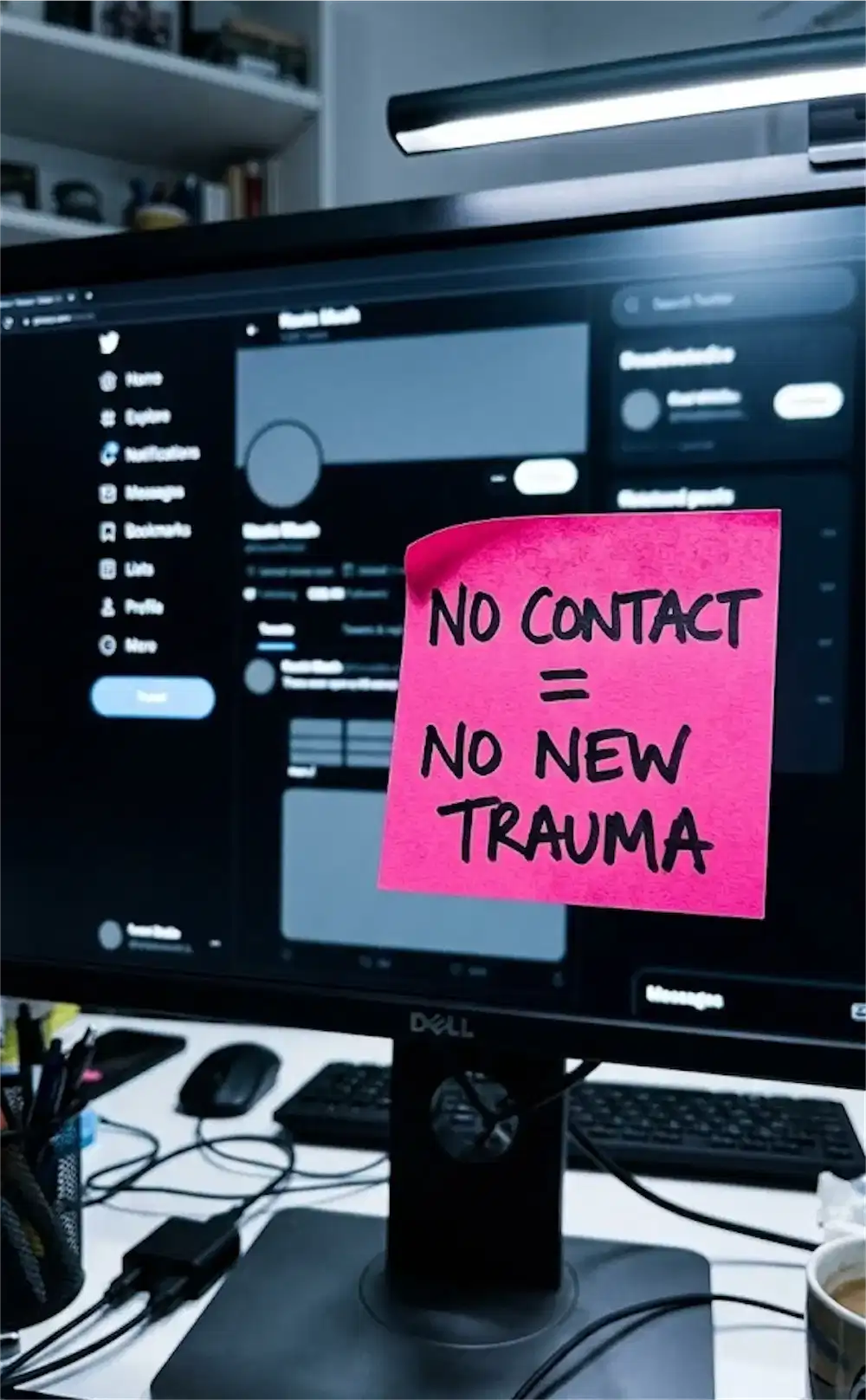
Once the rage fails to bring you back, the narcissist often changes tactics. This is called hoovering, named after the vacuum cleaner because they are trying to suck you back into the relationship. Suddenly, the person who was screaming at you yesterday is now sending you a heartfelt apology. They might say they have finally started therapy or that they realized how much they hurt you. This is the most dangerous part of the cycle because it plays on your empathy and the “original” version of them you fell in love with.
I remember receiving an email where my ex-partner wrote a list of everything they had done wrong and promised it would never happen again. After twelve years of being isolated and miserable, a part of me wanted to believe it so badly. But therapy taught me that this is just another form of manipulation. If you respond to a hoover, you are validating their belief that they can treat you however they want as long as they say the “right things” later. You must learn how to handle narcissist hoovering tactics without losing your progress.
They might also use “flying monkeys,” which are mutual friends or family members they recruit to contact you on their behalf. These people might tell you how “devastated” the narcissist is and pressure you to just send one text to clear the air. This is a trap. Any response, even a negative one, is a win for them because it breaks your silence. Your silence is a boundary that says, “You no longer have access to my energy.”
To truly break free from the constant noise and psychological pressure of a toxic ex, you need a structured plan that protects your mental health. This guide is specifically designed to help you maintain your silence even when the manipulation reaches its peak.
The Smear Campaign: Protecting Their Image
When you continue to ignore them, the narcissist realizes they have lost control over you. To protect their own ego, they must make you the “villain” in the story. This is when the smear campaign begins. They will tell anyone who will listen that you are the unstable one, that you are the abuser, or that you have completely “lost it.” They do this to ensure that if you ever speak the truth about what happened behind closed doors, no one will believe you.
In my case, I lost several friends who had been part of my life for a decade. It hurt deeply. I felt like I needed to go to every person and show them the saved text messages to prove my side. But here is the humble truth I learned through recovery: the people who truly know you will not be swayed by a obvious lie. Those who believe the narcissist without asking for your side were never your real support system anyway. Let them go. It is part of the “cleaning house” that happens when you finally prioritize your peace.
Ignoring the smear campaign is just as important as ignoring the direct messages. If you jump in to defend yourself, you are entering their arena. You are giving them the drama they crave. By staying silent and living your life well, you are providing the best evidence possible that their claims are false. A person who is “unstable” doesn’t usually spend their time quietly healing and rebuilding their hobbies.
Finding Your Original Self Again
The most beautiful thing that happens when you stop responding is the return of your own voice. For twelve years, my internal monologue was just a recording of my partner’s criticisms. When I stopped the external noise, I finally had space to hear myself. I realized I actually liked gardening. I realized I missed the version of me that was optimistic and laughed easily. You aren’t just “ignoring a narcissist”; you are creating a sanctuary for your own soul to grow back.
This process takes time. You might deal with C-PTSD symptoms or a nervous system that is stuck in fight-or-flight mode. That is why following a radical no contact guide is so helpful. It gives you a roadmap to follow when your brain is foggy and you feel like you are walking through mud. Every day that you don’t check their social media or reply to a “missing you” text is a day that your brain rewires itself for freedom.
Eventually, the narcissist will move on to a new source of supply. They need someone who will play the game, and you have officially retired. While it might sting to see them “happy” with someone else two weeks later, remember that they haven’t changed. They are just starting the same destructive cycle with a new person. You, on the other hand, are doing the hard work of breaking the cycle of codependency so you never have to be in this position again.
The silence you are keeping right now is not a weapon of malice. It is a shield of self-love. You are teaching yourself that your peace is not for sale. If you need more help navigating the quiet moments when the urge to reach out is strongest, I highly recommend checking out The Power of Silence Guide & Workbook. It was a game changer for me, and I know it can help you find that same grounded, cheerful version of yourself that has been waiting to come home.

Meet Your Guide
Helen Brooks
After surviving a 12-year NPD/BPD relationship, I dedicated over a decade to studying trauma bonding and nervous system recovery. My mission is to help you break free from the fog and reclaim your authentic self.
Ready to break the trauma bond and reclaim your life?