Parental Enmeshment Trauma: How It Distorts Adult Love
Parental enmeshment trauma often stays hidden until you find yourself trapped in a 12-year toxic relationship that feels impossible to leave. If you have ever wondered why you keep attracting narcissistic partners or why setting a simple boundary feels like a betrayal, the answer usually lies in your childhood home. For over a decade, I stayed with a partner who had both NPD and BPD traits because I was already trained to be a caretaker long before we met. If you are struggling with these patterns, you can find a way out by understanding the Codependency Recovery Plan that helps rebuild your lost identity.
Enmeshment is a type of emotional boundary crossing where a parent relies on their child for emotional support, validation, or identity. It is not about being “close” to your family; it is about being an extension of them. When I was deep in my toxic relationship, I didn’t realize that my inability to say no was a direct result of being my mother’s emotional stabilizer. Have you ever felt like your parents’ moods were actually your responsibility? That weight is a heavy burden that distorts how you view love as an adult.
In an enmeshed family, there is no “me,” only “us.” This lack of a solid self makes you a magnet for people who want to control or consume you. You learn early on that love means self-sacrifice. You learn that having your own hobbies or friends is “selfish.” By the time I finally escaped my narcissist, I was a shell of a person with no interests of my own. I had been living for others for so long that I didn’t even know what I liked to eat for breakfast. Healing requires looking at how a narcissistic mother guilt bond kept you small for decades.
Signs of Enmeshment Trauma in Adulthood
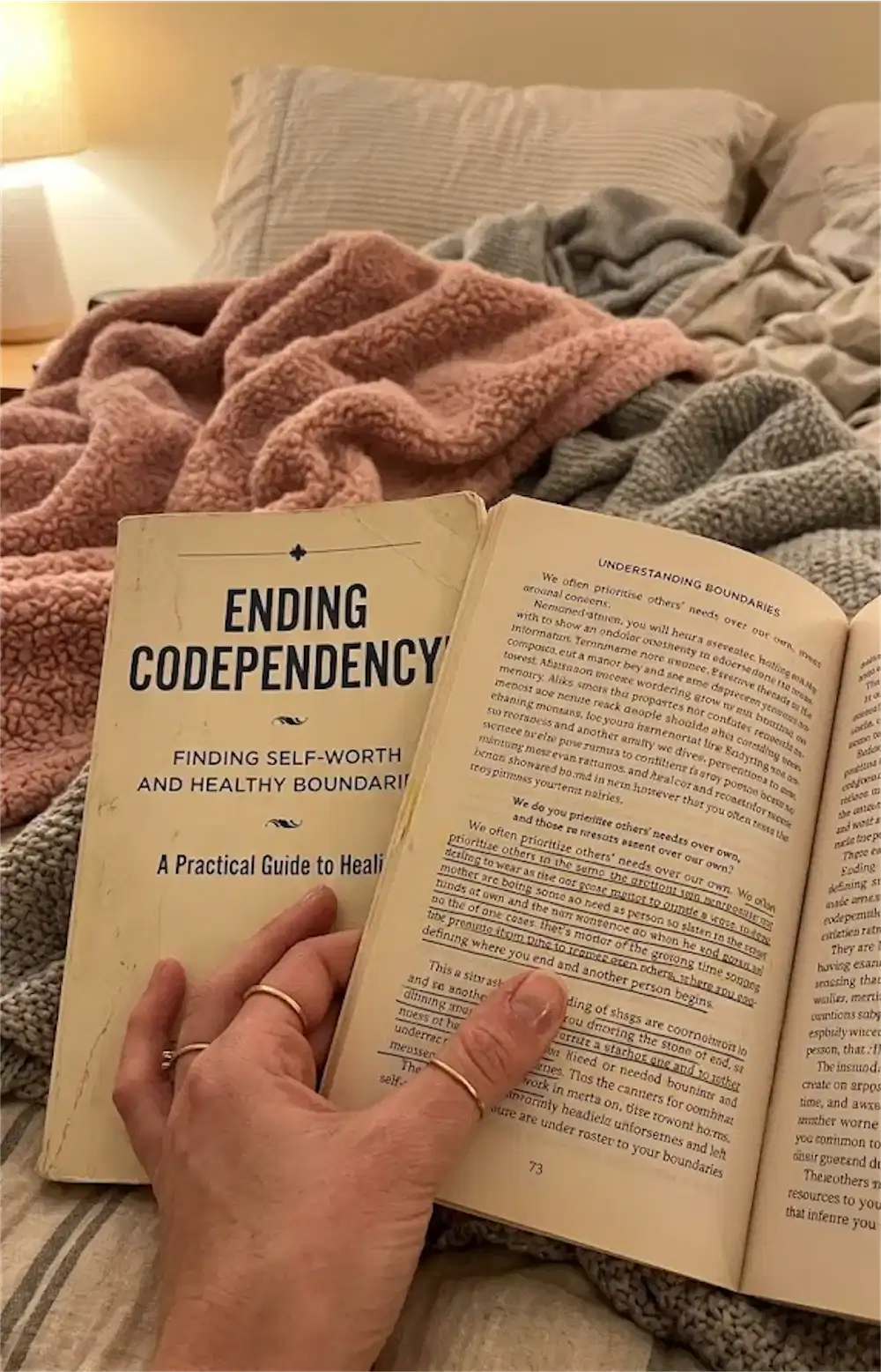
Identifying parental enmeshment trauma can be difficult because it is often disguised as “extreme loyalty” or “being a good child.” In my 12-year struggle, I thought I was being a supportive partner, but I was actually repeating a childhood pattern of emotional caretaking. One major sign is a constant feeling of guilt when you do something for yourself. If you go to the gym instead of answering a phone call and feel a pit in your stomach, that is enmeshment talking. It is a voice that says your life belongs to someone else.
Another sign is the “fawn” response, where you instinctively try to please others to avoid conflict. In my toxic relationship, I became an expert at reading my partner’s micro-expressions. I could tell by the way he set down a glass of water if I was in for a night of the silent treatment. This hypervigilance was a skill I learned as a child to keep the peace at home. Does your partner’s anger feel like a life or death situation to you? If so, you are likely dealing with a deep-seated trauma bond biochemical addiction that started in your early years.
Adult children of enmeshed parents often struggle with decision-making. You might find yourself calling your parent or partner for every little choice, from what car to buy to what clothes to wear. This happens because your internal compass was never allowed to develop. You were taught that your opinions were secondary to the family’s needs. Breaking this cycle means learning to trust your own gut again, even when it feels terrifying to stand alone.
Why Enmeshment Leads to Narcissistic Abuse
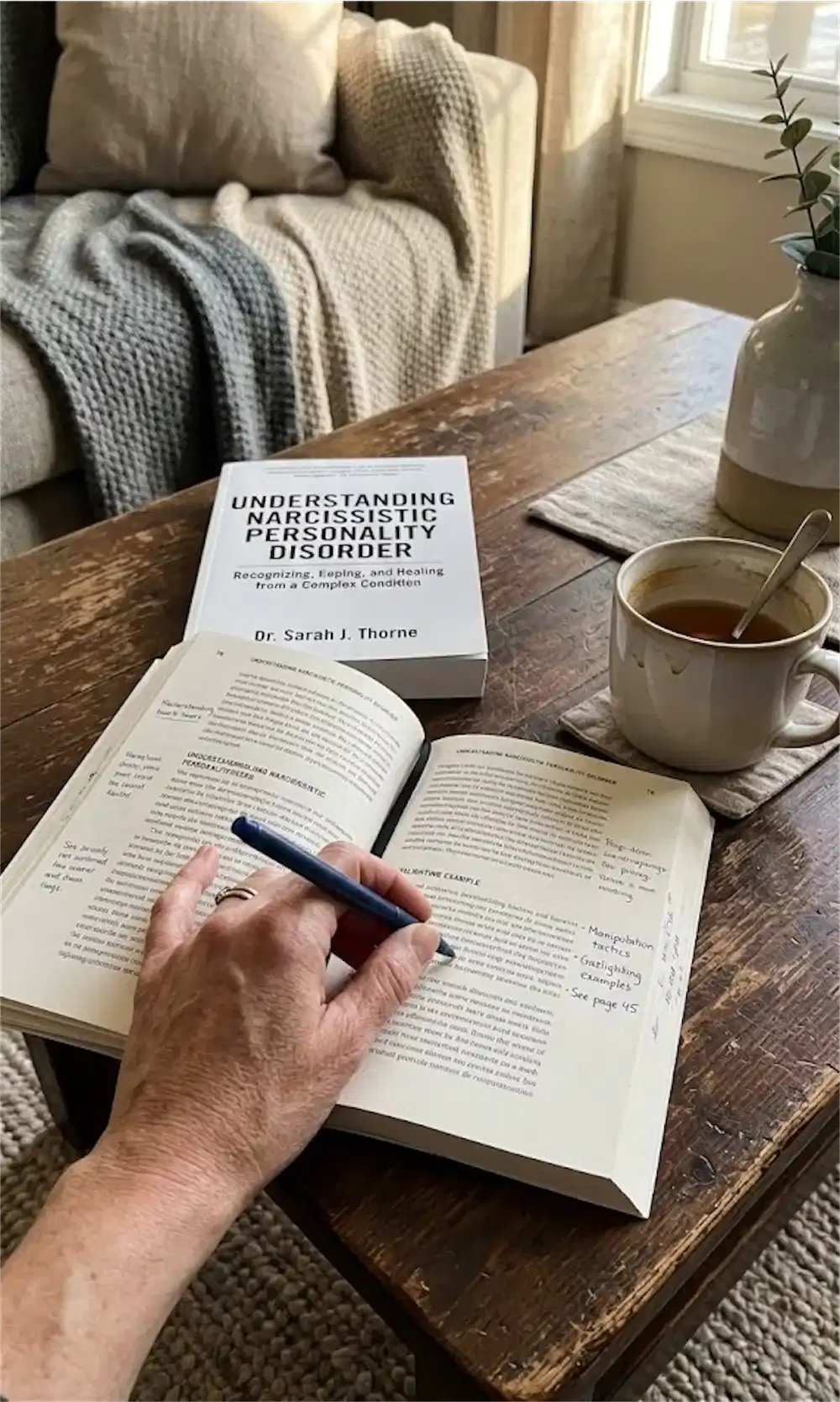
Narcissists and people with BPD traits look for “fixers” and “absorbers.” If you grew up with parental enmeshment trauma, you are the perfect candidate because you have a high tolerance for emotional chaos. You are used to being blamed for things that aren’t your fault. When my ex would gaslight me, telling me that I was the reason he was unhappy, it felt familiar. It didn’t feel like a red flag; it felt like home. This familiarity is what makes toxic relationships so dangerous and hard to leave.
You may also have a “distorted mirror” of who you are. An enmeshed parent doesn’t see you as an individual; they see you as a tool to meet their needs. A narcissist does the exact same thing. During my decade of abuse, I was praised only when I was useful. When I started to have my own opinions, the “devaluation” phase began. If you are used to being a parent’s emotional caretaker, you will mistake a narcissist’s “love bombing” for the deep connection you always craved but never truly received.
The lack of boundaries in enmeshed families means you don’t know where you end and the other person begins. This makes it very easy for a toxic partner to invade your privacy, control your finances, or isolate you from friends. I remember feeling like I had no “skin” to protect me from his moods. I was constantly raw and exposed. This is why people who survive these childhoods often find themselves in relationships where they are being used for “supply.”
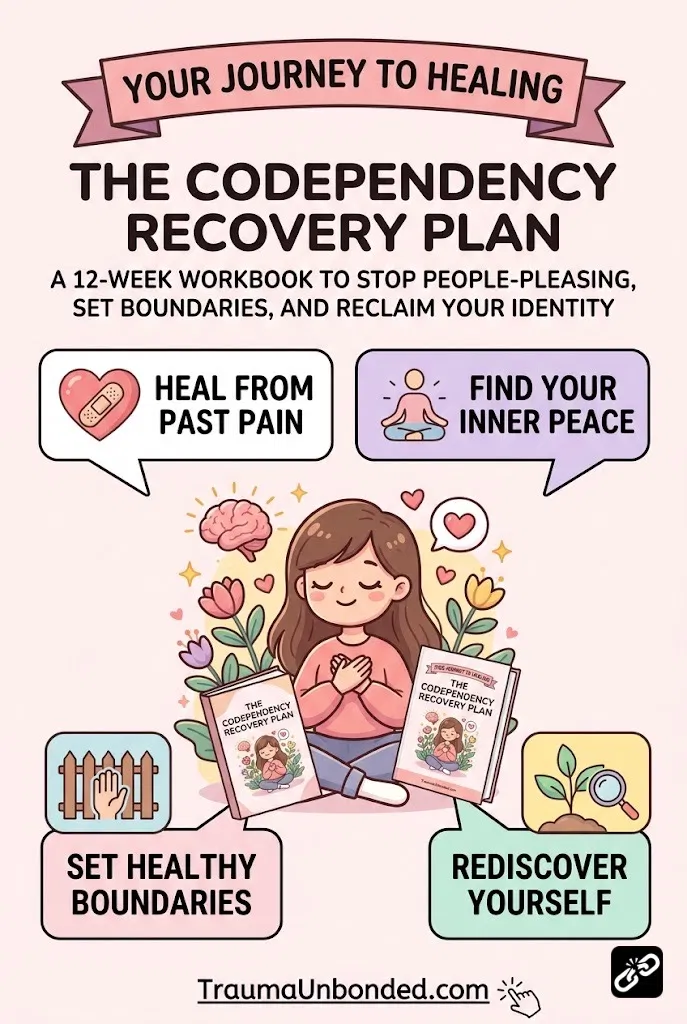
Breaking free from the cycle of people-pleasing and emotional caretaking requires a structured approach to rebuilding your boundaries and sense of self. To truly move forward and stop the cycle of toxic love, you need a clear map for your recovery journey.
Breaking the Enmeshment Cycle in Adult Love
Healing from parental enmeshment trauma is a slow process of “individuation.” This is the psychological term for becoming your own person. For me, this started in therapy, where I finally realized that my 12-year relationship was just a sequel to my childhood. I had to learn that it was okay to have a thought that my partner or parent didn’t agree with. Have you ever practiced saying “no” in front of a mirror? It sounds silly, but when you have been enmeshed your whole life, that word feels like a physical weight in your throat.
Setting boundaries is the only way to stop the distortion of love. When I first started setting boundaries after my breakup, I felt like a “bad” person. I felt cold and cruel for not answering texts immediately. But the truth is, boundaries are not meant to keep people out; they are meant to keep you in. They protect your energy so you don’t burn out. If you are struggling with the guilt of leaving a toxic situation, using a shadow work codependency guide can help you uncover the root of those feelings.
You also have to grieve the childhood you didn’t have. You have to accept that your parent might never be able to see you as a separate, autonomous adult. This realization is painful, but it is also where the freedom starts. Once I stopped trying to get my mother’s or my ex-partner’s approval, I finally had the energy to build a life I actually enjoyed. I returned to my “original self” by picking up the hobbies I had dropped a decade ago, like painting and hiking. I realized that my value wasn’t tied to how much I could do for others.
Rebuilding Trust and Finding Healthy Connections
Healthy love feels “boring” compared to the high-intensity drama of an enmeshed or narcissistic relationship. If you are used to a constant roller coaster of emotions, a stable partner might feel “wrong” at first. This is because your nervous system is addicted to the stress hormones of the toxic cycle. It took me a long time to realize that peace is not the same thing as a lack of passion. Real love respects your boundaries and encourages your independence. It doesn’t ask you to disappear.
Finding your way back to yourself after 12 years of being “unbonded” is a massive achievement. You will have days where you want to crawl back into the safety of being a “people pleaser” because it’s what you know. But remember the misery of those years. Remember the isolation. Today, I am cheerful and optimistic because I no longer carry the weight of everyone else’s emotions. I have learned to ground myself in my own reality, and you can do the same.
Start small. Choose a hobby that is just for you. Spend time with friends who don’t demand anything from you. Notice how it feels to make a choice without asking for permission. These small wins build the foundation of a new life. You were never meant to be a supporting character in someone else’s story. You are the lead. If you are ready to stop people-pleasing and finally reclaim your life, the Codependency Recovery Plan is the perfect tool to guide you home to yourself.
The distortion of love caused by parental enmeshment trauma can be corrected with time, patience, and the right education. You are not broken; you were just trained to survive in a way that no longer serves you. It is time to let go of the “fixer” mask and see who is actually underneath.

Meet Your Guide
Helen Brooks
After surviving a 12-year NPD/BPD relationship, I dedicated over a decade to studying trauma bonding and nervous system recovery. My mission is to help you break free from the fog and reclaim your authentic self.
Ready to break the trauma bond and reclaim your life?