Is Broken No Contact Always a Sign of Weakness? (Hint: No, and Here’s How to Restart)
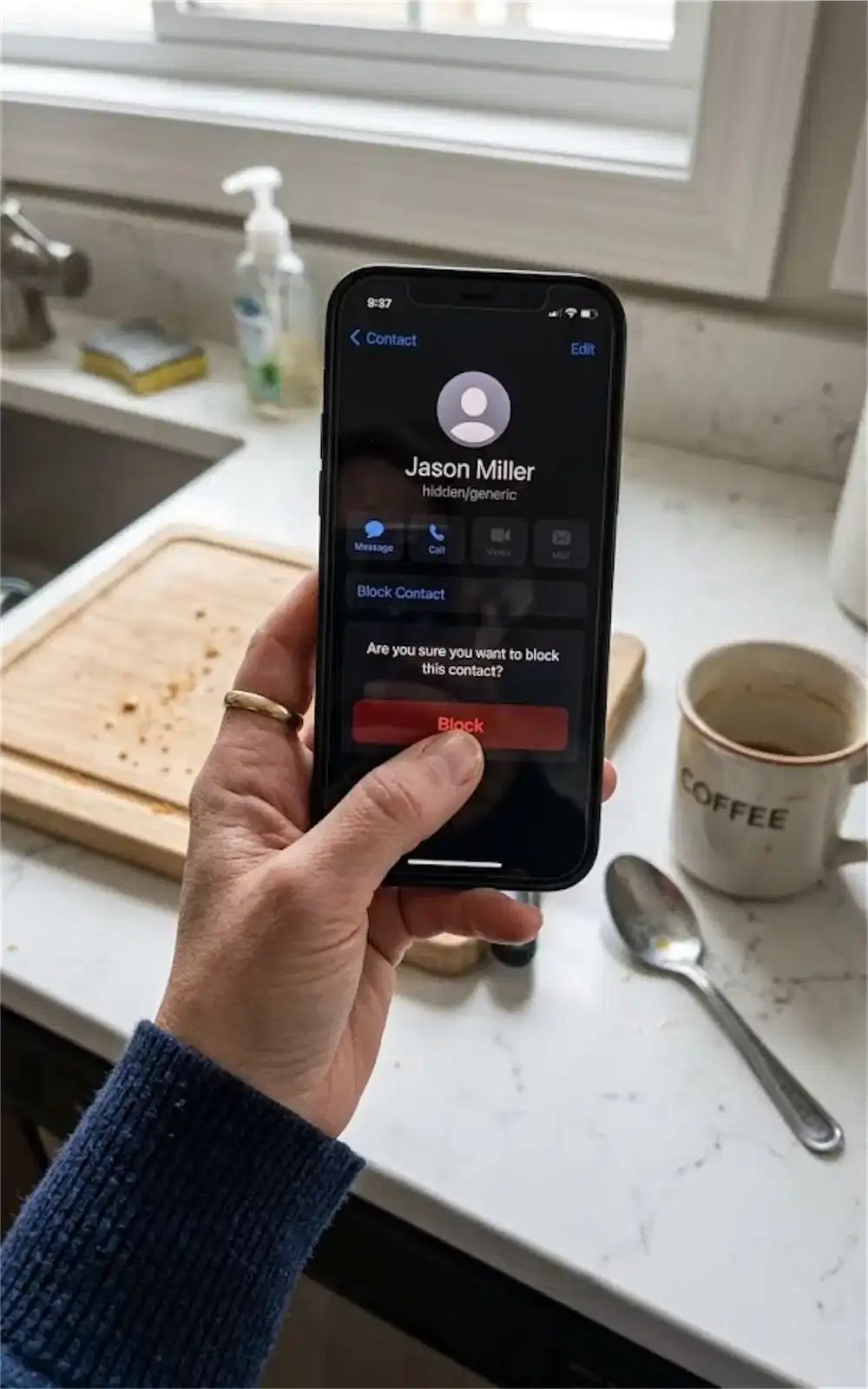
Broken no contact is one of the most common hurdles you will face when trying to escape a toxic relationship, but it is not a sign of personal failure. When you are trying to figure out how to restart no contact after breaking it, the weight of guilt can feel absolutely paralyzing. If you have recently sent that text or answered that late-night phone call, please take a deep breath; you have not ruined your recovery, and you are far from alone.
During my own 12-year toxic relationship with a partner who showed deep traits of both narcissistic personality disorder and borderline personality disorder, I fell off the wagon repeatedly. Every time I tried to break free, the agonizing pull of the attachment would drag me back, leading to another painful round of breaking no contact with a narcissist. If you feel stuck in this exhausting cycle, following a systematic blueprint like The Radical No-Contact Guide & Workbook: A 90-Day Strategy for Ghosting a Narcissist and Reclaiming Your Sanity can provide the practical steps needed to rebuild your life.
Why do we sabotage our own freedom? Is it because we lack willpower, or is there something deeper happening inside our bodies and brains? Understanding the science of your bond is the first step to forgiving yourself and moving forward.
Is Broken No Contact Always a Sign of Weakness?
Broken no contact is not a sign of personal weakness, but a direct result of biochemical withdrawal from an intense trauma bond. Reaching out to a toxic ex is a common setback that provides valuable insights into your emotional triggers, allowing you to strengthen your boundaries for the next attempt.
Labeling yourself as weak because you reached out to your ex ignores the profound biological reality of emotional abuse. A toxic relationship functions much like a chemical addiction, leaving your nervous system constantly desperate for a fix of validation or relief. When we experience breaking no contact, we are usually just trying to escape the overwhelming panic of sudden abandonment.
Think back to how you felt right before you sent that text message. Was it a conscious, happy choice, or did it feel like an involuntary itch you simply had to scratch? In my decade-long relationship, I remember sitting on my bathroom floor, shaking, convinced that a single reply from my ex was the only thing that could make the chest pain stop. That is not weakness; that is a physiological crisis.
The Biology of the Trauma Bond Withdrawal
When you are dealing with a partner who fluctuates between intense love-bombing and cold rejection, your brain becomes flooded with dopamine and cortisol. This rollercoaster creates a state of physiological dependence. According to research on attachment trauma published in Psychology Today, the brain processes the loss of a toxic partner similarly to drug withdrawal, triggering intense physical cravings and deep distress.
This biological trap explains why so many survivors experience severe trauma bond withdrawal symptoms during the first few weeks of silence. Your logical mind knows that this person is harmful, but your survival brain is screaming for safety. When the pain of isolation becomes too intense, your defenses crumble, and you reach out just to make the agony stop.
Instead of viewing this lapse as a total failure, try to see it as a symptom of a real injury. You would not blame a person with a broken leg for limping, so do not beat yourself up for struggling to walk away from a highly addictive bond. Every single slip-up is simply a signpost showing you where your boundaries need more support.
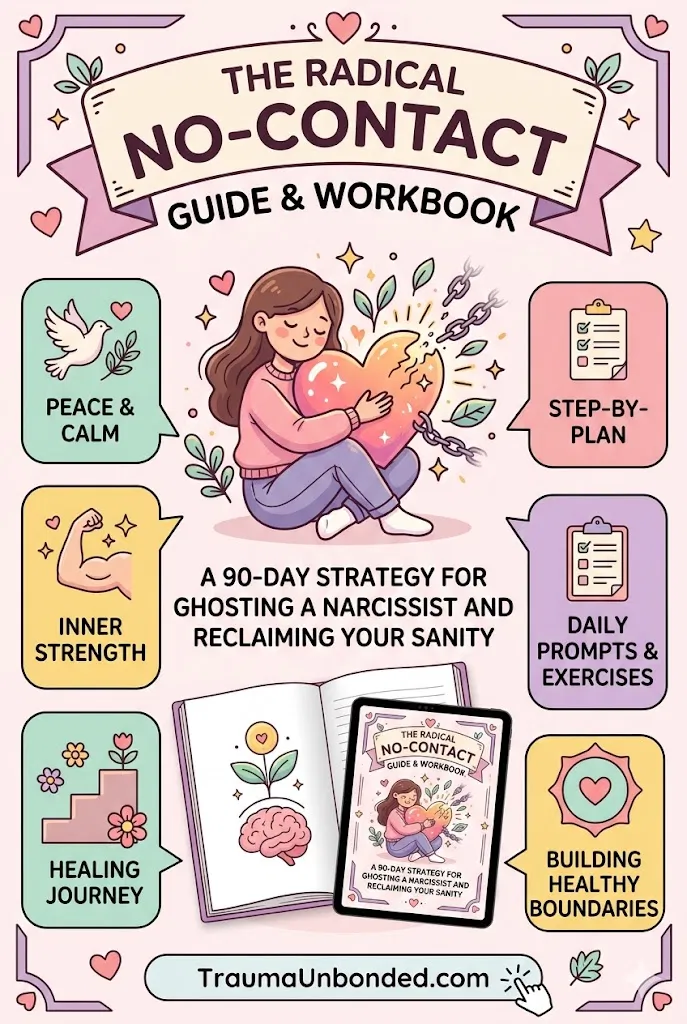
If you want to stop the cycle of constant relapse and protect your peace, having a structured, day-by-day plan makes all the difference. Instead of relying on raw willpower alone, you can use a step-by-step framework designed to guide your brain safely through the withdrawal phase. The specialized resource below is built specifically to help you maintain your distance and rebuild your sense of self.
How to Restart No Contact After Breaking It
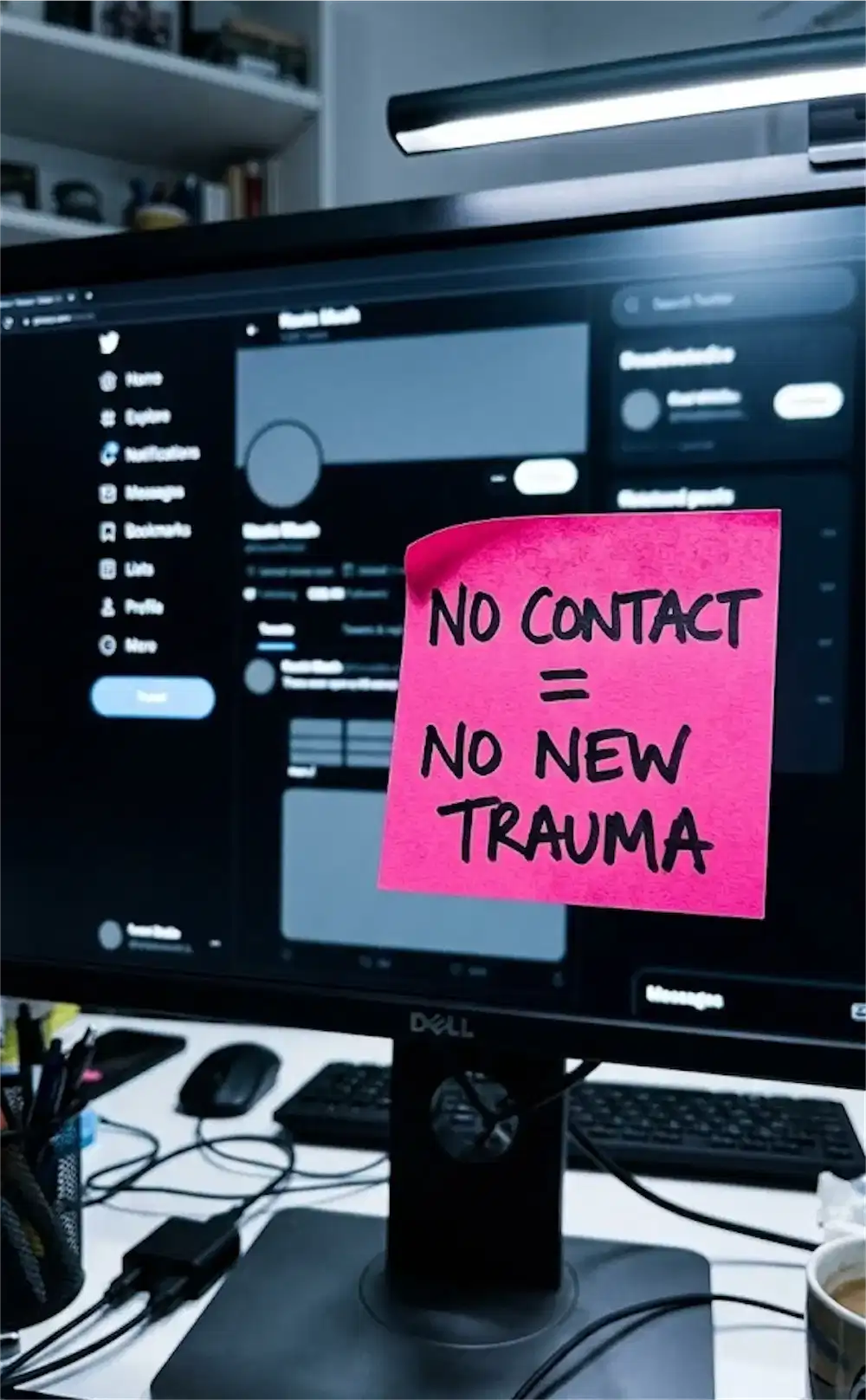
The moment you break contact, a window of vulnerability opens up. Your toxic ex may ignore you to punish you, or they may use the opportunity to pull you back in with empty promises. No matter how they respond, your immediate focus is to close that window and reclaim your footing.
Restarting no contact requires you to pivot away from self-punishment and move toward active protection. You cannot change the text you sent five minutes ago, but you can control what you do in the next five minutes. It is about shifting your focus from the mistake itself to the practical steps required to secure your peace of mind.
Steps to Get Back on Track and Stay There
Recovering from a slip-up is a structured process that relies on small, manageable actions. When you are rebuilding your boundary, try to focus on these specific steps:
- Practice Radical Self-Forgiveness: Shame is the ultimate enemy of recovery because it makes you feel like you have nothing left to lose, which often drives you right back to your ex. Accept that you made a mistake, remind yourself that healing is not linear, and let go of the guilt.
- Audit Your Digital Boundaries: If you broke contact because their name popped up on your screen, it is time to tighten your digital defenses. Use our comprehensive no contact recovery roadmap to identify any lingering communication channels you might have left open.
- Identify the Exact Trigger: What happened right before you reached out? Were you feeling lonely on a Friday night, did you hear a specific song, or did you receive bad news? Pinpointing the trigger helps you build a solid plan to handle that exact emotion next time.
- Build a Safe Outflow for Your Urges: When the urge to text hits, you need an alternative action that does not involve your ex. Write your thoughts down in a journal, call a trusted friend who understands narcissistic abuse, or go for a brisk walk to clear the adrenaline.
In my recovery, I realized that my slip-ups usually happened late at night when my defenses were down and the loneliness felt suffocating. Once I identified this pattern, I made a rule to put my phone in a drawer in another room before going to bed. Taking away the ease of access made a massive difference in keeping my boundaries intact.
Protecting Your Peace Moving Forward
Breaking contact is a painful bump in the road, but it does not define your journey. Every time you pick yourself up, dust yourself off, and choose to try again, you are building the psychological resilience needed for long-term recovery. You are teaching your brain that you can survive the discomfort of withdrawal without relying on a toxic relationship for relief.
If you are ready to stop the cycle of breaking contact and want to build unbreakable boundaries, check out The Radical No-Contact Guide & Workbook: A 90-Day Strategy for Ghosting a Narcissist and Reclaiming Your Sanity. This resource will guide you step-by-step through the process of rebuilding your life, recovering your true self, and finally finding the lasting peace you deserve.

Meet Your Guide
Helen Brooks
After surviving a 12-year NPD/BPD relationship, I dedicated over a decade to studying trauma bonding and nervous system recovery. My mission is to help you break free from the fog and reclaim your authentic self.
Ready to break the trauma bond and reclaim your life?