How No Contact Can Trigger a Narcissist’s Injury and What That Means for Your Safety
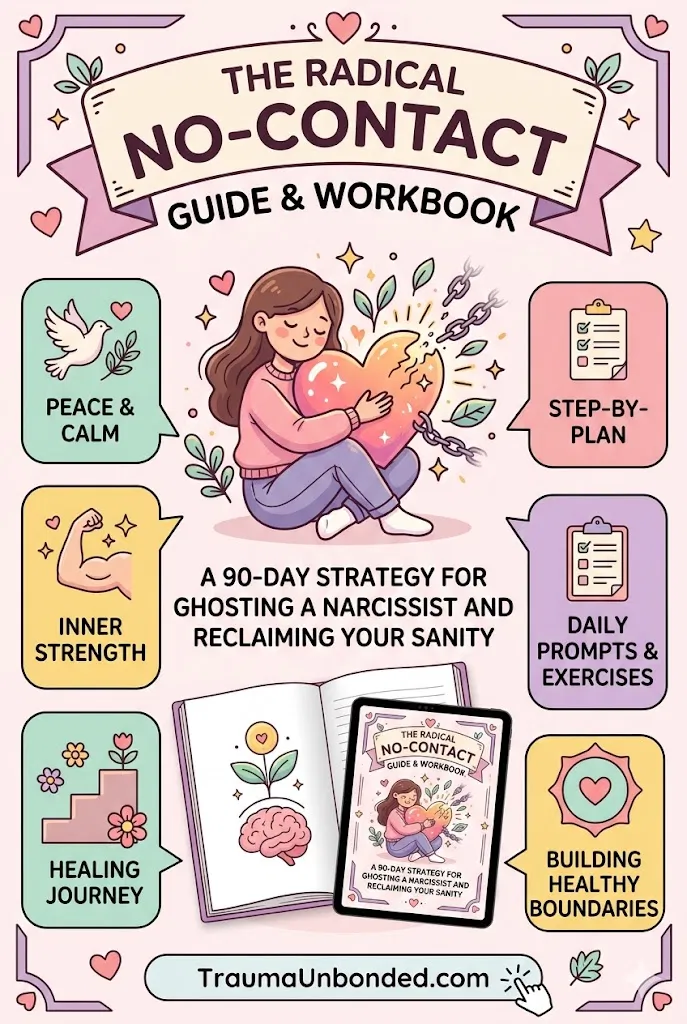
Deciding on going no contact with a toxic partner is one of the most stressful choices you will ever make, especially when you realize how no contact can trigger a narcissist’s injury. During my 12-year relationship with a partner who had both narcissistic and borderline traits, I spent years walking on eggshells, terrified of what might happen if I finally left. When I eventually chose my sanity and cut ties, I realized that understanding the link between a narcissist’s injury and safety was key to surviving the fallout. If you are currently trying to navigate this difficult transition, resources like The Radical No-Contact Guide & Workbook can offer a practical, step-by-step roadmap to protect your sanity and physical space.
When you block their number, ignore their emails, or refuse to engage with their drama, you are not just ending a relationship. You are actively dismantling their fragile sense of self. How do they process this sudden lack of attention? To understand their dramatic reaction, we have to look closely at what happens behind their carefully constructed facade of superiority.
What Happens to a Narcissist When You Go No Contact?
Going no contact shatters a narcissist’s illusion of absolute control, triggering a deep psychological wound known as narcissistic injury. Because their fragile self-esteem relies entirely on external validation, your silence is perceived as the ultimate form of rejection, often leading to intense rage or desperate manipulation.
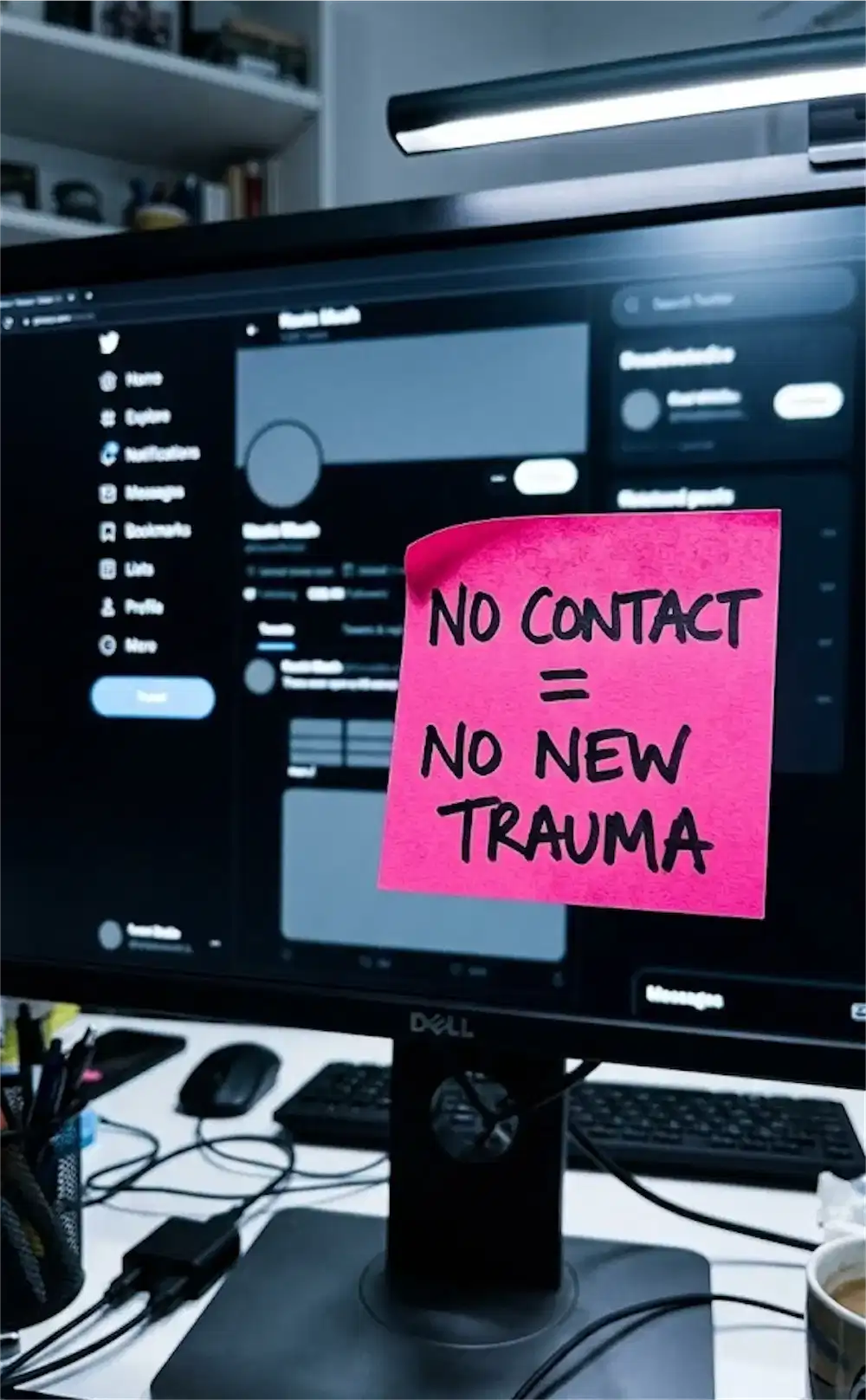
In my twelve years of trying to manage my ex’s emotional volatile episodes, I did not know the clinical terms. I just knew that if I did not reply to a text fast enough, the reaction was explosive. My silence felt to them like a physical blow. When you go no contact, you are cutting off their lifeblood, which is your attention.
In psychology, this reaction is called a narcissistic injury. It happens because a highly narcissistic person does not have a stable, internal sense of self-worth. They rely on external validation, also known as supply, to feel alive and important. When you cut off that supply, their fragile ego collapses. According to how psychological research defines narcissistic injury, this sudden loss of control is experienced by the narcissist not as mere disappointment, but as a severe existential threat.
They cannot process the idea that they are not the center of your world. When you stop responding, you force them to look at their own emptiness, which is something they will avoid at all costs. Instead of reflecting on their behavior, they externalize their pain, turning it into intense resentment directed entirely at you.
Why Your Silence Feels Like an Attack to Them
For a highly toxic partner, control is the only currency that matters. When you establish strict no-contact boundaries, you are taking away their power to dictate the terms of the relationship. If you want to understand how they shift tactics, reading our toxic breakup survival guide can help you make sense of the sudden chaos. Why does your silence trigger such a hostile reaction? It is because they view you as an extension of themselves, not as an independent human being with your own needs.
First comes the disbelief. When they realize you are serious, the injury triggers narcissistic rage, which is a punitive reaction designed to force you back. When rage fails, they pivot to hoovering to pull you back with guilt or fake emergencies. If you are dealing with these tactics, learn how to handle narcissist hoovering tactics to stay grounded.
They might show up at your workplace, send mutual friends to check on you, or invent a crisis that requires your immediate attention. In my own recovery, I had to learn the hard way that every single attempt to reach out was just another bid for control. They did not miss me; they missed the way I regulated their emotions for them.
Taking back your life requires more than just willpower. It takes a solid, strategic plan that helps you stand firm when the manipulation tactics intensify. If you feel ready to build an unbreakable boundary and protect your peace of mind from their post-breakup reactions, the workbook below is designed to give you the precise tools you need to stay strong.
The Reality of a Narcissist’s Injury and Safety Risks
When a narcissist’s fragile ego is deeply wounded, their behavior can become highly unpredictable. This is where understanding the connection between a narcissist’s injury and safety becomes critical. In their mind, your departure is an act of treason. They may feel justified in punishing you to restore their sense of dominance, which is why your physical and digital security must be your highest priority.
During my own narcissistic abuse recovery, I assumed that my ex would eventually get bored and move on. Instead, the loss of control triggered a smear campaign that targeted my friendships and professional reputation. They painted themselves as the true victim, rewriting the history of our twelve years together. It was a painful lesson in how far an injured ego will go to save face.
If you have recently gone cold turkey, do not underestimate their capacity for retaliation. It is not about love; it is about winning. When they lose control over you, they will attempt to control how other people see you. This is why having a clear no-contact recovery roadmap is essential to help you anticipate their moves and protect your sanity.
Practical Steps to Protect Your Safety After Going No Contact
To navigate the fallout of a triggered narcissistic wound, you must take practical, proactive steps to secure your environment. Do not leave your safety to chance or assume they will respect your boundaries. Implement these measures immediately to shield yourself from their reactions:
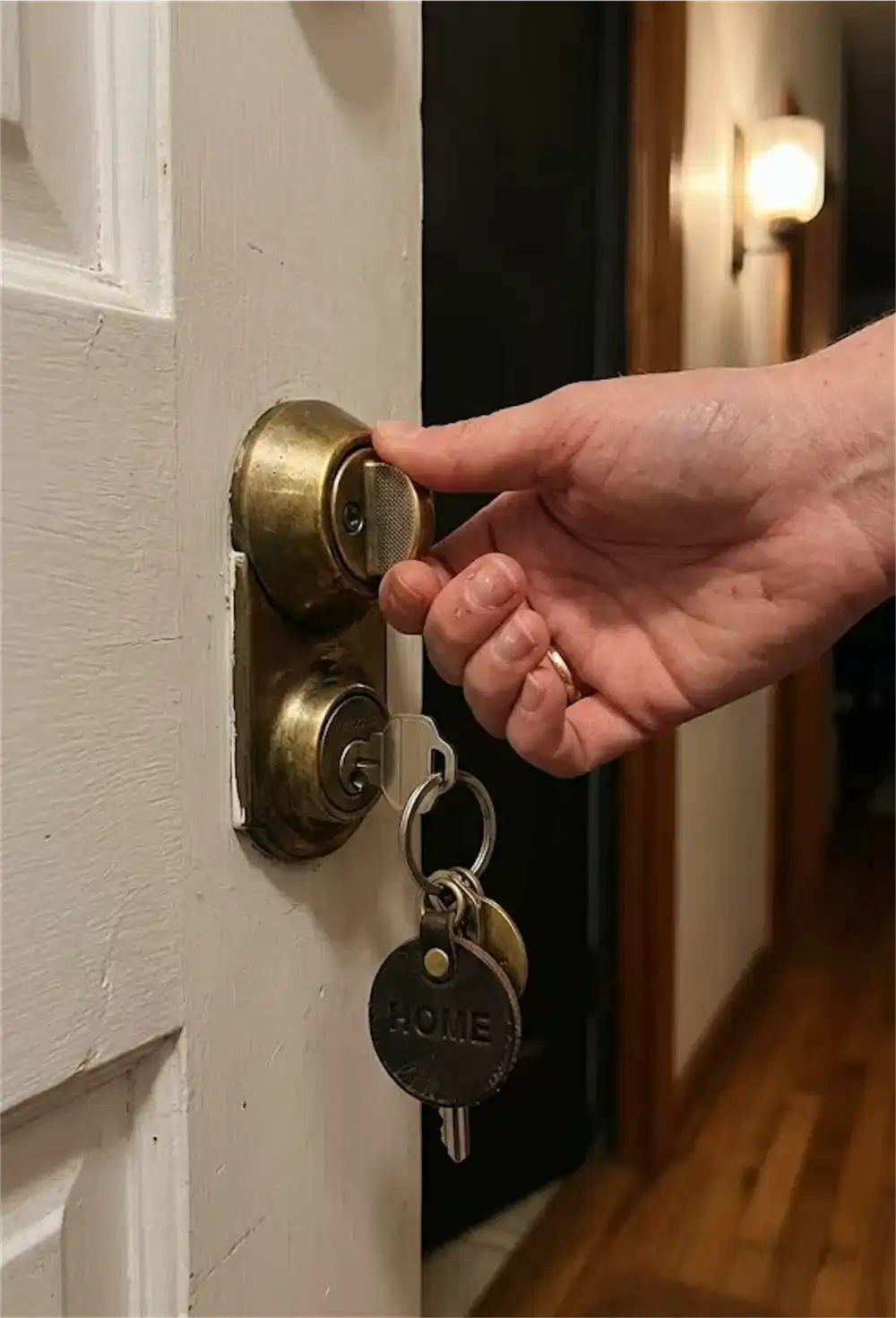
- Secure Your Physical Space: Change your home locks if your ex ever had access to a key, and consider installing a security camera at your front door. Knowing who is at your door before you open it provides invaluable peace of mind.
- Execute a Complete Digital Block: Go beyond blocking their phone number. Block their profiles, email addresses, and even Venmo or Spotify accounts. Do not leave any small window open for them to send a subtle message or track your life.
- Keep a Documented Paper Trail: Save screenshots of any voicemails, emails from burner accounts, or unwanted packages sent to your address. Store these in a secure digital folder rather than looking at them daily, keeping them only in case you need a legal restraining order.
- Coordinate with Your Support System: Inform close neighbors, coworkers, and trusted friends that you are no longer in contact with this person. Let them know that your ex should not be given any information about your schedule, location, or well-being.
When I was in the thick of it, taking these steps felt paranoid and extreme. I felt guilty, wondering if I was overreacting to a person I once loved. But boundaries are not meant to punish the other person; they are meant to keep you safe. Your peace of mind is worth every single boundary you choose to build.
Healing is not a linear path. There will be days when the silence feels incredibly heavy and you find yourself missing the chaotic highs. Remember that the urge to reach out is often just trauma bond withdrawal, not a sign that you made the wrong choice. Standing firm in your decision is the only way to break the cycle and return to the person you were before the abuse began.
If you are struggling to maintain your boundaries and find yourself wanting to respond to their texts, remember that your silence is your ultimate shield. To help you navigate the complex emotional challenges of the next three months, The Radical No-Contact Guide & Workbook provides the structured support, journal prompts, and safety strategies needed to reclaim your life, rebuild your self-worth, and stay safe through the storm.

Meet Your Guide
Helen Brooks
After surviving a 12-year NPD/BPD relationship, I dedicated over a decade to studying trauma bonding and nervous system recovery. My mission is to help you break free from the fog and reclaim your authentic self.
Ready to break the trauma bond and reclaim your life?