The Difference Between Narcissistic Abuse and Reactive Abuse: Understanding the Trap
If you have ever found yourself screaming in a pitch-black room at 2 a.m. while your partner sits calmly recording you on their phone, you have likely wrestled with the agonizing question: am I the narcissist? Understanding the raw distinction of narcissistic abuse vs reactive abuse is often the first step toward reclaiming your sanity after a toxic relationship. When you are trapped in a cycle of persistent manipulation, learning how to identify reactive abuse is what finally breaks the hypnotic spell of self-blame.
What is the Difference Between Narcissistic Abuse and Reactive Abuse?
Narcissistic abuse is a deliberate, systematic pattern of psychological manipulation, devaluation, and control designed to erode your self-worth. In contrast, reactive abuse is an intense, self-defensive emotional outburst triggered when a victim is pushed to their absolute psychological limit by relentless baiting.
In my twelve-year relationship with a partner who displayed severe NPD and BPD traits, I lived this nightmare daily. I was pushed, ignored, and silently punished for hours on end.
When I finally snapped and screamed, I was immediately labeled the unstable abuser. This reaction is not a sign that you are toxic; it is a normal human response to a prolonged, unnatural level of stress.
Understanding Reactive Abuse: The Bait and Switch Trap

To understand this dynamic, you must see how the trap is set. A toxic partner uses subtle, covert techniques to slowly destabilize you.
They use the silent treatment, make cutting remarks, and rewrite history right in front of your face. They are fishing for a reaction, and they will not stop until they get it.
When you finally explode, the toxic partner shifts instantly. They become calm, collected, and deeply hurt.
They might say, ‘Look at how crazy you are’ or ‘I am the one walking on eggshells here.’ This classic reversal is a form of victim-blame that often occurs after a breakup, leaving you feeling deeply ashamed and making you believe you are the problem.
The Role of Gaslighting in Shifting the Blame
A key element of this trap is how the abuser uses your emotional explosion to validate their narrative. By forcing you into a corner, they get the physical proof they need to show everyone that you are the unstable partner. They might show your angry text messages to mutual friends or record your shouting to use as ammunition.
This psychological warfare creates intense cognitive dissonance. You find yourself searching the web for hours, trying to understand how you became this angry, unrecognizable person.
According to a study on trauma bonding cycles published on Psychology Today, a victim may resort to reactive behaviors as a desperate attempt to defend their sanity when gaslighting has eroded their agency. You are not abusive; you are a desperate survivor trying to survive a hostile environment.
If you are currently struggling to trust your own senses and feel completely lost in the aftermath of these mind games, you need a structured way to rebuild your reality. This is not something you can just snap out of on your own.
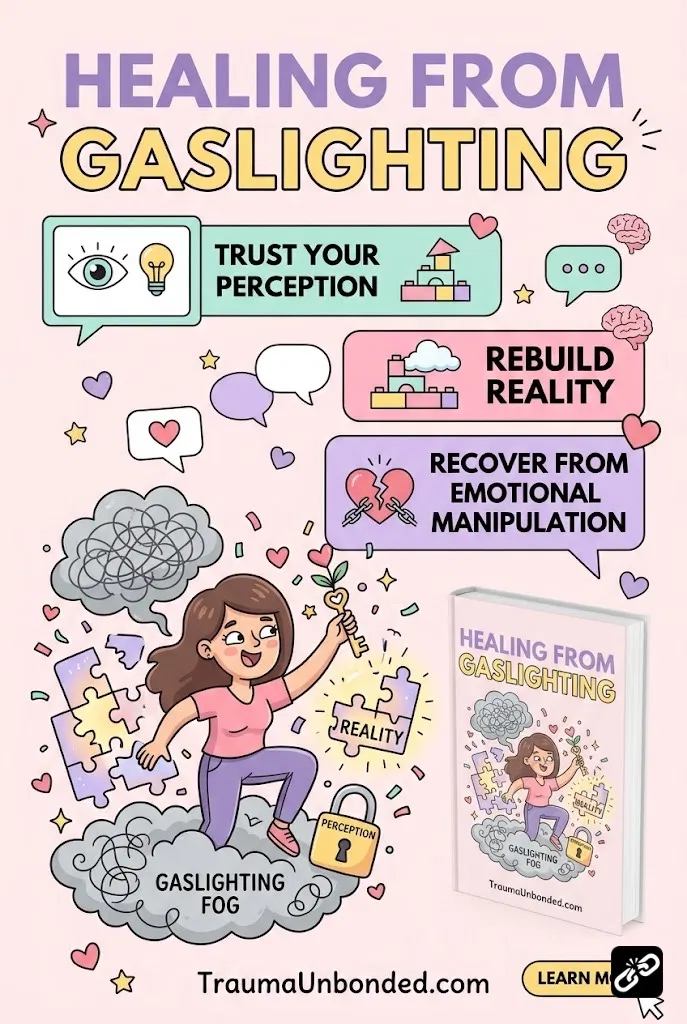
To help you untangle this web of manipulation and start believing in yourself again, I highly recommend our specialized workbook designed to heal from psychological projection.
Key Differences Between Narcissistic and Reactive Abuse

To help you see through the fog, let us break down the exact differences between these two behaviors. Remembering these distinctions can protect you from falling back into the cycle of guilt. Does this cycle of push-and-pull sound painfully familiar?
- The element of intent: A toxic partner acts with the intent to control, dominate, and manipulate. Your reaction, however, is a survival instinct aimed at making the torment stop.
- The pattern of behavior: Narcissistic abuse is chronic, systematic, and planned. Reactive outbursts are situational, happening only when you are cornered and pushed beyond your limits.
- The presence of remorse: After a reactive episode, you likely feel overwhelming guilt, shame, and a desire to apologize. A true narcissist rarely feels genuine remorse, instead using the event to justify further cruelty.
- The post-event narrative: A toxic partner will weaponize your reaction for weeks, months, or years. You, on the other hand, want nothing more than peace, harmony, and an end to the endless arguments.
Breaking the Cycle and Healing from the Trap
When I was at the end of my twelve-year toxic relationship, I was completely isolated and felt like a shell of my original self. I had lost my cheerful disposition, my hobbies, and my friends. It was only through deep trauma-informed therapy that I began to heal and learn about codependency.
If you want to stop this cycle, you must first learn how to stop feeding the beast. The most reliable way to protect your nervous system is to stop reacting entirely. This means practicing a firm boundary, sometimes referred to as the grey rock method, or removing yourself from the situation completely.
You must stop trying to explain your reality to someone who is committed to misunderstanding you. When you focus on healing from gaslighting and rebuilding trust in your own perception, you slowly regain your footing. You begin to realize that your anger was not a sign of malice, but a sign of a deeply violated boundary.
If you are ready to stop questioning your sanity and want to rebuild a solid foundation of self-trust, take a look at the Healing from Gaslighting Workbook. It is a step-by-step roadmap designed to help you untangle the lies, trust your memory, and step out of the trap once and for all.

Meet Your Guide
Helen Brooks
After surviving a 12-year NPD/BPD relationship, I dedicated over a decade to studying trauma bonding and nervous system recovery. My mission is to help you break free from the fog and reclaim your authentic self.
Ready to break the trauma bond and reclaim your life?