How to Handle Gaslighting in Professional Settings and Validate Your Own Reality
Dealing with gaslighting in professional settings can leave you doubting your memory, your competence, and your sanity. When a manager or colleague twists facts, denies conversations, or accuses you of being overly sensitive, finding ways to validate your own reality becomes a matter of professional survival. Having spent twelve years in a relationship with a partner exhibiting severe narcissistic and borderline traits, I learned how psychological warfare erodes self-trust before applying these lessons to the office environment.
Learning how to handle workplace manipulation requires the same strategic boundaries used in recovery from personal abuse. If you are struggling to keep your head above water, using a structured tool like the Healing from Gaslighting Guide can help you rebuild your confidence and reclaim your career.
What is Professional Gaslighting?
Professional gaslighting is a form of workplace psychological manipulation where an employer, manager, or colleague systematically denies or distorts objective facts to make an employee doubt their own memory, perception, and professional competence.

During my twelve-year toxic relationship, gaslighting felt like walking on quicksand. In the office, it looks very similar, but it is disguised as constructive feedback or standard performance management. The manipulator might tell you that a client meeting never happened, or that you agreed to a project scope you explicitly rejected in writing.
These calculated actions are designed to keep you off balance. By keeping you in a state of confusion, the manipulator ensures you are easier to manage and less likely to challenge authority or call out bad behavior.
Spotting the Subtle Signs of Workplace Psychological Manipulation
How do you distinguish between a difficult colleague and a manipulative abuser? The key lies in the frequency and pattern of the behavior. Look for these specific indicators in your daily interactions:
- The revisionist history strategy: Conversations that occurred yesterday are flatly denied today, leaving you questioning your memory.
- Selective memory play: A gaslighting boss conveniently forgets promises of raises, promotions, or adjusted workloads.
- The emotional exaggeration accusation: When you calmly raise a concern, you are told you are being “too emotional,” “defensive,” or “hard to work with.”
- Moving goalposts: Standards for success change overnight without written notification, setting you up for failure.
These tactics create severe cognitive dissonance in your mind. Your brain struggles to reconcile the physical reality of what you experienced with the fabricated version of events presented by your supervisor.
How to Document Incidents and Create a Paper Trail
When dealing with psychological manipulation, your personal journal and your email inbox are your strongest assets. Never rely on verbal agreements or casual hallway promises. After every meeting where assignments are discussed, send a follow-up email outlining exactly what was agreed upon.
Keep a private, secure log on your personal phone or notebook, not on your company laptop. Note dates, times, exact words used, and any witnesses who were present in the room. This habit acts as a physical anchor for your brain, preventing you from falling into the trap of self-doubt.
If you are constantly second-guessing yourself and feeling the crushing weight of workplace anxiety, you need a systematic approach to rebuild your confidence. Reclaiming your clarity starts with actionable, step-by-step psychological strategies designed to untangle manipulation.

Actionable Strategies to Validate Your Reality and Stay Grounded
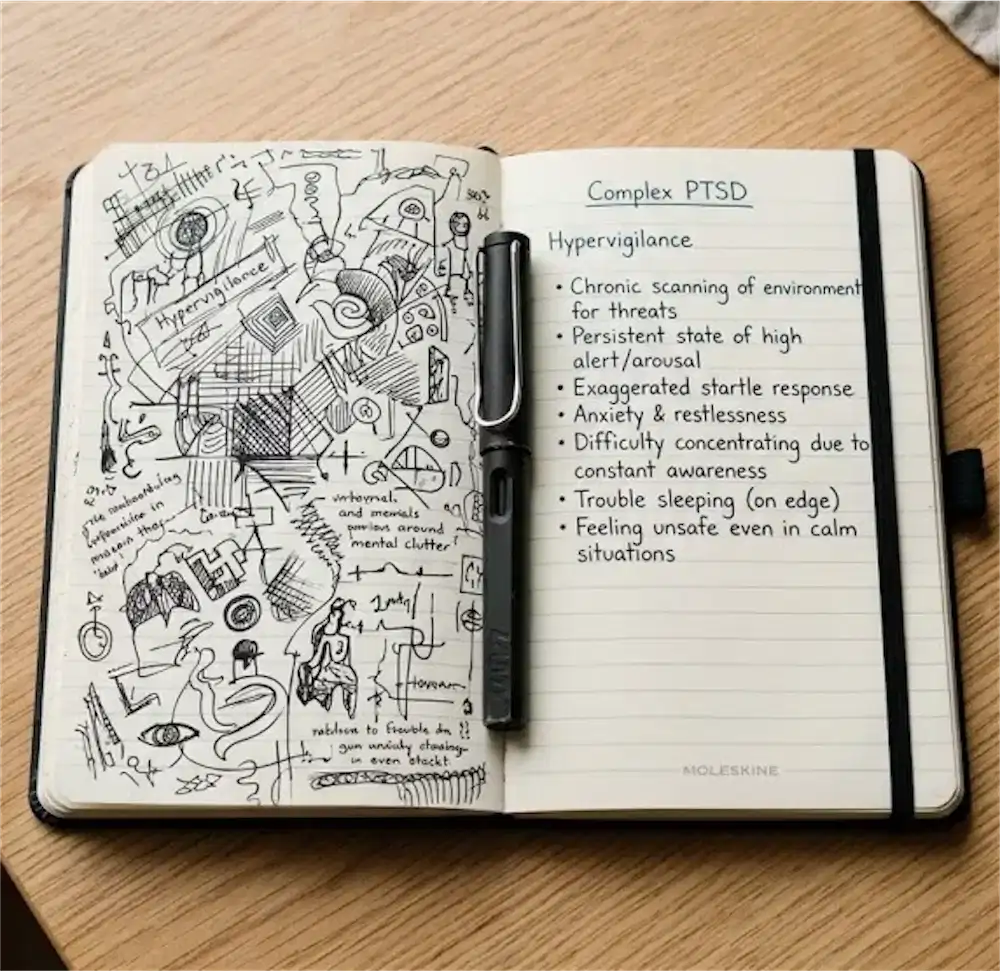
Clinical studies discussed by Psychology Today show that chronic gaslighting can trigger severe symptoms of stress and hypervigilance, mimicking the effects of personal relationship trauma. To protect your nervous system, you must build external support structures.
Do not keep your struggles a secret out of shame. Speak to trusted peers outside your immediate department, seek counsel from HR if appropriate, or consult mental health professionals who understand workplace dynamics.
Another vital step is learning how to set boundaries and stop apologizing for things that are not your fault. When a manipulative colleague tries to shift blame, state the documented facts calmly and concisely without getting defensive.
Can you spot the difference between healthy workplace debate and manipulation? Healthy coworkers listen to your perspective even if they disagree. Manipulators seek to replace your perspective with their own narrative.
Protecting Your Mental Well-being from Professional Sabotage
The constant stress of proving your sanity can lead to physical exhaustion. In my past, walking on eggshells left me completely drained, a state common for those needing to heal gaslighting trust reality dynamics. It is vital to separate your professional output from your personal worth.
Establish a hard line between your work life and your personal identity. When the workday ends, step away from your email and focus on activities that bring you joy and calm your nervous system. Your job is what you do; it is not who you are.
Rebuilding your self-trust after enduring workplace manipulation takes time and patience. You did not lose your perception overnight, and you will not rebuild it in a single day. Trust your gut, write everything down, and remember that you have the right to a safe, honest working environment.
If you are ready to take the next step toward full recovery and regain complete confidence in your memory, consider using the Healing from Gaslighting Guide as your daily roadmap.

Meet Your Guide
Helen Brooks
After surviving a 12-year NPD/BPD relationship, I dedicated over a decade to studying trauma bonding and nervous system recovery. My mission is to help you break free from the fog and reclaim your authentic self.
Ready to break the trauma bond and reclaim your life?