How to Survive Courtroom Gaslighting: Staying Calm During Legal Abuse
Learning how to survive courtroom gaslighting and staying calm during legal abuse is one of the most grueling battles you will face when separating from a high-conflict partner. If you are searching for answers on how to deal with a narcissist in court, you already know that the legal arena does not operate on normal rules of logic or fairness. Having survived a 12-year toxic relationship with a partner who displayed severe narcissistic and borderline traits, I remember the absolute terror of realizing my ex was turning the legal system into a personal playground of torture.
In those dark days, I felt isolated from my friends, stripped of my hobbies, and convinced that my life was ruined. The constant fabrication of lies made me doubt my own sanity, leaving me to question whether I could ever stand up in front of a judge without breaking down. But through therapy and studying codependency, I slowly learned how to untangle the trauma bonds that kept me reactive.
If you are currently preparing for a hearing and feel like you cannot trust your own memory under pressure, using a structured strategy like the Healing from Gaslighting Guide & Workbook can help you rebuild your reality and secure your mental footing before stepping into court.
What is Courtroom Gaslighting and Legal Abuse?
Courtroom gaslighting is a form of legal abuse where a high-conflict litigation opponent uses false narratives, fabricated evidence, and twisted facts under oath to make you appear unstable, untruthful, or unfit in the eyes of the judge.

For over a decade, I watched my ex rewrite history behind closed doors. When that behavior moved into a courtroom, the shock was paralyzing because I expected the court to be a place of objective truth. Instead, I had to watch an abuser calmly look a judge in the eye and describe a completely fictional version of our lives, transforming their actions into my alleged crimes.
This systematic weaponization of judicial processes is often called litigation abuse. According to Psychology Today explains how litigation abuse allows individuals with high-conflict personalities to maintain control, drain your finances, and continue inflicting psychological harm long after the relationship has ended. It is not a standard disagreement; it is a calculated effort to wear you down.
Spotting the Subtle Tactics of Abusive Litigation
How do you know if you are dealing with normal legal friction or structured abuse? The signs are usually repetitive and exhausting. An abusive ex will repeatedly file frivolous motions, request unnecessary documents during discovery, and change dates at the last second just to disrupt your life.
They want to trigger an emotional reaction from you in front of the judge, hoping you will look hysterical. When you understand that their primary goal is your emotional collapse, you can begin to change your response strategy.
Understanding DARVO: The Courtroom Weapon of Choice

If you have ever been accused of doing the exact things your ex did to you, you have experienced DARVO. This acronym stands for Deny, Attack, and Reverse Victim and Offender. In a legal setting, this looks like an abuser claiming they are the ones suffering from your harassment, financial control, or emotional instability.
This tactic often creates massive cognitive dissonance, leaving you wondering how the truth became so warped during a divorce with a narcissist. They will take a single defensive reaction you had to their abuse years ago and present it out of context as proof of your toxic behavior. The shock of being falsely accused can make your chest tighten and your mind go blank.
During my own hearings, my ex claimed that my attempts to set basic boundaries were actually an effort to isolate them. It felt like living in a hall of mirrors. How do you defend yourself against a lie that is crafted so confidently? You do it by letting go of the need to convince your ex, and focusing solely on presenting cold, undeniable documentation to the court.
To withstand this mental warfare without losing your mind, you need a structured framework to anchor your memory and emotions. If you are struggling to keep your head clear during depositions or cross-examinations, the specialized resource below is designed to help you regain control of your reality and shield your mind from manipulation.
How to Stay Calm and Regulate Your Nervous System Under Fire
When you are sitting in a courtroom, your body does not know the difference between a physical threat and a psychological attack. Your heart rate spikes, your breathing becomes shallow, and cortisol floods your system. To stop this physical hijacking, you must actively manage your body’s stress response.
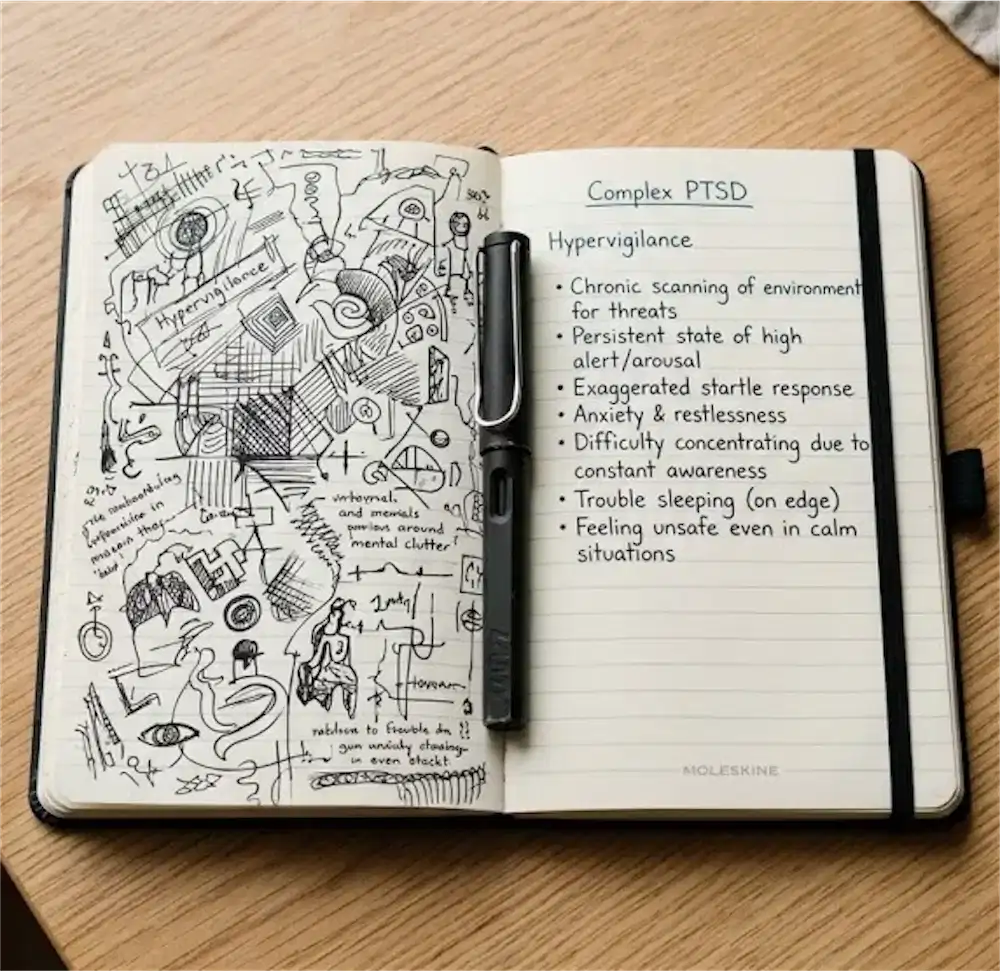
Grounding yourself physically is vital to avoid falling into an intense trauma response. You can practice subtle cptsd grounding and flashback techniques right from the defense table or witness stand without anyone realizing what you are doing.
Try placing both feet flat on the floor and focusing on the physical weight of your body pressing into the chair. Another technique is to press your thumb and index finger together tightly, focusing entirely on that small sensation. This simple physical anchor acts as a brake on your nervous system, keeping your logical brain online when your ex is trying to trigger you.
Practical Rules for Surviving the Witness Stand
When you are being cross-examined by a hostile attorney or listening to your ex tell outright lies, your instinct will be to defend your character. However, the courtroom is a highly structured environment where the calmest person in the room usually wins the judge’s respect. Here are three rules to protect yourself during testimony:
- Pause before you speak: Take a full, deep breath after every question is asked. This brief pause prevents you from blurting out an emotional response and gives your attorney a moment to object if necessary.
- Stick only to documented facts: Do not guess, speculate, or try to explain your ex’s hidden motives. If asked about a past event, reply with clear dates, text messages, or emails, or simply state, “I do not recall” if you are unsure of the details.
- Keep your answers incredibly brief: Answer with a simple “yes,” “no,” or “that is correct” whenever possible. The opposing counsel wants you to over-explain because the more you talk, the more opportunities they have to twist your words.
During my own deposition, I wanted to scream at the opposing lawyer and explain how much pain my ex had caused me. My therapist helped me realize that doing so would only play into their narrative that I was unstable. By treating every question like a boring business transaction, I starved them of the high-conflict supply they wanted.
Reclaiming Your Reality and Rebuilding Your Life
The legal process will eventually end, even if it feels like it will drag on forever. When I finally walked out of that courtroom for the last time, I was exhausted. But as the months passed, the dark clouds broke, and I returned to my original self. I found my optimism again, reconnected with the friends I had lost, and discovered that my life was far from over.
You can survive this legal nightmare and find your joy again. Do not let their courtroom antics convince you that you are helpless. You are simply passing through a storm, and you have the strength to make it to the other side.
If you are still struggling to trust your perception and feel overwhelmed by constant manipulation, taking a proactive step with the Healing from Gaslighting Guide & Workbook can help you rebuild your internal boundaries and find the quiet confidence you need to face whatever comes next.

Meet Your Guide
Helen Brooks
After surviving a 12-year NPD/BPD relationship, I dedicated over a decade to studying trauma bonding and nervous system recovery. My mission is to help you break free from the fog and reclaim your authentic self.
Ready to break the trauma bond and reclaim your life?