The Psychology of Narcissistic Rage: Why They Snap and How to Stay Safe
Understanding the psychology of narcissistic rage is critical when you are trying to survive the explosive, unpredictable outbursts of a toxic partner. If you are currently walking on eggshells, wondering why narcissists snap and how to handle the sudden shifts in their mood, you are not alone in this pain. During my own twelve years in a toxic relationship with a partner who displayed heavy narcissistic and borderline traits, learning about the mechanics of this rage was my first step toward escaping the chaos. I survived that storm, and using resources like The Boundary Blueprint was what finally helped me protect my emotional space and regain control of my life.
When I finally got out of that relationship, I was completely devastated, cut off from my closest friends, and devoid of any hobbies. I felt like a shell of a person, and my daily existence was miserable and exhausting. Through years of professional therapy, I slowly began to understand the depth of codependency and the chemical grip of trauma bonds.
Today, I have returned to my original self, a person who is cheerful, optimistic, and grounded in reality. I want to share what I learned during those twelve long years in the trenches. Let us look closely at why these intense outbursts happen and what you can do to stay safe.
What is Narcissistic Rage and Why Do They Snap?
Narcissistic rage is an intense, disproportionate reaction to a perceived threat to a narcissist’s self-esteem or constructed ego, known as a narcissistic injury. Unlike normal anger, it aims to destroy or silence the source of criticism rather than resolve a conflict.

For a long time, I thought my ex’s anger was a normal reaction to relationship stress. I constantly tried to explain myself better, hoping that if I just chose the right words, they would understand. But narcissistic rage is not normal anger; it is an existential defense mechanism.
Have you ever seen a partner go from completely calm to screaming over a misplaced set of keys or a minor disagreement? This sudden shift occurs because of a narcissistic injury. When you point out a mistake, set a boundary, or fail to offer the constant admiration they crave, you puncture their fragile ego.
To protect their false self of absolute superiority, they lash out with extreme anger. This rage is not about the keys or the dinner plans. It is a desperate attempt to force you back into submission and restore their sense of total control.
Normal anger has a goal of resolution. When a healthy person gets angry, they want to address a problem, find a solution, and move past it. Narcissistic rage is completely different; its goal is submission. They do not want to solve the problem, they want to punish you for exposing their imperfection.
The Deeper Psychology Behind the Outbursts
Underneath the mask of grandiosity lies a deep pool of toxic shame. Most healthy people can tolerate mistakes because their self-worth is stable. For a narcissist, admitting a mistake feels like psychological death, so they project all their shame onto you.
In my decade-long relationship, I witnessed both explosive fury and cold, punishing silence. Sometimes, this rage looks like a loud, theatrical tantrum designed to terrify you. Other times, it manifests as the silent treatment, which is a passive-aggressive form of rage meant to make you beg for forgiveness.
If you are dealing with a partner who swings between these extremes, you might be seeing the signs of a narcissistic collapse. This happens when their external sources of validation dry up, leaving them unable to maintain their false persona.
Medical insights from the Mayo Clinic explain that individuals with narcissistic personality disorder are easily upset by the slightest criticism and frequently react with rage or contempt to protect their fragile sense of self-worth. Their anger is a shield used to keep their deep-seated insecurities hidden from the world.
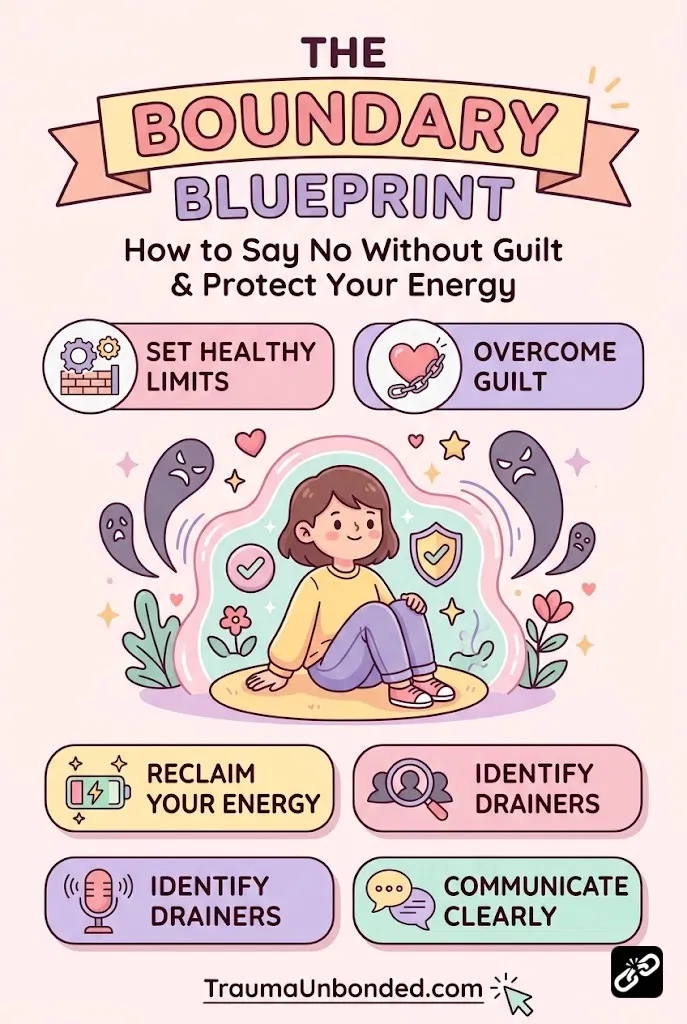
When you are living with someone who snaps at any moment, protecting your energy becomes a matter of survival. You cannot change their psychology, but you can build a defensive wall around your own sanity. I put together a step-by-step workbook to help you draw those lines without the crushing guilt that usually follows.
Recognizing the Warning Signs of an Impending Outburst
You cannot prevent their anger, but learning to spot the warning signs can give you the time you need to protect yourself. In my household, the air would grow heavy hours before an explosion. It felt like watching the barometer drop before a massive storm, and my body learned to recognize the shifts before my mind did.
Do you find yourself rehearsing your conversations in your head, trying to anticipate every possible trigger before you even say hello? That is hypervigilance, and it is a natural response to living with unpredictable hostility.
Here are some common indicators that a narcissist is about to snap:
- The cold stare: A sudden lack of warmth in their eyes, replaced by a dark, hostile gaze.
- Rapid breathing and tense posture: Clenched fists, a tight jaw, or heavy pacing around the room.
- Nitpicking and baiting: Bringing up old, resolved issues or making passive-aggressive comments to provoke you.
- Sudden withdrawal of affection: Shutting down communication abruptly to make you chase them for reassurance.
When you notice these signs, remember that engaging in the argument is a trap. They want a reaction to justify their incoming fury. Choosing to disengage and utilizing the power of silence can help you avoid feeding their emotional storm.
How to Protect Yourself and Stay Safe From Narcissistic Rage
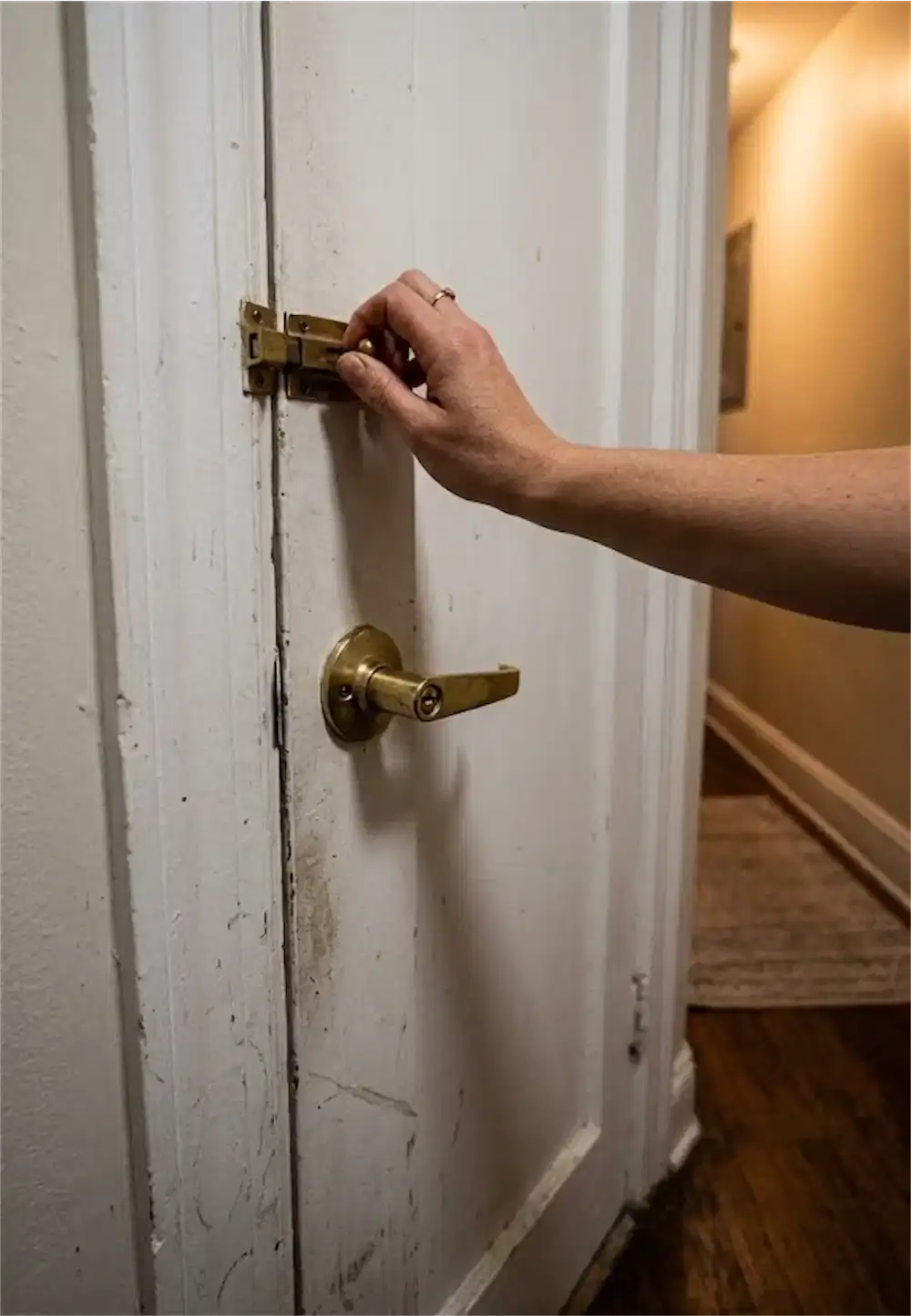
Your physical and emotional safety must always come first. When narcissistic rage is unleashed, logic and reason will not work. You cannot explain your way out of a storm that was manufactured to destroy your peace.
First, do not J.A.D.E. (Justify, Argue, Defend, or Explain). When they are screaming, any defense you offer is seen as more criticism, which only fuels the fire. Keep your responses short, flat, and boring.
Second, use the grey rock method if you cannot leave immediately. Become as uninteresting as a plain grey pebble. Give one-word answers, avoid eye contact, and do not show any emotional distress. If they see that their words are not getting a reaction, they will eventually look elsewhere for their emotional supply.
Third, have a clear physical safety plan. A physical safety plan is not about being dramatic; it is about recognizing that a raging narcissist has lost all emotional regulation. Keep your keys in a designated, easy-to-reach spot, and make sure your phone is always charged. If you have to leave mid-conversation, do it. Your peace and safety are worth more than trying to win an impossible argument.
Reclaiming your life after experiencing this level of daily tension is a gradual process. It took me a long time to stop jump-starting at loud noises and to realize that I was allowed to have my own opinions without facing punishment. You deserve to live in a home where you can breathe easily and sleep without fear. If you are ready to start rebuilding your life and setting boundaries that actually stick, take a look at The Boundary Blueprint to guide your steps toward safety and peace.

Meet Your Guide
Helen Brooks
After surviving a 12-year NPD/BPD relationship, I dedicated over a decade to studying trauma bonding and nervous system recovery. My mission is to help you break free from the fog and reclaim your authentic self.
Ready to break the trauma bond and reclaim your life?