Unprovoked Crying Spells After Trauma: Why Your Body is Finally Releasing Stored Tears
You wake up, make a cup of coffee, and look out the window. Suddenly, a wave of intense sadness washes over you, and you find yourself sobbing uncontrollably over a clean kitchen counter. This sudden rush of emotion is what we call unprovoked crying spells after trauma, and it can leave you feeling completely disoriented.
You might catch yourself asking, why am I crying for no reason, especially when you think you are finally in a safe place. If you are experiencing this, please know that you are not losing your mind. Your body is finally doing the heavy lifting of shedding years of survival tension.
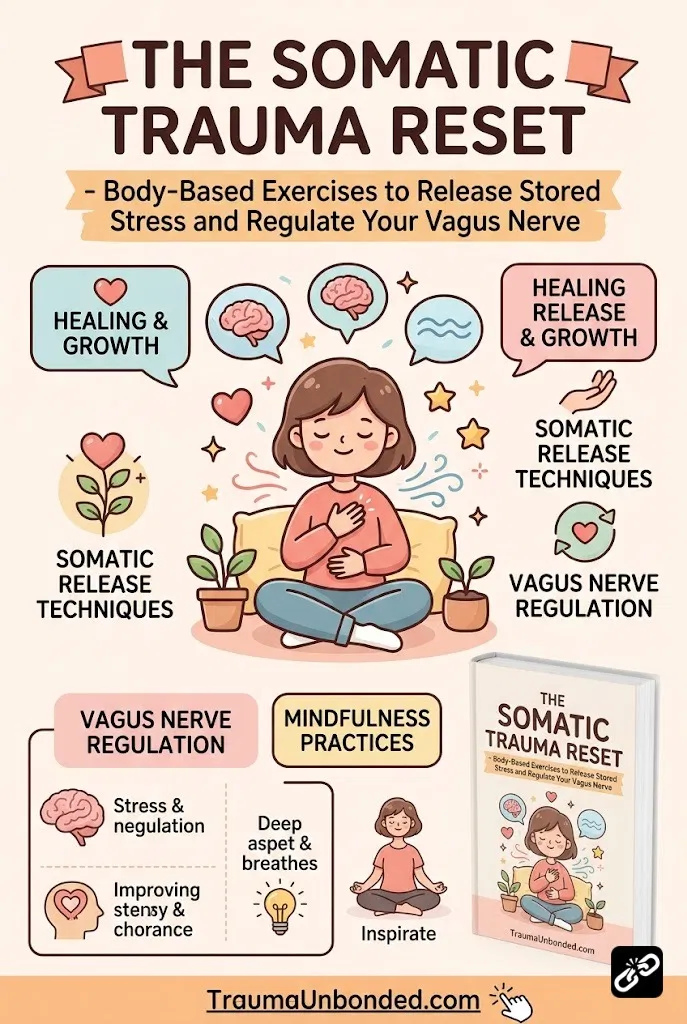
If you feel stuck in this heavy cycle of release, using physical somatic practices like The Somatic Trauma Reset can provide a gentle path to help you manage these overwhelming physical releases. Learning to process this nervous system tension is a vital step toward long-term recovery. In my own recovery, body-based tools made all the difference when talking simply was not enough.
Why Do Unprovoked Crying Spells Happen After Trauma?
Unprovoked crying spells after trauma occur when your nervous system transitions from a survival state of fight-or-flight to a state of safety, allowing repressed emotions and somatic tension to finally release through tears. This physical purging is a natural indicator that your body is processing stored stress hormones like cortisol and adrenaline.

For over twelve years, I lived in a highly toxic relationship with a partner who displayed severe narcissistic and borderline personality traits. During that decade-long storm, I was constantly walking on eggshells, managing explosive moods, and completely ignoring my own basic psychological needs. I lost my friends, my hobbies, and any sense of my original cheerful self.
Back then, I rarely cried because my body was locked in a chronic freeze state. Have you ever noticed how tears dry up during a crisis, only to flood your life after you have finally escaped? When you are living with a volatile partner, your brain stays in survival mode.
The mind shelves raw grief because crying would make you vulnerable to further attacks or mockery. Only when you finally reach a safe environment does your nervous system realize the threat has passed. The sudden appearance of unprovoked crying spells after trauma is actually your body recognizing that it is finally safe enough to let go.
It is a sign that your physiological emotional armor is finally starting to crack, allowing your repressed emotions to find their way out. If you are experiencing these intense emotional releases, you might also be dealing with other physical signs of letting go, such as trauma bond withdrawal symptoms as your system recalibrates.
Your Nervous System Under Stress: The Shift to Safety
To understand why these tears arrive without a clear trigger, we must look at survival biology. When you are subjected to ongoing emotional mistreatment, your body is flooded with stress chemicals. Your autonomic nervous system operates in a constant state of hyperarousal, keeping your muscles tight and your mind hypervigilant.
Crying is actively suppressed because your system is focusing on raw survival over emotional processing. Once you are away from the source of stress, your parasympathetic nervous system tries to restore internal balance. Crying is the physical mechanism your body uses to down-regulate your nervous system and bring you back to homeostasis.
It is a vital safety valve for your emotions, flushing out the chemical residue of past stress. According to a publication by Harvard Health Publishing, emotional crying releases oxytocin and endogenous opioids, which naturally help ease both physical and emotional pain. This biological shift can feel incredibly chaotic but is a sign of deep healing.
You might feel fine one minute, and the next, you are weeping while folding laundry. The lack of an obvious trigger does not mean the tears are meaningless; it simply means your body is working through its deep backlog of stored distress. This is a somatic reset that your conscious mind cannot schedule or control.
If you are looking for a practical, step-by-step way to calm your nervous system and release this stored survival stress without feeling overwhelmed, my somatic guide is designed specifically for recovery after toxic relationships. It offers simple, daily body-based techniques to help you gently discharge trauma and rebuild your physical peace.
Somatic Release: When the Muscle Armor Crumbles

In therapy, I learned about how trauma is physically stored in our tissues as muscle guarding. When you spend years bracing for the next argument, your shoulders, jaw, chest, and hips lock up to shield you. This chronic tension often causes deep physical fatigue and soreness.
The sudden, random tears you experience are a literal, physical melting of this muscle armor. As the muscles around your chest, throat, and diaphragm relax, they release the physical pressure that was keeping your tears held down. It is a profound somatic trauma release that helps your body discharge the residual energy of old fights and unspoken fears.
Have you noticed your body trembling or shaking slightly during these weeping episodes? This is a completely natural way for your nervous system to release stored survival energy, much like how animals shake after escaping a predator. Practicing gentle nervous system regulation exercises can help you feel more grounded when these waves of release hit.
Additionally, utilizing targeted somatic experiencing exercises at home can help you safely guide these physical releases without feeling completely overwhelmed. Taking these small steps allows you to partner with your body rather than fighting against it.
How to Support Your Body Through Sudden Tears
When these waves of grief arrive, the most helpful thing you can do is to stop trying to fight them. Trying to force yourself to stay strong or hold back the tears only keeps the stress locked in your body, prolonging the recovery process. Instead, you can learn to work with your body’s natural healing timeline by following a few gentle, practical steps.
- Let the tears flow without judgment: Remind yourself that crying is not a sign of weakness or a relapse. It is active, healthy maintenance that cleans out the toxic residue of your past.
- Ground your physical body: Try to connect with your physical surroundings when weeping. Place your bare feet flat on the floor, feel the weight of your body, or wrap yourself in a heavy blanket.
- Focus on slow, gentle breathing: Keeping your breath slow can prevent your body from sliding into a panic. Focus on making your exhales slightly longer than your inhales to encourage your nervous system to calm down.
- Hydrate and rest: Heavy crying is physically exhausting. Drink a large glass of water afterward and allow yourself to rest to support your healing system.
It took me a long time to realize that my random weeping was actually a gift. It was the physical evidence that my body trusted me enough to finally let go of the pain I had carried for over a decade. Slowly, as the stored tears were cleared out, my original cheerful, optimistic self began to return.
If you are going through this, please be incredibly gentle with yourself. Your body is doing the quiet, beautiful work of washing away the old wounds to make room for your new, peaceful life. To help guide your body back to a state of calm balance, the somatic tools in The Somatic Trauma Reset Guide can support you in releasing stored tension and reclaiming your physical peace.

Meet Your Guide
Helen Brooks
After surviving a 12-year NPD/BPD relationship, I dedicated over a decade to studying trauma bonding and nervous system recovery. My mission is to help you break free from the fog and reclaim your authentic self.
Ready to break the trauma bond and reclaim your life?