Why Do I Wake Up with Night Sweats After a Toxic Breakup? Cortisol and Trauma
If you are consistently waking up with night sweats after a toxic breakup, you are not losing your mind. Your body is physically reacting to the deep psychological impact of chronic stress, elevated cortisol, and unprocessed trauma. During my own twelve-year relationship with a partner who showed severe narcissistic and borderline personality traits, I spent countless nights waking up drenched in sweat, wondering if my physical health was permanently broken.
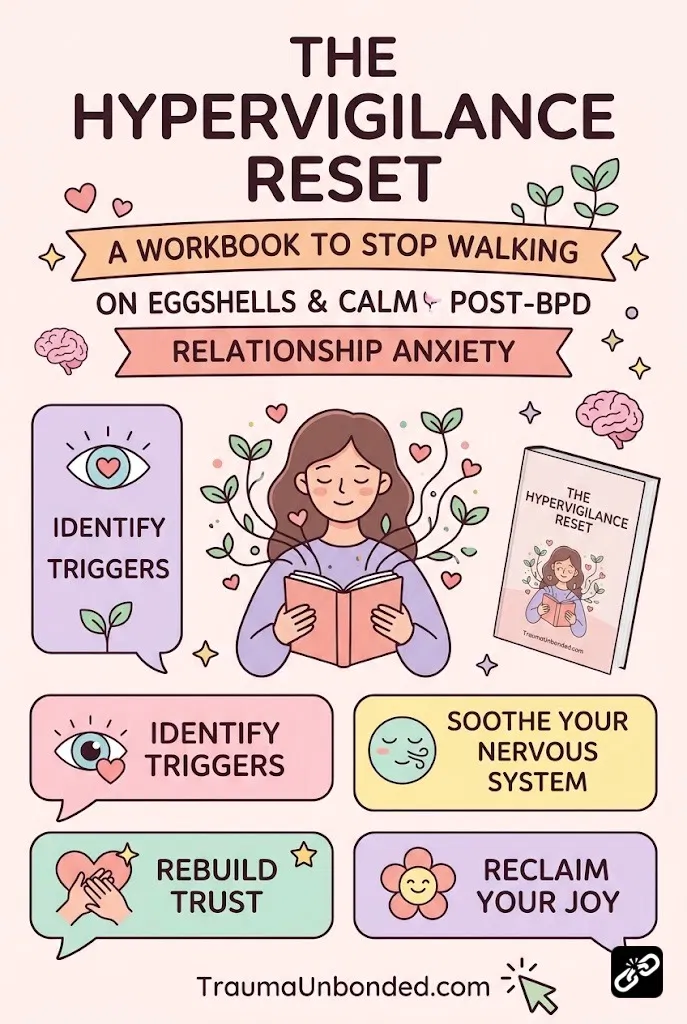
This physical disruption is a common response to prolonged emotional abuse. To help you calm this overwhelming physical state, I developed The Hypervigilance Reset workbook to help you quiet your nervous system and sleep without fear. When you leave a relationship filled with erratic behavior and constant arguments, your biological alarm system does not instantly turn off just because you packed your bags.
In fact, the physical symptoms often get much worse before they get better. Have you ever noticed how your body waits until you are safe to finally fall apart? Let us look at why your hormones are causing these terrifying nighttime episodes and how you can reclaim your rest.
Why Do I Wake Up with Night Sweats After a Toxic Breakup?
Waking up with night sweats after a toxic breakup is caused by chronic cortisol imbalance and trauma-induced nervous system hyperarousal, which disrupts your brain’s temperature-regulating center during sleep. This physical reaction happens because your body is stuck in a prolonged fight-or-flight stress response even after the danger has passed.
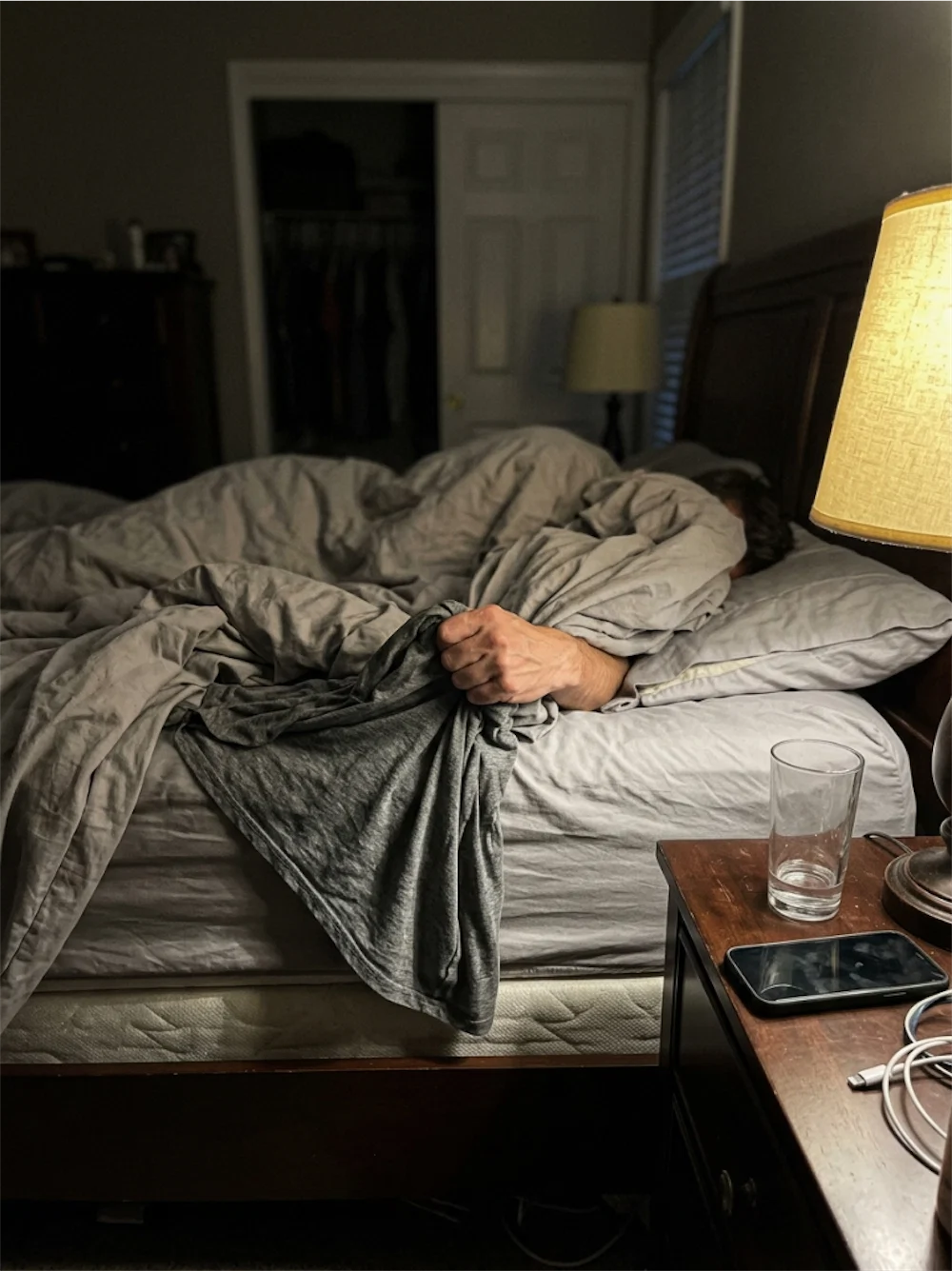
When you spend years walking on eggshells, your body produces a continuous stream of stress hormones to keep you alert. In my twelve-year relationship, my mind was constantly scanning for the next sudden mood shift or silent treatment. This constant vigilance rewires how your brain manages sleep, turning what should be a peaceful evening into a biological battleground.
During a normal day, your cortisol levels follow a natural curve, peaking in the morning and dropping to their lowest point around midnight. However, chronic psychological abuse completely scrambles this cycle. Instead of dropping, your nocturnal cortisol levels can spike dramatically during the night, triggering a sudden panic response that forces your heart to race and your skin to perspire.
The Role of the Hypothalamus in Trauma and Temperature Control
The brain region responsible for your survival response is also the center that controls your body temperature. This tiny control center, known as the hypothalamus, acts as your internal thermostat. When you are processing deep emotional wounds, the amygdala sends constant danger signals to this thermostat, convincing it that you are under immediate threat.
To prepare your muscles to flee, your brain raises your internal temperature and blood pressure. When your body realizes there is no physical attacker to run from, it rapidly attempts to cool itself down. This sudden cooling mechanism is what causes you to wake up shivering in damp sheets at three in the morning.
According to the Mayo Clinic clinical guidelines on night sweats, severe sleep hyperhidrosis is deeply linked to anxiety disorders and chronic systemic stress. When we treat this symptom as a purely physical issue, we miss the emotional root cause that is driving our bodies into overload.
Many women notice this hormonal chaos manifests in specific ways, including sudden weight changes, fatigue, and intense brain fog. Understanding the wider range of high cortisol symptoms in women after abuse can help you piece together why your body feels so unfamiliar right now. You are not weak; your endocrine system is simply exhausted from years of survival mode.
During my recovery, I learned that a toxic breakup is not just a standard emotional loss. It is a biological withdrawal from an addictive cycle of intermittent rewards. This chemical addiction makes your nervous system highly unstable, leaving you prone to intense physical reactions during sleep.
How Emotional Abuse Leaves Your Body in Hypervigilance

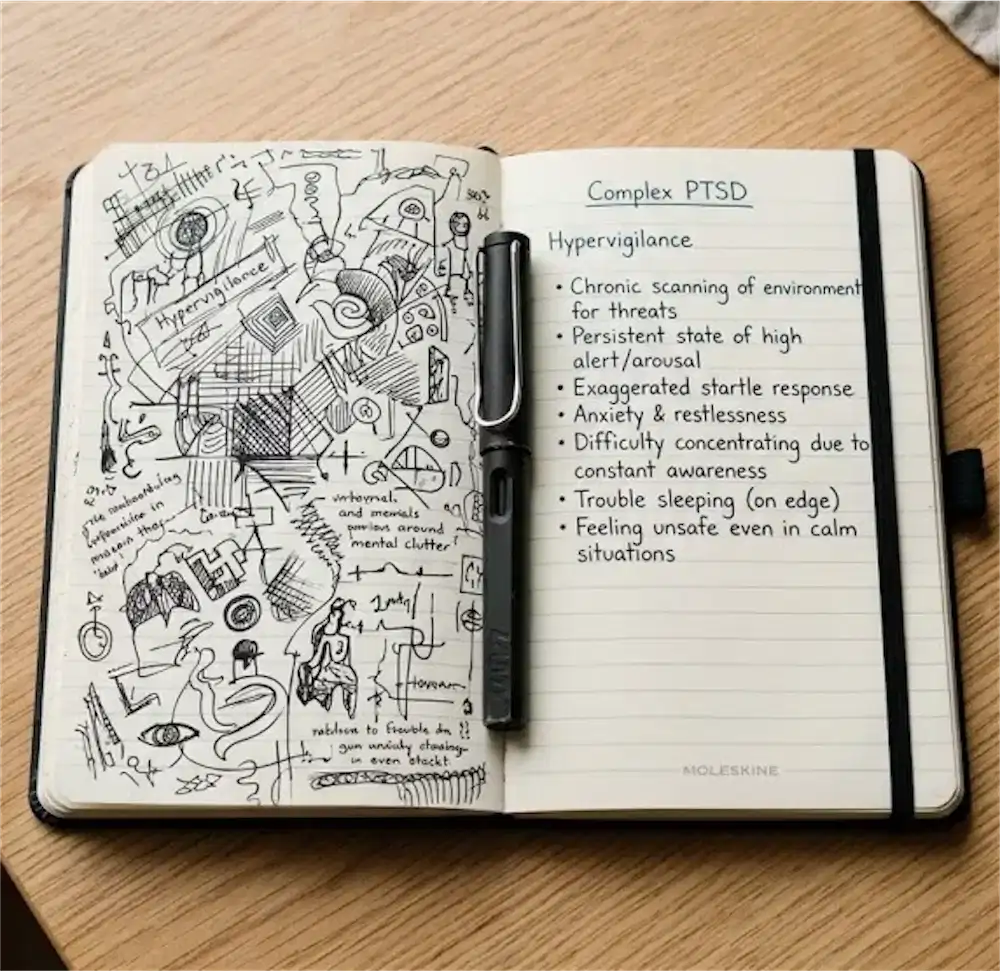
When you are in a relationship with a partner exhibiting narcissistic or borderline personality traits, your brain is conditioned to stay alert at all times. This protective mechanism does not just turn off when you go to bed. Instead, your mind continues to process the betrayal, the lies, and the projection during your sleep stages.
This state of high alert often results in vivid, unsettling dreams or sudden waking episodes. Have you found yourself waking up in the middle of the night, gasping for air, with your chest tight? This is your body releasing years of stored muscle tension and chemical stress.
To help you soothe this constant state of physical panic, I put together a practical, step-by-step workbook. It includes gentle, evidence-based practices specifically designed to signal safety to your brain so you can sleep through the night again. You can get instant access to this guide below to start calming your system tonight.
Steps to Stop Night Sweats and Calm Your Nervous System
Reclaiming your sleep requires physical intervention, not just mental understanding. When I was recovering, I realized that reading books about trauma was not enough; I had to actively teach my body that the danger was over. Here are the most practical physical adjustments you can make to lower your nighttime stress hormones.
Establish a Grounding Nighttime Routine
To prevent late-night cortisol surges, you must signal safety to your body hours before your head hits the pillow. Building simple, restorative nighttime habits to regulate your nervous system can dramatically reduce the intensity of your physical symptoms. Focus on keeping your bedroom cool, dark, and completely free of reminders of your ex-partner.
Avoid looking at your phone or reading old messages before bed, as this instantly triggers a micro-spike of adrenaline. Instead, focus on slow, deep belly breathing or gentle stretching to release stored muscle tension in your neck and jaw.
Use the Power of Cool Temperatures
Because your thermostat is temporarily offline, you need to help your body manage its temperature externally. Keep your bedroom temperature slightly cooler than usual, and use breathable cotton sheets rather than synthetic materials. Keeping an ice pack or a glass of cold water on your nightstand can also help ground you if you wake up in a panic.
If you do wake up drenched in sweat, do not try to force yourself to stay in bed and worry. Get up, change your shirt, sip some cold water, and gently remind yourself out loud that you are safe in your current space.
Navigating the Physical Reality of Grief and Recovery
Grieving a toxic relationship is incredibly taxing on your physical body. When you leave, you are not just mourning the loss of a partner, but also the loss of the future you believed you were building. This process takes a massive toll on your physical energy, leaving your immune and endocrine systems fragile.
It is entirely normal to feel exhausted during the day but completely wired at night. If you are struggling to cope with these intense physical reactions, my toxic breakup survival guide offers practical steps to protect your health during the initial months of separation. Be incredibly gentle with yourself as your body slowly unlearns years of defensive posturing.
Did you know that healing is rarely linear? You might have a week of perfect sleep, only for the physical symptoms to return after a minor trigger. This does not mean your progress is lost; it simply means your nervous system is still processing the layers of deep psychological stress.
Your Body is Reclaiming Its Peace
Waking up in cold sweat is not a sign of permanent damage; it is a sign that your body is actively releasing the high levels of tension it held to keep you safe. As you establish boundaries, practice gentle physical care, and allow yourself to grieve, these intense physical signals will naturally begin to fade. If you are ready to actively support your recovery and rebuild a sense of safety, you can find deep physical relief and guided support by using The Hypervigilance Reset to quiet your nervous system and reclaim your peaceful sleep.

Meet Your Guide
Helen Brooks
After surviving a 12-year NPD/BPD relationship, I dedicated over a decade to studying trauma bonding and nervous system recovery. My mission is to help you break free from the fog and reclaim your authentic self.
Ready to break the trauma bond and reclaim your life?