How to Forgive Yourself for ‘Reactive Abuse’ and Defending Yourself Aggressively
Reactive abuse and defending yourself aggressively are incredibly heavy burdens to carry, leaving you desperately searching for how to forgive yourself for acting out of character. If you are struggling with healing from emotional abuse, you might feel like you lost your core identity during those explosive moments. Having survived a 12-year relationship with a partner who had both NPD and BPD traits, I know exactly what it feels like to snap after years of quiet torment. In my journey, utilizing resources like the Trauma Bond Recovery Guide & Workbook was a turning point to stop blaming myself for surviving.
How many times did you promise yourself you would stay calm, only to find yourself screaming at the top of your lungs? You might look back at those fights and feel a deep sense of shame, wondering if you were actually the toxic one all along. Learning how to forgive yourself for reactive abuse requires a trauma-informed perspective that looks at the nervous system rather than moral failure.
When you are pushed to your absolute limit by systematic manipulation, your biological fight-or-flight response takes over. Let us explore how to disentangle your survival actions from your true character so you can begin the journey of true healing.
What Is Reactive Abuse and Why Does It Happen?
Reactive abuse is an intense, survival-driven reaction where an abused person lashes out with aggression after being repeatedly provoked, gaslit, or pushed beyond their emotional limits. It is not a sign of toxic character, but rather an instinctive survival mechanism triggered when a person’s nervous system is completely overwhelmed.
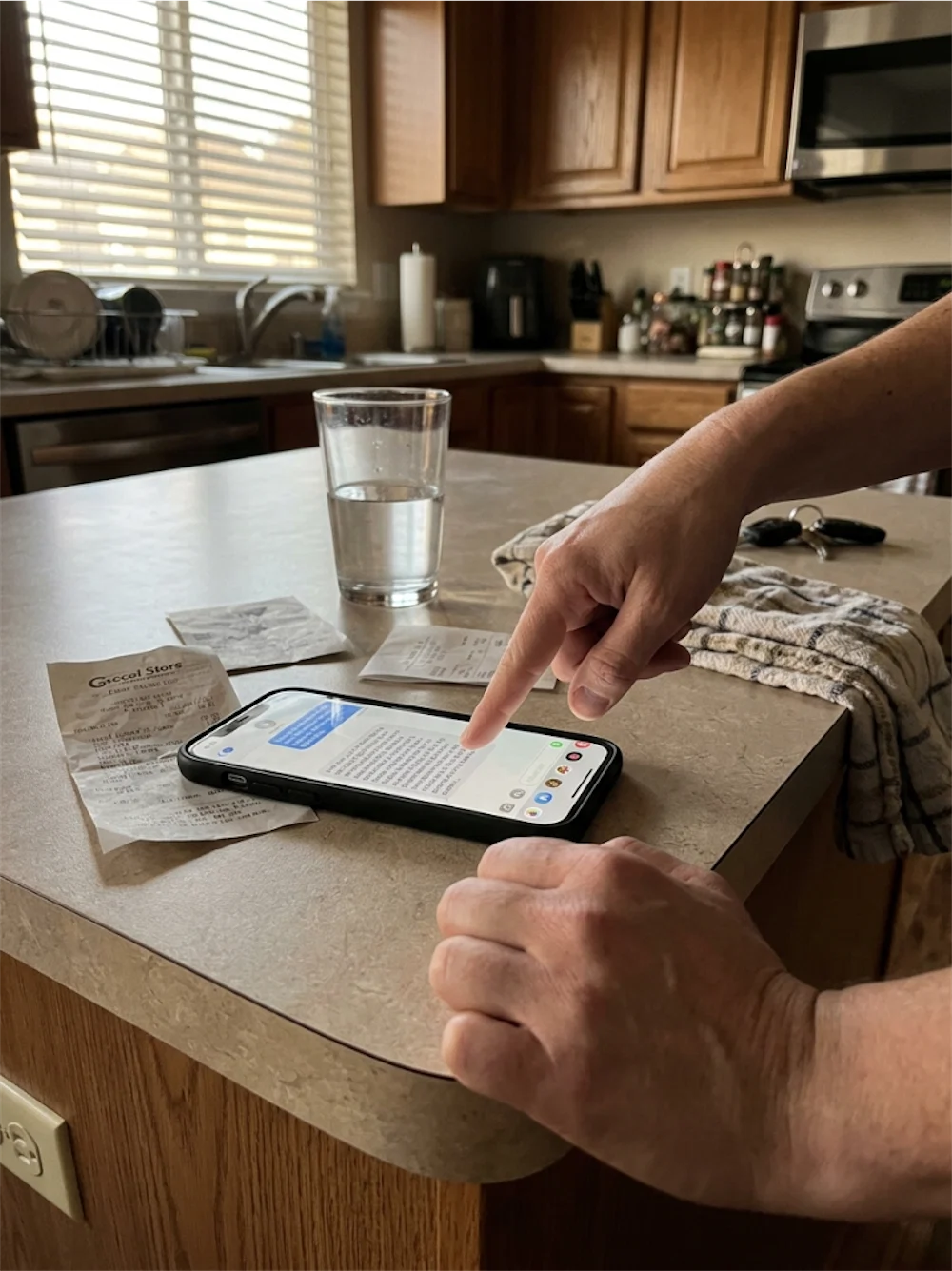
During my decade-long relationship, I was constantly walking on eggshells, trying to survive the intense shifts of emotional volatility. I went from being a cheerful, optimistic person to someone who threw a glass across the room in sheer desperation. In those moments, I felt completely isolated from friends and completely lost my hobbies, feeling my life was entirely miserable.
Our partners use a classic strategy called DARVO (Denial, Attack, and Reverse Victim and Offender) to capture your reaction and use it as evidence of your instability. When you scream or defend yourself aggressively, they instantly calm down, point at you, and say, “See? You are the crazy one.” This creates a deep confusion, making you question the difference between narcissistic abuse and reactive abuse.
According to experts at Psychology Today, these explosive reactions are not acts of abuse, but rather desperate attempts to regain control when your reality is systematically denied. You are not the abuser; you are a person whose safety boundaries were shredded.
The Biological Reality of Snapping
Why does a peaceful person turn to screaming or throwing objects when cornered? Your brain has a built-in alarm system that is designed to keep you alive when emotional boundaries are violated. When you are subjected to constant gaslighting, your prefrontal cortex shuts down, leaving your amygdala in charge.
This is not a choice; it is raw physiology. Have you ever felt a physical heat rising in your chest right before you snapped? That is adrenaline flooding your bloodstream because your body perceives an threat. When you understand this bodily process, the road to recovery becomes much clearer.
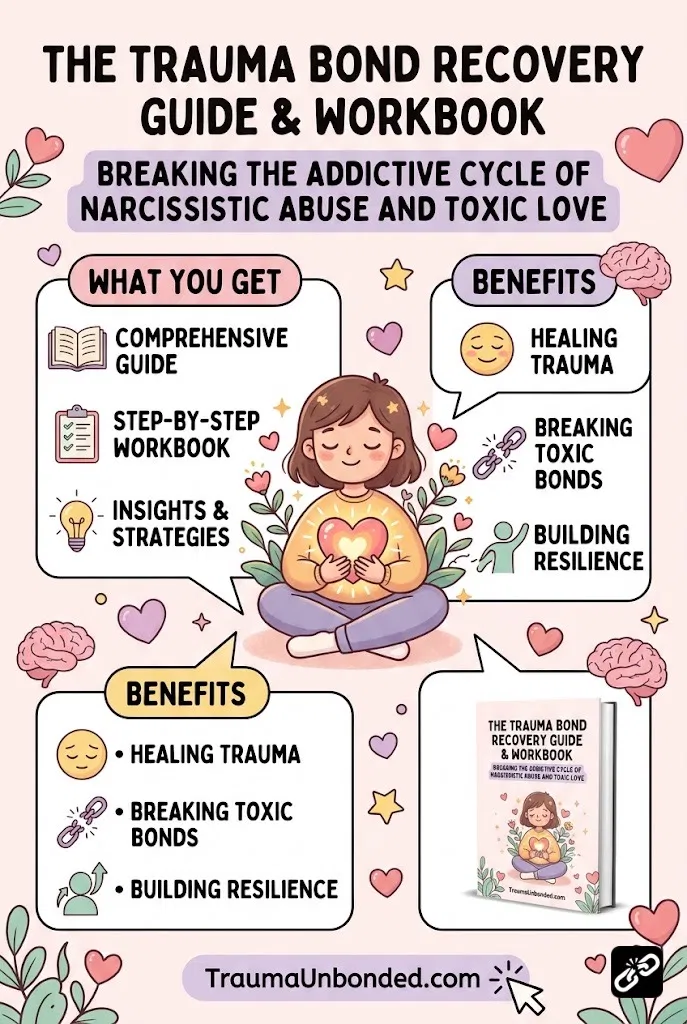
To truly heal the deep wounds left by this cycle, you must address the underlying trauma bond that keeps you emotionally tethered to the shame of your reactions. If you want a structured, step-by-step path to release this guilt and rebuild your authentic self, the guide below is designed specifically to help you break free.
Steps to Cultivate Self-Forgiveness for Defending Yourself Aggressively

Reclaiming your sense of self and releasing the heavy guilt requires intentional action. Here are concrete steps to help you move forward:
- Acknowledge the context of your reactions. You did not wake up one day and decide to be angry. Your reactions were a direct response to a highly toxic environment where your basic emotional safety was stripped away daily.
- Separate your survival strategies from your identity. Yelling back or slamming doors was a temporary shield, not your permanent character. Ask yourself: Do you act this way around friends, coworkers, or healthy family members?
- Allow yourself to grieve the lost years. Grieving the person you were before the abuse is a vital part of recovery. Let the tears flow without judgment; crying is your body’s way of releasing stored adrenaline and cortisol.
- Work through self-forgiveness prompts. Journaling about your experiences helps process the trauma. You can use targeted self-forgiveness toxic relationship prompts to rewrite the shame-filled narrative in your head.
Stop Comparing Your Reaction to Their Abuse
One of the biggest traps in recovery is falling into the belief that you were “just as bad” as your partner. A toxic person abuses to gain power, control, and dominance over you. Your reaction, however, was a desperate plea for them to stop hurting you.
Can you see the massive difference between those two intentions? One is offensive warfare; the other is a desperate, unpolished act of self-preservation. When you stop equating your survival tactics with their systematic abuse, the heavy fog of guilt starts to lift.
Rebuilding Trust in Your Own Mind
After my 12-year toxic relationship ended, I did not trust my own reactions. I was terrified that I had become permanently mean, hostile, or damaged. But through therapy and deep nervous system work, I learned that my peaceful nature was still there, waiting under the rubble.
To rebuild this trust, you must practice setting soft boundaries in your current life. Notice how good it feels to say a simple “no” without having to scream to be heard. As you experience calm environments, your nervous system will realize that it no longer needs to fight for its life.
If you are recovering from a toxic dynamic with a partner who displayed BPD traits, you might benefit from reading about bpd relationship trauma recovery. Understanding the rapid cycles of idealization and devaluation helps you see why your mind felt so fractured.
Your Ultimate Healing and Moving Forward
Today, I am back to being my cheerful, optimistic, and grounded self. It took time, patience, and a lot of somatic release to wash away the shame of how I defended myself during those dark years. You are not defined by the desperate ways you kept yourself alive when your back was against the wall.
Be gentle with your healing heart. If you are ready to take the next step in releasing the heavy cycle of guilt, consider exploring the Trauma Bond Recovery Guide & Workbook to find your way back to peace.

Meet Your Guide
Helen Brooks
After surviving a 12-year NPD/BPD relationship, I dedicated over a decade to studying trauma bonding and nervous system recovery. My mission is to help you break free from the fog and reclaim your authentic self.
Ready to break the trauma bond and reclaim your life?