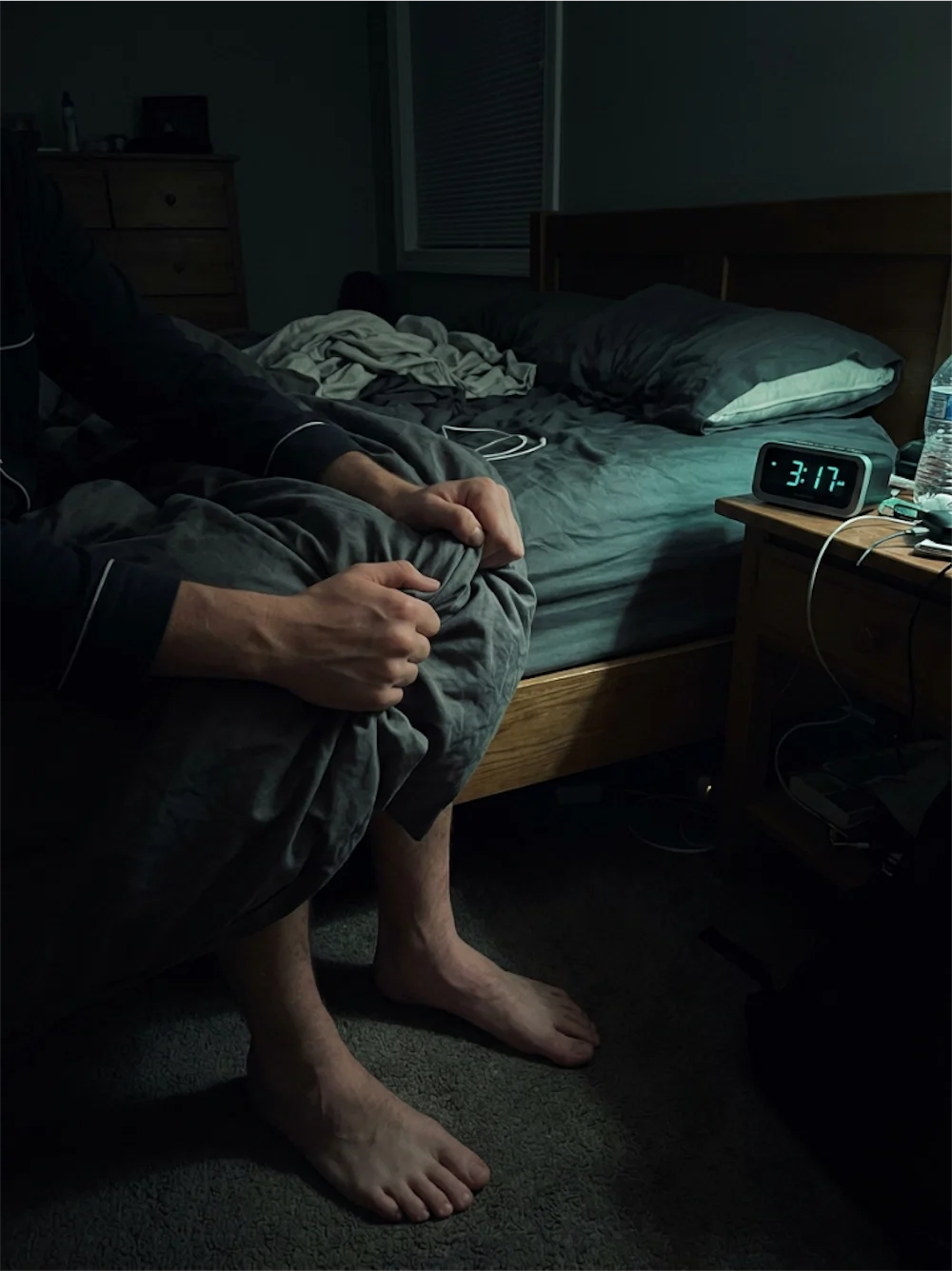
The Link Between Complex PTSD (C-PTSD) and Misdiagnosed Adult ADHD
If you are struggling with chronic distraction, brain fog, or memory issues, you might be experiencing the link between Complex PTSD (C-PTSD) and misdiagnosed adult ADHD. When I escaped a painful twelve year toxic relationship with a partner who had both NPD and BPD traits, my brain felt completely nonfunctional. I spent hours staring at simple tasks, unable to focus, feeling entirely isolated, with my original hobbies and social life completely gone. If you are dealing with this overwhelming mental fatigue, starting with The C-PTSD Recovery Toolkit is a powerful way to start regulating your nervous system and getting your focus back.
Many survivors of emotional abuse assume they have developed adult onset attention deficit hyperactivity disorder. Why does this happen? When your survival systems are constantly activated, your brain is forced to adapt, often presenting symptoms that look identical to a neurodevelopmental condition. This article will help you understand the overlap between trauma induced executive dysfunction and developmental attention issues.
How Complex PTSD (C-PTSD) Mimics Misdiagnosed Adult ADHD
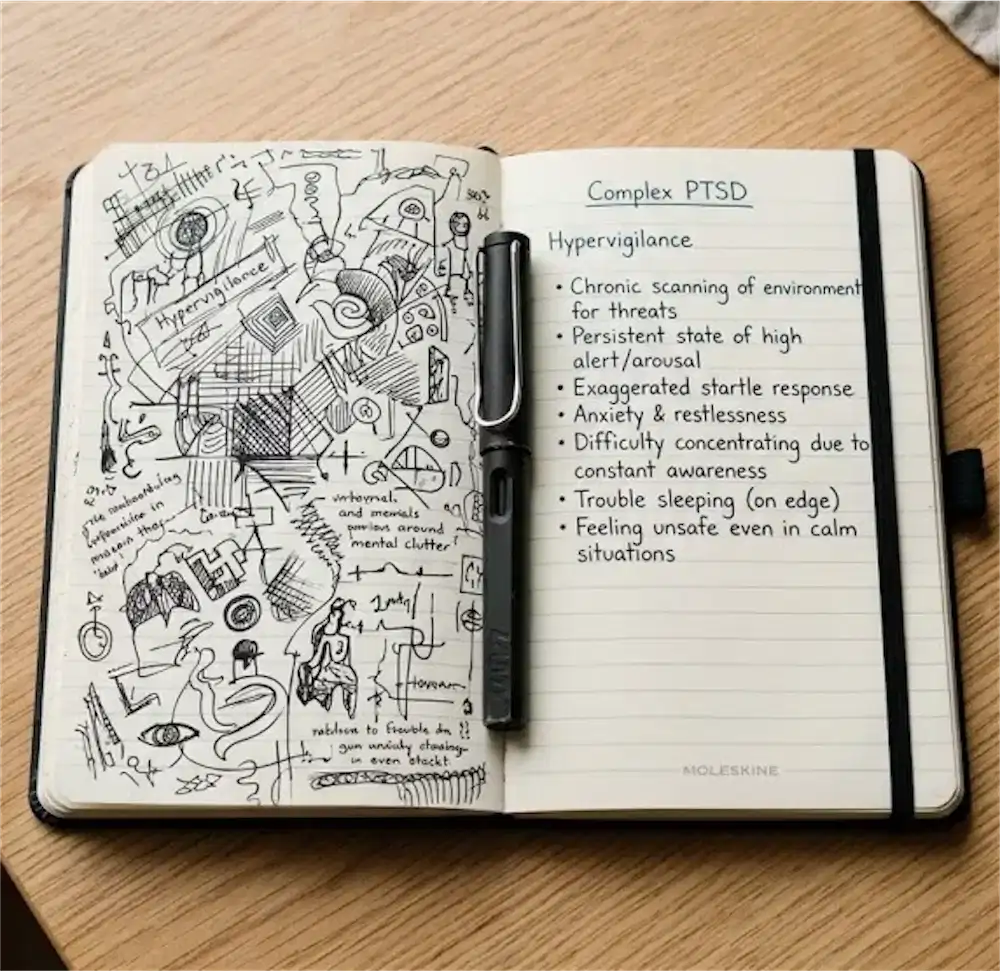
Complex PTSD (C-PTSD) mimics adult ADHD because chronic relational trauma keeps the nervous system in a perpetual state of hypervigilance, which impairs the prefrontal cortex and disrupts executive functioning. This trauma induced survival mode causes attention deficits, forgetfulness, and restlessness that are frequently misdiagnosed as ADHD.

Living with an abusive or highly volatile partner changes your biology. During my long relationship, my mind was perpetually trying to predict the next emotional explosion or silent treatment. This constant vigilance drains your cognitive battery, leaving you with little mental energy to organize your life, follow through on tasks, or remember daily appointments. Does this sound like the classic symptoms of adult ADHD?
Because the symptoms of attention struggles, restlessness, and memory issues are so similar, medical professionals often look at the behavioral outcomes without looking at the underlying history of relational trauma. This can lead to a standard ADHD diagnosis and a prescription for stimulants, which might actually worsen your hyperaroused nervous system. In my experience, trying to medicate a trauma response without addressing the survival loop in your body only masks the true struggle.
Understanding Why Trauma Causes ADHD-Like Brain Fog
To recover your sense of self and restore your focus, you must understand how trauma impacts your brain structure. When you spend years walking on eggshells, your amygdala becomes enlarged and hyperactive, constantly scanning your environment for threats. This excessive survival response pulls blood and energy away from your prefrontal cortex, which is the area responsible for concentration, planning, and emotional regulation.
When this shift happens, you enter a state of chronic mental fatigue and cognitive numbness. If you are struggling to process basic information or keep up with your daily work, reading about trauma brain fog relief can help you see that your brain is not damaged; it is simply exhausted. It is trying to survive, not organize spreadsheets or remember grocery lists.
For years, I blamed myself for my inability to finish books, maintain a clean living space, or keep track of my keys. I thought I had simply lost my intelligence and my optimism. Once I learned about how trauma bonds shape our physiology, I understood that my symptoms were a natural result of severe stress. You can learn to exit survival mode by teaching your body that the threat is finally over.
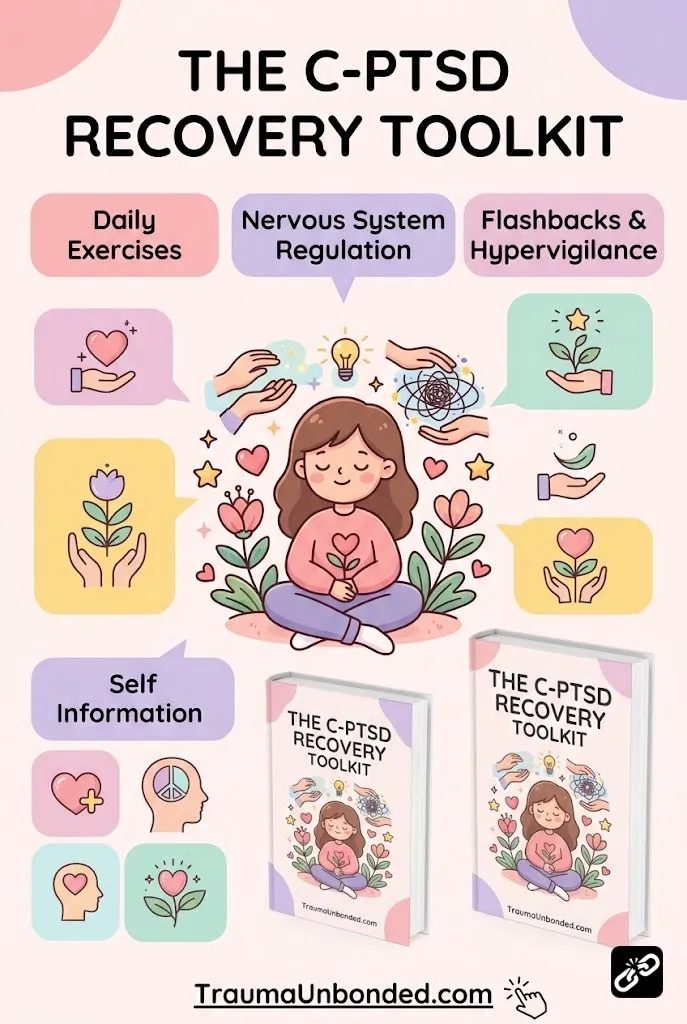
Healing your nervous system requires structured, daily steps to move your body out of threat mode and back into a state of safety. To help you navigate this transition, I have put together a specialized guide filled with practical, somatic techniques that I used during my own recovery journey.
The Core Differences Between C-PTSD and ADHD
While the behavioral symptoms of these two conditions overlap, their biological origins and developmental patterns are fundamentally distinct. ADHD is a neurodevelopmental condition that typically shows up early in childhood and remains relatively consistent throughout a person’s life. In contrast, C-PTSD is an acquired trauma response that develops after prolonged, inescapable interpersonal abuse, such as surviving a narcissistic relationship.
How can you begin to tell them apart in your own life? Consider these key differences:
- The Nature of Distraction: In ADHD, attention issues are often driven by a search for stimulation or interest. In C-PTSD, distraction is driven by hypervigilance, intrusive thoughts, or emotional flashbacks that pull your attention away from the present moment.
- Somatic Reactions: Trauma survivors often experience severe physical tension, unexplained muscle guarding, digestive issues, and extreme startle responses. While people with ADHD can experience stress, they typically do not carry the deep sensory memories of interpersonal threat.
- Sense of Identity: ADHD does not inherently alter your core self-worth, though navigating a world not built for ADHD can be challenging. C-PTSD, however, deeply damages your identity, leading to persistent feelings of shame, emptiness, and the belief that you are fundamentally damaged.
According to clinical research published on PubMed, there is a high rate of comorbidity and diagnostic confusion between these conditions, which highlights the need for careful trauma-informed assessment. Misunderstanding the root cause of your focus issues can lead to years of unnecessary frustration and ineffective treatment plans.
Regulating Your Nervous System to Restore Your Focus
To heal your mind and reclaim your mental clarity, you must focus on calming your nervous system rather than trying to force your brain to concentrate. When your body feels safe, your prefrontal cortex naturally comes back online, and your cognitive abilities slowly return. How do we build this sense of safety after years of chronic stress?
Incorporating gentle, body-based practices is far more beneficial than trying to organize your way out of trauma. Somatic work, grounding tools, and dedicated nervous system regulation exercises can help release the locked survival energy inside your body. Over time, you will notice that your ability to concentrate naturally increases as your body releases its need to stay on high alert.
During my recovery, I had to stop using productivity hacks and instead learn how to slow down my breathing and feel my feet on the floor. It felt strange at first, especially since I was used to the chaotic, fast rhythm of my past toxic relationship. But as my body began to trust that the threat was truly gone, the scattered, hyperactive thoughts began to settle.
If you are struggling to hold a conversation, finish a task, or organize your day, please be gentle with yourself. You are not lazy, and your brain is not permanently broken. You have survived a massive amount of emotional stress, and your cognitive struggles are simply your body’s way of asking for peace and restoration. Take things one day at a time, prioritize your safety, and focus on soothing your nervous system. If you want a structured way to guide your healing, consider downloading The C-PTSD Recovery Toolkit today to begin your journey toward a calm, clear mind.

Meet Your Guide
Helen Brooks
After surviving a 12-year NPD/BPD relationship, I dedicated over a decade to studying trauma bonding and nervous system recovery. My mission is to help you break free from the fog and reclaim your authentic self.
Ready to break the trauma bond and reclaim your life?