Indirect Hoovering: Recognizing the Subtle Signs Your Ex is Using Others to Reach You
Indirect hoovering signs often appear as innocent coincidences, leaving you wondering why an ex using people to contact you is still trying to disrupt your peace. Recognizing these signs of indirect hoovering is vital for your recovery because toxic partners rarely accept a boundary without a fight. If you are constantly wondering how to stop flying monkeys from contacting you after a painful breakup, you are dealing with a targeted strategy designed to break your resolve.
During my own twelve years in a toxic relationship with a partner exhibiting both narcissistic and borderline personality traits, I was constantly caught in this web. When I finally walked away, I was entirely isolated, without hobbies, and felt completely miserable. I thought blocking their number would solve everything, but I quickly realized that an ex can still reach inside your life using the voices of people you trust.
Navigating this confusing aftermath requires clarity and practical tools so you do not accidentally fall back into the trap. If you find yourself constantly checking your phone or feeling anxious whenever a mutual friend calls, preparing yourself with a tailored defense like The Hoovering Protection Plan can help you rebuild your boundaries and regain your peace of mind.
What is Indirect Hoovering and Why Do They Do It?
Indirect hoovering is a covert manipulation tactic where a toxic ex-partner uses third parties, known as flying monkeys, to gather information or relay messages to you. This strategy allows them to bypass your boundaries, test your resolve, and maintain control without directly breaking a no-contact boundary themselves.

Why do they choose to use other people instead of reaching out to you themselves? The answer lies in their intense need for control and their deep-seated fear of direct rejection. In my experience, when I blocked my ex, they immediately turned to our mutual friends to drop hints about how poorly they were doing. It felt like being haunted by a ghost who was using living people as ventriloquist dummies.
This approach allows them to keep tabs on you while keeping their own hands clean. If you react angrily to a friend mentioning them, your ex can easily claim they had nothing to do with it. Understanding how to handle narcissist hoovering tactics is your first line of defense against this subtle emotional invasion.
The Most Common Indirect Hoovering Signs to Watch For
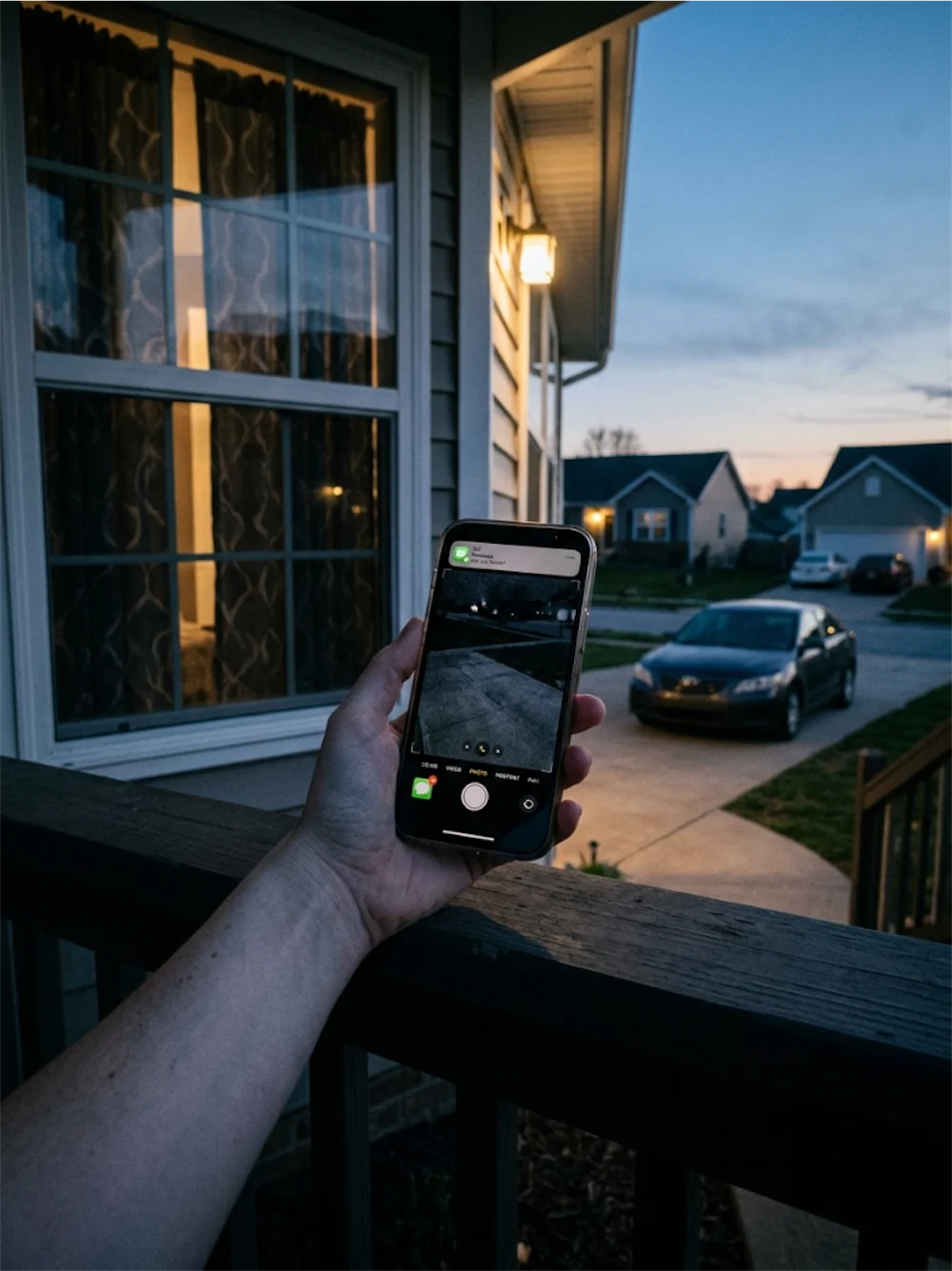
Indirect hoovering rarely looks like an aggressive attack; instead, it disguises itself as concern, nostalgia, or simple convenience. Have you ever had a casual acquaintance suddenly message you out of the blue to ask how you are doing, only to bring up your ex five minutes later? These interactions are highly calculated, and recognizing them early can save you months of emotional setbacks.
Here are the primary signs that your ex is using others to breach your boundaries:
- The “Accidental” Information Drop: A mutual friend casually mentions that your ex is miserable, sick, or has supposedly changed. This is meant to trigger your empathy and prompt you to reach out.
- Sudden Family Updates: You receive a text from their sibling or parent about a family event or a minor crisis, bypassing your block list entirely.
- Returning Leftover Belongings: Your ex sends a third party to return a useless item, like an old t-shirt or a book, just to force an interaction and gauge your emotional response.
- Social Media Surveillance: People you barely know, who are closely connected to your ex, suddenly start viewing your public stories or liking your posts.
Recognizing these patterns is only half the battle; you also need a concrete plan to shut down the communication channels without breaking no-contact. If you are tired of feeling anxious every time your phone buzzes, you can take control of your healing today. This structured digital workbook provides step-by-step templates to block manipulation, manage flying monkeys, and build unbreakable boundaries so you can finally move forward.

Why Do Toxic Exes Rely on Plausible Deniability?
A primary reason an ex uses others to reach you is the safety of plausible deniability. If they contact you directly and you ignore them, their ego takes a massive blow. But if they send a mutual friend to talk to you, they can easily pretend they had no part in it. They can claim the friend was simply acting on their own out of concern.
During my recovery, I had to learn that every message relayed through a third party was a test of my emotional boundaries. If I reacted, even with anger, it sent a clear message that they still had access to my emotions. It is a subtle game of chess where they use other people as pawns to see if you will finally break your silence.
How to Deal with Flying Monkeys and Third-Party Messages
When you realize someone is acting on behalf of your ex, it can feel like a massive betrayal, especially if that person is a close friend. How do you handle these situations without causing unnecessary drama? The key is to address the behavior calmly but firmly, without showing any emotional distress or anger.
First, you must set clear boundaries with the messenger immediately. You can say something simple like, “I am no longer in contact with my ex, and I do not want to hear any updates about them.” True friends will respect this boundary without pushing back or making you feel guilty.
If they continue to bring up your ex, you may need to distance yourself from them entirely. As highlighted by mental health professionals in Psychology Today, protecting yourself from these proxy messengers is essential because they often believe the false narrative your ex has spun. To keep your recovery on track, you must treat these messengers as extensions of the toxic ex themselves.
Implementing a radical no contact guide standard in your life means closing all backdoors, including those kept open by well-meaning friends. When you stop feeding the drama, the messenger eventually stops carrying the tales. Shutting down the classic role of the flying monkeys is a powerful way to reclaim your personal agency and show that you are no longer available for games.
It took me a long time to realize that healing is not just about blocking a phone number; it is about reclaiming your mental space. Today, I am back to my original, cheerful self, enjoying my old hobbies, and surrounded by genuine friends who respect my boundaries. If you are currently feeling isolated and exhausted by these subtle games, please know that this state is temporary. By recognizing these signs early and establishing strong boundaries through resources like The Hoovering Protection Plan, you can protect your peace and rebuild a life that is entirely your own.

Meet Your Guide
Helen Brooks
After surviving a 12-year NPD/BPD relationship, I dedicated over a decade to studying trauma bonding and nervous system recovery. My mission is to help you break free from the fog and reclaim your authentic self.
Ready to break the trauma bond and reclaim your life?