Why Your Voice Feels Weak or Blocked After Emotional Abuse (and How to Reclaim It)
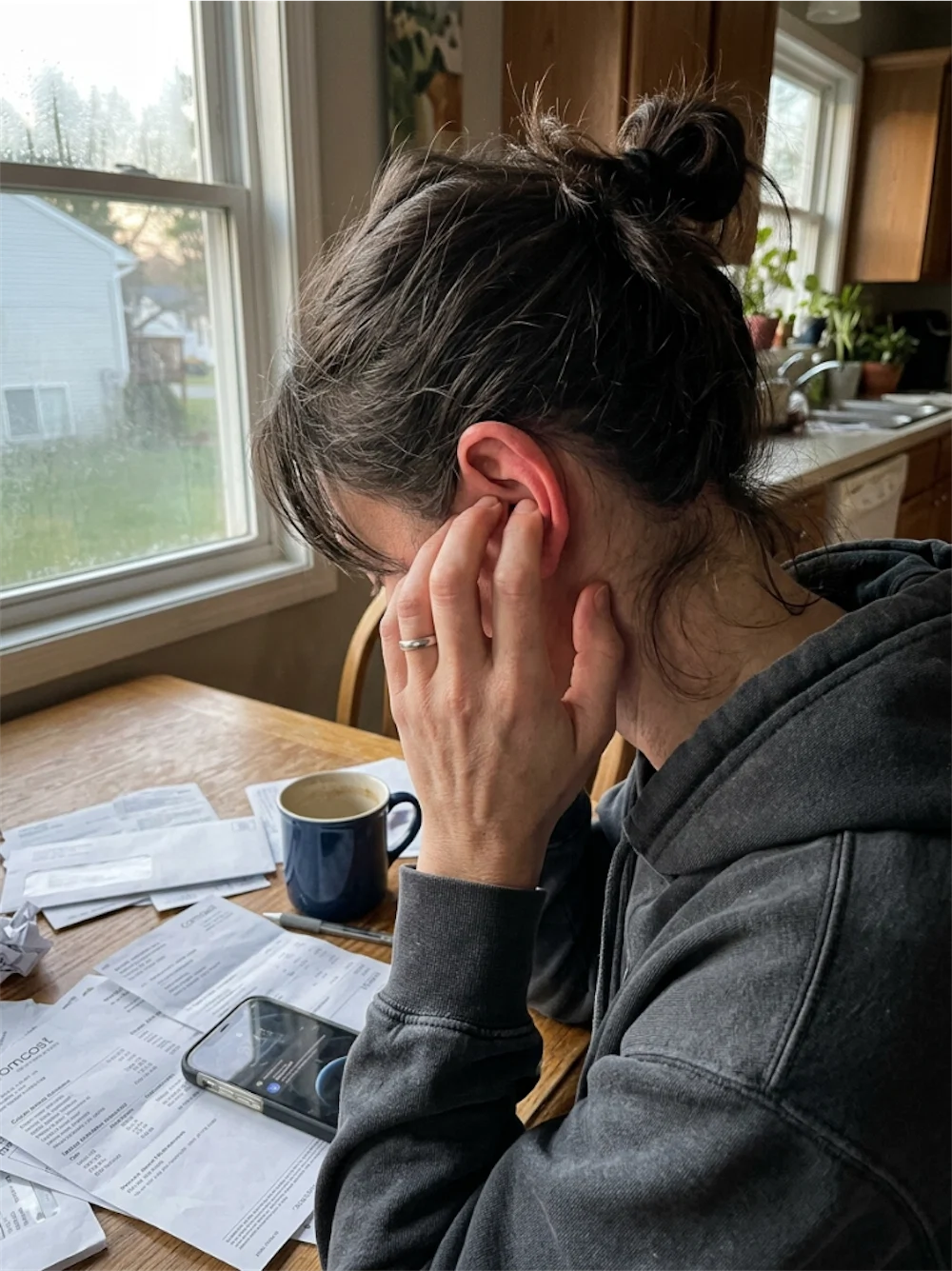
If you have ever felt a weak voice after emotional abuse or struggled with a blocked throat trauma response, you are not alone. During my twelve years with a partner who displayed extreme traits of both narcissistic personality disorder and borderline personality disorder, my throat constantly felt tight and restricted. I frequently found myself in situations where I can’t find words after abuse, standing frozen and silent as my reality was systematically dismantled. If you want to break free from this paralyzing pattern, using resources like The Fawn Response Detox guide can help you start speaking up again.
Why does this happen? Is it just stress, or is something deeper occurring inside your nervous system? The truth is that chronic emotional toxicity teaches your body that speaking is dangerous.
Over time, your survival instincts take over, physically putting a lock on your vocal cords. Let us examine why this happens and how you can reclaim your voice.
Why Does Your Voice Feel Blocked After Emotional Abuse?
A weak or blocked voice after emotional abuse is a physical somatic response caused by the brain shutting down speech centers under high stress, combined with muscle guarding in the throat to suppress scream or cry reflexes. This protective mechanism prevents you from speaking up when doing so feels unsafe during trauma.

When you undergo chronic emotional stress, the brain shifts into survival mode. Neurological research published by the National Institutes of Health indicates that traumatic stress can actually cause Broca’s area, the part of the brain responsible for speech, to go offline. This is why you feel physically unable to articulate your thoughts during or after a heated argument. Your brain is choosing survival over conversation.
Another factor is muscle guarding. When you live walking on eggshells, your body braces for impact. You constantly swallow your truth, suppress cries of pain, and hold back your anger. This creates chronic tension in the neck, jaw, and vocal cords, which leads to throat tightness. Recognizing these fawn response traits is a major step in understanding why you stayed quiet.
When I was in my toxic relationship, I learned very quickly that speaking up resulted in rage or silent treatment. My mind associated my own voice with pain. Have you noticed that you rehearse conversations in your head but freeze when it is time to speak? This is not weakness: it is a deeply wired survival strategy.
How the Freeze Response Hijacks Your Vocal Cords
When we talk about trauma responses, we often think of fight or flight. But when you are trapped in a long-term toxic relationship, neither fighting back nor running away feels like an option. Your nervous system defaults to the freeze response. This immobilization state physically tightens the muscles of the throat to keep you quiet and inconspicuous.
This biological lockdown is designed to protect you from a predator. In a domestic setting, however, it means you lose the ability to defend yourself or express your boundaries. Your throat feels like it has a physical lump in it because your body is trying to keep you from screaming or crying, both of which would escalate the abuser’s reaction.
Over several years, this protective throat tightness becomes your default state. You might notice your voice sounding raspy, quiet, or shaky even when you are just talking to safe people like coworkers or friends. Your nervous system does not yet know that the threat has passed.
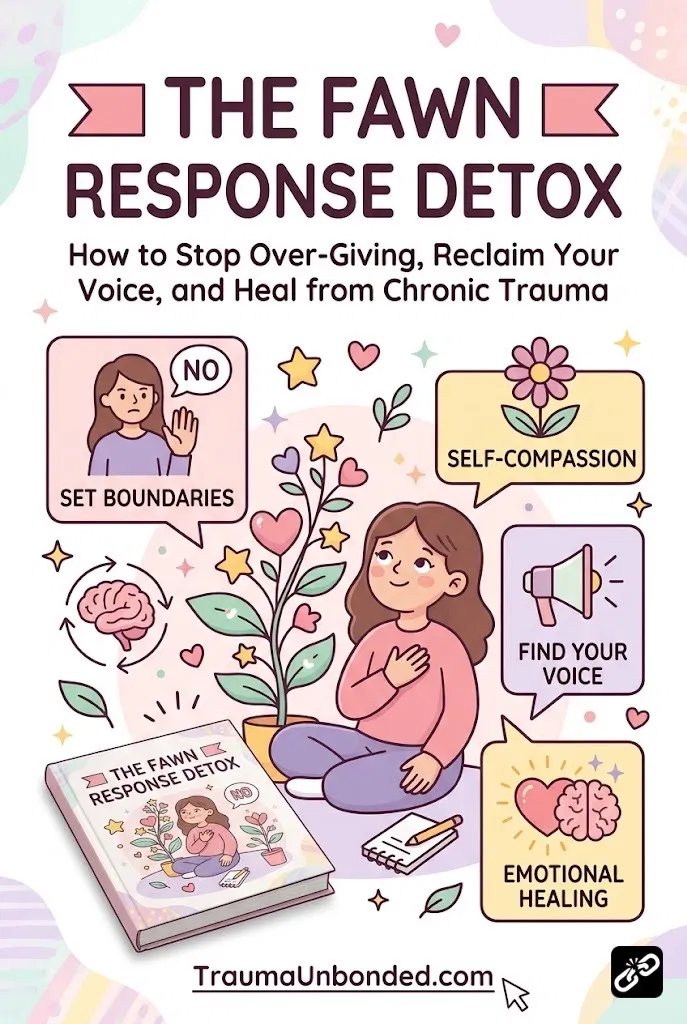
To truly heal this voice block, we must address the root physiological and behavioral habits keeping us silent. I designed a step-by-step roadmap specifically for this struggle.
Practical Steps to Relieve Throat Tightness and Reclaim Your Voice

Reclaiming your voice after a toxic relationship requires a dual approach. You must calm the overactive nervous system while physically releasing the stored tension in your throat, neck, and jaw muscles. When you show your nervous system that it is safe to speak, the physical barrier starts to soften.
Here are some highly practical exercises you can practice at home to support a healthy somatic release throat tightness response:
- Vocal humming and sighing: Spend two minutes making a low, gentle humming sound. This creates physical vibrations that stimulate the vagus nerve and signal safety to your brain. You can learn more about how to regulate your vagus nerve to speed up this physical release.
- Jaw and neck massage: Use your knuckles to gently rub the masseter muscle, which is located near the back of your jaw. This muscle holds vast amounts of suppressed anger and tension.
- Reading out loud: When you are completely alone, read a book or an article aloud. This allows your brain to practice hearing the sound of your voice without the pressure of having to find the right words or defend yourself.
- Speak to an empty room: Say whatever you wish you could have said to your ex. Let the words flow without filter. Cry, yell, or whisper, but let the sounds escape your body.
Rebuilding the Connection to Your Inner Truth
When you spend a long time being gaslit, you stop trusting your own thoughts. You stop speaking because you begin to doubt if your reality is even real. This is why learning to trust your own instincts again is so critical to finding your voice.
Start small by naming things around you. Say what you are feeling out loud when you are alone: “I am feeling angry,” “I am feeling sad,” or “I am safe right now.” This simple practice reconnects your sensory experience to your vocal expression, training your brain that it is okay to put feelings into spoken words again.
For years, my throat felt like it was in a vice. After escaping that 12-year cycle, I had to learn that my opinions were allowed to exist. Rebuilding your confidence after a highly toxic relationship is not just about physical speaking; it is about reclaiming your belief that you deserve to be heard. How can we expect our bodies to let us speak when we still feel unsafe in our daily lives?
Healing takes time, but your voice is not permanently gone. It is simply waiting for you to create a safe space for it to return. If you are ready to stop people pleasing and reclaim your power, consider using The Fawn Response Detox guide to help you find your footing and speak your truth again.

Meet Your Guide
Helen Brooks
After surviving a 12-year NPD/BPD relationship, I dedicated over a decade to studying trauma bonding and nervous system recovery. My mission is to help you break free from the fog and reclaim your authentic self.
Ready to break the trauma bond and reclaim your life?