Dorsal Vagal Shutdown: Understanding the “Flop” and “Faint” Trauma Responses
Dorsal vagal shutdown is the body’s ultimate survival response when emotional pain and chronic stress become too heavy to bear. If you are searching for practical ways on how to recover from freeze and collapse trauma responses, you are not broken; your nervous system is simply trying to keep you alive. During my twelve long years with a toxic partner who had both narcissistic and borderline traits, I lived in this quiet, numb state for years without understanding what was happening to me.
Back then, I felt completely hollow, isolated, and stripped of my original cheerful self. It was only through deep therapy, breaking my codependent habits, and learning about trauma bonds that I found a way out of the fog. Using body-based tools like The Somatic Trauma Reset was a turning point that helped me gently wake up my shut-down nervous system.
Understanding the Physiology of Dorsal Vagal Shutdown
Dorsal vagal shutdown is an extreme physiological survival state where the parasympathetic nervous system immobilizes the body to protect it from perceived life-threatening stress, resulting in numbness, low energy, and emotional flatlining.

When you face relentless emotional abuse, your nervous system tries to protect you. First, it goes into fight-or-flight mode, flooding your system with adrenaline. But when you cannot fight back and you cannot escape, the brain decides that active defense is too dangerous.
This is when the older branch of your vagus nerve takes over. It triggers a profound dorsal vagal collapse, pulling you into a state of metabolic hibernation. Your heart rate slows down, your digestion stalls, and your mind disconnects from the present moment to buffer you from pain.
The Difference Between Freeze, Flop, and Faint
People often use these terms interchangeably, but they feel very different in a highly toxic relationship. Understanding these distinctions is a major part of the lessons from 12 years with a narcissist that I had to learn the hard way.
- The Freeze Response: This is a high-energy state where your muscles are locked up tight. You are terrified and alert, like a prey animal caught in headlights, with your heart racing beneath a still exterior.
- The Flop Response: Here, all muscle tone vanishes. You become completely compliant, listless, and agreeable, letting the abuser have their way because you have no physical energy left to argue.
- The Faint Response: This is a state of deep dissociation. You might feel lightheaded, foggy, or like you are watching your life happen from a distance, completely detached from your own skin.
In my relationship, the flop response became my default defense. When my partner would rage or accuse me of impossible things, my body would simply collapse inward. I would quietly agree to things I did not do, just to get them to stop, feeling like a hollow shell of a person.
How Chronic Collapse Manifests After Emotional Abuse
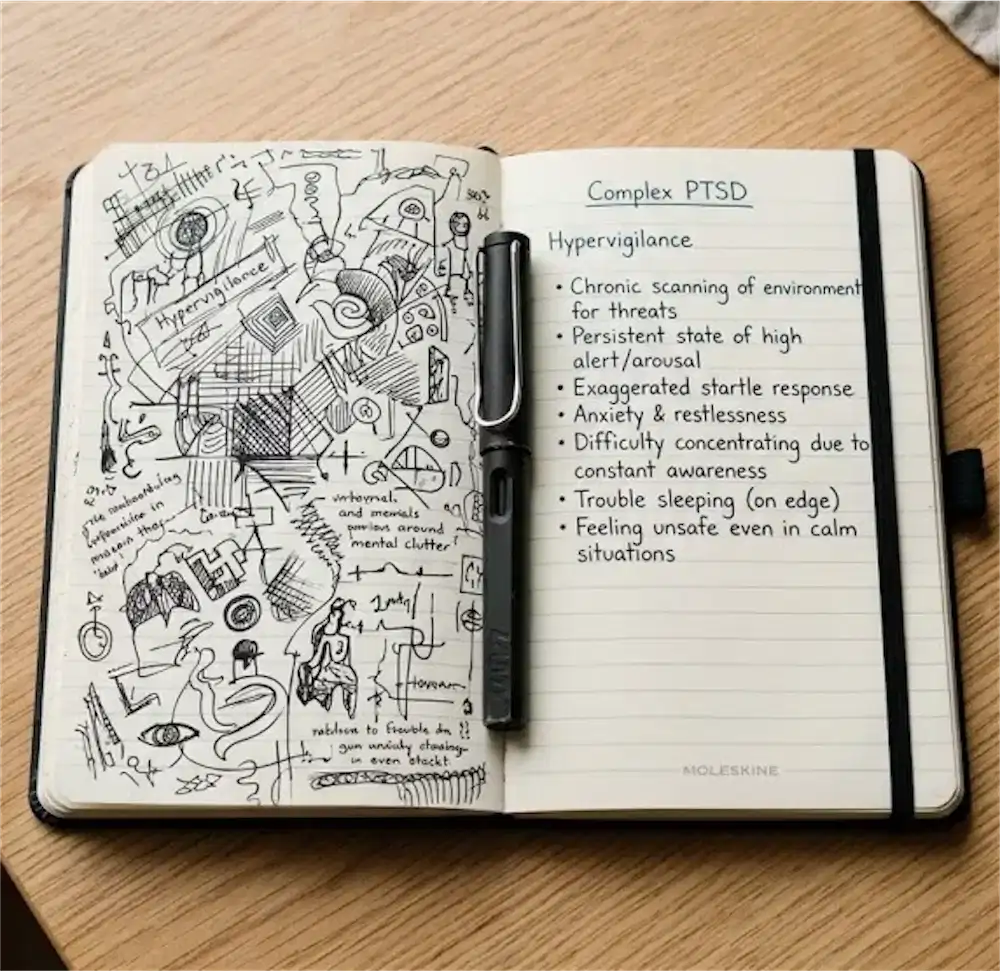
Living in this survival state for years leaves a heavy imprint on your body and mind. You do not just feel tired; you feel a heavy, bone-deep exhaustion that sleep cannot fix. Many survivors of chronic emotional abuse struggle with brain fog, memory issues, and a total lack of motivation.
Your friends might wonder why you have isolated yourself or why you no longer participate in your favorite hobbies. The truth is, your body has categorized socialization as unsafe. This survival loop keeps you locked in your room, hiding from the world because any interaction feels like a potential threat.
The Physical Toll of Long-Term Dissociation
When you are stuck in dorsal vagal immobilization, your physiological systems suffer. Digestion becomes sluggish, which can lead to severe gut issues, while your immune system struggles to keep up. I spent years dealing with chronic fatigue and muscle weakness, not realizing my body was still trying to survive a threat that had already passed.
This physical depletion is why standard talk therapy sometimes feels like it is not enough. You cannot simply talk your brain out of a state that is deeply wired into your physical tissues. Your body must experience actual physical safety before your mind can finally let its guard down.
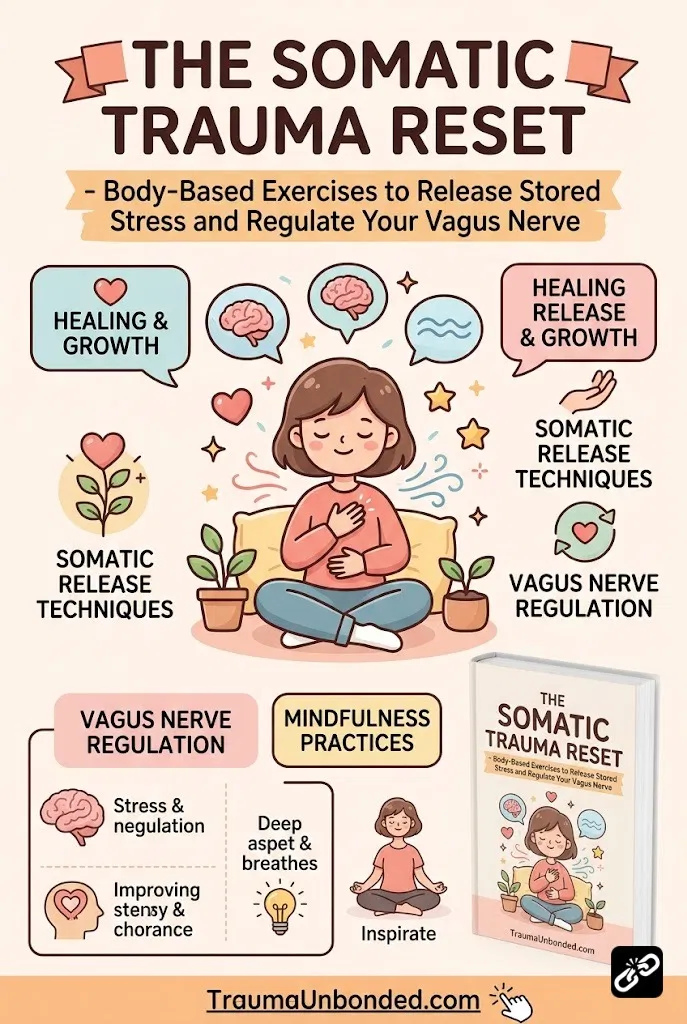
If you want to guide your body out of this heavy, frozen state and back into safe connection, using structured somatic tools is the most reliable way to release that stored trauma.
How to Gently Reset Your Shut-Down Nervous System
To heal from this level of exhaustion, you must treat your body with immense gentleness. Pushing yourself into intense workouts or highly social situations will only trigger another freeze or collapse response. Your nervous system needs small, consistent signals that the threat is gone.
According to research published on PubMed Central, the vagus nerve coordinates our physiological states, and recovery requires somatic strategies rather than just cognitive processing. You have to work from the bottom up, using your physical body to communicate safety directly to your brain.
Here are a few somatic practices that helped me wake up my body without triggering panic:
- Gentle Sighing and Breathwork: Take a deep breath in through your nose, followed by a second short sip of air, then let out a long, slow sigh through your mouth. This simple pattern signals your brain to reduce its threat response.
- Sensory Grounding: When you start to feel detached or lightheaded, focus on physical touch. Rub your hands together, wrap yourself in a heavy blanket, or hold a warm mug of tea to bring your awareness back to your skin.
- The Cold Water Splash: Splashing cold water on your face can help stimulate your vagus nerve, bringing you out of a deep dissociation state and gently waking up your brain.
You can find more practical body-based techniques in our guide to nervous system regulation exercises to help you navigate this transition. Be patient with yourself as you practice these; a nervous system that has been shut down for years needs time to trust that the world is finally safe.
Navigating the Recovery Timeline
Waking up from a long-term freeze or flop response is rarely a linear process. As your body starts to come out of dorsal vagal shutdown, you might suddenly feel a rush of anger, grief, or anxiety. This is completely normal and is actually a sign of progress.
Your nervous system is moving back up the polyvagal ladder, passing through the active fight-or-flight stage before it can reach a state of calm connection. When these intense emotions arise, try not to fight them; instead, welcome them as signs that your frozen heart is finally melting.
If you find yourself struggling with sudden waves of sadness or panic, you might be experiencing trauma bond withdrawal symptoms. Knowing what to expect makes it much easier to stay grounded when the emotional waves hit.
It took me a long time to realize that my numbness was not a personal failure, but a protective shield my body built to keep me safe. Today, I am back to my cheerful, optimistic, and grounded self, proof that your nervous system can learn to trust again. To support your path toward safety and reconnect with your body, consider downloading The Somatic Trauma Reset to guide your daily recovery.

Meet Your Guide
Helen Brooks
After surviving a 12-year NPD/BPD relationship, I dedicated over a decade to studying trauma bonding and nervous system recovery. My mission is to help you break free from the fog and reclaim your authentic self.
Ready to break the trauma bond and reclaim your life?