Trauma Belly Bloating: How Emotional Abuse Affects Your Gut
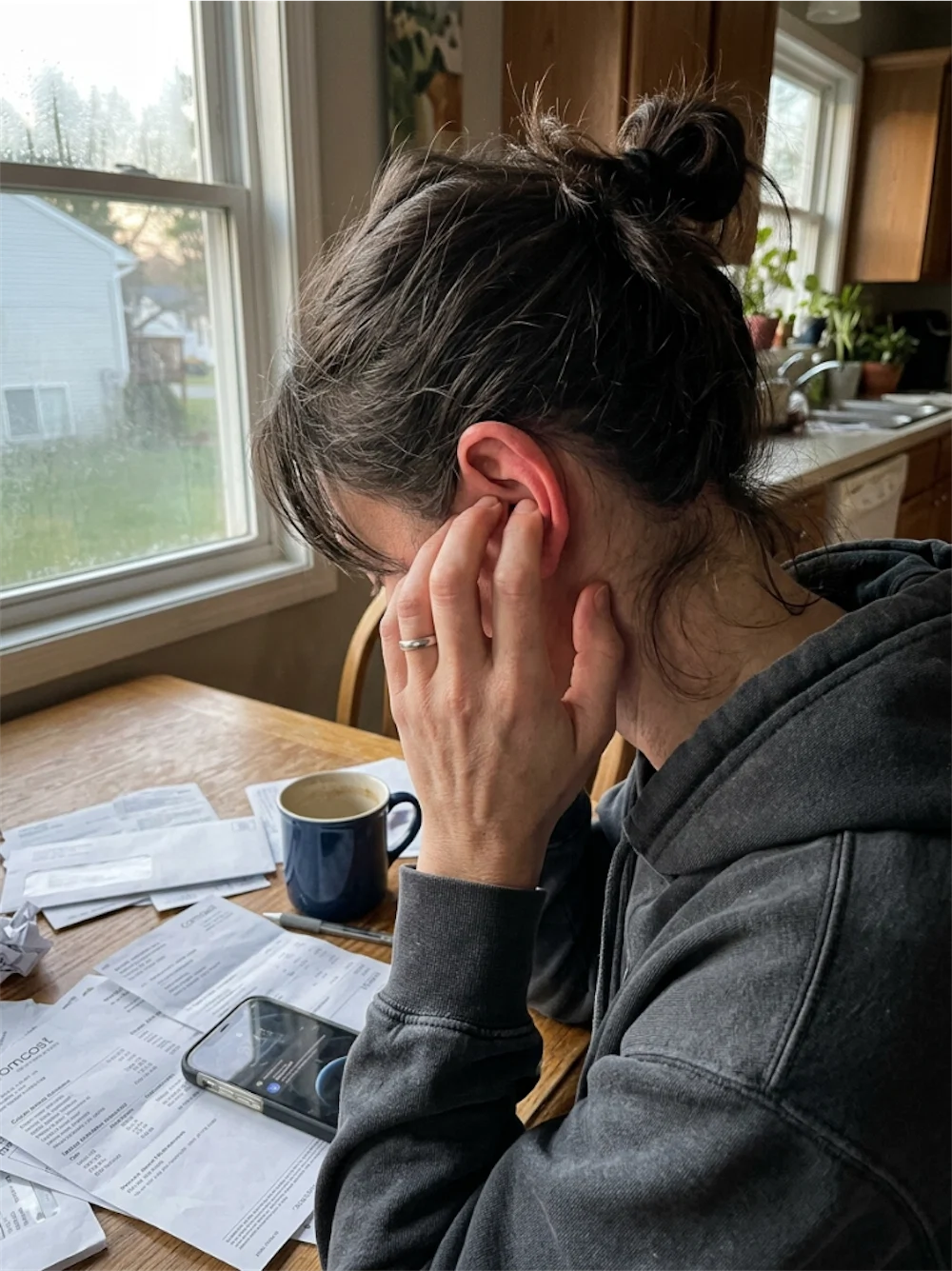
For years, I thought something was seriously wrong with my stomach. I would wake up flat and go to bed looking six months pregnant. Doctors ran tests. Bloodwork came back normal. Colonoscopy, normal. Food allergy panel, normal. But my belly was swollen, tight, and painful almost every single day. It wasn’t until I left my 12-year relationship with a partner who had both NPD and BPD traits that I finally connected the dots. My gut wasn’t reacting to food. It was reacting to chronic emotional abuse.
If you’ve been searching for answers to why your stomach is always bloated after narcissistic abuse, or wondering whether stress from a toxic relationship can actually change your digestion, you’re not imagining things. This is real. And it has a name: trauma belly. I created the Somatic Trauma Reset Guide specifically for people dealing with the body-level effects of stored trauma, including this kind of persistent gut distress.
What Is Trauma Belly and Why Does It Happen?
Trauma belly is not a formal medical diagnosis. It’s a term used in trauma-informed circles to describe the chronic bloating, abdominal distension, and digestive dysfunction that survivors of emotional abuse frequently experience. Your gut is often called your “second brain” because it contains over 100 million nerve cells lining your gastrointestinal tract. This is the enteric nervous system, and it communicates directly with your brain through the vagus nerve.
When you live in a state of constant threat, which is exactly what happens in a relationship with someone who gaslights you, rages unpredictably, or gives you the silent treatment for days, your nervous system stays locked in survival mode. Fight or flight becomes your default. And when your body is busy preparing to survive the next emotional explosion, it shuts down “non-essential” functions. Digestion is one of the first things to go.
I remember the feeling well. My ex would come home and I couldn’t tell from the sound of the door closing whether it would be a good night or a nightmare. That uncertainty alone was enough to make my stomach clench. Over 12 years, that clench became permanent.
How Emotional Abuse Physically Changes Your Gut
Let’s talk about what’s actually happening inside your body. When cortisol and adrenaline are constantly elevated, your gut motility slows down. Food sits in your intestines longer than it should. Gas builds up. Your gut microbiome, the community of bacteria that keeps your digestion healthy, starts to shift. The helpful bacteria decrease. The inflammatory ones increase.
This isn’t speculation. Research has confirmed the link between chronic psychological stress and gut dysbiosis. Survivors of narcissistic abuse often report IBS symptoms, acid reflux, constipation, diarrhea, or all of the above, cycling unpredictably. Does any of that sound familiar?
There’s also the issue of inflammation. When your body is flooded with stress hormones day after day, it triggers a low-grade inflammatory response throughout your system. Your intestinal lining can become more permeable, sometimes called “leaky gut,” allowing particles to pass through that shouldn’t. The result? More bloating, more discomfort, more confusion about what’s wrong with you. If you’ve been dealing with stress-related inflammation from abuse, you already know this cycle intimately.
The Vagus Nerve Connection: Why Your Belly Holds Trauma
Your vagus nerve is the longest cranial nerve in your body. It runs from your brainstem all the way down to your abdomen. Think of it as the communication highway between your brain and your gut. When you are safe, this nerve helps your body rest, digest, and repair. When you are in danger, or when your nervous system thinks you’re in danger because it has been conditioned by years of unpredictable abuse, the vagus nerve goes offline.
This is why so many people who have left toxic relationships still experience bloating, stomach pain, and digestive issues months or even years later. Your body hasn’t gotten the memo that you’re safe now. It’s still bracing. Still clenching. Still waiting for the next blow.
During my relationship, I developed a habit of holding my breath without realizing it. Shallow breathing. Tight jaw. Shoulders up around my ears. All of that tension traveled straight down into my belly. My therapist later explained that this is the body’s way of “armoring,” a somatic response to ongoing emotional threat.
Signs You Might Have Trauma Belly
Not sure if what you’re experiencing is trauma-related bloating or something else? Here are common signs that your gut issues may be connected to emotional abuse:
Your bloating gets worse during stress, not after eating specific foods. You’ve tried elimination diets, gone gluten-free, cut dairy, and nothing consistently helps. But you notice your stomach swells when you’re anxious, triggered, or ruminating about your ex.
Your digestion changed during or right after your toxic relationship. Maybe you never had stomach problems before. Or maybe they were mild and suddenly became unbearable.
You carry tension in your abdomen. If you place your hand on your belly right now, does it feel hard? Tight? Like you’re bracing for something?
Doctors can’t find anything wrong. You’ve had the tests. The scans. The bloodwork. Everything comes back “normal,” but you feel anything but normal.
If you’re dealing with these symptoms alongside high cortisol symptoms, there’s a strong chance your gut issues are trauma-driven.
How to Start Healing Trauma Belly Bloating

Here’s the thing nobody tells you: you can’t supplement your way out of trauma belly. Probiotics and digestive enzymes might help around the edges, but the root cause is your dysregulated nervous system. That’s where healing has to start.
Vagus nerve stimulation exercises were a turning point for me. Cold water on the face. Humming. Slow, deep belly breathing where the exhale is longer than the inhale. These sound almost too simple, but they directly activate the parasympathetic branch of your nervous system, the one that tells your gut it’s safe to work again.
Somatic release practices are also critical. Gentle yoga, body scans, and even just shaking your body for a few minutes can help discharge the stored tension your abdomen has been holding. Your body kept score during those years of abuse. Now it needs permission to let go.
Trauma-informed therapy, specifically modalities like EMDR or somatic experiencing, can address the root patterns that keep your nervous system stuck on high alert. This was what finally shifted things for me. Not another diet. Not another supplement. Therapy that understood my body was still living in the relationship even though I had physically left.
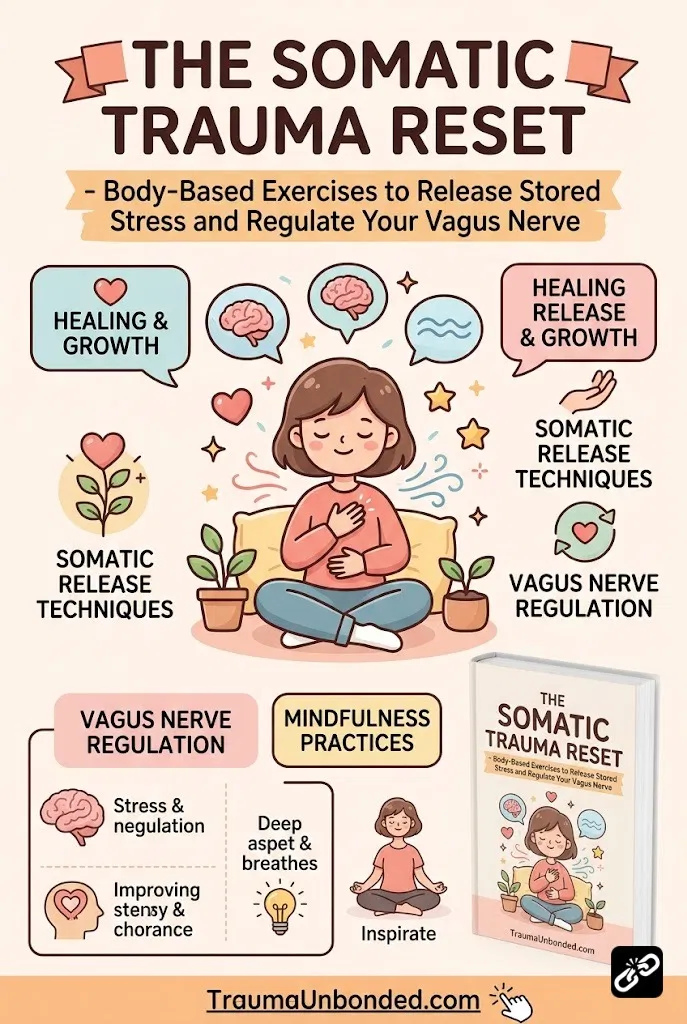
If you’re looking for a structured, step-by-step resource to work through the physical side of stored trauma, I built something specifically for this.
Practical Daily Habits That Helped My Gut Recovery
Beyond therapy and somatic work, certain daily habits made a noticeable difference in my trauma belly symptoms. I’m sharing them not as medical advice but as things that genuinely helped me after leaving a decade-long abusive relationship.
Eating slowly and without screens. For years, I ate in a state of tension, either rushing to avoid conflict or scrolling my phone to distract from anxiety. Learning to eat calmly, chewing thoroughly, and actually tasting my food gave my digestive system the signal that it was safe to do its job.
Warm water first thing in the morning. Not a hack. Not a trend. Warm water gently stimulates your digestive tract and signals your vagus nerve. I added this to my morning routine and noticed a difference within the first week.
Movement that isn’t punishing. I used to exercise hard to “burn off” anxiety. What actually helped my gut was gentle walking, stretching, and restorative yoga. The kind of movement that says to your body, “We’re not running from anything.”
Reducing sugar and processed food. Not out of restriction, but because I noticed my bloating was significantly worse when I ate high-sugar foods during stress. Stress eating after abuse is extremely common. Be kind to yourself about it, but know that your gut flora is already compromised and sugar feeds the wrong bacteria.
Your Bloating Is Not a Character Flaw
Can we just say this plainly? Your body is not broken. Your gut is not defective. You are carrying the physical evidence of something your mind and spirit endured for far too long. That bloated belly you’ve been hiding under loose shirts, the one that makes you feel self-conscious, uncomfortable, and exhausted? It’s your body telling you it’s still processing what happened.
The good news is that trauma belly is reversible. It takes time. It takes patience with yourself. And it takes addressing the emotional root, not just the physical symptoms. Your nervous system learned to live in survival mode. Now you get to teach it how to live in safety again.
I’m living proof that this gets better. My digestion normalized about eight months after I began trauma-focused therapy combined with daily vagus nerve exercises. The bloating didn’t disappear overnight, but it gradually softened, and so did I. If you’re ready to start working on the somatic layer of your healing, the Somatic Trauma Reset Guide walks you through body-based exercises designed specifically for releasing stored stress and regulating the nervous system after abuse. Your gut has been waiting for you to come back to it. Start there.

Meet Your Guide
Helen Brooks
After surviving a 12-year NPD/BPD relationship, I dedicated over a decade to studying trauma bonding and nervous system recovery. My mission is to help you break free from the fog and reclaim your authentic self.
Ready to break the trauma bond and reclaim your life?