Post-Traumatic Growth: How to Rebuild a Life That is Better Than Before the Abuse
Post-traumatic growth after narcissistic abuse is the quiet, unexpected reality that you can build a life that feels lighter, safer, and infinitely more beautiful than anything you knew before. When you escape a highly toxic cycle, the immediate aftermath feels like standing in a field of cold ashes. You might be struggling with intense trauma bond withdrawal symptoms and wondering if you will ever feel normal again.
I spent twelve long years with a partner who displayed severe traits of both Narcissistic Personality Disorder (NPD) and Borderline Personality Disorder (BPD). By the end of that decade, I did not recognize my own reflection. I was isolated from my dearest friends, my favorite hobbies were entirely gone, and my daily existence felt profoundly miserable. I found my way back through therapy, learning how the mind bonds to chaos, and committing to a structured recovery plan to stop codependency.
Healing did not happen overnight, but the human spirit has an incredible capacity to reorganize itself after a storm. Let us talk about how you can transition from mere survival to true, lasting expansion. How do you rebuild when everything you thought you knew has been stripped away?
What Is Post-Traumatic Growth After Narcissistic Abuse?
Post-traumatic growth is a psychological shift where a survivor does not just return to their pre-trauma state, but actually develops deeper personal strength, healthier relationships, and a completely renewed sense of self-worth after a major life crisis.

For twelve years, my life was defined by walking on eggshells. I thought surviving was the only goal, and I assumed that getting out would simply leave me as a hollow version of myself. But true recovery means something far deeper than just getting by.
According to psychological research on post-traumatic growth, the intense struggle with a life crisis can actually serve as a powerful catalyst. It forces us to restructure our personal philosophy, our boundaries, and our core beliefs. Have you ever wondered why some people seem to flourish after a devastating breakup? It is not because they did not hurt; it is because the pain forced them to dismantle a foundation that was never safe to begin with.
Transitioning From Survival Mode to Active Healing
When you first leave a highly manipulative partner, your nervous system is in a constant state of red alert. You are used to high cortisol, sudden discards, and constant emotional rollercoasters. The first step toward growth is acknowledging that your body needs time to slowly decompress.
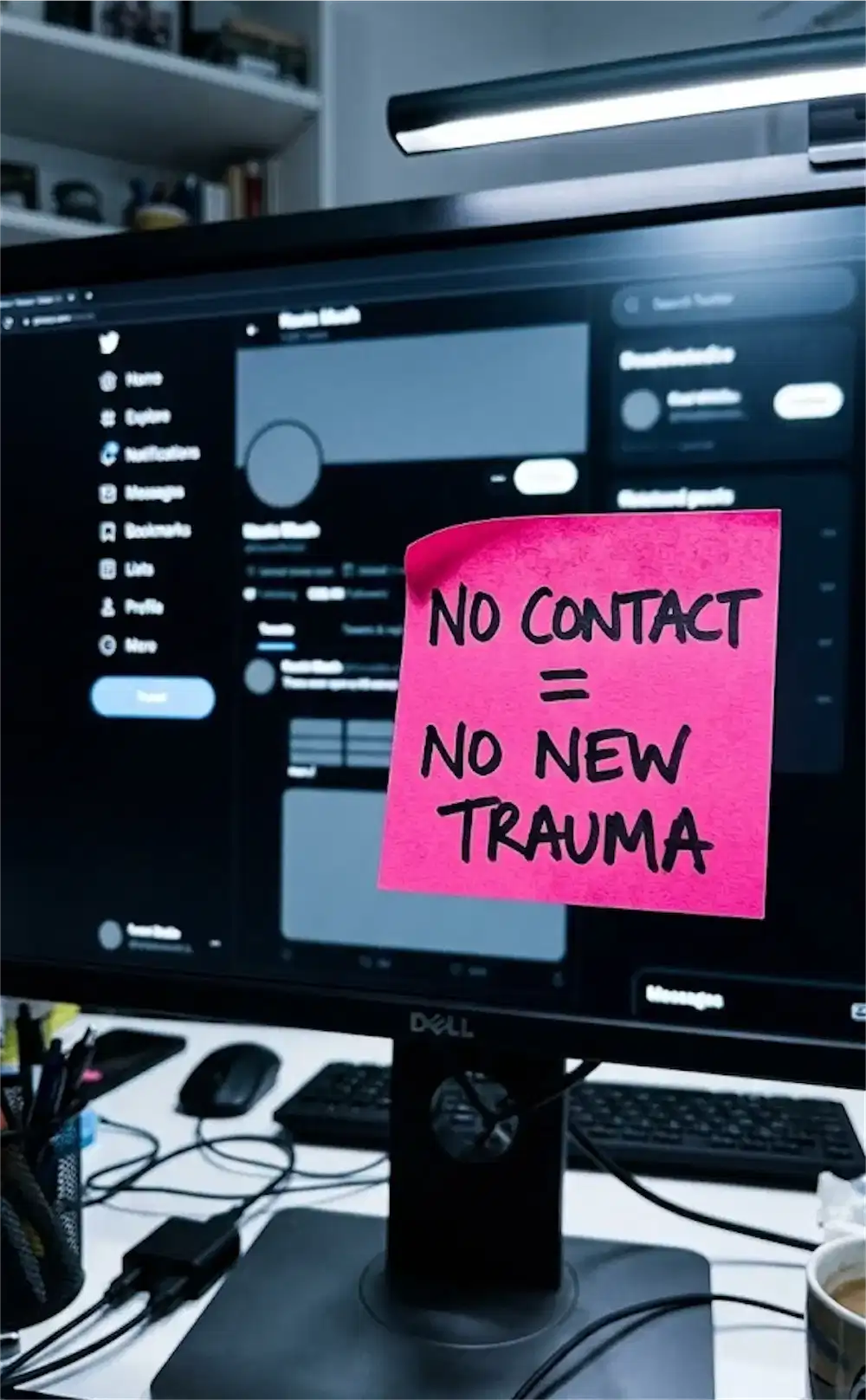
You cannot build a new life while your mind is still reacting to old ghosts. During my own recovery, I had to deliberately stop checking my ex’s social media and block all communication. It was only in that absolute quiet that I could begin to rebuild my self-worth and find my footing.
Are you still holding onto the hope that they will change, or are you ready to invest that energy back into your own life? Reclaiming your time and mental space is the ultimate act of reclaiming your own story. When you stop focusing on their chaos, your energy naturally returns to where it belongs.
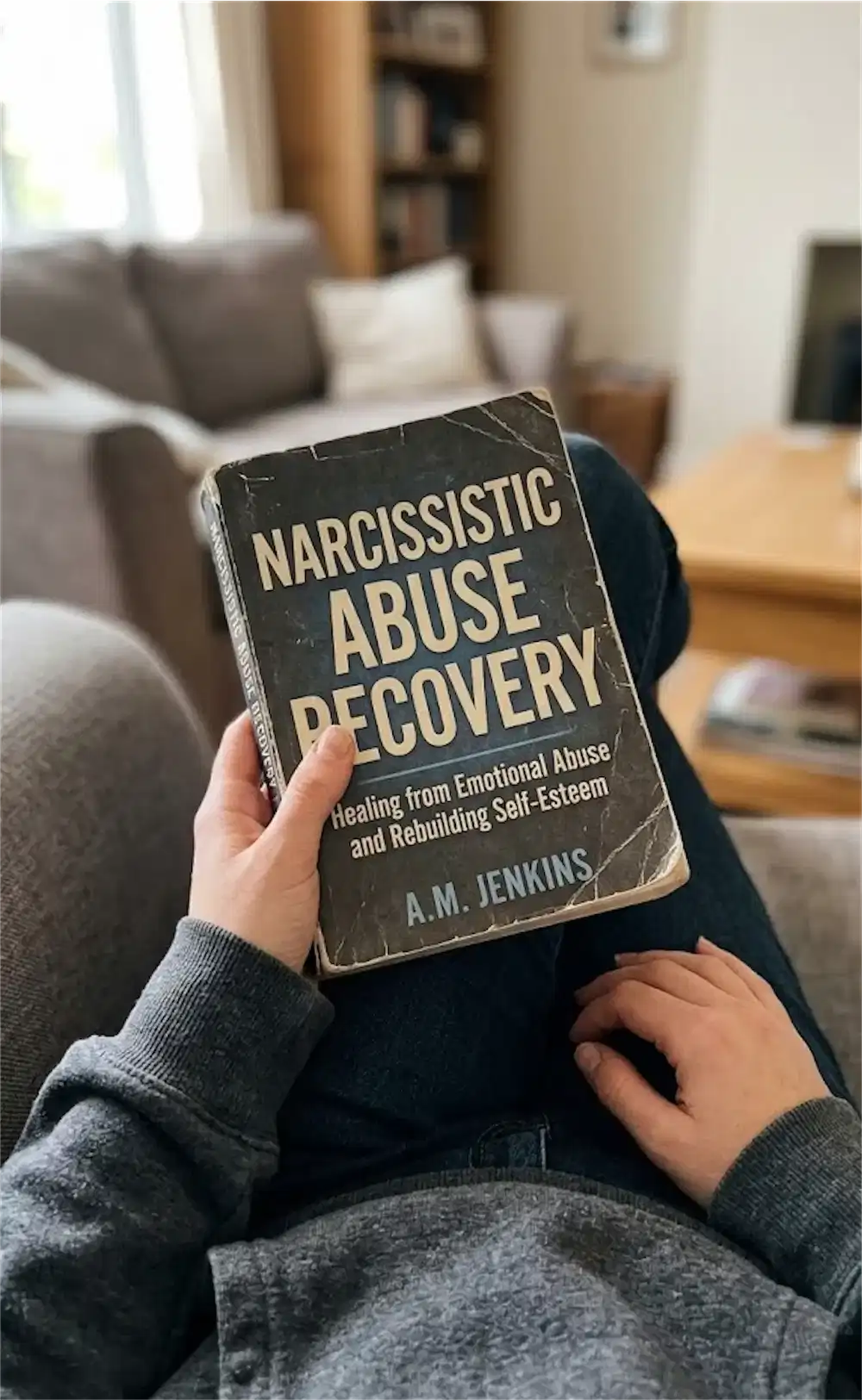
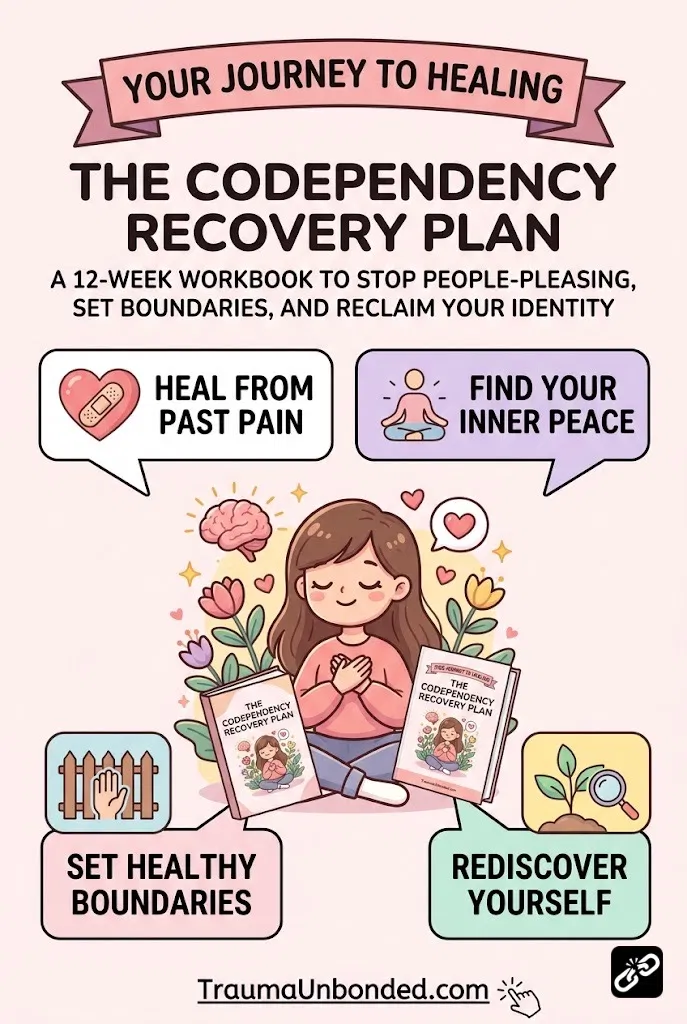
To truly heal and stop the cycle of people-pleasing that often keeps us trapped in toxic dynamics, we need a practical, daily roadmap. This structured resource helped me step out of the fog of codependency, set firm boundaries, and rebuild my life block by block:
Reclaiming Your Identity and Overcoming Codependency

When you live with someone who has NPD and BPD traits, your own identity gets completely erased. You become a mirror, constantly adjusting your behavior to keep the peace and manage their volatile moods. Overcoming codependency means learning how to reconnect with your authentic self after years of neglect.
I remember sitting in a quiet room a few months after my breakup, realizing I had no idea what kind of music I actually liked. I had spent over a decade listening to what they wanted, eating what they chose, and walking on eggshells. Rebuilding means starting with tiny, daily choices:
- Choose one small hobby that is yours alone, even if it is just reading or tending to a small plant.
- Write down three things you appreciate about yourself each day, completely independent of anyone else’s validation.
- Practice saying a firm “no” to minor requests from others without offering a lengthy explanation or apology.
These small actions train your brain to realize that your opinions, preferences, and peace of mind actually matter. You are no longer responsible for managing another adult’s emotional storms.
Rewiring Your Brain After Chronic Trauma
Chronic emotional abuse changes the physical structure of your brain, keeping your survival center in a state of constant panic. To achieve true growth, we have to actively work on calming our nervous system. I used to think therapy was just about talking, but I quickly learned that physical safety is just as crucial.
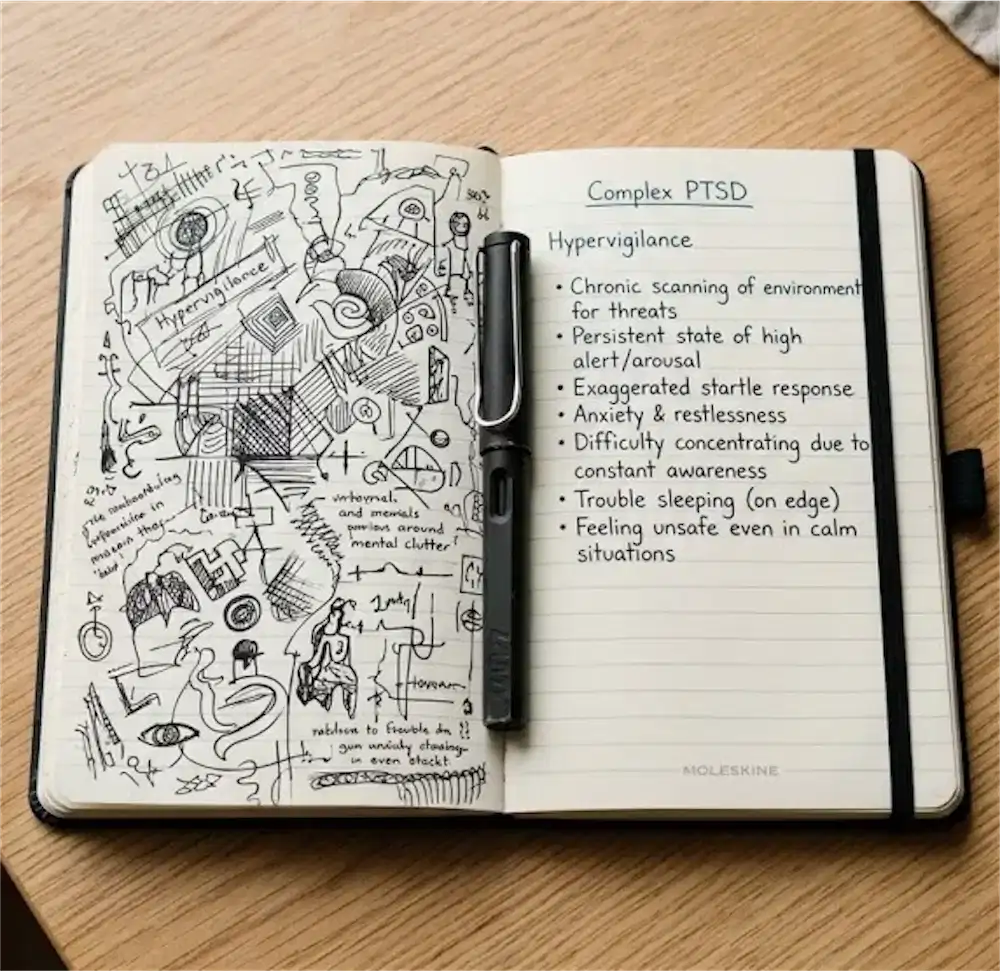
Simple habits can help your brain step out of constant hyper-vigilance. Try spending five minutes in nature, taking deep breaths, or writing down your thoughts in a journal first thing in the morning. When we calm the survival brain, we create the necessary space for creativity, joy, and deep connection to return.
Can you feel the difference between reacting to a threat and choosing your own path? That transition is where your true recovery takes root.
We do not go back to exactly who we were before the abuse, and that is actually a beautiful thing. Today, I have returned to my cheerful, optimistic, and deeply grounded nature, but I am also fiercely protective of my peace. By committing to a structured program like The Codependency Recovery Plan, you can slowly piece yourself back together and create a life that is safer, stronger, and more authentic than anything you left behind.

Meet Your Guide
Helen Brooks
After surviving a 12-year NPD/BPD relationship, I dedicated over a decade to studying trauma bonding and nervous system recovery. My mission is to help you break free from the fog and reclaim your authentic self.
Ready to break the trauma bond and reclaim your life?