The Chameleon Effect: Why You Adopted Your Ex’s Traits and How to Reclaim Your Identity
If you are wondering why you adopted your ex’s traits and feel like you are completely losing yourself in a relationship, you are not losing your mind. Walking away from a toxic partner only to realize you are speaking like them, reacting like them, or mirroring their emotional swings can feel deeply unsettling. By understanding how this adaptation works, you can finally begin to reclaim your identity after abuse and rebuild your life on your own terms.
In my own 12-year toxic relationship with a partner who showed both NPD and BPD traits, I experienced this firsthand. Over more than a decade, I watched my cheerful, stable nature slowly dissolve into a hyper-reactive state where I adopted their vocabulary and copied their defensive habits. It felt as though my true personality was locked in a cage, replaced by an imitation of the person who was hurting me.
How does a person with a strong core end up mirroring the very traits they find destructive? The truth is that adopting these behaviors is a natural psychological defense mechanism designed to keep you safe in an unstable environment. Let us explore how this survival tactic develops and how you can break free from its grip.
What Is the Chameleon Effect in Toxic Relationships?
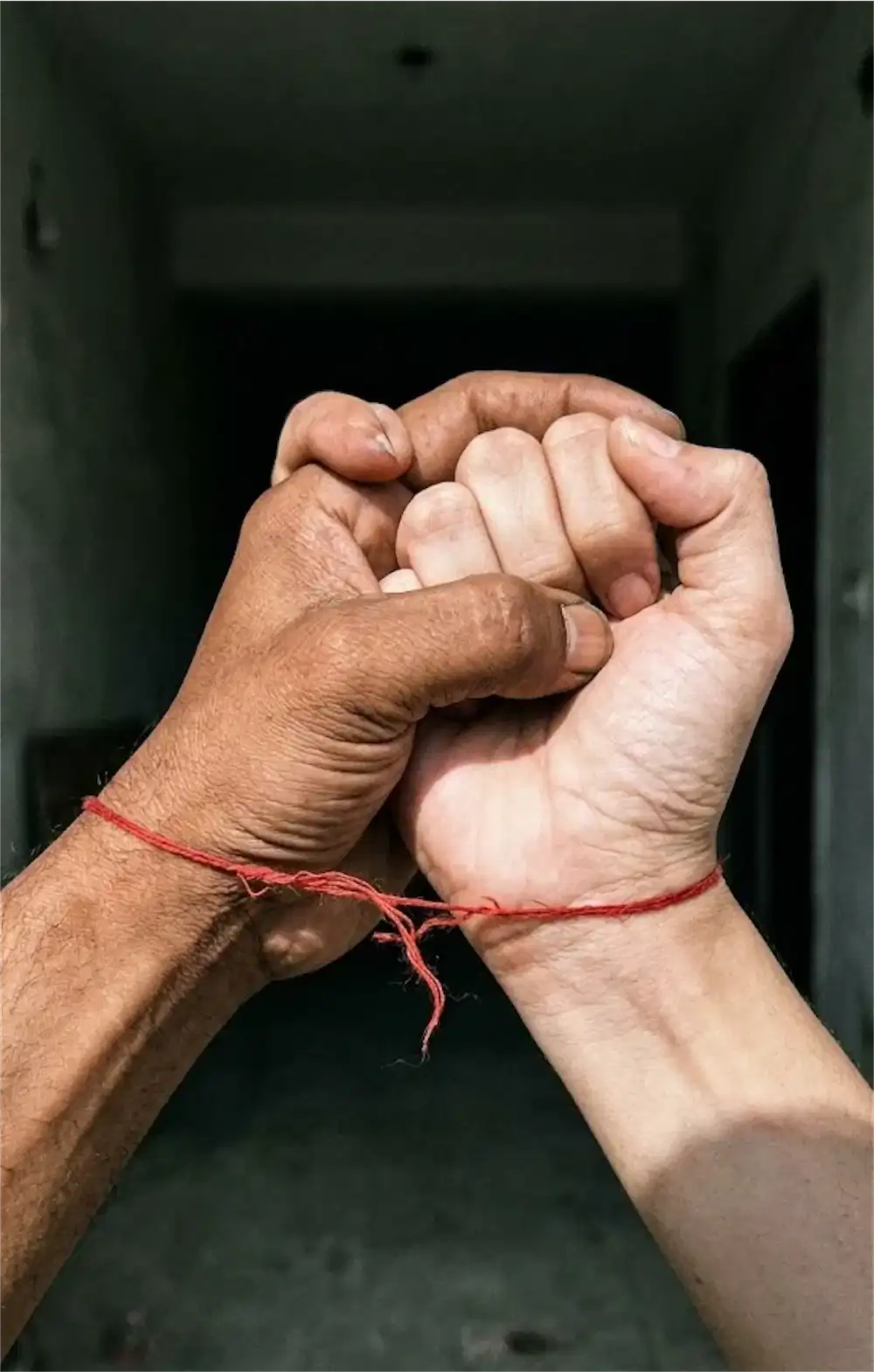
The chameleon effect in toxic relationships is an unconscious survival mechanism where a partner mimics their abuser’s behaviors, coping mechanisms, and emotional vocabulary to prevent conflict. This protective mirroring helps reduce unpredictable outbursts but eventually erases your authentic sense of self.

When you are walking on eggshells for years, matching your partner’s emotional temperature becomes a necessity. In a healthy partnership, mirroring is a beautiful way to show warmth and build connection. But in a toxic environment, it becomes a desperate tool to avoid rage, passive-aggressive silence, or abandonment.
Do you remember when you started copying their words? Maybe you caught yourself using their harsh phrasing during an argument, or perhaps you noticed your facial expressions changing to match their permanent scowl. This unconscious mirroring is not a sign of weakness; it is your nervous system attempting to find safety through similarity.
Why You Adopted Your Ex’s Traits: The Survival Psychology
To unpack this behavior, we must look at how trauma alters our relation to ourselves. There are several psychological reasons why your mind chose to match their energy during your time together:
- The Codependency Connection: When you value your partner’s emotional reality above your own, you enter a state of constant compliance. There is a strong link between codependency and fawn response, where you merge your identity with theirs to minimize friction.
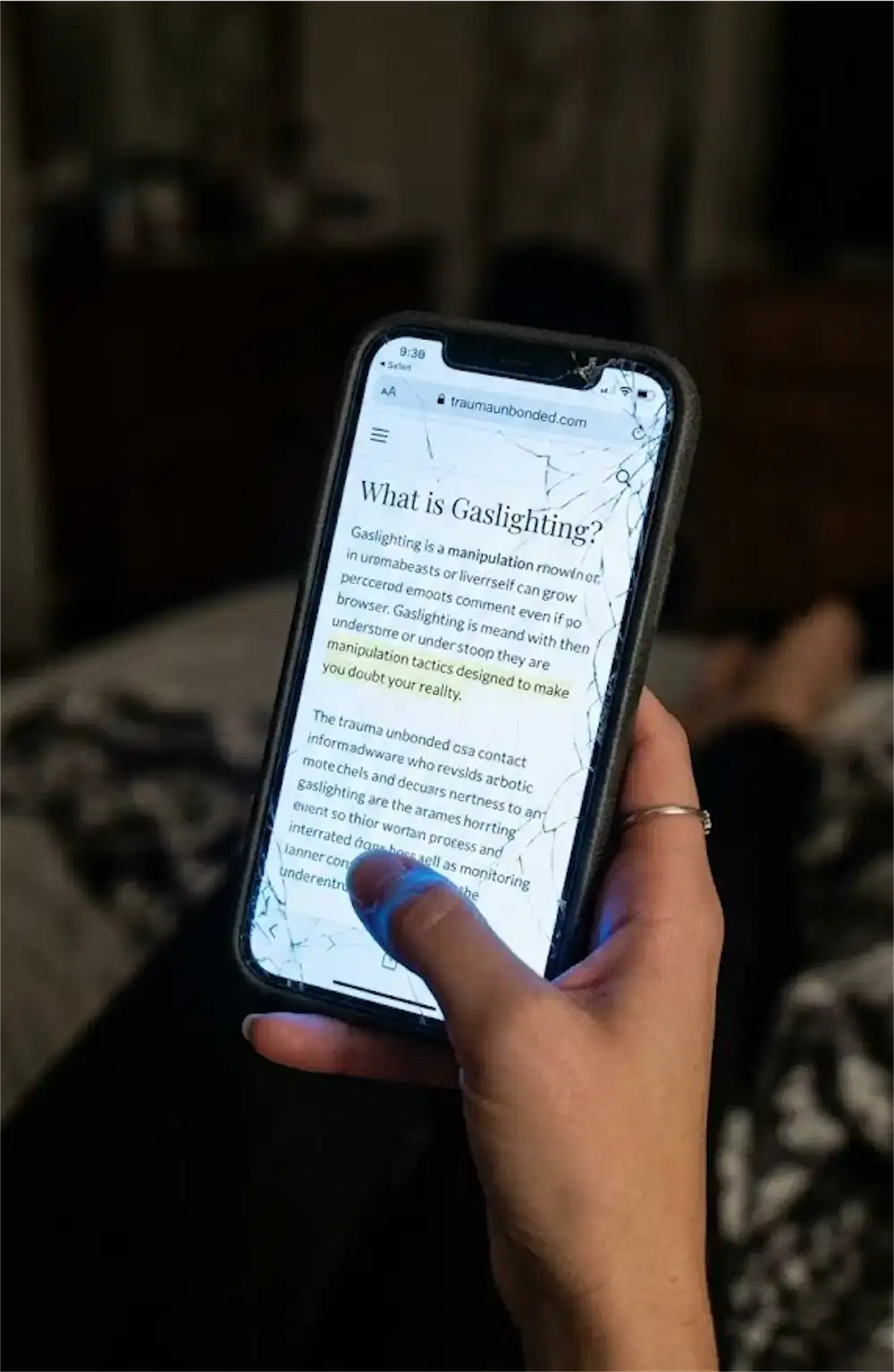
- Protecting Your Sanity Against Gaslighting: When an abuser constantly distorts reality, you might start adopting their traits just to survive their attacks. If they accuse you of being angry when you are calm, your brain might eventually decide to match that anger to make sense of the chaotic accusations.
- A Drop in Self-Concept Clarity: When you spend years reacting to another person’s emotional storms, your core values and preferences become blurred. Research on relationship adaptivity featured on Psychology Today shows that low self-concept clarity makes individuals highly vulnerable to self-doubt and prone to molding their identity around a dominant partner.
During my recovery, I learned that this mirroring is actually a primitive brain function. Our ancestors survived by blending into the tribe to avoid being cast out into the wilderness. In a toxic home, your ex was your dangerous environment, and blending in was your only way to shield yourself from their psychological arrows.
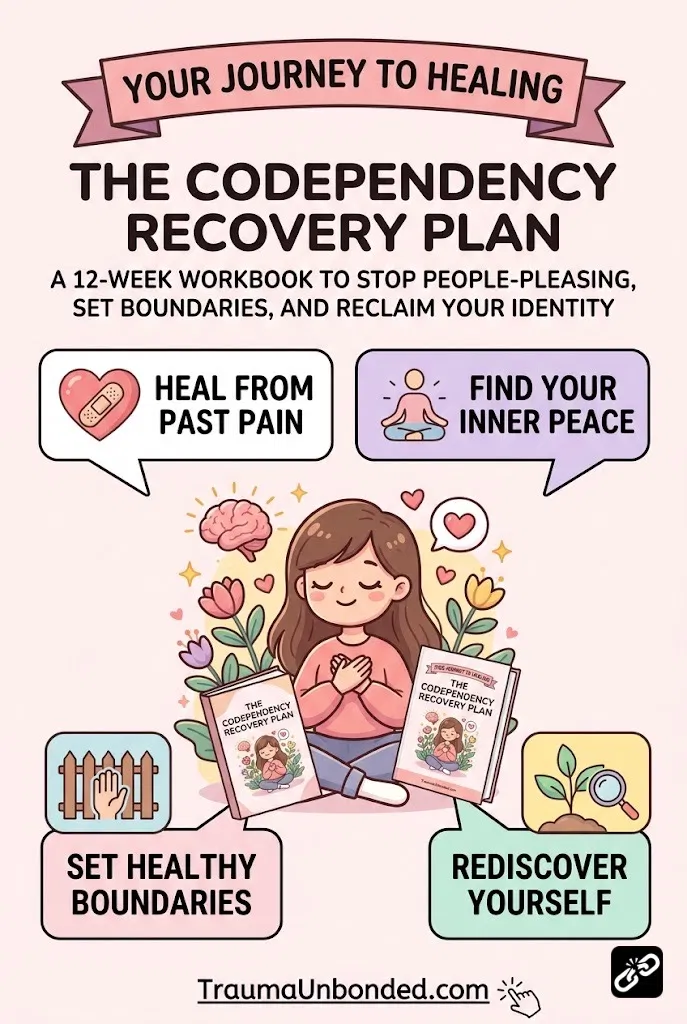
Breaking free from this survival pattern requires more than just knowing why it happened. You need a practical, step-by-step framework to rebuild your boundaries, stop people-pleasing, and find out who you are outside of their emotional storms. If you want to systematically reconstruct your sense of self, this specialized, 12-week guide is the exact resource you need to start your transition.
Practical Steps to Reclaim Your Identity After Abuse
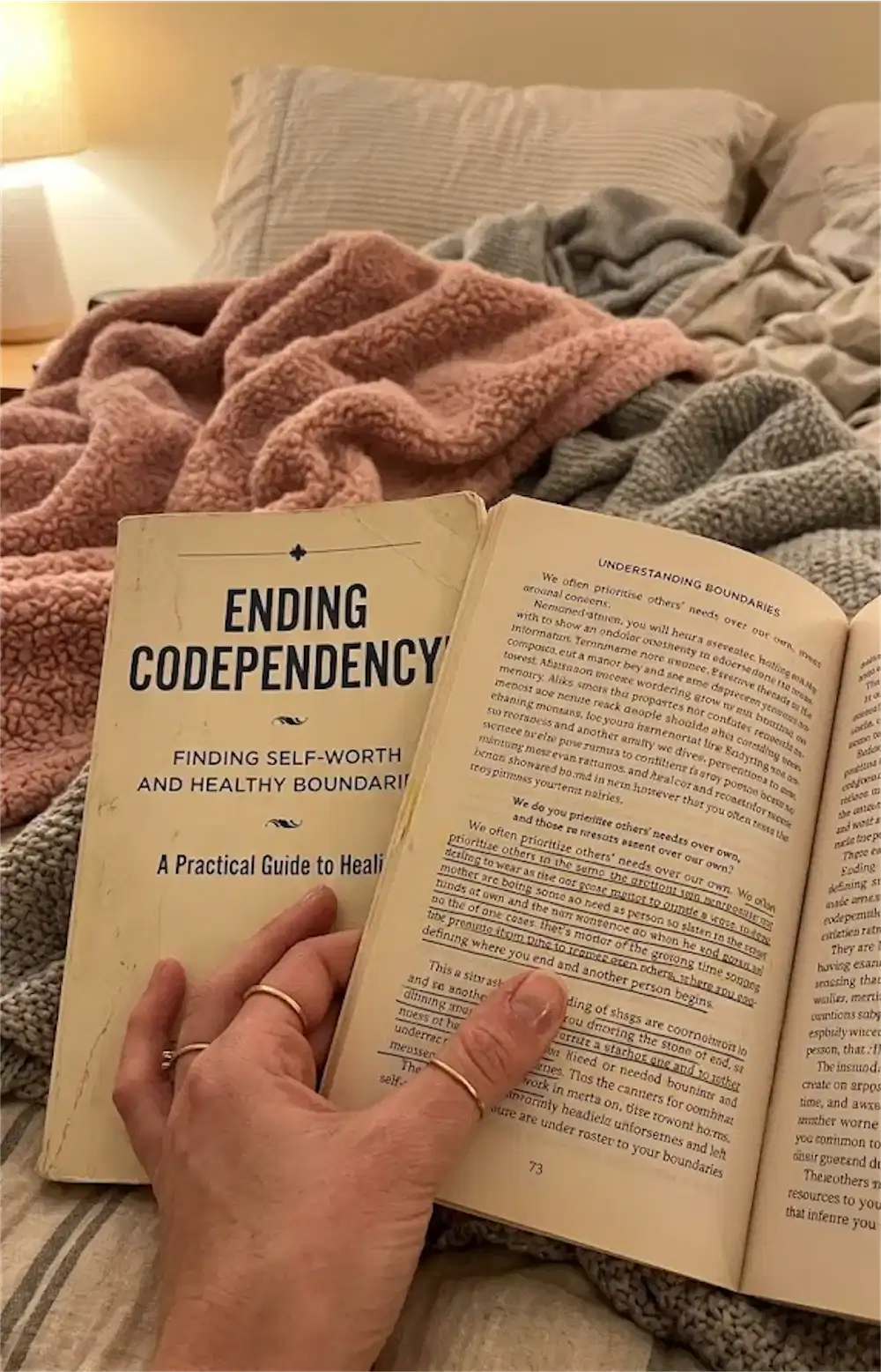
When my 12-year relationship finally collapsed, I was a ghost of my former self. I had no hobbies left, my friendships had decayed from years of isolation, and I lived with constant anxiety. I remember looking at my empty living room, unable to answer the simplest question: What do I actually enjoy doing? If you feel that same paralyzing emptiness, know that it is entirely temporary.
Rebuilding yourself is not about finding some mystical, untouched version of you that existed a decade ago. It is about taking the lessons of your survival and consciously choosing who you want to be today. Here are the practical steps I used in my own recovery to separate my voice from my ex’s toxic echoes.
1. Interrupt the Reactive Mirroring Loop
The first step to heal is to pause whenever you notice yourself reacting with your ex’s old habits. When you feel a sudden surge of anger, or the urge to shut down and use the silent treatment, ask yourself: Is this reaction mine, or is it a copy of my ex’s behavior? Learning how to reconnect with your authentic self after abuse starts with this conscious pause.
By creating a small gap between the trigger and your response, you begin to break the automatic conditioning of the trauma bond. You are no longer in survival mode; you are learning to choose your own path. Over time, that old, reactive script will lose its power over your daily life.
2. Cultivate Solo Micro-Habits
When you are recovering from a toxic partnership, making big life decisions can feel incredibly overwhelming. Start small by introducing micro-habits that are entirely yours. Choose a new brand of tea they never drank, listen to a musical genre they hated, or take a walk along a route you never shared with them.
These tiny acts of defiance are highly therapeutic because they signal to your brain that you are independent and safe. Every time you make a small choice based solely on your own preference, you are pouring foundation for your new life. You are proving to your nervous system that you no longer need to adapt to someone else to survive.
3. Focus on Self-Worth and Emotional Stability
You cannot reclaim your identity while your self-worth is still tied to their validation. To recover, you must actively rebuild self-worth after a discard or a painful separation. This means showing yourself immense compassion for the traits you adopted when you were simply trying to survive.
Be gentle with yourself when you recognize their negative patterns in your daily behavior. You did not adopt those traits because you are toxic; you adopted them because your mind was doing everything it could to keep you safe in a psychological warzone. Forgiving yourself for that survival mirroring is the key that unlocks true freedom.
A Gentle Takeaway for Your Healing Journey
Adopting your ex’s traits was not a personal failure; it was a sign of your adaptability under extreme emotional stress. Today, you are no longer in that survival environment, which means you can safely shed those copied behaviors like an old, heavy winter coat. You can choose to return to your cheerful, optimistic, and grounded original self while keeping the deep wisdom you gained from the fire. If you are ready to put down the survival shield and start rebuilding your boundaries, take your first step today by exploring The Codependency Recovery Plan and reclaiming the life you deserve.

Meet Your Guide
Helen Brooks
After surviving a 12-year NPD/BPD relationship, I dedicated over a decade to studying trauma bonding and nervous system recovery. My mission is to help you break free from the fog and reclaim your authentic self.
Ready to break the trauma bond and reclaim your life?