Passive-Aggressive Gaslighting: How Abusers Use Jokes and Sarcasm to Undermine You
**Passive-aggressive gaslighting** is a quiet, devastating weapon where abusers use jokes and sarcasm to undermine you, leaving you confused about your own reality. If you have ever heard the words “you are too sensitive” after a biting comment, you have experienced this form of covert manipulation first-hand. It is a slow, toxic erosion of your self-worth disguised as playful banter.
During my 12-year toxic relationship with a partner who had both narcissistic and borderline traits, I lived this reality every single day. I went from being a cheerful, optimistic person to someone who felt completely isolated from friends, devoid of hobbies, and miserable. Understanding this insidious dynamic was my first step toward freedom, and resources like the Healing from Gaslighting Guide helped me rebuild my shattered foundation.
Why do they do this? They want the satisfaction of hurting you without the risk of being called an abuser. By wrapping their hostility in a smile, they make sure you are the one who feels crazy for reacting.
What Is Passive-Aggressive Gaslighting?
Passive-aggressive gaslighting is a form of emotional abuse where an individual uses subtle hostility, disguised as sarcasm or humor, to make you doubt your own perception and sanity while maintaining plausible deniability.
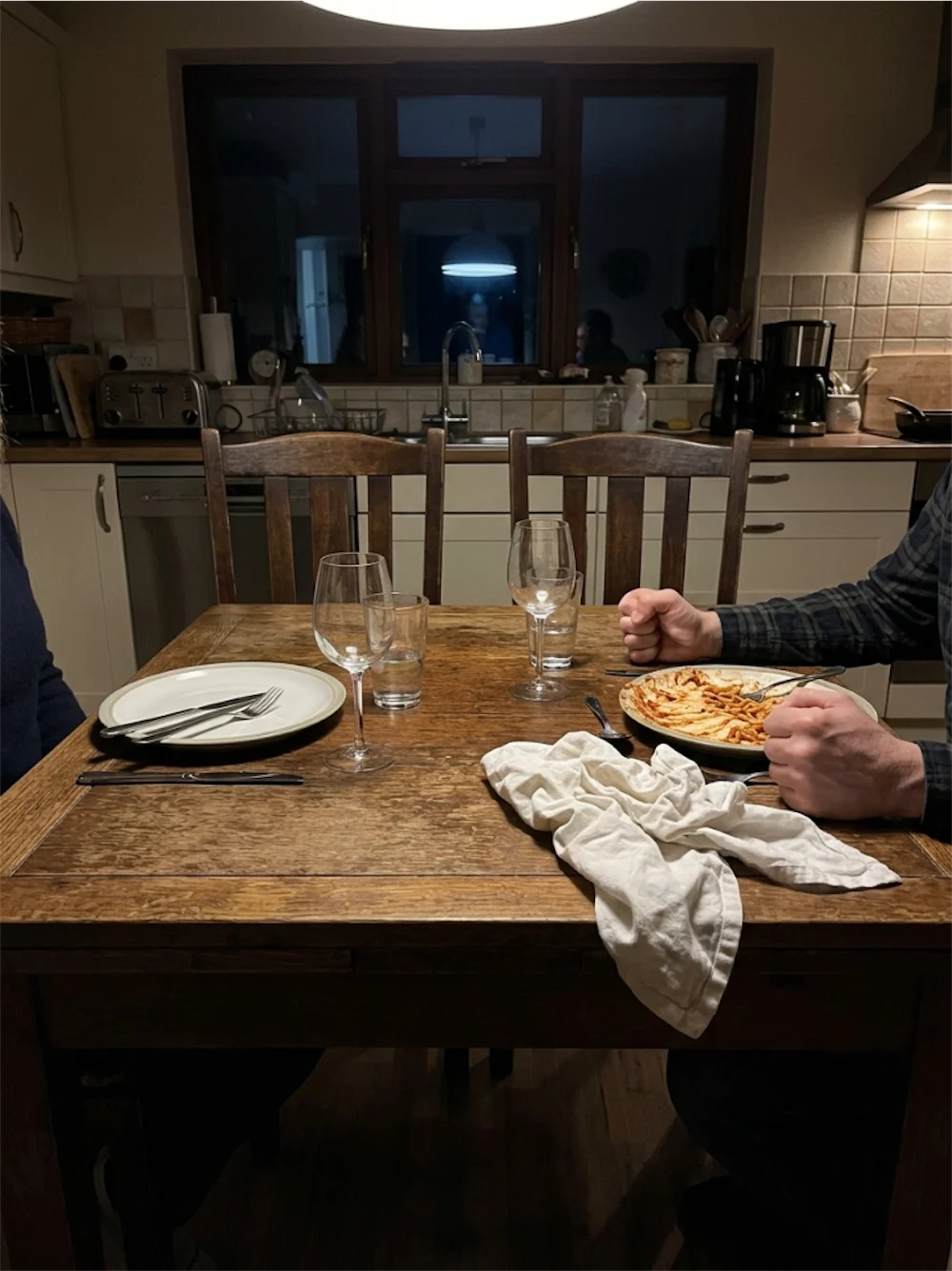
Unlike overt screaming, this covert abuse is hard to pin down. It happens at the dinner table, in front of friends, or during a casual conversation. It leaves you wondering if you really did misinterpret their words.
Over time, this constant second-guessing rewires your brain. You stop trusting your eyes and ears, relying instead on the abuser to define what is real. I spent years in this state of mental paralysis, completely disconnected from my own gut feelings.
The Anatomy of a Toxic Joke and Plausible Deniability
When an abuser hurls a passive-aggressive insult, they always leave themselves an escape hatch. This escape hatch is called **plausible deniability**. If you get hurt, they immediately shift the blame back onto you by claiming they were just joking.
This classic maneuver creates a massive wave of cognitive dissonance in narcissistic abuse. Your nervous system registers a threat, but your logical mind tells you that you must have overreacted. This mental tug-of-war is exhausting and highly addictive.
According to research highlighted in Psychology Today, chronic negative humor and sarcasm are recognized forms of psychological bullying. They are designed to establish control while allowing the abuser to escape accountability. Have you ever felt that sinking feeling in your stomach, only to force a laugh so you would not seem difficult?
Recognizing the Sarcastic Put-Down

Sarcasm is often praised as quick wit, but in the hands of a toxic partner, it is a scalpel. They use it to slice away at your insecurities, piece by piece. In my own experience, my partner would make jokes about my appearance, my intelligence, or my career prospects in front of others.
If I remained quiet, they won by lowering my self-esteem. If I spoke up, they turned to the crowd and said, “See how dramatic they are?” It was a trap with no exit, leaving me feeling deeply isolated and hopeless.
This steady drip of criticism is why you end up walking on eggshells. You constantly scan your environment, trying to anticipate the next barb. It is not just about the words themselves; it is about the tone, the smirk, and the mocking laughter that follows.
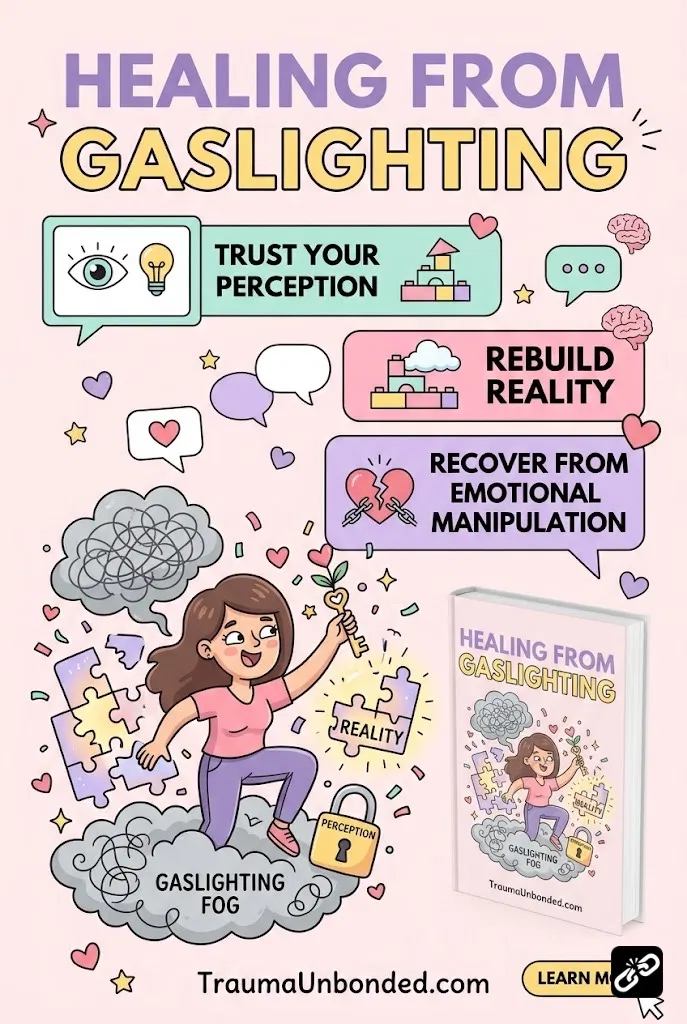
If you are struggling to make sense of these confusing mind games, you do not have to untangle them alone. Rebuilding your sense of reality after years of subtle emotional abuse requires a clear, structured roadmap. I highly recommend taking a look at this practical workbook designed to help you break the cycle of self-doubt and reclaim your mind.
Why Abusers Rely on Jokes to Manipulate
Why do covert narcissists and toxic partners choose this indirect path instead of direct communication? Direct conflict requires honesty, vulnerability, and accountability, which are qualities they desperately lack. By hiding behind humor, they get to vent their envy and anger without ever looking like the bad guy.
This allows them to maintain a polished public image while secretly destabilizing you. People outside the relationship might even think they are incredibly charming and funny. This contrast makes you feel even more isolated, because who would believe that such a witty, lighthearted person is actually hurting you?
When you start to heal gaslighting and trust your reality, you begin to see these jokes for what they really are. They are not harmless teasing; they are calculated attempts to keep you small, insecure, and dependent on their approval.
Reclaiming Your Reality and Rebuilding Your Sanity
Breaking free from this mental prison takes time, but it is entirely possible. It starts with recognizing the manipulation when it happens, rather than trying to explain it away. How can you begin to rebuild your trust in yourself today?
- **Stop arguing with their perception of the joke.** When they say “it was just a joke,” do not get defensive. Simply state, “I did not find it funny,” and walk away. This removes the emotional reaction they want to exploit.
- **Reconnect with your physical body.** Your body often knows you are being abused long before your logical mind accepts it. Somatic exercises, deep breathing, and grounding can help you release the chronic tension that comes from walking on eggshells.
- **Gather your support system.** When I was in the depths of my isolation, I had to actively seek out professional therapy and lean on trauma-informed spaces. Rebuilding my life meant learning how to overcome self-doubt after abuse and learning about the complex dynamics of codependency.
Your Path Back to You
You are not crazy, and you are not “too sensitive.” The pain you felt from those sarcastic jabs was real, and your body was trying to protect you. Healing is a journey of turning down the volume of their cruel voice and turning up the volume of your own inner truth.
Today, I am back to my original self, cheerful, optimistic, and grounded in my own reality. If you are ready to take your life back and stop letting their cruel humor define your worth, the Healing from Gaslighting Guide offers the exact step-by-step tools to help you rebuild your confidence and trust your mind again. You deserve to live a life free from the weight of someone else’s hidden hostility.

Meet Your Guide
Helen Brooks
After surviving a 12-year NPD/BPD relationship, I dedicated over a decade to studying trauma bonding and nervous system recovery. My mission is to help you break free from the fog and reclaim your authentic self.
Ready to break the trauma bond and reclaim your life?