How to Deal with a Narcissistic Landlord, Boss, or Authority Figure Safely
If you are trying to figure out how to deal with a narcissistic boss or keep your sanity under a high-conflict landlord, you are likely feeling exhausted. Managing a relationship with an abusive authority figure can trigger the same chest-tightening anxiety as living with a toxic partner. After spending 12 years walking on eggshells with a partner who had both narcissistic and borderline traits, I know how easily a power imbalance can keep you trapped in a state of constant dread.
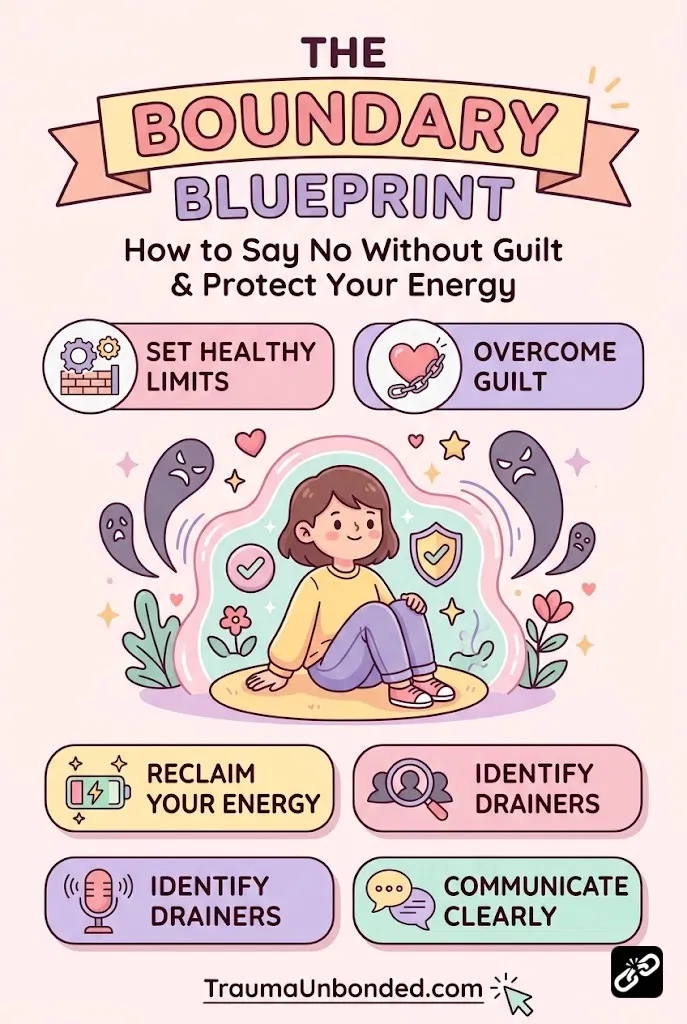
When someone holds structural power over your livelihood or housing, you cannot simply block them. To protect your sanity, you need a plan like The Boundary Blueprint – How to Say No Without Guilt and Protect Your Energy from Emotional Vampires, which helps you rebuild your defenses when dealing with demanding personalities. Understanding how these individuals exploit their power is your first step toward safety.
When an authority figure displays high-conflict traits, they often view any boundary as a personal threat. According to research on high-conflict personalities shared by Psychology Today, these individuals possess a pattern of interpersonal behavior characterized by a lack of empathy, a drive for control, and an inability to accept responsibility. Recognizing these traits early helps you stop blaming yourself for their unreasonable demands.
How Do You Handle a Narcissist in a Position of Power?
To deal with a narcissistic landlord, boss, or authority figure safely, you must establish paper-trail communication, strictly enforce your legal or contractual boundaries, and adopt a neutral, non-reactive emotional stance. Never argue, defend your character, or expect them to act fairly, as their main goal is maintaining control over you.

The Reality of Structural Manipulation
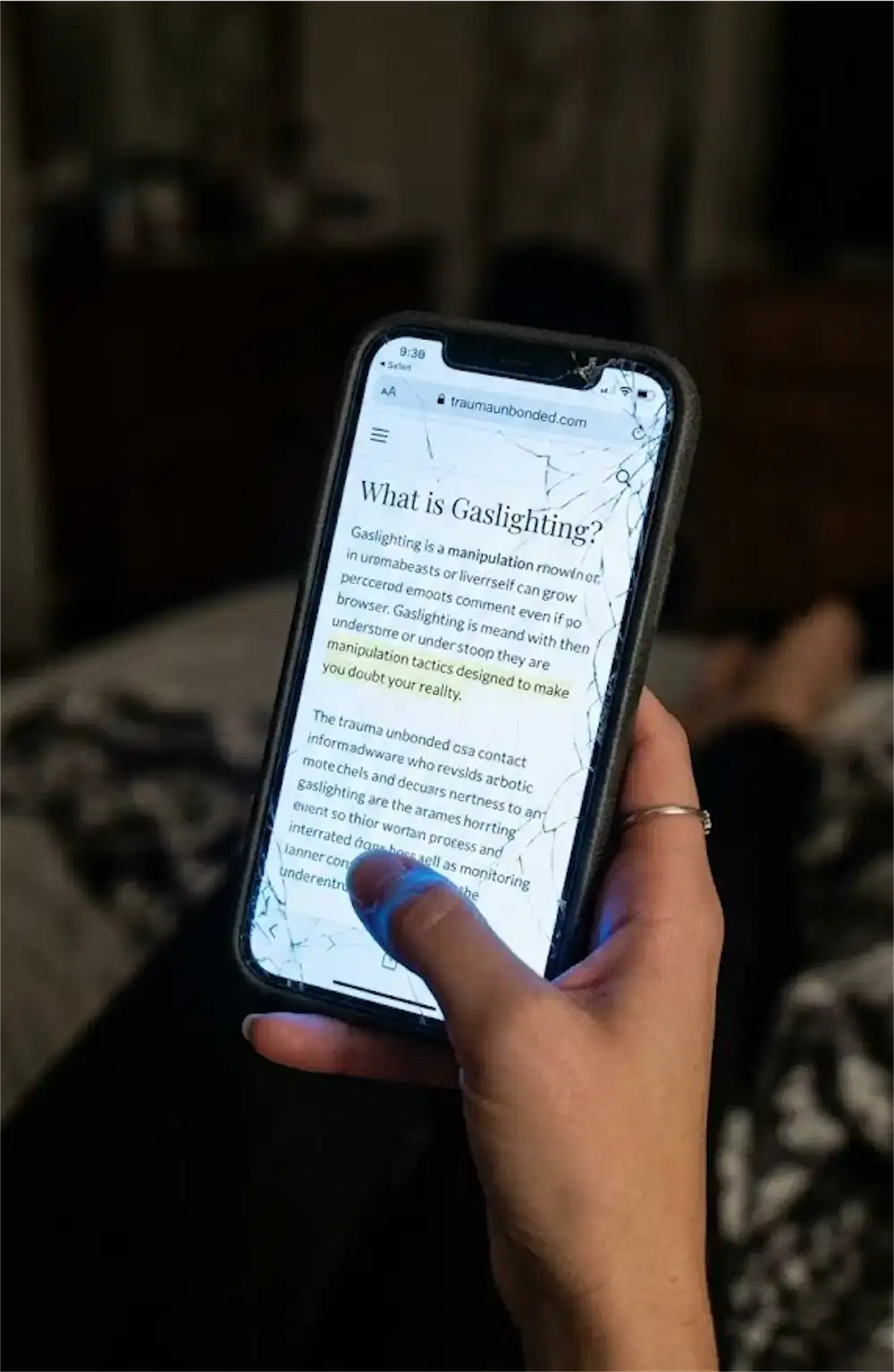
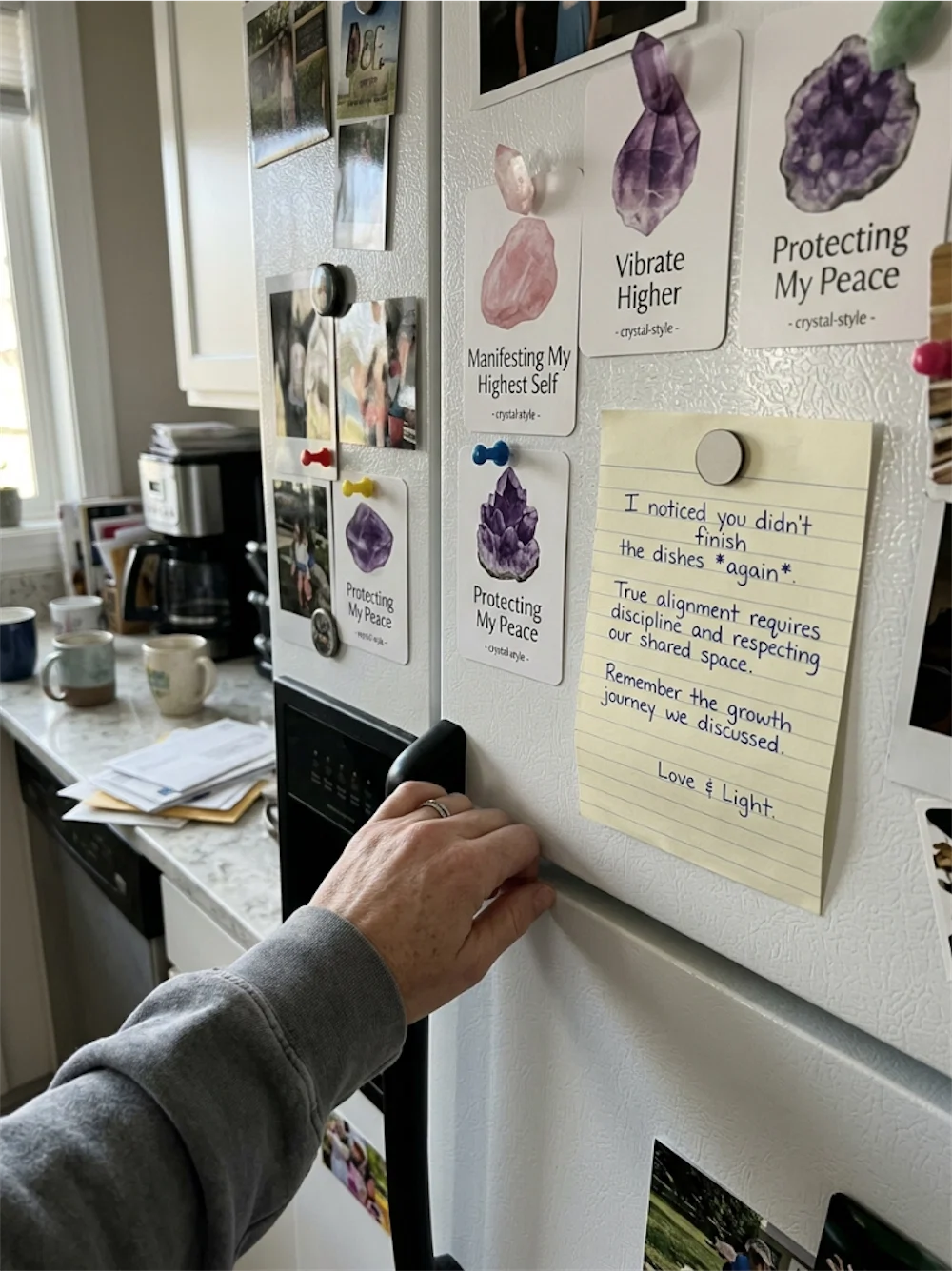
In my 12-year relationship, I became intimately familiar with the concept of gaslighting. In simple terms, gaslighting is when someone deliberately twists facts to make you doubt your own memory, perception, or sanity. In a domestic relationship, it looks like them denying they said something five minutes ago. In a professional setting, a toxic employer might claim they never agreed to your PTO, or a landlord might insist they warned you about a property repair when they never did.
When an authority figure uses these tactics, the impact is doubled because they hold real structural leverage. They can threaten your job security or your living situation if you call out their lies. If you want to learn more about recognizing these professional manipulation patterns, you can read our guide on how to handle gaslighting in professional settings to begin reclaiming your mental clarity.
Why Conventional Advice Fails with Toxic Leaders
Most human resources departments or tenancy boards advise you to resolve disputes through open, honest communication. However, trying to sit down and have a heart-to-heart with a highly manipulative boss or landlord is a trap. They do not care about mutual understanding; they care about winning. When you express vulnerability or share how their behavior makes you feel, you are simply handing them a map of your weaknesses.
During my recovery journey, I had to unlearn the habit of trying to explain myself. I used to think if I just found the perfect words, my toxic partner would finally understand. They never did. The same rule applies to your workplace or lease agreement. You must stop trying to make them see your side and focus entirely on protecting your well-being.
To successfully handle an abusive boss or a hostile landlord, you must learn the art of emotional self-defense. If you are tired of losing sleep, feeling constantly on edge, and letting these people drain your peace of mind, you need a structured method to protect your energy. Take control of your boundaries today and stop the emotional drain by using our comprehensive step-by-step workbook.
Practical Strategies to Safely Handle Narcissistic Authority Figures

When you cannot walk away immediately, you must change how you interact. How do you shift the power dynamic when you are legally or financially bound to someone? You do it by becoming incredibly boring, completely documented, and legally sound.
- Document everything in writing. Never rely on phone calls or casual hallway chats. If your landlord promises to fix a leak, follow up with an email stating: “Thank you for agreeing today to fix the leak by Friday.” This leaves no room for revisionist history.
- Keep all responses brief and neutral. Do not explain, justify, or over-share. Keep your tone strictly professional. If they send an angry, baiting email, wait several hours before replying with factual, dry statements.
- Know your local legal protections. Whether it is labor laws, union guidelines, or tenant rights, knowledge is your armor. Highly manipulative people rely on your ignorance of the rules to exploit you.
- Build a support system outside their reach. Never isolate yourself. When I was in my toxic relationship, my world shrank until I felt completely alone. Do not let a hostile boss or landlord cut you off from trusted friends, coworkers, or professional advisors who can validate your reality.
Using Low-Contact Strategies When You Cannot Leave
If you are tied to a commercial lease or need to stay at your job while looking for another one, complete avoidance is impossible. In these scenarios, you must treat the relationship as a purely transactional contract. Do not share details of your personal life, your weekend plans, or your future goals. If they try to bait you into an argument, refuse to take the hook.
By implementing a structured low-contact strategy guide, you learn how to engage only when necessary. This approach protects your energy while you quietly build your exit plan behind the scenes. Remember, your silence is not weakness; it is a shield that prevents them from gathering fuel to use against you.
Planning Your Safe Departure From Toxic Dynamics
Can you change a highly manipulative boss or landlord? The short answer is no. You will not convince them to treat you with respect, and you will not win a war of attrition. Your ultimate goal must always be a clean break. While you are practicing safe boundaries, you should actively search for a new place to live or a healthy workplace environment.
When I finally ended my 12-year relationship, I had to accept that the person I was dealing with would never change. Releasing the hope of their transformation was painful, but it was the only way to find my original, cheerful self again. When you start planning your departure from a toxic job or apartment, focus your energy on what you can control: your resume, your savings, and your future peace.
Your mental health is far more valuable than any job, lease, or professional connection. Dealing with a high-conflict authority figure is deeply draining, but you do not have to let them break your spirit. By documenting every interaction, keeping your emotions private, and relying on factual communication, you can safely navigate the situation until you are ready to make a clean break. For immediate, practical steps to protect your personal space and build unshakeable boundaries, consider picking up The Boundary Blueprint – How to Say No Without Guilt and Protect Your Energy from Emotional Vampires today. You deserve to live and work in a space where your peace is respected.

Meet Your Guide
Helen Brooks
After surviving a 12-year NPD/BPD relationship, I dedicated over a decade to studying trauma bonding and nervous system recovery. My mission is to help you break free from the fog and reclaim your authentic self.
Ready to break the trauma bond and reclaim your life?