5 Common Mistakes After Leaving a Narcissist and How to Avoid Them
Getting out is the hard part. Or at least, that’s what everyone tells you. But if you’ve actually left a narcissistic relationship, you know the truth: leaving is just the beginning. The real work starts the morning after, when the silence feels unbearable and your brain keeps pulling you back.
I spent 12 years in a relationship with someone who had both NPD and BPD traits. When it finally ended, I was a shell of a person. No friends left. No hobbies. No idea who I was without that relationship defining me. And I made almost every mistake on this list. Looking back now, from a place of genuine peace and recovery, I want to walk you through the most common traps survivors fall into and what actually helps instead.
This isn’t about judging the choices you’ve made since leaving. Every single one of these mistakes comes from a nervous system that’s been wired for survival. What we’re doing here is bringing them into the light so you can make different choices going forward.
Mistake #1: Breaking No Contact (And Telling Yourself It’s Different This Time)
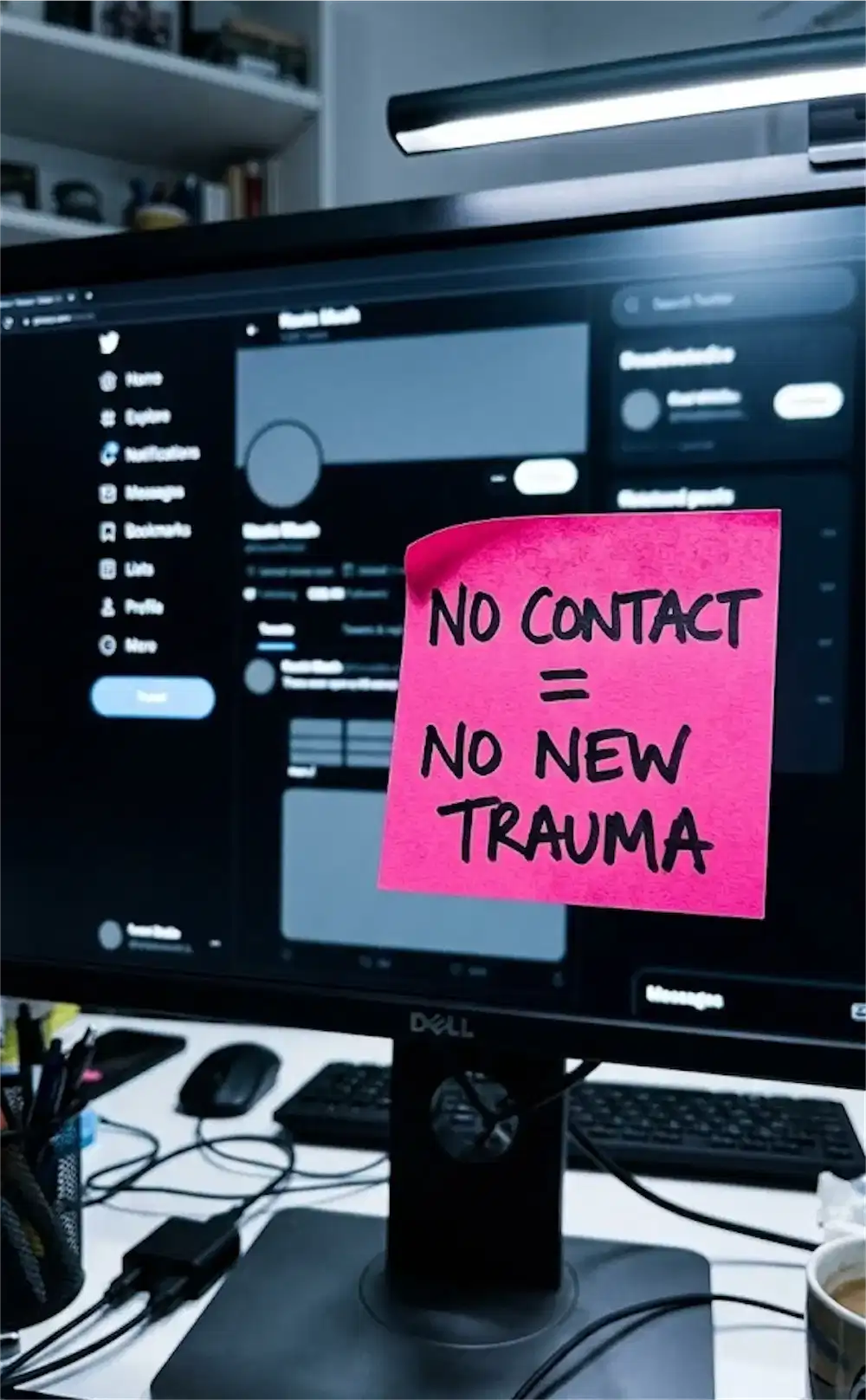
No contact is not a punishment. It’s not you being dramatic or unforgiving. It’s a psychological boundary that protects your nervous system from further damage. And yet, it’s the first thing most survivors crack.
Here’s what breaking no contact actually does: it restarts the trauma bond cycle from scratch. Licensed psychotherapist Sherry Gaba, LCSW, explains that once a codependent manages to break free, “all the narcissist has to do is go back to that courtship phase to win them back.” That’s not love. That’s a tactic, and your brain’s chemistry makes it almost impossible to tell the difference in the moment.
In my own experience, I broke no contact eleven times over the course of two years. Eleven. Each time I told myself it was for closure, or to check in, or because things “felt different now.” Each time, I ended up more confused and more emotionally destroyed than before. The relationship didn’t have a different outcome. It just added more trauma to the pile.
The pull you feel toward your ex isn’t love in the traditional sense. It’s a conditioned response, closer to addiction than attachment. Research from the The Family Institute at Northwestern University shows that even 10 months after a relationship ends, the trauma bond can remain powerfully active. Your feelings are real, but they are not reliable guides right now.
What to Do Instead
- Block on every platform. Not mute. Block.
- Delete the number. Or give your phone to a trusted friend when urges spike.
- Keep a written list of reasons you left. Read it every time the urge hits.
- Get a trauma recovery journal and write the craving out instead of acting on it.
Want to understand why no contact works on a neurological level? Read this: Why No Contact Actually Works After Narcissistic Abuse.
Mistake #2: Jumping Into a New Relationship to Fill the Void

After years of emotional highs and lows, the sudden quiet of being single can feel genuinely terrifying. So the instinct kicks in: find someone. Anyone. Just make the emptiness stop.
This is called a rebound relationship, and while it’s completely understandable, it carries a specific risk for survivors of narcissistic abuse. When you haven’t processed the previous relationship, you don’t just carry emotional baggage into the next one. You carry an unexamined blueprint for what love feels like. And for many survivors, that blueprint was written in chaos.
Clinical research on trauma bonding and recovery consistently points to one uncomfortable truth: if the psychological terrain that made you vulnerable to the bond goes unexamined, you risk recreating the same dynamic with a different person. In other words, you might find yourself in another toxic relationship without realizing it until you’re already deep inside it, just like before.
After my 12-year relationship ended, I dated someone new within three months. I convinced myself it was healthy. It wasn’t. The new person had completely different behaviors on the surface, but the dynamic felt strangely familiar. That familiarity wasn’t comfort. It was my nervous system recognizing patterns it was trained on.
What to Do Instead
- Give yourself at least 6-12 months of intentional singlehood before pursuing anything serious.
- Use that time to rebuild your identity outside of a relationship.
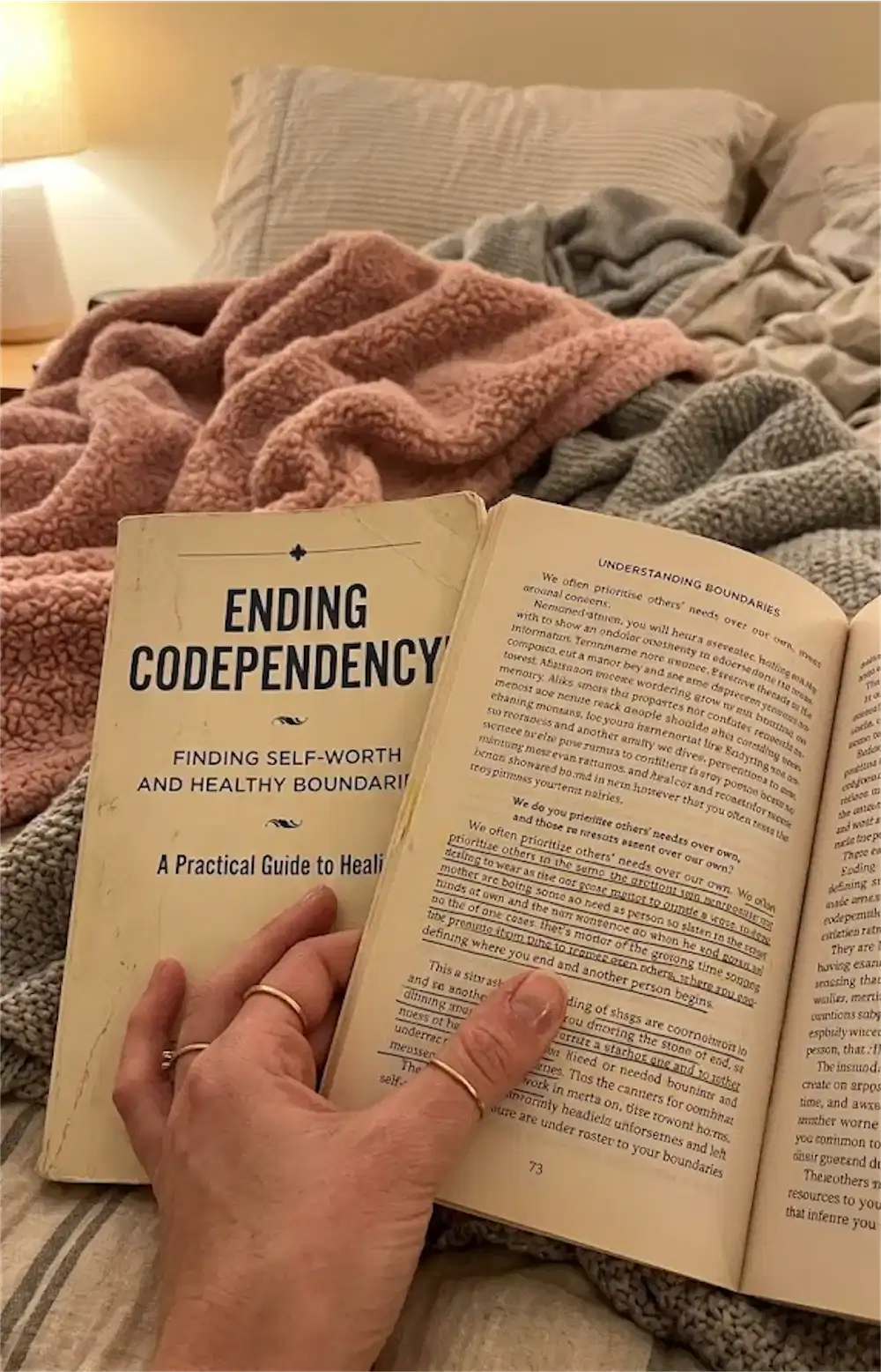
- Read up on codependency and attachment patterns. A book that genuinely changed how I saw myself was Codependent No More by Melody Beattie.
- Work with a therapist who understands narcissistic abuse before dating again.
Mistake #3: Obsessively Researching the Narcissist Instead of Focusing on Yourself

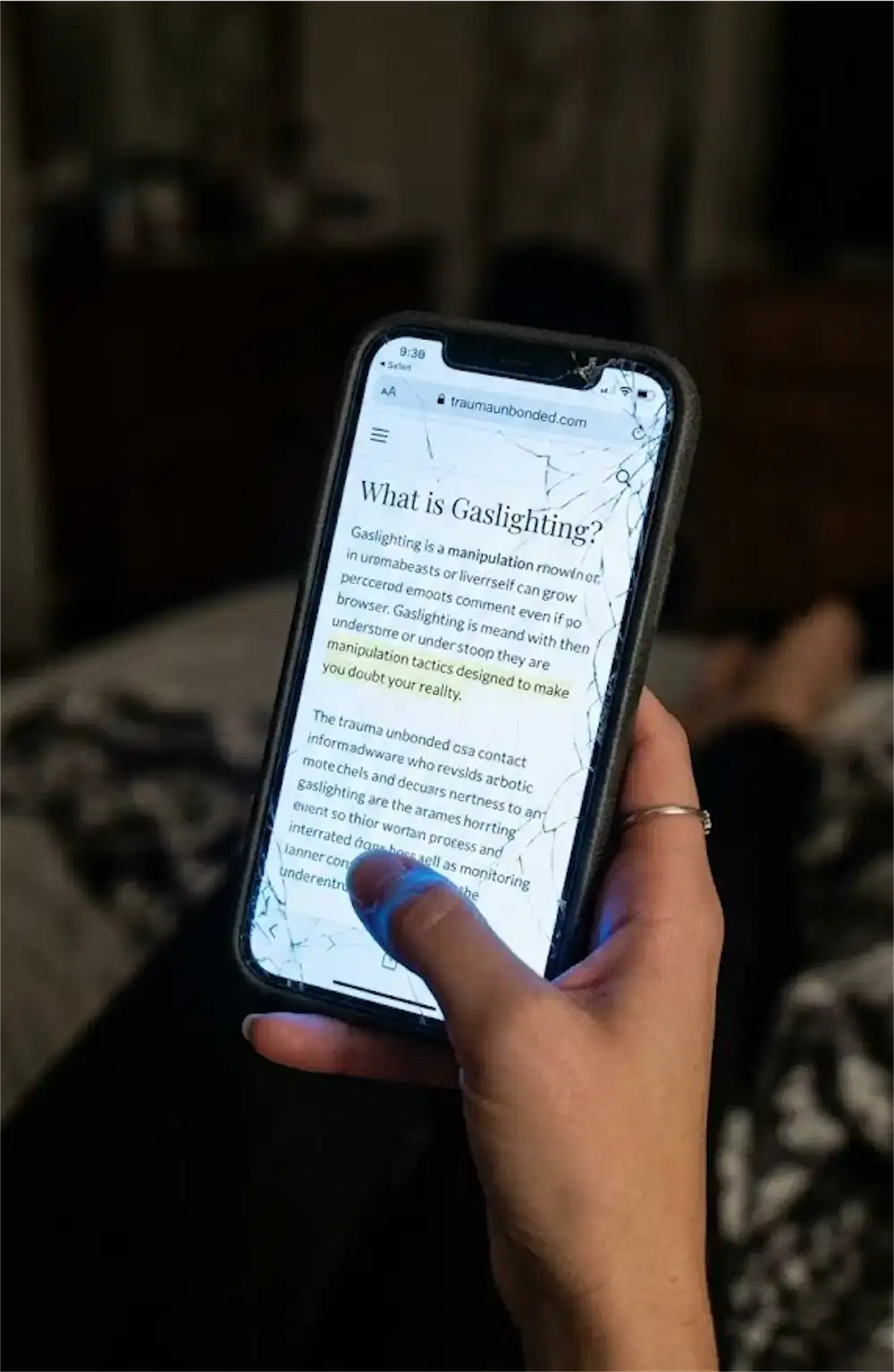
There’s a phase nearly every survivor goes through. You leave the relationship and suddenly discover a rabbit hole of YouTube videos, Reddit threads, and psychology articles. NPD. BPD. Covert narcissism. Dark triad. Hoovering. Love bombing. You consume it all, sometimes for hours a day.
Some of this is genuinely healing. Understanding what happened to you is a legitimate part of recovery. Naming the abuse, recognizing the patterns, validating your own experience: all of that matters. The problem is when research becomes a substitute for actually doing the inner work. When you’re spending four hours analyzing your ex’s childhood instead of spending 20 minutes with your own feelings.
I did this for a long time. I became, for lack of a better word, an expert on my ex-partner’s psychology. I could explain every manipulative tactic in clinical detail. But I couldn’t tell you what I enjoyed doing on a Saturday afternoon. I had outsourced my entire mental landscape to someone who had already taken 12 years of my life.
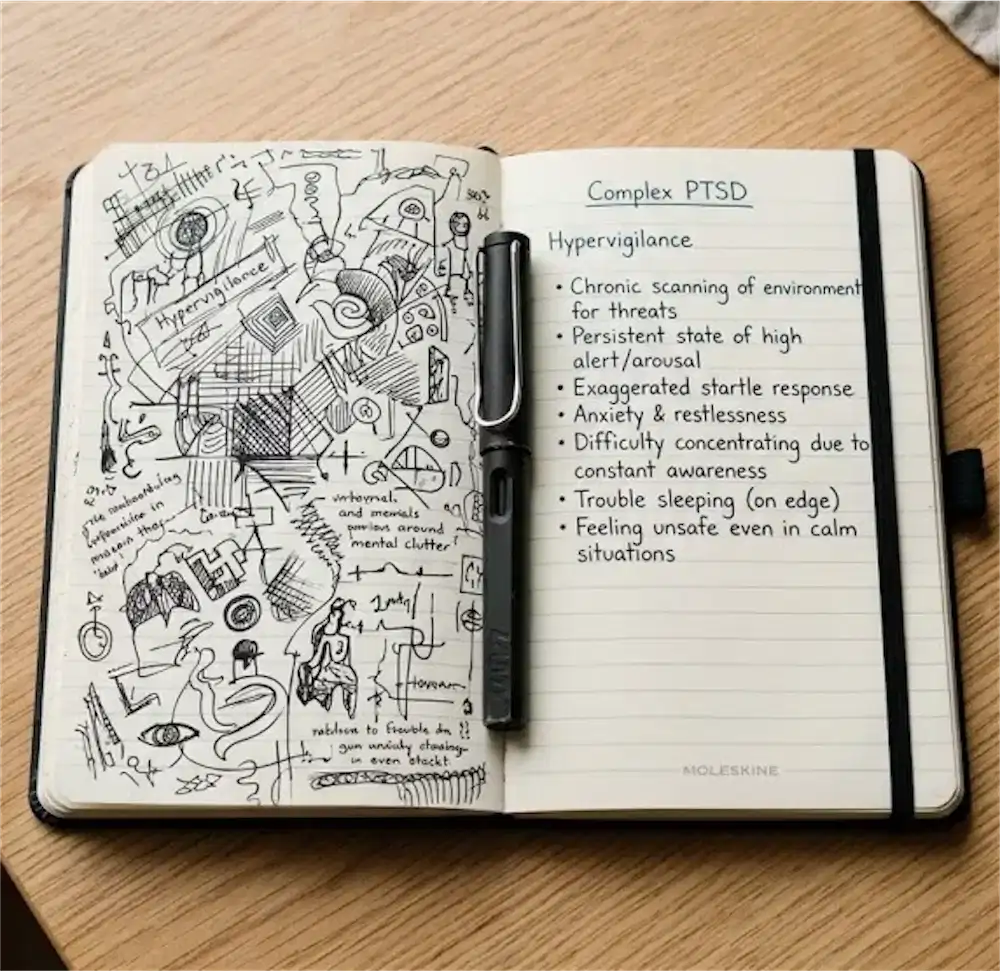
There’s also another layer to this: obsessive research keeps your nervous system focused on threat detection. Your brain stays in a hypervigilant state, constantly scanning, analyzing, categorizing. That’s the opposite of healing. Healing happens when the nervous system is allowed to rest, not when it’s kept busy solving a psychological puzzle about someone else.
What to Do Instead
- Set a time limit on research. 30 minutes a day, maximum, then close the tab.
- Shift the lens from “What is wrong with them?” to “What do I need to heal?”
- Read books focused on your recovery, not their disorder. Why Does He Do That? by Lundy Bancroft is excellent for understanding abuse dynamics without turning into an all-consuming obsession.
- Journal about your emotions, not about their behavior. The shift sounds small. It’s not.
Learn more about this pattern here: Habits You Need to Quit After a Narcissistic Breakup.
Mistake #4: Isolating Yourself Because You Don’t Know How to Explain What Happened

One of the most painful side effects of narcissistic abuse is the isolation that comes with it. In many cases, the narcissist systematically dismantled your social network over months or years. By the time you leave, you may have almost no one left. And even if you do have people around, you might not know how to talk to them about what happened.
Narcissistic abuse is notoriously hard to explain to people who haven’t experienced it. There’s no black eye. The wounds are invisible. The stories sound unbelievable. And so survivors often just stay quiet, which turns into withdrawal, which turns into full isolation.
This was my story exactly. After 12 years, my closest friendships had withered to nothing. I was too ashamed to reach out, and too exhausted to explain. So I stayed alone with my thoughts, which were not kind company. Isolation didn’t protect me. It made the trauma bond stronger because my ex-partner remained the most significant relationship in my psychological world, even after the breakup.
Research on narcissistic abuse recovery consistently shows that having a support network is one of the strongest predictors of successful healing. A doctoral study from Liberty University found that individuals who relied on support networks were significantly more likely to leave their abuser and recover afterward. You don’t have to explain everything. You just need a few safe people around you.
What to Do Instead
- Start small. One text. One coffee. You don’t have to tell the whole story.
- Find an online or in-person support group for narcissistic abuse survivors. These people will understand immediately.
- If therapy feels like too much right now, try a workbook first. Healing from Hidden Abuse by Shannon Thomas is a great starting point.
- Be honest with at least one person. Not to get advice. Just to be heard.
Mistake #5: Expecting Yourself to Be Over It Quickly and Feeling Broken When You’re Not

Society has a very clean, very wrong idea of what breakup recovery looks like. You cry for a few weeks, you get a new haircut, you go out with friends, you move on. Three months, max. What nobody tells you is that recovering from a long-term narcissistic relationship is not a breakup. It is closer to recovering from a chronic illness. The timeline is completely different.
When I was still struggling at the two-year mark, I genuinely believed something was wrong with me specifically. Everyone else seemed to move on. I couldn’t eat a meal without thinking about whether my choices would have caused a fight. I couldn’t watch certain movies. I startled at raised voices. I had hypervigilance so deeply embedded I barely noticed it anymore. That’s not weakness. That’s the neurological signature of prolonged psychological abuse, and it takes real time and real work to undo.
The trauma bond doesn’t dissolve the day you walk out the door. As research from the Family Institute at Northwestern University confirms, the trauma bond can remain strong even 10 months post-relationship end, and the conditioning that formed over years continues operating in your mind and nervous system long after physical separation. This is not a character flaw. It is biology.
The expectation that you should “be over it” by a certain date adds a second layer of suffering on top of the original trauma. You’re not just hurting. You’re judging yourself for hurting. That judgment makes everything slower.
What to Do Instead
- Drop the timeline entirely. Recovery is not linear. Some weeks you’ll feel extraordinary. The next week might level you. Both are part of the process.
- Work with a trauma-informed therapist, ideally one familiar with narcissistic abuse specifically. General talk therapy is helpful, but a specialist makes a real difference.
- Focus on small physical anchors: sleep, food, movement. These are not luxuries. They are the foundation your nervous system rebuilds on.
- Read accounts from others who’ve been through long-term abuse. Psychopath Free by Jackson MacKenzie helped me feel genuinely less alone when I was in the hardest stretch of my recovery.
If you’re wondering what early recovery can realistically look like, this is worth reading: Self-Healing Tips for Narcissistic Abuse Survivors.
A Note on Shame: You Didn’t Make These Mistakes Because You’re Weak
If you’ve done all five of these things, or you’re currently in the middle of one of them, I want to say this plainly: it doesn’t mean you aren’t healing. It means you’re human, and you were in a relationship designed by someone with a personality disorder to keep you attached, confused, and dependent.
As the clinical literature clearly states, trauma bonding is not a character flaw or a disordered attachment style. It is a predictable psychological response to a disordered relational environment. The bond was built on you. That’s not your fault. Recovery is about learning to recognize the patterns, not about punishing yourself for having them.
One of the most useful things my therapist said to me, maybe two years into recovery, was this: “You learned to survive something most people can’t even conceptualize. Give your nervous system the same patience you’d give a broken leg.” That landed. I hope it lands for you too.
Want to understand the full picture of what long-term narcissistic abuse does to a person? This piece goes deeper: Long-Term Effects of Narcissistic Abuse and How Healing Happens.
Takeaway
Leaving a narcissist is brave. Staying gone is braver. And learning to avoid the traps that pull you backward? That’s the actual work of recovery. The five mistakes above aren’t signs of failure. They’re signs that your trauma bond was real and your healing is still in progress. Pick one thing from this list that resonates with where you are right now, and start there. Just one. That’s enough for today.
Recommended Resources
These are books and tools I personally found valuable during my recovery. They’re not magic fixes, but used alongside therapy and community, they genuinely helped.
- Codependent No More by Melody Beattie — A foundational read for understanding how your own patterns contributed to staying, and how to reclaim your identity outside of relationships.
- Why Does He Do That? by Lundy Bancroft — One of the clearest, most grounded explanations of abusive relationship dynamics written by a specialist in abuser psychology.
- Psychopath Free by Jackson MacKenzie — Survivor-written, practical, and validating. Particularly helpful in the early weeks post-breakup when you need to feel understood.
- Healing from Hidden Abuse by Shannon Thomas — Covers the stages of recovery from psychological abuse in a clear, compassionate framework that makes the chaos make sense.
- Trauma Recovery Guided Journal — A structured journaling tool for processing emotions that are too tangled to just free-write. Especially useful if you freeze when you try to journal on a blank page.

Meet Your Guide
Helen Brooks
After surviving a 12-year NPD/BPD relationship, I dedicated over a decade to studying trauma bonding and nervous system recovery. My mission is to help you break free from the fog and reclaim your authentic self.
Ready to break the trauma bond and reclaim your life?