8 Therapist-Approved Strategies to Overcome Codependency After Long-Term Toxic Stress
For twelve years, I didn’t know where my partner ended and I began. My entire existence revolved around managing their moods, anticipating their needs, and shrinking myself so they could feel bigger. When the relationship finally ended, I was left with a terrifying question: who was I without them?
Codependency after prolonged toxic stress isn’t just about being “too nice” or “caring too much.” It’s a survival mechanism that keeps you locked in a pattern of external validation, where your worth depends on someone else’s happiness. After years of therapy and intentional recovery work, I learned that breaking free from codependency requires targeted strategies that address both the psychological patterns and the physical toll of chronic stress.
If you feel like you’ve lost yourself in the chaos of someone else’s disorder, these eight therapist-backed strategies will help you reclaim your life.
Understand the Neurological Impact of Toxic Stress

Living with someone who has NPD or BPD traits means your nervous system never gets to rest. My body was stuck in fight-or-flight mode for over a decade. Research from the American Psychiatric Association shows that chronic exposure to unpredictable environments can lead to Complex PTSD, which manifests as hypervigilance, emotional dysregulation, and a distorted sense of self.
When your brain is constantly scanning for danger, it becomes wired to prioritize the other person’s needs over your own. This isn’t weakness. It’s neurobiology. Recognizing this helped me stop blaming myself for “choosing” to stay so long. I started using a C-PTSD workbook to track my triggers and understand how my brain had been hijacked by survival instincts.
Implement Non-Negotiable Boundaries With Yourself
Everyone talks about setting boundaries with toxic people, but what about boundaries with yourself? I had to learn to stop checking my ex’s social media, stop rehearsing conversations with them in my head, and stop making excuses for their behavior to mutual friends. These internal boundaries were harder to enforce than going no contact.
Dr. Ramani Durvasula, a clinical psychologist specializing in narcissistic abuse, talks about how codependents often violate their own boundaries by staying mentally engaged with the abuser even after physical separation. I created a “boundary contract” with myself, listing specific behaviors I would no longer tolerate from my own mind. When I caught myself slipping, I’d redirect my attention to something concrete, like washing dishes or walking the dog.
For more on maintaining separation after leaving, check out my guide on why no contact works when healing from narcissistic abuse.
Rebuild Your Identity Through Small Autonomous Choices
After spending twelve years deferring to someone else’s preferences, I realized I didn’t know what I liked. What foods did I enjoy when no one was judging me? What music made me feel alive? What hobbies brought me joy instead of just filling time?
I started a practice I call “micro-autonomy.” Every day, I made one small choice that was entirely mine. Sometimes it was as simple as ordering a coffee flavor I’d never tried before. Other days, it was signing up for a pottery class even though my ex used to mock “pointless hobbies.” These tiny acts of self-determination slowly rebuilt the part of me that had been erased.
Journaling helped me track these choices and notice patterns in what genuinely brought me satisfaction versus what I thought I “should” enjoy. A self-discovery journal with prompts can be useful if you’re struggling to know where to start.
Address the Fawn Response in Trauma Therapy
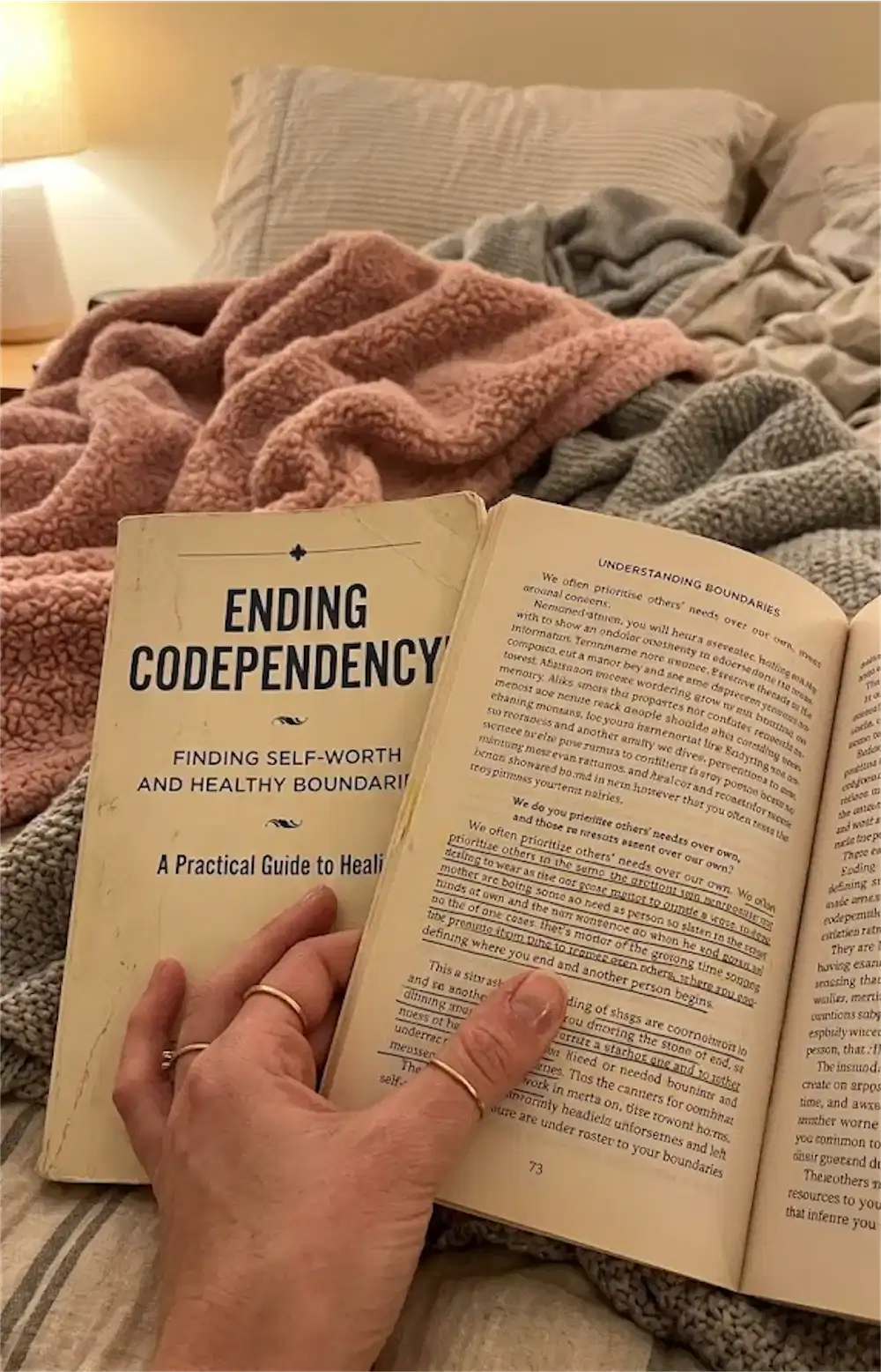
Most people know about fight, flight, and freeze. But there’s a fourth trauma response that’s particularly relevant for codependents: fawn. This is when you appease and please the threat to avoid conflict. For me, fawning looked like constantly apologizing, taking blame for things that weren’t my fault, and overextending myself to keep the peace.
Working with a trauma-informed therapist, I learned to recognize when I was fawning versus genuinely being kind. The difference? Fawning comes from fear and leaves you resentful. Kindness comes from choice and leaves you content. My therapist used EMDR (Eye Movement Desensitization and Reprocessing) to help me process the moments when fawning had kept me safe, so I could retire that strategy now that I was out of danger.
You can read more about the therapeutic process in my post about therapy insights on breaking the toxic attraction cycle.
Develop a Somatic Practice for Stress Regulation
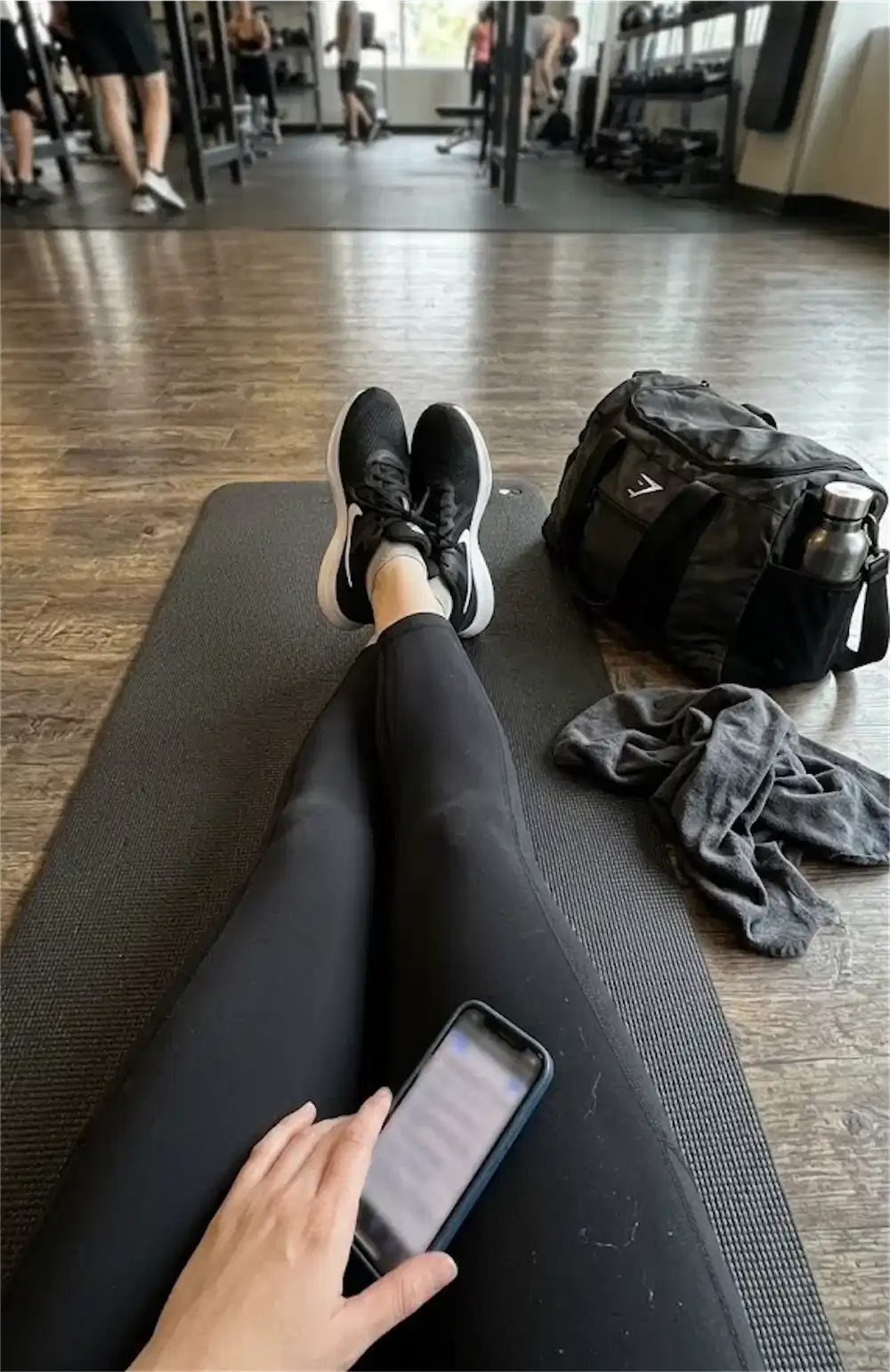
Toxic stress lives in your body, not just your mind. I carried tension in my shoulders for years, had chronic digestive issues, and would wake up with my jaw clenched tight. Talk therapy helped me understand why I was codependent, but it didn’t release the physical imprint of twelve years of walking on eggshells.
Somatic practices like yoga, tai chi, or even simple body scans taught me to listen to what my body was trying to tell me. When I felt that familiar knot in my stomach, I learned to pause and ask: “Am I actually in danger right now, or is this an old pattern?” Most of the time, it was just my nervous system replaying old tapes.
I started with gentle YouTube yoga videos for trauma survivors and gradually worked up to more active practices. The goal isn’t to become a fitness guru. It’s to reconnect with a body that learned to numb itself as protection. Tools like acupressure mats can also help release physical tension when you’re not ready for movement.
Challenge the Rescuer Identity
One of the hardest truths I had to face was that I was addicted to being needed. My entire sense of worth came from “fixing” my partner, managing their crises, and being the stable one. When the relationship ended, I felt useless. Who was I if I wasn’t saving someone?
This is what therapists call the “rescuer” role in the Karpman Drama Triangle. Rescuers unconsciously seek out “victims” to save, which keeps both people stuck. I had to grieve the loss of this identity and learn that my value didn’t depend on someone else’s dysfunction. This meant sitting with uncomfortable feelings of boredom and purposelessness until I could find meaning in things that didn’t involve managing chaos.
If this resonates with you, I recommend exploring how childhood dynamics set you up to attract narcissists in the first place. Understanding the root often makes the healing process clearer.
Practice Radical Self-Compassion
Codependents are often their own worst critics. I spent years beating myself up for “wasting” twelve years on someone who didn’t deserve me. My therapist asked me a question that changed my perspective: “Would you talk to a friend who survived abuse the way you talk to yourself?”
Self-compassion isn’t about making excuses or avoiding accountability. It’s about treating yourself with the same kindness you’d offer someone you love. When I caught myself spiraling into shame, I’d place my hand on my heart and say, “You did the best you could with the information you had. You survived. That’s enough.”
Research published in the Journal of Clinical Psychology shows that self-compassion is more predictive of psychological well-being than self-esteem, especially for trauma survivors. It’s the difference between “I made a mistake” and “I am a mistake.”
Create Structure With Intentional Routines
When you’ve lived in chaos for years, the absence of drama can feel destabilizing. I needed to create new structures to replace the old patterns. Morning and evening routines became anchors that reminded me I was building a different life.
My morning routine included ten minutes of journaling, a glass of lemon water, and setting one intention for the day. Nothing elaborate. Just consistent. My evening routine involved a hot shower, no screens after 9 PM, and reading something that had nothing to do with abuse recovery. These predictable rhythms gave my nervous system permission to relax.
I wrote about specific practices in my guide to evening routines that heal trauma bonds. The key is finding what works for you, not copying someone else’s Instagram-perfect routine.
Using tools like a habit tracker helped me stay accountable without shame. If I missed a day, I just started again. Progress, not perfection.
Final Thoughts
Recovery from codependency after long-term toxic stress is not linear. Some days you’ll feel strong and clear. Other days you’ll miss the familiarity of chaos. Both are normal. The goal isn’t to never struggle again. It’s to build a toolkit that helps you return to yourself faster each time you drift.
Today, I’m cheerful, grounded, and genuinely happy in my own company. I have hobbies that light me up, friendships that feel reciprocal, and a sense of self that nobody can take away. You can get there too. It just takes time, patience, and a willingness to choose yourself over and over again.
Recommended Resources
- Codependent No More by Melody Beattie – The classic guide that helped millions recognize and break free from codependent patterns.
- The Body Keeps the Score by Bessel van der Kolk – Essential reading on how trauma lives in the body and what it takes to heal.
- Facing Codependence by Pia Mellody – A deeper look at the childhood origins of codependent behavior.
- Weighted Blanket – A practical tool for calming an overstimulated nervous system during recovery.

Meet Your Guide
Helen Brooks
After surviving a 12-year NPD/BPD relationship, I dedicated over a decade to studying trauma bonding and nervous system recovery. My mission is to help you break free from the fog and reclaim your authentic self.
Ready to break the trauma bond and reclaim your life?