5 False Beliefs About Self-Worth I Developed During Narcissistic Relationships
I used to think self-worth was something you either “had” or you didn’t.
Then I spent 12 years in a toxic relationship with a partner who showed strong NPD and BPD traits (not a diagnosis, just the patterns I lived through). By the end, my confidence was so shredded that I couldn’t tell the difference between healthy compromise and self-erasure. I was isolated from friends, I had no hobbies left, and I honestly believed my life was going to stay miserable forever.
If you’re reading this, chances are you know that feeling. The constant second-guessing. The “Maybe it’s me?” loop. The way you can be so capable at work, yet feel oddly small at home.
This article is about the five false beliefs about self-worth I developed inside that kind of relationship, plus the exact mental rewrites and practical steps that helped me get back to my original self: grounded, optimistic, and calm.
Quick note: Only a licensed clinician can diagnose personality disorders. And if you’re in danger, please seek local emergency help right away.
Why Narcissistic Relationships Distort Your Self-Worth
In a narcissistic relationship, self-worth doesn’t usually collapse all at once. It’s more like a slow leak.
At first, you might feel chosen. Special. Finally seen. Then comes the confusion: affection followed by coldness, praise followed by criticism, closeness followed by punishment. Your nervous system starts chasing relief, not love. That push-pull dynamic can create a trauma bond, where attachment gets stronger even as the relationship becomes more harmful.

In my case, I started measuring my value by my partner’s mood. If they were warm, I felt safe. If they withdrew, I felt like I was failing. That’s not romance. That’s conditioning.
If you want a deeper breakdown from my lived experience, I wrote about it here: Lessons From 12 Years With a Narcissist.
False Belief #1: “My Worth Has to Be Earned”
This belief turns love into a performance review.
I learned to “earn” basic kindness by being convenient: staying calm when I was hurt, being low-maintenance, anticipating needs, fixing problems before they became problems, and swallowing my own preferences because it was easier than dealing with the backlash.
How it shows up:
- You feel guilty resting.
- You over-explain simple needs (sleep, quiet, space).
- You panic if you make a mistake because you expect “punishment.”
- You confuse being useful with being loved.
Reality check: Healthy love is not something you “win” by shrinking yourself. A partner can be disappointed in you sometimes and still treat you with basic respect.
Try this reframe (simple but not easy): “I am worthy of kindness even when I’m not performing.”
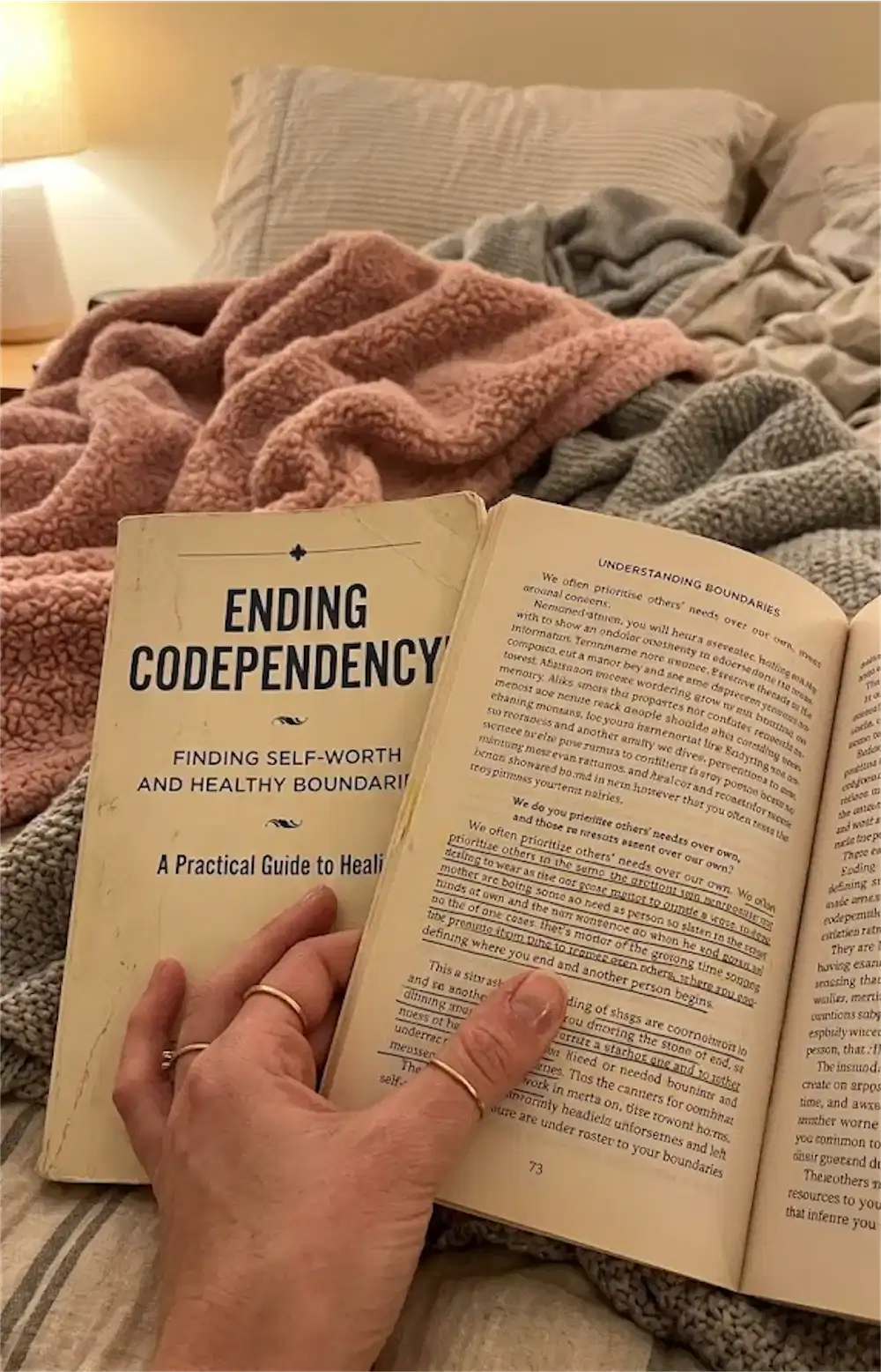
Practical step that helped me: I started tracking codependent patterns in writing, because my brain would minimize everything the next day. If codependency is part of your story, you might also like my post: Strategies to Overcome Codependency and Toxic Stress.
Helpful Amazon pick: Codependent No More (Melody Beattie) is a classic for a reason. It gave me language for what I was doing without turning me into a villain for surviving.
False Belief #2: “If They’re Upset, It Must Be My Fault”
This is where self-worth becomes a hostage situation.
In my relationship, the emotional weather changed fast. If my partner was irritated, I automatically went into detective mode: What did I do? What did I say wrong? How do I fix this before it gets worse?
Over time, you stop asking a healthier question: “Is this reaction proportional, fair, and respectful?” Because you’re too busy trying to prevent the next shutdown, rage, silent treatment, or smear campaign.
How it shows up:
- You apologize even when you’re confused.
- You accept vague accusations (“You know what you did”).
- You feel responsible for someone else’s chronic anger or emptiness.
- You replay conversations like a court case, searching for proof you’re “good.”
Reality check: Adults are responsible for regulating their own emotions. Your partner’s feelings matter. But they are not automatically your fault.
Mini-tool (my favorite): The “Two-Column Check.” On paper, write:
- Column A: What I actually did (facts only).
- Column B: What they accused me of (labels, mind-reading, exaggerations).
This helped me separate mistakes (normal) from blame-shifting (toxic).
Helpful Amazon pick: If blame and confusion are constant, a guided workbook can help you reality-check without spiraling. Try a search like boundaries workbook for relationships and choose one that feels supportive, not shaming.
False Belief #3: “I’m Too Sensitive (So My Needs Don’t Count)”
When someone keeps calling you dramatic, needy, unstable, or “crazy,” you start editing your own emotions in real time. You stop trusting your gut. You stop trusting your memory. You stop trusting your right to be upset.
This is one of the most brutal self-worth injuries because it teaches you that your pain is not a signal, it’s a character flaw.

How it shows up:
- You rehearse “permission statements” to bring up basic issues.
- You feel embarrassed for having feelings.
- You go numb because feeling anything creates conflict.
- You ask friends, “Am I overreacting?” about obviously harmful behavior.
Reality check: Sensitivity is not the problem. In a safe relationship, sensitivity becomes intimacy. In an unsafe relationship, sensitivity becomes something the other person exploits.
Try this reframe: “My emotions are data. I can validate the feeling without obeying it, and I can respect it without arguing with it.”
Practical step that helped me: I started writing one sentence a day: “What happened, and what did I feel?” No debate. No justification. Just naming reality.
Helpful Amazon pick: If gaslighting has you doubting your own mind, try The Gaslight Effect (Robin Stern). I didn’t agree with every single framing, but it helped me stop treating manipulation like a communication problem.
False Belief #4: “If I Were Really Lovable, They Would Choose Me Consistently”
This belief is sneaky because it sounds romantic, but it’s actually self-abandonment.
I used to think: “If I’m patient enough, supportive enough, sexy enough, chill enough, they’ll finally stop testing me. They’ll finally stop flirting with other people. They’ll finally stop disappearing. They’ll finally pick me.”
But inconsistency is not a reflection of your value. It’s a reflection of their capacity, their character, and the relationship dynamic.
How it shows up:
- You take breadcrumbs like they’re proof of love.
- You feel addicted to “good days” because they feel like oxygen.
- You compete with exes, attention, chaos, or crises.
- You interpret basic decency as a breakthrough.
Reality check: Love is not a lottery. If someone keeps you in uncertainty, it often keeps you easier to control.
Try this reframe: “Consistency is part of compatibility. If it’s not consistent, it’s not safe for my self-worth.”
If this specific belief hits hard, you might also like: False Beliefs About Your Worth After a Narcissistic Relationship.
Helpful Amazon pick: For attachment confusion, I found it useful to read about attachment styles without blaming myself. Try Attached (Levine & Heller) and focus on patterns, not labels.
False Belief #5: “Boundaries Make Me Selfish (So I Shouldn’t Have Any)”
In a healthy relationship, boundaries create clarity.
In a narcissistic relationship, boundaries trigger punishment. That’s why so many survivors start believing boundaries are “mean,” “cold,” “dramatic,” or “unloving.” I definitely did. I thought being a good partner meant being endlessly understanding, even when I was being harmed.
My self-worth improved fast when I accepted this: Someone who benefits from your lack of boundaries will always call your boundaries the problem.
How it shows up:
- You explain your boundary 10 times, hoping they’ll “get it.”
- You make exceptions that become the rule.
- You feel guilty after saying no, even politely.
- You stay in contact because you fear being “the bad guy.”
Reality check: Boundaries aren’t a threat. They’re information: what you will do, what you won’t do, and what happens if the line is crossed.
Try this boundary script: “I’m not available for conversations that include insults. If it happens again, I’m ending the call.”
If no-contact is part of your healing (or you’re trying to stop the back-and-forth), this can help: Why No Contact Works in Narcissistic Abuse.
Helpful Amazon pick: If boundaries are brand new to you, try Set Boundaries, Find Peace (Nedra Glover Tawwab). It reads like a supportive coach, not a lecture.
How I Rebuilt Self-Worth After Narcissistic Abuse (A Simple 30-Day Framework)
I didn’t rebuild self-worth by “thinking positive.” I rebuilt it the same way it got destroyed: through repeated experiences. Small, boring, consistent proof that I could trust myself again.
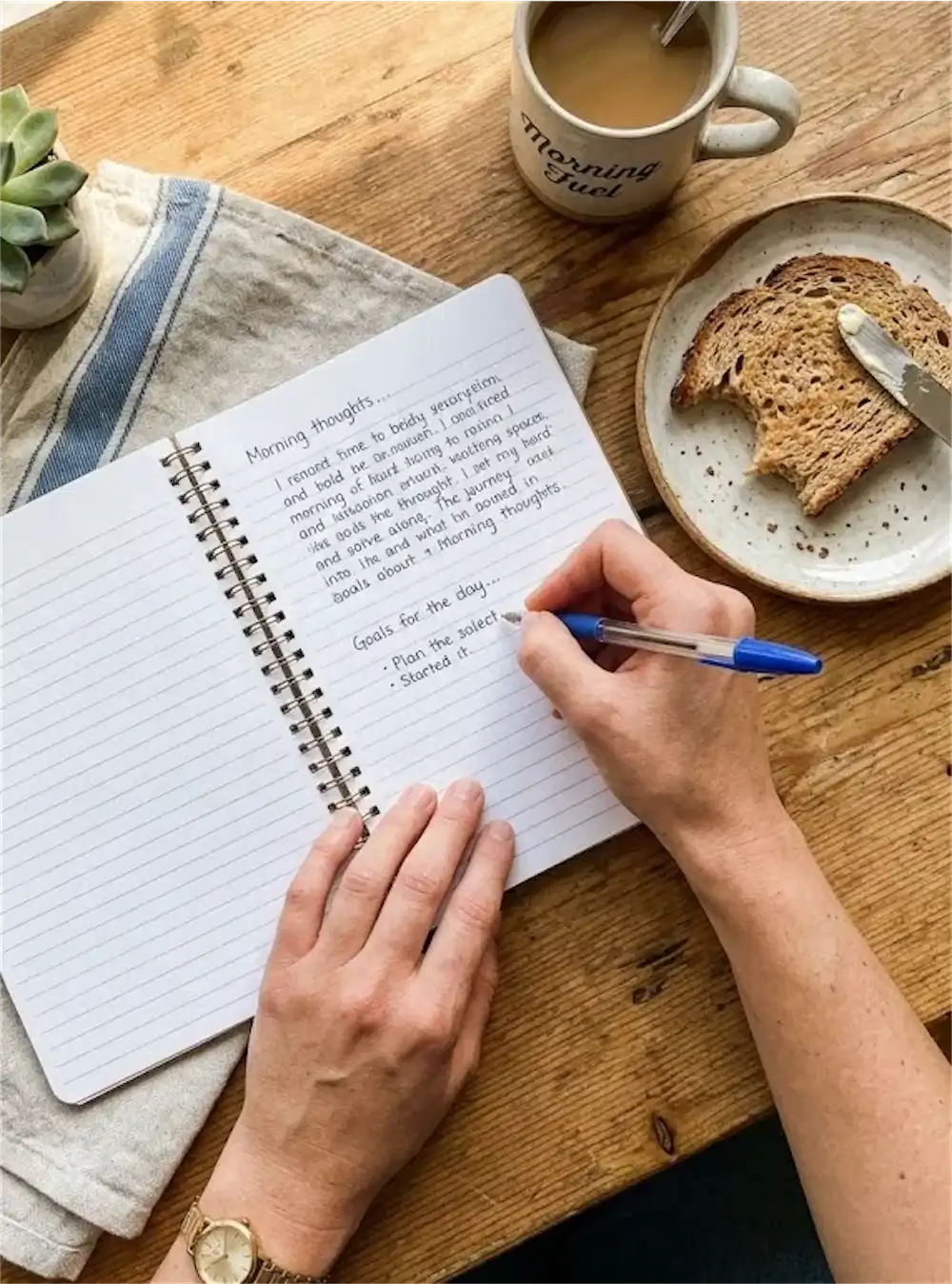
Here’s the framework I used (and still use when I feel myself slipping):
Week 1: Stabilize your nervous system (so your mind can work again)
- Pick one grounding habit: slow walk, shower, stretching, simple breath practice.
- Eat something predictable daily (even if it’s basic).
- Sleep protection: same wind-down time, same wake time when possible.
Optional support: Many survivors ask about supplements. I personally focused on food, hydration, and sleep first. If you explore anything like magnesium glycinate for sleep, do it with your clinician’s okay, especially if you take other meds.
Week 2: Stop the “self-putdown reflex”
This was huge for me because narcissistic dynamics train you to insult yourself before they can.
- Every time you think “I’m stupid,” rewrite it: “I’m dysregulated. I’m tired. I’m learning.”
- Keep a “proof list”: times you handled something hard, even imperfectly.
Week 3: Rebuild identity (tiny hobbies, tiny preferences, tiny joy)
- Choose one “you” thing: a playlist, a skincare routine, a new recipe, a library visit.
- Pick one social reconnection: one safe person, one coffee, no trauma dump required.
Week 4: Boundaries that protect your future self
- Write your top 3 non-negotiables (example: no insults, no cheating, no silent treatment).
- Create one consequence you can actually follow through on.
- If you share kids or work ties, use structured contact only.
The question that changed everything for me: “If I loved myself like I love other people, what would I do next?”
Helpful Amazon pick: If your emotions feel overwhelming after a toxic relationship, skills-based tools can help. Try a DBT skills workbook search and pick one that focuses on distress tolerance and emotion regulation.
Takeaway: Self-Worth Comes Back When You Stop Negotiating Your Reality
The biggest lie I carried out of my 12-year relationship was that I needed my ex to see my value for it to be real.
I didn’t get my life back by winning arguments or explaining my pain in a more “perfect” way. I got it back by choosing clarity, consistency, and self-respect on repeat, especially on the days it felt unnatural.
If you’re in the messy middle right now, please hear this: the fact that your self-worth got distorted does not mean it’s gone. It means you were trained out of it. And anything learned can be unlearned.
Recommended Resources
These are reader-friendly resources I’ve personally found useful (plus two authoritative references if you want the clinical framing):
- Stop Caretaking the Borderline or Narcissist (Margalis Fjelstad)
- Complex PTSD: From Surviving to Thriving (Pete Walker)
- The Body Keeps the Score (Bessel van der Kolk)
Authoritative references (dofollow): Mayo Clinic overview of Narcissistic Personality Disorder and the classic trauma bonding paper abstract on PubMed: Dutton & Painter (1993) “Emotional attachments in abusive relationships: a test of traumatic bonding theory”.

Meet Your Guide
Helen Brooks
After surviving a 12-year NPD/BPD relationship, I dedicated over a decade to studying trauma bonding and nervous system recovery. My mission is to help you break free from the fog and reclaim your authentic self.
Ready to break the trauma bond and reclaim your life?