Grey Rock Co-Parenting: How to Use the Method Effectively
I spent twelve years trapped in a cycle of chaos. My former partner had a mix of narcissistic and borderline traits that made every single day feel like a walk through a minefield. When we finally split, I thought the nightmare was over, but the reality of sharing children meant I was still tied to the storm. I was exhausted, my house was quiet but my head was loud, and I had no idea how to protect my peace while still being a present parent.
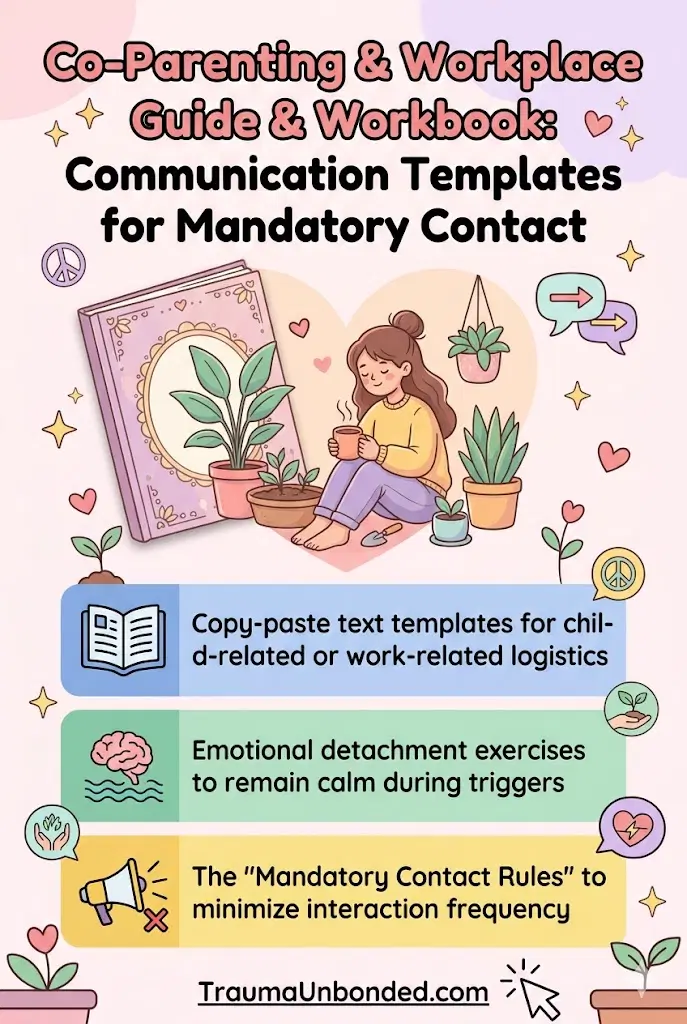
If you are in this position, you know that co-parenting with a narcissist is not actually co-parenting. It is more like managing a crisis that never ends. You might feel like you are constantly defending your character or over-explaining your choices to someone who does not care about the truth. I had to learn the hard way that you cannot reason with someone who uses your emotions as leverage. That is why I started using the Co-Parenting & Workplace Guide & Workbook to find my way back to sanity.
The grey rock method is a strategy designed to make you as uninteresting as a plain, grey rock. It is about becoming emotionally unresponsive so the toxic person no longer gets a “high” from upsetting you. In my decade-long relationship, I was the primary source of my ex’s emotional supply. When I stopped reacting to the insults and the baiting, the dynamic changed. It was not easy, but it was the only way I could return to my cheerful, grounded self.
Why the Grey Rock Method is Your Shield

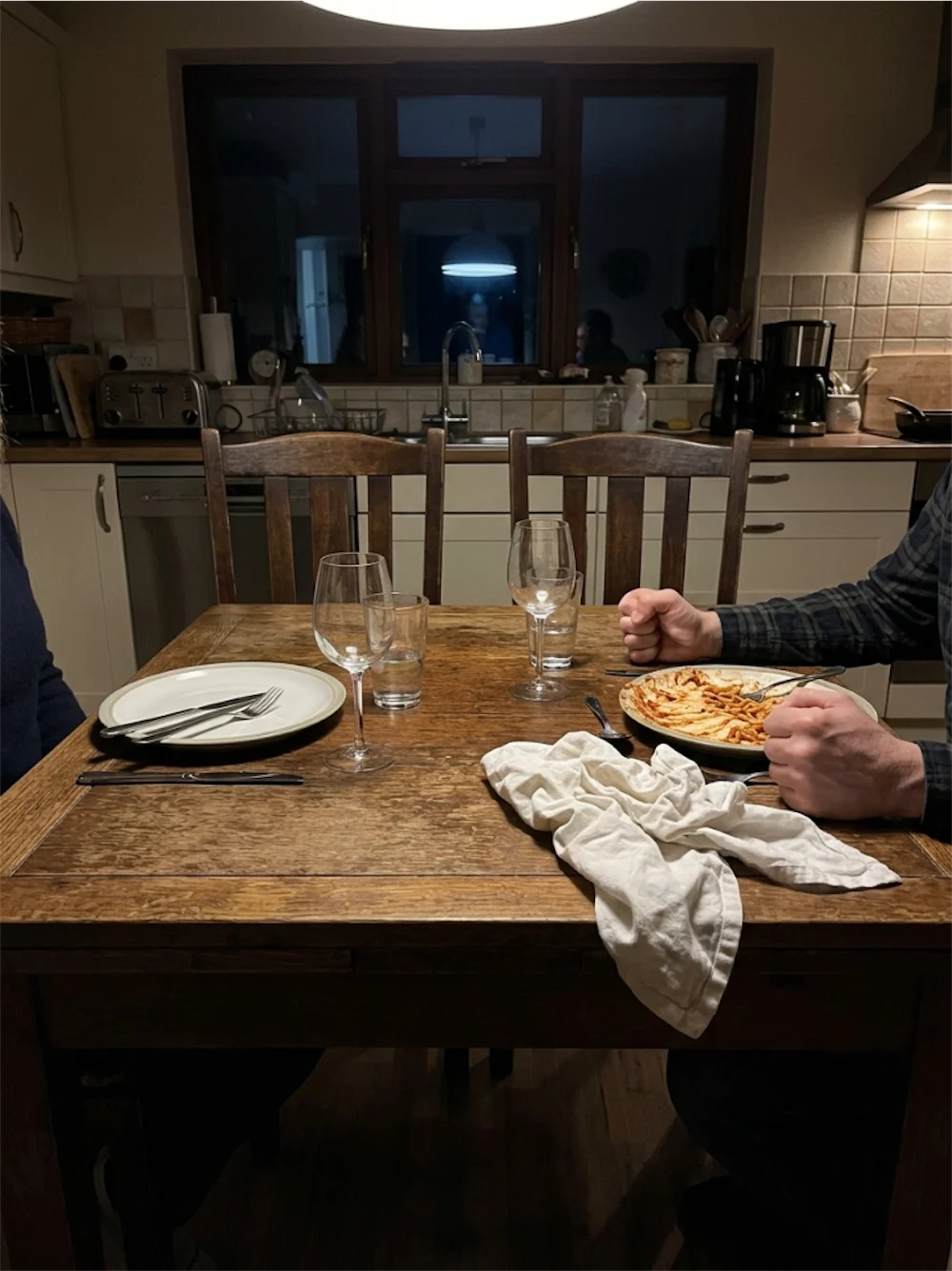
When you have a child with someone who has BPD or NPD traits, they often use the kids as a way to keep you in the trauma bond. They might send aggressive texts about a missed sock or try to start an argument during a school drop-off. For years, I would try to explain my side, thinking that if I just found the right words, they would finally understand. Does that sound familiar? The truth is, they do not want to understand; they want a reaction.
By using the grey rock technique, you are choosing to stop the intermittent reinforcement cycle. You provide short, non-committal answers. You stop sharing your personal life, your feelings, or your plans. During my recovery, I realized that my ex used my “original self”—my optimism and openness—against me. Becoming a “grey rock” meant I kept that bright part of myself for my children and my friends, while giving my ex absolutely nothing to chew on.
This method is especially useful for narcissistic abuse recovery because it rebuilds your boundaries. You are no longer an open book. You are a closed vault. This shift can be terrifying at first because we are programmed to be polite and helpful. But in a toxic situation, being “nice” is often just another word for being a target. Have you noticed how your kindness is often met with more demands? That is a sign that the old ways of communicating are no longer safe for you.
The Basics of Grey Rock Communication
When you are dealing with a high-conflict ex, your communication should be “BIFF”: Brief, Informative, Friendly (but neutral), and Firm. If they send a three-paragraph email accusing you of being a terrible parent because the kids ate pizza, your response should be: “The children were fed and are healthy. See you at 5:00 PM.” No defense. No anger. No explaining why pizza is okay once in a while. You are simply a delivery system for facts.
In my 12-year experience, I found that any emotion I showed was used as “evidence” of my instability later. If I got angry, I was the “crazy” one. If I cried, I was “weak.” When I switched to low-contact strategy and grey rocking, I stopped giving them ammunition. It feels cold at first, but that coldness is actually the fence that keeps your garden safe. You can learn more about these shifts in our bpd relationship trauma recovery resources.
How to Talk to a Narcissistic Co-Parent Without the Drama
One of the hardest parts of this journey is setting boundaries with a toxic ex when it comes to the kids. They will try to push you. They might ask personal questions about who you are seeing or how you spent your weekend. Your job is to give one-word answers like “fine,” “okay,” or “I am not sure.” This is not about being rude. It is about protecting your energy from someone who has shown they cannot handle it with care.
I remember the first time I didn’t take the bait. My ex was trying to start a fight about a holiday schedule that was already settled in court. Instead of arguing for two hours on the phone, I sent a text: “I will follow the court order. Have a good evening.” Then I put my phone in a drawer. The silence was uncomfortable, but it was also the first time in a decade that I felt in control. If you are struggling with divorce and peace of mind, this discipline is your only way out. You might find a lot of value in reading about divorce with a narcissist for your sanity.
The goal is to become so boring that they look for their narcissistic supply elsewhere. It sounds harsh, but you want them to find a new person to bother so you can focus on healing. After my breakup, I was devastated and had zero hobbies left. I had to rebuild my life from scratch. Grey rocking gave me the time and space to do that because I was no longer spending five hours a day ruminating over texts.
If you are feeling overwhelmed by the constant pings on your phone and the anxiety of every school pickup, you need a structured plan. I put together something that helps you navigate these specific waters without losing your mind. It provides the exact scripts and mental shifts I used to finally get my life back.
Managing the Internal Struggle and Guilt

When you start grey rocking a co-parent, you might feel like a “bad person.” You might worry that you are being mean or that the kids will notice the tension. I felt that way for a long time. I was a “fawner”—someone who tried to keep everyone happy to stay safe. But I realized that a peaceful, boring parent is much better for a child than a stressed, reactive parent who is always in a fight. Your children need you to be grounded, and you cannot be grounded if you are constantly walking on eggshells.
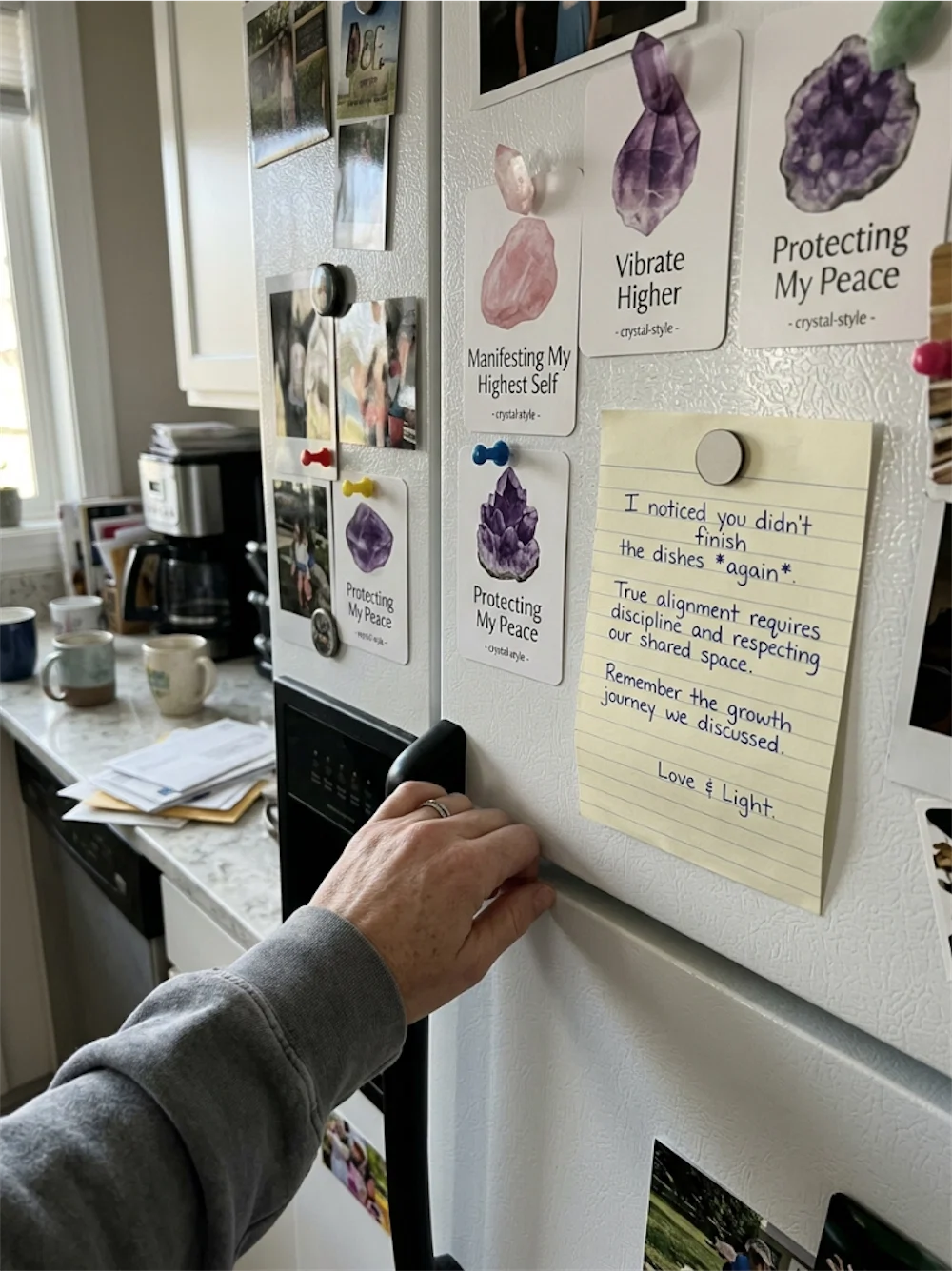
You have to stop JADEing: Justifying, Arguing, Defending, and Explaining. When you JADE, you give the toxic person a “hook” to pull you back into the argument. If you say, “I couldn’t make the call because I was at work and my boss was watching,” they will argue about your job or your boss. If you just say, “I was unavailable for a call,” the conversation has nowhere to go. It is a simple shift that feels like a superpower once you master it.
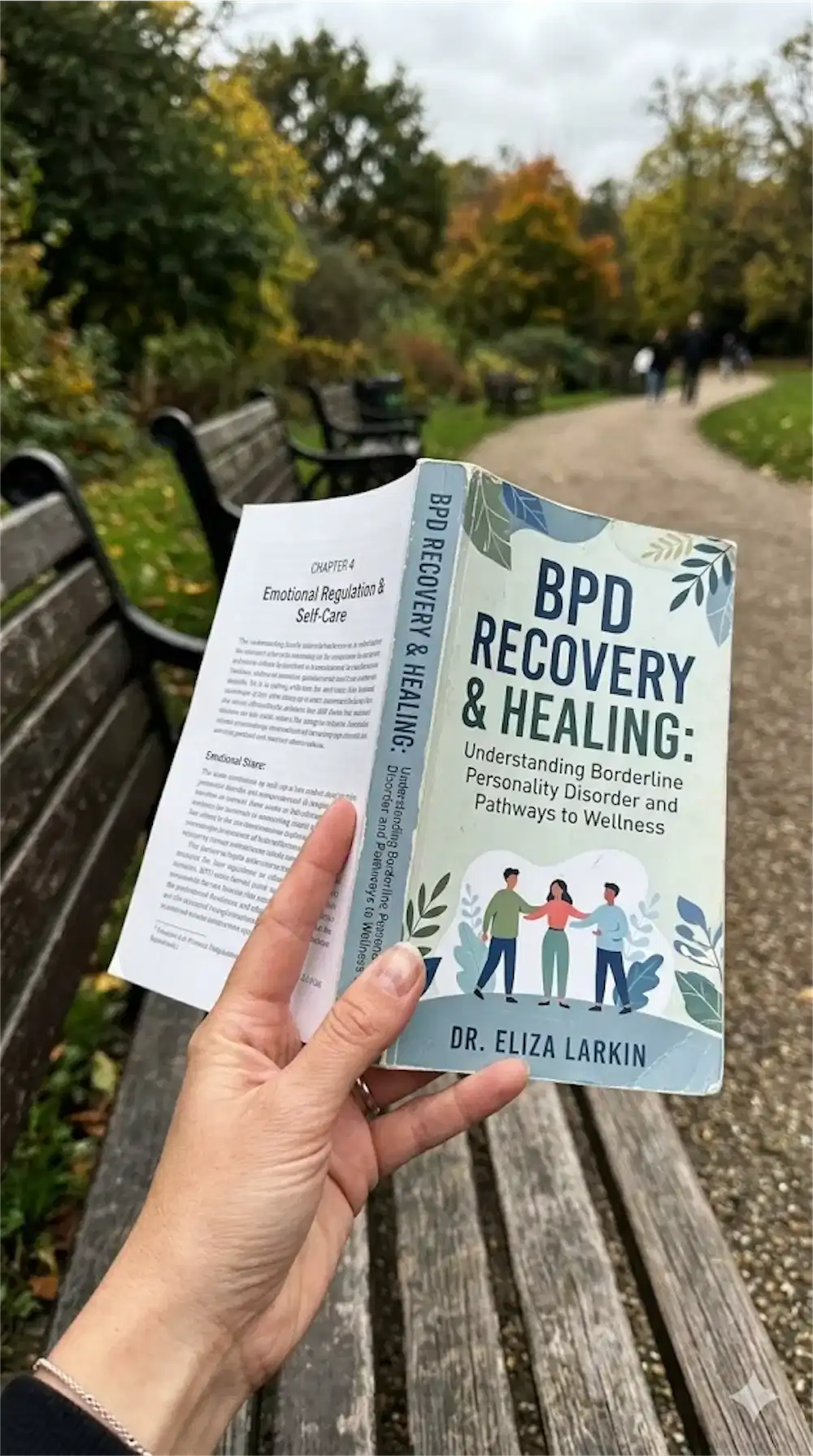
Recovery is about returning to who you were before the 12 years of survival mode took over. I spent a long time in professional therapy learning about codependency and trauma bonds. I had to learn that my only responsibility was to my kids and my own health, not to the ego of a person who hurt me. Are you ready to stop being their emotional punching bag?
Handling the Extinction Burst
When you stop reacting, the toxic co-parent will usually get worse before they get better. This is called an extinction burst. They might increase the insults, send more “urgent” messages, or even try to use flying monkeys (friends or family members) to get a rise out of you. In my case, my ex started telling mutual friends that I was “cold” and “unstable” because I wouldn’t chat on the phone anymore.
During these times, you have to lean into your support system. I had lost most of my friends during my relationship because I was so isolated. Reconnecting with people who actually loved me was a vital part of my trauma-informed healing. You need people who see the real you, not the version the narcissist tries to project. Stay the course. The storm will eventually pass because a person looking for a fight will eventually get bored of fighting with a rock.
Moving Forward to a Peaceful Future
Today, my life looks nothing like it did during those 12 dark years. I am cheerful, I have hobbies again, and my kids are thriving in a home that is no longer filled with tension. Using the grey rock method for co-parenting was the bridge that got me from misery to freedom. It wasn’t about winning a war; it was about refusing to play the game at all.
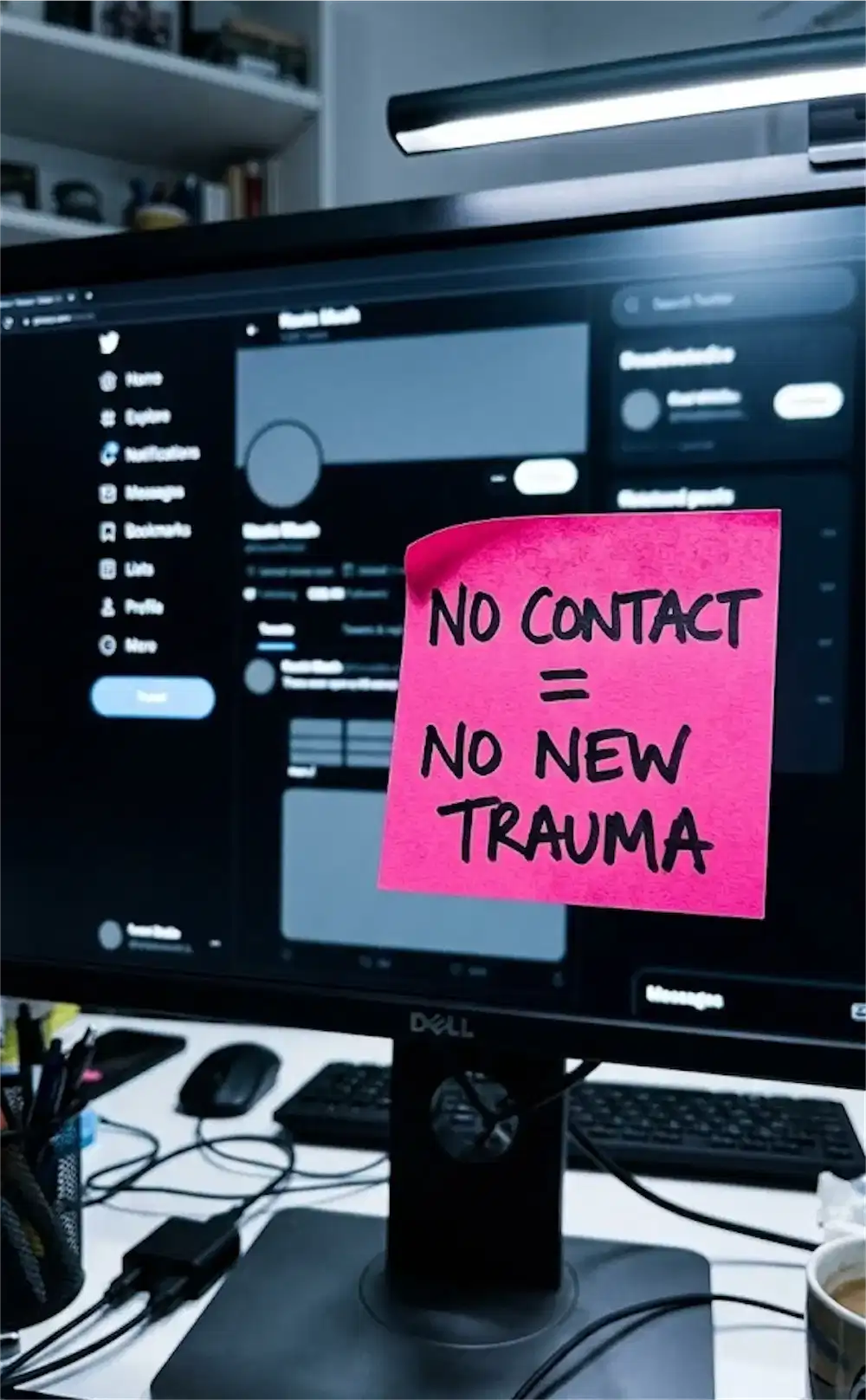
You might still feel the trauma bond pulling at you, making you want to check their social media or see if they are “winning” the breakup. This is a normal part of the biochemical addiction of abuse. But every time you choose to be a grey rock, you are breaking that bond. You are choosing yourself. You are choosing a future where your phone doesn’t make your heart race with every notification.
Remember that you cannot change them, but you can change how much of you they get to touch. Your peace is worth the discomfort of being “boring.” If you want more tools to handle the specific messages and situations that come up with a high-conflict ex, I highly recommend checking out the Co-Parenting & Workplace Guide & Workbook. It is the roadmap I wish I had when I was first starting out. You can do this, and you are not alone.
The most important thing to remember is that grey rock co-parenting is a marathon, not a sprint. There will be days when you slip up and give them a reaction, and that is okay. Forgive yourself, reset your boundaries, and go back to being that solid, unmovable rock. Your original self is still in there, waiting to come back to the surface. By protecting your energy today, you are making room for the person you were always meant to be.

Meet Your Guide
Helen Brooks
After surviving a 12-year NPD/BPD relationship, I dedicated over a decade to studying trauma bonding and nervous system recovery. My mission is to help you break free from the fog and reclaim your authentic self.
Ready to break the trauma bond and reclaim your life?