Leaving an Abusive Relationship: 5 Dangerous Mistakes to Avoid
Leaving an abusive relationship is one of the most difficult things you will ever do, especially when you are trying to break free from the invisible chains of narcissistic and BPD abuse. Many people search for how to leave a toxic partner safely only to find themselves sucked back in weeks later. I stayed for twelve years because I did not understand that the person I loved was actually using a script of manipulation to keep me small.
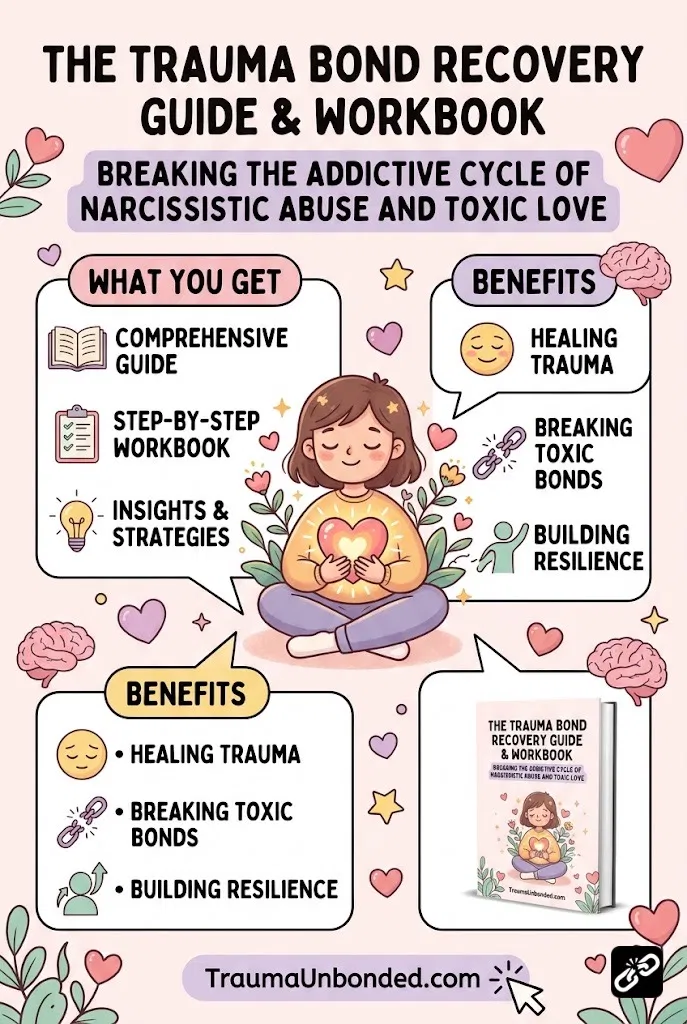
In those twelve years, I lost everything that made me “me.” My friends stopped calling because they were tired of hearing about the drama, and I eventually stopped having hobbies because all my energy went into managing my partner’s explosive moods. If you feel like your life is a shell of what it used to be, please know that you can find your way back to your original, cheerful self. To help you get there faster than I did, I want to share the common mistakes when breaking up with a narcissist that kept me trapped for over a decade. You can start your healing process right now by looking at The Trauma Bond Recovery Guide and Workbook which helped me realize I was not crazy.
The road to trauma bond recovery is not a straight line, but avoiding these specific pitfalls will save you years of unnecessary pain. Are you ready to stop the cycle and finally start healing from emotional abuse? Let’s look at the mistakes that most of us make when we finally try to walk away.
Searching for closure from an abusive partner
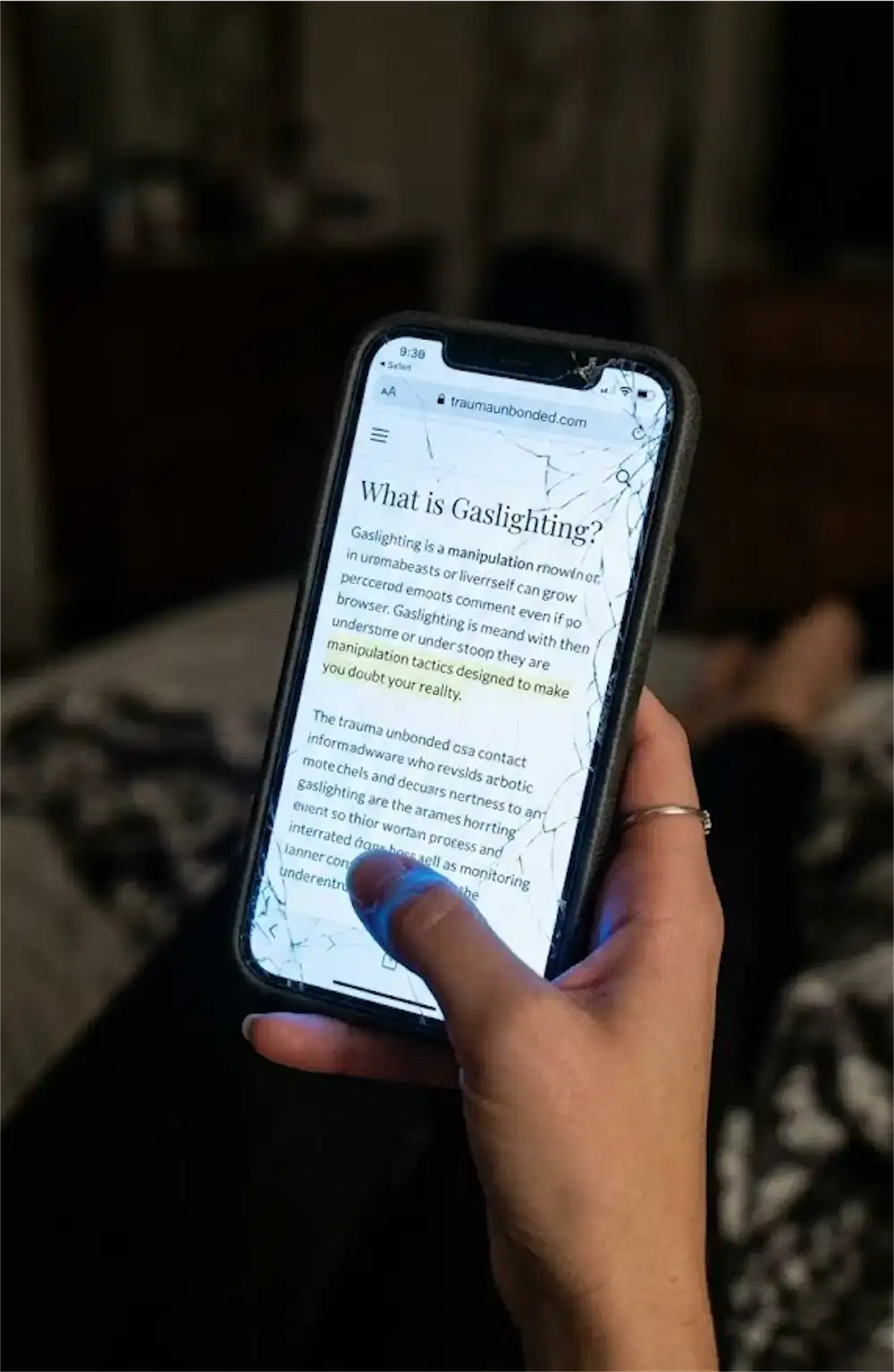
One of the biggest leaving an abusive relationship mistakes is thinking that you need the other person to understand why you are going. In a healthy relationship, two people sit down and discuss their feelings to find a mutual understanding. In a relationship with a person having NPD or BPD traits, that conversation is just another opportunity for them to gaslight you. Gaslighting is when they twist the truth so much that you start to doubt your own memory. I spent years trying to get my ex to see my side, only to walk away feeling more confused than when the talk started.

You have to realize that your “closure” comes from you, not them. They will never give you the apology you deserve because, in their world, they are always the victim. If you keep waiting for them to admit what they did, you are staying tethered to their reality. I had to learn that the silence of finding closure after a narcissistic relationship is the only way to protect my sanity. Why keep asking for the truth from a person who is committed to lying to you?
When I finally stopped explaining myself, I felt a massive weight lift off my shoulders. I realized that my silence was actually my greatest power. You do not owe an abuser a roadmap to your heart, and you certainly do not need their permission to move on. True closure is the moment you decide that their opinion of you no longer matters.
Falling for hoovering and the fake apology
Just when you think you are finally out, the “hoovering” starts. Think of it like a vacuum cleaner trying to suck you back into the relationship. They might send a text saying they had a dream about you or suddenly apologize for something they did years ago. For a survivor, this feels like the change you have been praying for. In my experience, these apologies were never about growth; they were about regaining control once they sensed I was actually leaving.
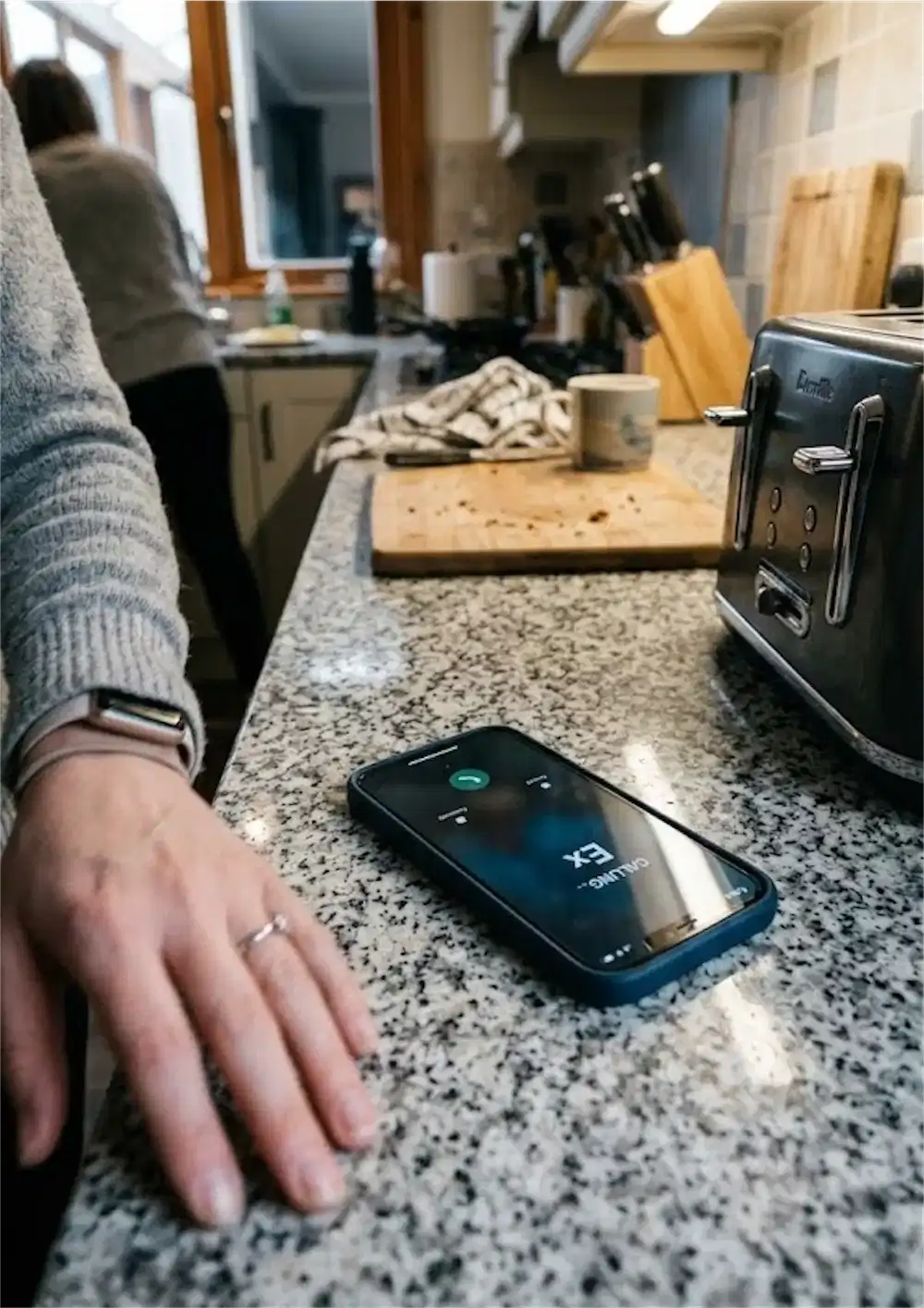
During my twelve year cycle, I fell for the hoovering at least twenty times. Each time, the “honeymoon phase” got shorter and the abuse got worse. If you are struggling with this, you need to learn how to handle narcissist hoovering tactics without breaking your resolve. The person who hurt you has not changed overnight just because they are lonely or bored. They are simply using a different tool to get what they want.
When they reach out, it is not love. It is a test to see if your boundaries are still weak. Every time you respond, even to tell them to leave you alone, you are giving them the “supply” they crave. I learned that the only winning move is not to play the game at all. If you respond to that 2:00 AM text, you are essentially telling them that their behavior is still working on you.
Breaking free from the mental loops and constant “what-ifs” is the hardest part of walking away. Your brain is literally addicted to the highs and lows of the relationship, making it feel impossible to stay away. To finally stop the obsessive thoughts and regain your mental clarity, you need a structured plan that addresses the biochemical side of this addiction.
Attempting to stay friends with the ex
We often tell ourselves that we can be friends because we want to prove we are “mature” or because we cannot bear the thought of losing them completely. This is a trap. In the world of narcissistic abuse recovery, staying friends is just another way for the abuser to keep tabs on you. It allows them to continue the intermittent reinforcement cycle, where they give you just enough kindness to keep you hooked, followed by coldness that leaves you begging for more.
When I tried to be friends with my ex, I found myself still doing favors for them and listening to their problems while my own life was falling apart. I was still being used, I just didn’t have the title of “partner” anymore. Friendship requires mutual respect and shared reality, two things that are absent in toxic dynamics. If they couldn’t respect you when you were their everything, why would they respect you as a friend?
It hurts to think about never speaking to them again, but that space is where your healing lives. You cannot heal in the same environment where you got sick. If you keep a window open for them, they will eventually climb through it. Guard your peace like it is the most valuable thing you own, because after years of abuse, it truly is.
Neglecting the physical trauma bond
Many people think leaving is just a mental decision. They don’t realize that their body is physically addicted to the stress of the relationship. Trauma bonding creates a cocktail of dopamine and cortisol in your brain that feels like a drug withdrawal when you leave. This is why you feel physically sick, anxious, and unable to sleep after the breakup. If you ignore this, you will likely return to the abuser just to stop the “withdrawal” pain.
I remember shaking and feeling a deep ache in my chest for months. I thought it was just “heartbreak,” but it was actually my nervous system stuck in survival mode. Learning about the biochemical addiction of a trauma bond changed everything for me. It helped me realize that my “love” was actually a physiological response to years of unpredictable behavior.
You need to treat yourself with the same care you would give someone recovering from a physical injury. Rest, hydration, and gentle movement are more important than analyzing every fight you ever had. Your body needs to learn that it is finally safe. Have you noticed how your jaw is always clenched or how you jump at loud noises? That is your body keeping the score of the abuse.
Breaking no contact for one last talk
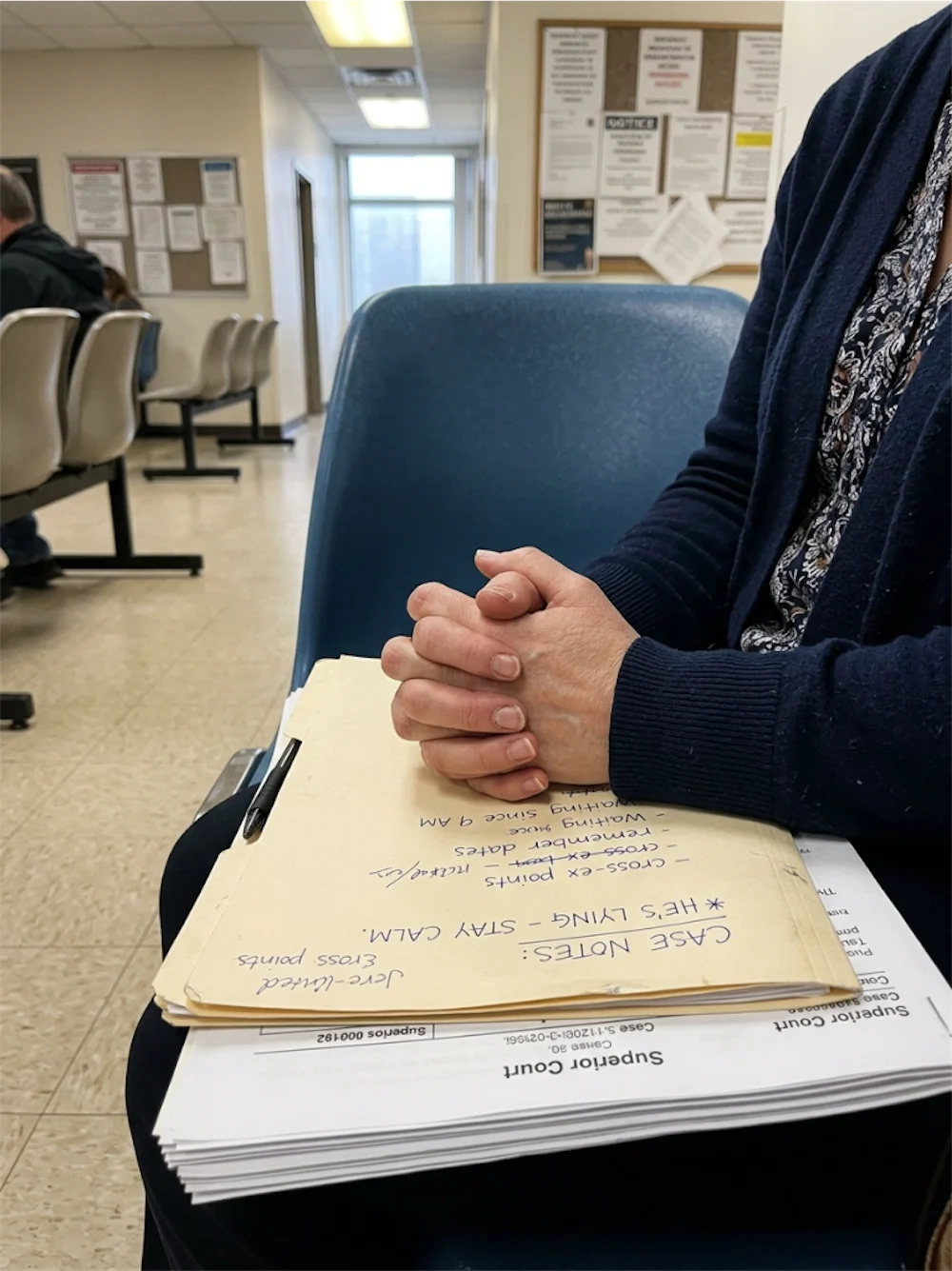
The urge to have “one last talk” to explain how much they hurt you is almost unbearable. You think that if you could just find the right words, they would finally “get it.” This is a massive mistake because an abuser uses your words as weapons against you. Every piece of vulnerability you share in that final talk will be used to shame you or make you look like the “crazy” one to others. This is often part of a narcissist smear campaign designed to destroy your reputation.
I broke no contact dozens of times because I felt I hadn’t expressed my pain clearly enough. Each time, I left the conversation feeling smaller and more defeated. Using a radical no contact strategy is the only way to truly break the spell. No contact means no checking their social media, no asking friends about them, and certainly no “one last talk.”
Your silence is a boundary that they cannot cross. It is the final word in a long, exhausting argument. By choosing not to speak, you are reclaiming your energy and your future. It feels cold and harsh at first, but it is the most loving thing you can do for yourself. Are you ready to stop giving them your precious words and start using them to write your own new story?
Leaving is just the first step on a much longer journey toward the person you used to be. I spent twelve years in the dark, but today I am cheerful, optimistic, and I actually enjoy my morning coffee without checking my phone for a mean text. You can get there too, but you must be disciplined with your boundaries. If you need a roadmap to help you navigate the first few months of freedom, I highly recommend checking out The Trauma Bond Recovery Guide and Workbook to keep you on the right path. You deserve a life that feels peaceful and safe.

Meet Your Guide
Helen Brooks
After surviving a 12-year NPD/BPD relationship, I dedicated over a decade to studying trauma bonding and nervous system recovery. My mission is to help you break free from the fog and reclaim your authentic self.
Ready to break the trauma bond and reclaim your life?