The Malignant Narcissist: Identifying the Dangers and Strategies for Safe Escape
Understanding how to identify a malignant narcissist is the first step toward identifying the dangers and developing strategies for safe escape from psychological destruction. Many do not realize they are dealing with this highly toxic personality type until they are deep in a traumatic bond. Recognizing the early signs of malignant narcissism is critical to protect your sanity and learn how to escape a toxic relationship safely.
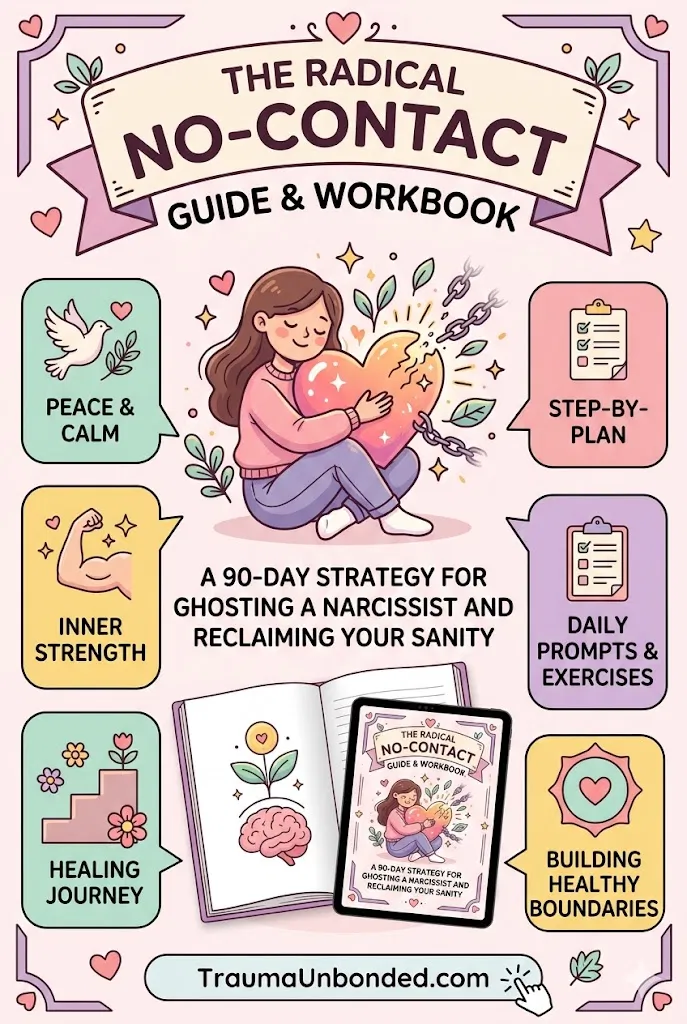
I survived this reality for twelve long years with a partner who displayed severe NPD and BPD traits. By the end, I was completely isolated, without hobbies, and convinced my life was miserable. But through therapy, understanding codependency, and breaking my trauma bonds, I returned to my original, cheerful self. If you are preparing to leave, having a strategic roadmap like the Radical No-Contact Guide & Workbook can make all the difference.
Are you asking yourself if your partner is simply difficult or if they possess a much darker nature? Let us walk through the distinct characteristics of this personality type so you can regain your footing.
What is a Malignant Narcissist and Why Are They So Dangerous?
A malignant narcissist is a severe subtype of narcissism that combines grandiose narcissistic traits with antisocial behavior, paranoia, and sadistic tendencies, meaning they actively derive pleasure from controlling and causing harm to others.

What makes this specific personality type so terrifying? Unlike standard narcissists who seek attention, those with malignant traits have a darker edge. They exhibit a distinct lack of empathy combined with a willingness to cause harm. In my twelve-year relationship, this was not just a clinical definition; it felt like walking on eggshells. Have you ever felt like you were living with a master chess player plotting your downfall? The sadism in malignant narcissism is often quiet, marked by a cold satisfaction when they see you cry.
These individuals seek total domination over your mind and social circle. They enjoy watching you slowly dismantle your own identity to keep them happy. This is why standard relationship advice about communication fails completely in these dynamics.
Recognizing the Subtle Warning Signs of Malignant Narcissism
How do you know if you are dealing with this specific type of abuse? The warning signs are deeply embedded in how they maintain control over your reality, systematically dismantling your trust in your own mind. These behaviors often create strong psychological ties, causing you to ignore the subtle signs of trauma bonding that are easily overlooked until you are completely trapped.
- Sadistic Pleasure in Control: They smirk when you cry or beg for peace, enjoying the devastation.
- Paranoid Suspiciousness: They constantly accuse you of betrayal, checking your phone and making you feel like a criminal.
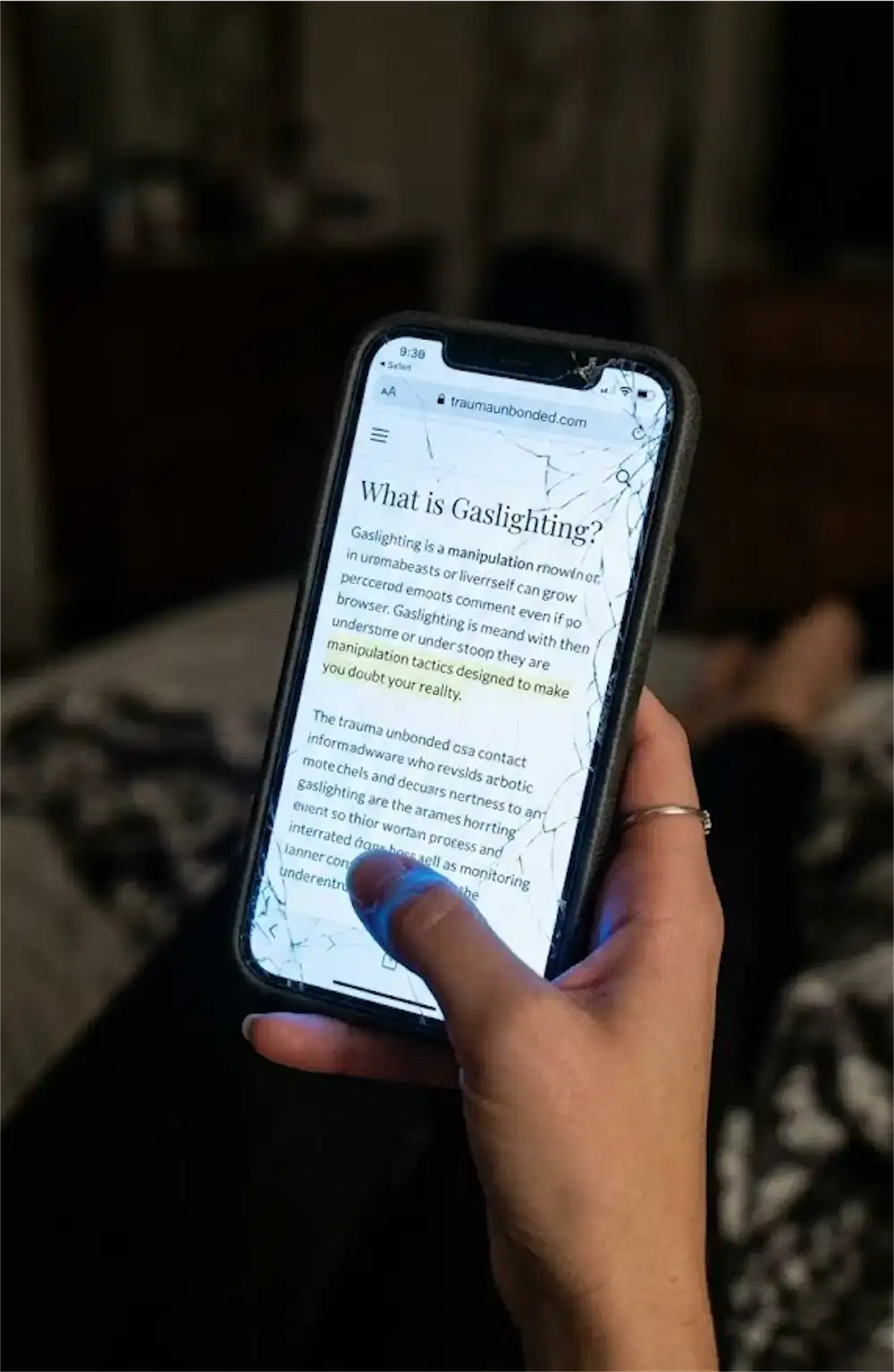
- Calculated Gaslighting: They rewrite history with such conviction that you begin to doubt your own memory and sanity.
- Severe Vindictiveness: Their revenge is disproportionately cruel. They target your career, family, and reputation without a second thought.
In a normal relationship, sharing your hurt makes your partner want to ease your pain. With a malignant personality, sharing your hurt provides them with a map of your vulnerabilities. They will store that information away and use it against you during the next argument. Have you noticed how your deepest insecurities are weaponized when they are angry? This is a deliberate tactic to keep you entirely dependent on their approval.
Why Escaping a Malignant Narcissist Requires a Different Plan
Leaving a standard relationship usually involves a sad conversation and moving on. But when you try to leave someone with malignant traits, it is a high-risk operation. They view your departure as a challenge to their authority. Because their fragile ego cannot handle rejection, they will escalate their tactics to maintain control.
Have you noticed how they react when you establish even a tiny boundary? They do not just get upset; they try to tear that boundary down with extreme force. Standard breakups do not work here because these individuals do not play by normal rules. They will use financial control, smear campaigns, and digital harassment to drag you back. If you do not have a calculated plan, you run the risk of falling back into their trap.
To successfully break this hold, you need more than just willpower. You need a structured, daily action plan that keeps you safe and grounded through the storm. I highly recommend checking out the guide below to help you navigate the highly critical first few weeks of your physical and emotional exit.
Strategies for Safe Escape and Reclaiming Your Life
Safety must be your absolute highest focus when planning your exit. Because their reactions are highly unpredictable, you should never announce that you are leaving. In my own recovery, I had to learn that trying to have a mature, closing conversation with my ex was not only useless but highly dangerous. Your plan must be executed in total silence.
Start by quietly gathering your essential documents, such as your passport and financial statements, keeping them in a safe location outside of your shared home. At the same time, begin to set aside cash in a private account that they cannot access. Gaining even a small amount of financial independence is incredibly helpful.
Next, secure your digital footprint. Change all of your passwords on a secure device that your partner has never touched. It is common for malignant partners to monitor emails or install tracking apps without your knowledge. Once you are physically out, implementing a radical no-contact guide protocol is your best defense against their manipulation.
Healing the Trauma Bond After You Leave
Leaving the physical environment is only half the battle. The emotional hooks remain, often presenting as an intense longing or obsessive thoughts. This happens because your body is dealing with a severe trauma bond biochemical addiction. Your brain has been conditioned to crave the high-stress adrenaline followed by the sweet relief of their temporary warmth.
To heal this, you must treat your recovery like a physical detox. Be gentle with yourself on the days you feel weak. Healing is not a straight line, but with professional guidance and daily grounding practices, your nervous system will eventually settle. According to Psychology Today, recognizing these toxic patterns of intermittent reinforcement is crucial for breaking the psychological hold of an abuser.
Surround yourself with people who validate your reality. True friends will understand once you explain the isolation you were forced into. Focus on small, daily routines that bring you back to your body, whether that is a quiet walk in nature or writing in a journal.
You can reclaim your life, even if it feels completely impossible right now. I remember sitting on the floor of my empty apartment, wondering how I would ever feel happy again. But step by step, the fog cleared. By taking slow, deliberate actions and using structured tools like the Radical No-Contact Guide & Workbook, you will find your way back to your original, cheerful, and grounded self.

Meet Your Guide
Helen Brooks
After surviving a 12-year NPD/BPD relationship, I dedicated over a decade to studying trauma bonding and nervous system recovery. My mission is to help you break free from the fog and reclaim your authentic self.
Ready to break the trauma bond and reclaim your life?