The Urgent Need for No Contact in an Emotionally Abusive Relationship: Why You Can’t Heal Without It
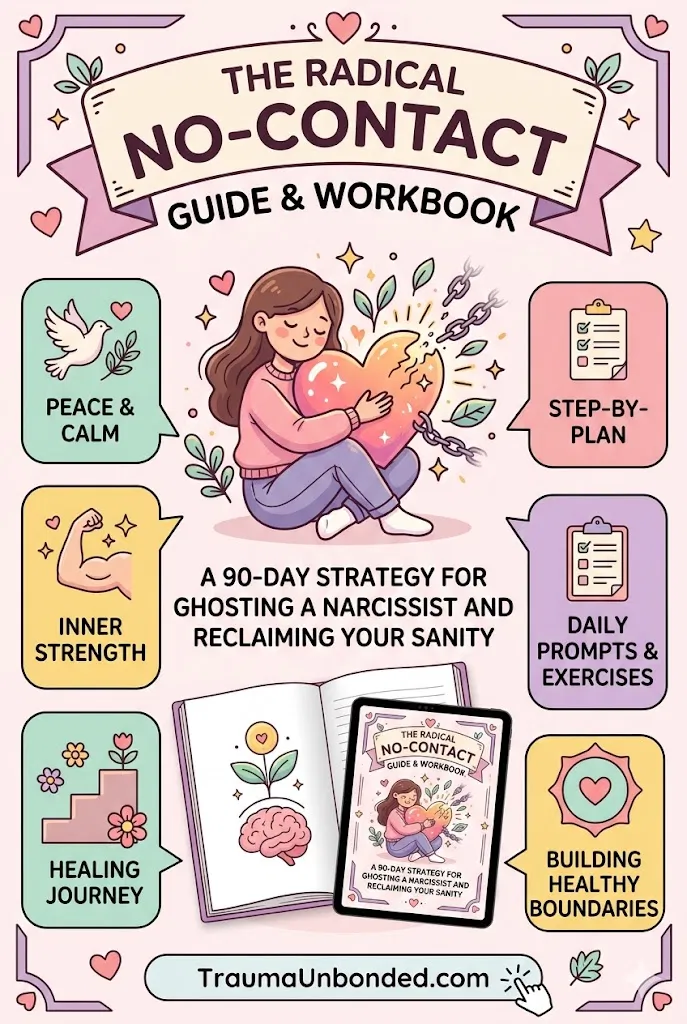
No contact is the single most critical step you must take when leaving an emotionally abusive relationship. If you are currently trying to find your footing while surviving a toxic breakup, you might think you can manage the fallout by keeping a small window of communication open. But how can your nervous system settle when you are constantly waiting for the next storm? During my 12 years with a partner who struggled with both narcissistic and borderline personality traits, I tried every middle ground possible before realizing that complete silence was my only path to sanity. To truly learn how to break a trauma bond, you cannot keep touching the fire that burned you, which is why a structured plan like The Radical No-Contact Guide & Workbook becomes a literal lifeline during this dark phase.
When you are in the thick of healing from narcissistic abuse, your mind plays constant tricks on you. You might find yourself searching for answers, wondering if they finally understand the pain they caused. Have you found yourself drafted into endless, circular arguments that lead absolutely nowhere? I spent over a decade in that exact loop, losing my hobbies, my friends, and my sense of self until I was a shell of the cheerful person I used to be.
The Trap of Just Being Friends or Checking In
In an emotionally abusive relationship, terms like closure are often weaponized to keep you hooked. You might tell yourself that keeping them on social media is harmless, or that answering an occasional text is the mature thing to do. In reality, every single notification is a setback that resets your recovery clock back to zero. I remember sitting on my bathroom floor, staring at a simple text, and feeling my heart drop into my stomach. That is not connection; that is panic.
When we attempt to maintain a friendship with a toxic ex, we are usually trying to avoid the intense grief of the final discard. We settle for crumbs of attention because the alternative feels too cold and empty. But you cannot build a healthy future on the ruins of a relationship that required you to shrink to survive. Choosing silence is not about being petty or punishing them; it is about building a secure wall around your fragile, healing heart.
Why Your Brain Struggles to Walk Away
Your inability to just walk away and stay away is not a personal failure or a lack of willpower. It is a physiological reaction driven by a complex trauma bond biochemical addiction. Over months or years, the constant cycle of extreme highs and devastating lows shapes your brain chemistry. Your nervous system becomes addicted to the dopamine spike that follows a reconciliation, making the toxic partner feel like both the poison and the medicine.
When you suddenly cut ties, your body goes into actual chemical withdrawal. You will feel anxious, physically exhausted, and desperate for a quick fix in the form of a message or a call. Recognizing this process helped me stop blaming myself for missing someone who treated me so poorly. Once you understand that your thoughts are being hijacked by biology, you can begin to treat yourself with the compassion needed to navigate this difficult phase.
If you are struggling to maintain your boundaries and find yourself constantly tempted to break your silence, you need a structured, step-by-step roadmap. To help you navigate the intense anxiety and stay strong when the urge to reach out hits, I highly recommend using this focused, practical workbook designed to protect your peace of mind.
The Reality of What No Contact Actually Looks Like
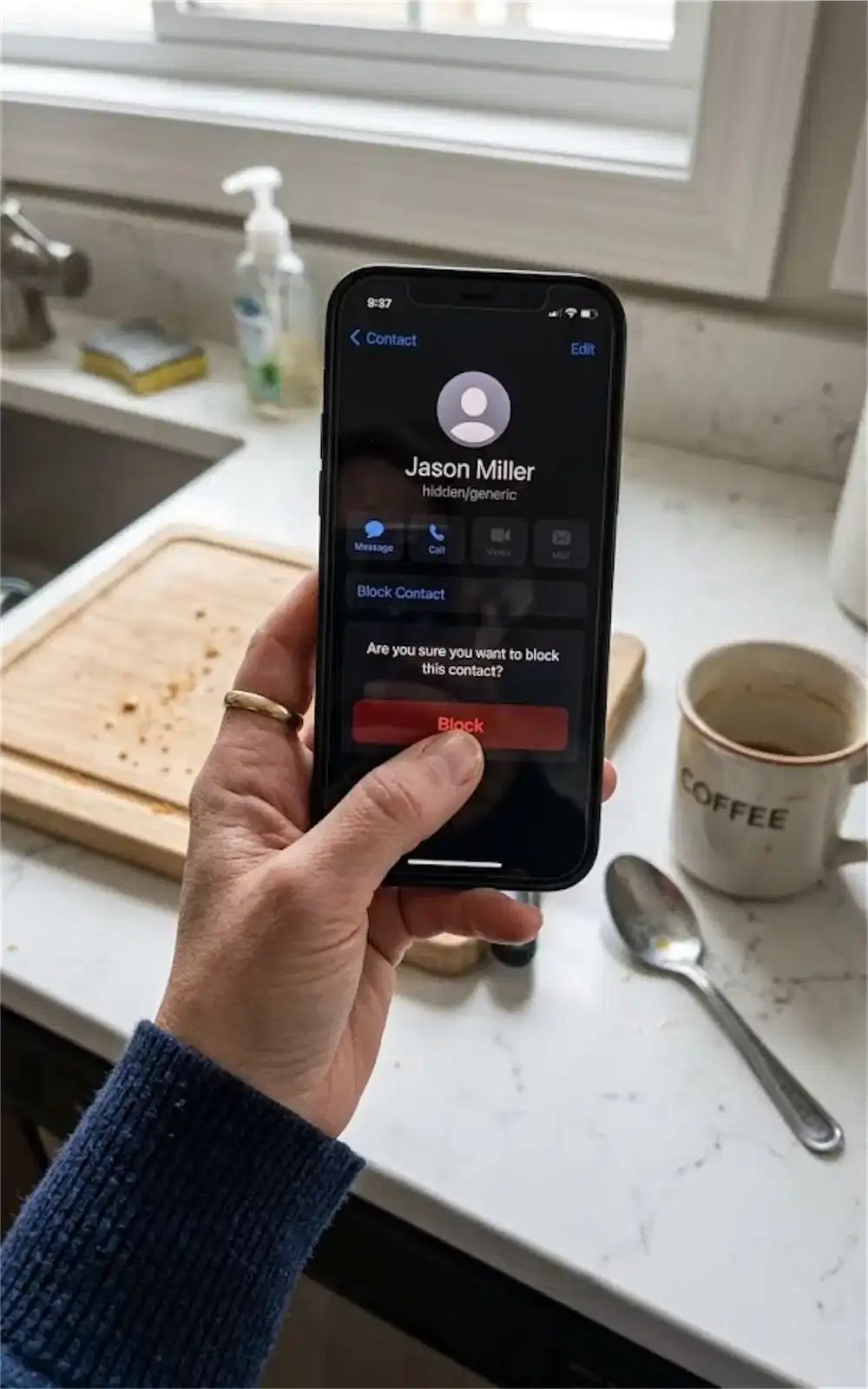
True separation is not just about not calling them; it is a complete digital and physical block. It means blocking their number, restricting their social media, and making sure mutual acquaintances understand your boundaries. If you need a clear structure to handle the early days of this transition, implementing a no contact recovery roadmap can give you the daily focus needed to resist the urge to peek at their profiles.
During my recovery, I had to realize that even accidental updates about my ex from mutual friends would send me into a spiral of anxiety. I had to politely but firmly tell people to please not tell me anything about them. It felt uncomfortable at first, but protecting my peace was far more important than avoiding an awkward conversation. Remember, you are rebuilding a life that was completely dismantled, and you cannot lay a new foundation while the old wrecking ball is still swinging in your living room.
Healing the Self and Rediscovering Your Identity
Once you successfully close the door, the real work of rebuilding begins. In my 12 years of survival mode, I completely forgot what made me happy, what my favorite foods were, and how to relax without waiting for the next argument. It was only through professional therapy and studying codependency that I began to understand how I got trapped in that cycle in the first place.
As you process the grief, you will slowly notice your original, cheerful self starting to return. It is a quiet transition, marked by small moments: enjoying a cup of coffee in a peaceful kitchen, reading a book without interruption, or planning a weekend with long-lost friends. This journey is not about finding someone new to fill the void, but about becoming the safe, loving partner to yourself that you always deserved.
If you feel overwhelmed by the sheer weight of starting over, remember that you do not have to figure everything out today. Taking things one hour at a time is a perfectly valid way to move forward. To help navigate the immediate aftermath of your departure, leaning on a structured toxic breakup survival guide can offer the grounded, practical steps you need to keep moving toward the light.
Stepping away from an abusive dynamic is the hardest decision you will ever make, but it is also the only one that guarantees your freedom. You cannot heal in the same environment that made you sick. Be gentle with your progress, trust the silent space you are creating, and remember that your peace is worth every boundary you have to build. If you are ready to take that definitive step and reclaim your life, grab a copy of The Radical No-Contact Guide & Workbook to help walk you through the journey ahead.

Meet Your Guide
Helen Brooks
After surviving a 12-year NPD/BPD relationship, I dedicated over a decade to studying trauma bonding and nervous system recovery. My mission is to help you break free from the fog and reclaim your authentic self.
Ready to break the trauma bond and reclaim your life?