What Happens to the Golden Child When They Grow Up: Recovery for the “Perfect” Sibling
Understanding what happens to the golden child when they grow up is the first step toward healing from the invisible wounds of a dysfunctional household. While it might seem like the favorite sibling got the best deal, the reality is that the golden child role is a golden cage that stunts emotional growth and self-identity. If you grew up under the constant pressure of being the shining star, you know how heavy that pedestal feels when you can no longer keep up the performance.
During my twelve years in a toxic relationship with a partner who struggled with severe narcissistic and borderline traits, I saw these family patterns play out in real-time. My ex-partner had been the family star, yet beneath that polished surface was a deeply fractured sense of self that could never stop performing for crumbs of validation. It made me realize how childhood conditioning shapes our adult survival mechanisms, leaving us stranded in a sea of codependency.
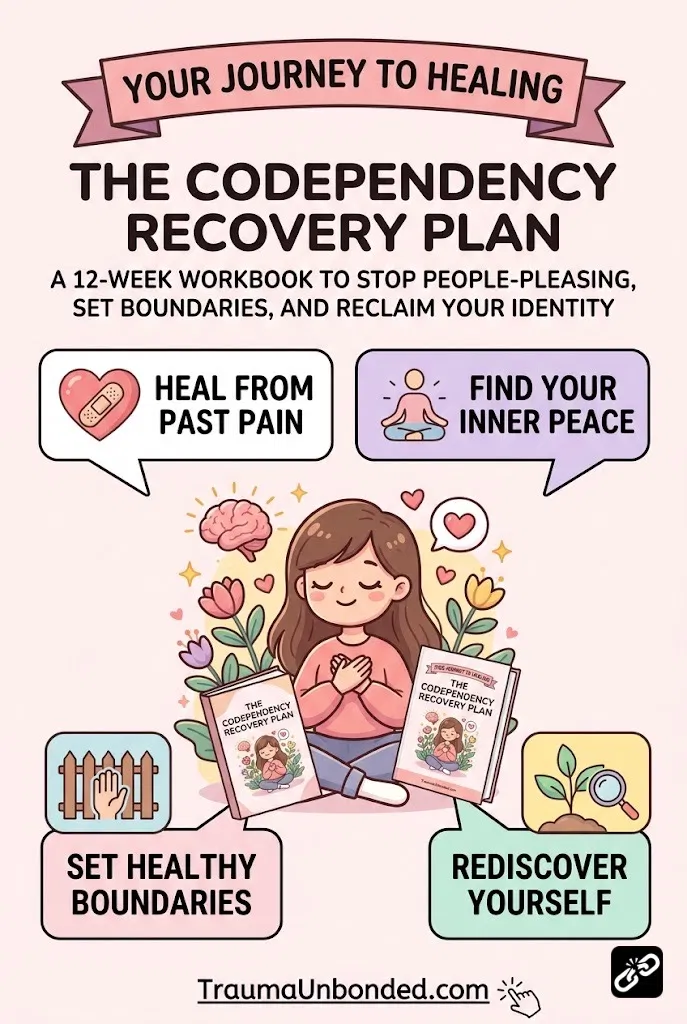
If you are tired of living for everyone else’s approval and feel completely disconnected from your true self, you might need a structured path like The Codependency Recovery Plan to start rebuilding your life from the ground up.
What Happens to the Golden Child When They Grow Up?
When a golden child grows up, they often struggle with chronic people-pleasing, severe anxiety, imposter syndrome, and a complete loss of their true identity due to childhood conditioning that tied their worth solely to achievement.

In a toxic family, the golden child is chosen to reflect the narcissistic parent’s ego. You were likely the straight-A student, the star athlete, or the quiet helper who never caused any trouble. But what felt like love was actually highly conditional approval, which taught you that your needs did not matter unless they served the family image.
As an adult, this translates into a constant, exhausting need to perform. Do you find yourself unable to relax unless you are producing or achieving? That is the lingering echo of a childhood where you were valued for what you did, not for who you were. When the praise stops, you might feel an overwhelming sense of emptiness.
When the spotlight of childhood fades, adult golden children often feel like complete frauds. This deep-seated fear of failure can paralyze you, making even simple decisions feel like high-stakes tests where your entire worth is on the line. You carry the burden of maintaining a perfect image, even when you are breaking down inside.
The Invisible Burden of Golden Child Syndrome in Adults
While the scapegoat sibling bore the brunt of open hostility, the golden child was forced to abandon their authentic self to keep the peace. You had to wear a mask of perfection at all times, which left no room for normal human mistakes or negative emotions. You became an extension of your parents rather than an independent person.
This suppression leads directly to chronic mental health struggles later in life. An article on toxic family dynamics published on Psychology Today notes that children raised under conditional warmth often suffer from profound emotional isolation because they feel nobody truly knows their real self. You learn to hide your struggles because you believe showing weakness will cause you to lose love.
During my own recovery after my toxic relationship ended, I had to unpack why I was so desperately trying to fix everyone around me. I realized that, just like a golden child, I had been conditioned to believe that my only value lay in keeping other people happy at my own expense. I had to learn how to exist without constantly earning my right to take up space.
In the adult world, this pattern manifests in several damaging ways:
- Severe Imposter Syndrome: Believing that if people see the real, imperfect you, they will immediately abandon you.
- Anxiety and Burnout: An inability to set boundaries because saying no feels like a betrayal of your role as the helper.
- Enmeshed Relationships: Attracting partners who exploit your need to perform, leading to a repetitive cycle of toxic dynamics.
To break this cycle, you must first understand your original role within the larger narcissistic family roles. Only by seeing the blueprint of your childhood can you start to rewrite it and build a genuine sense of self.
Unlearning a lifetime of performance-based worth is not something you can do overnight. If you are ready to stop people-pleasing, quiet your inner critic, and build a solid foundation of self-worth that does not depend on being perfect, this targeted workbook is designed specifically to guide you through that exact process.
Steps to Healing as a Recovering Golden Child
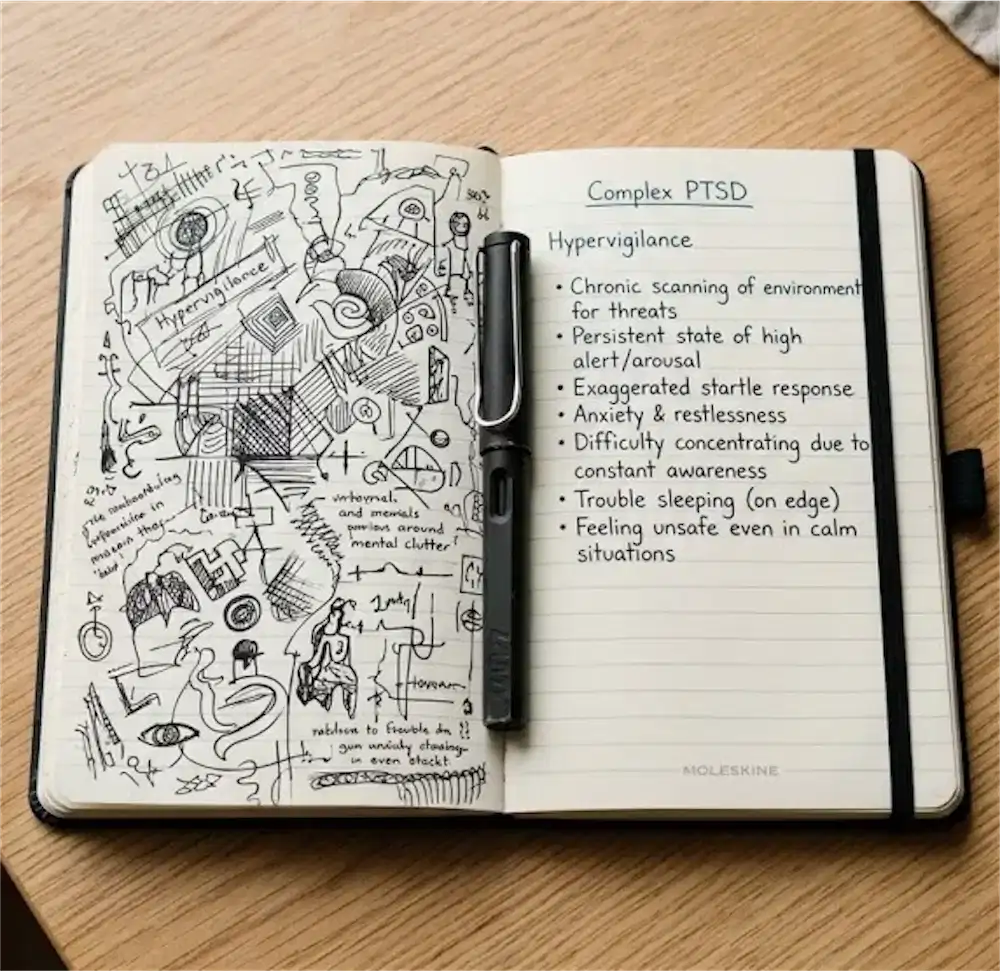
Starting your journey as a recovering golden child requires you to do something that feels incredibly dangerous: embrace your imperfections. When you have spent decades being the good kid who has it all together, admitting that you are struggling can feel like an existential threat.
But true healing does not come from maintaining the facade. It comes from allowing yourself to be messy, raw, and human. Here are the practical shifts you can start making today to reclaim your life:
1. Identify Your Fawn Response
The golden child often survives by adapting a severe trauma response. You learn to read the room, anticipate needs, and mold yourself into whatever the parent or partner wants you to be. Recognizing these fawn response traits is essential to understanding why you constantly put your own needs last.
2. Practice Setting Small Boundaries
You do not have to jump straight into massive confrontations. Start small by saying no to low-stakes requests. Notice the wave of guilt that rises up when you do, and remind yourself that guilt is simply a sign that you are breaking old, toxic rules. To protect your peace, you must learn to set boundaries and stop apologizing for existing.
3. Separate Your Worth from Your Output
Who are you when you are not achieving? If that question terrifies you, it is time to find out. Spend time doing things with absolutely no goal in mind. Paint a bad picture, read a book just for fun, or lie on the grass and do nothing at all to show your nervous system that you are safe when resting.
4. Grieve the Childhood You Deserved
You were forced to grow up too fast, carrying the emotional weight of your parents’ happiness. Grieving the loss of a safe childhood where you were allowed to make mistakes is a vital part of somatic healing. Allow yourself to cry, to feel angry, and to finally release the heavy burden you were never meant to carry.
Rebuilding Sibling Relationships After Narcissistic Abuse
One of the most painful aspects of growing up as the favorite is the wedge it drives between you and your siblings. The narcissistic parent intentionally pits children against each other to prevent a united front. While you were elevated, your brother or sister may have been cast as the family scapegoat, creating a deep sense of guilt and resentment.
As an adult, healing this sibling bond requires immense humility. It means acknowledging that while you did not choose your role, you did benefit from certain privileges within that toxic system. Listening to your sibling’s pain without getting defensive is a massive step toward family recovery, even if you cannot completely fix the past.
Stepping down from the pedestal of the golden child is terrifying, but it is the only way to find your true self. You were never meant to be a trophy or an emotional shield for your parents. By allowing yourself to fail, to set boundaries, and to be beautifully imperfect, you can finally start living a life that belongs entirely to you. If you are ready to take that first step, The Codependency Recovery Plan offers the structured, compassionate guidance you need to reclaim your voice and start living on your own terms.

Meet Your Guide
Helen Brooks
After surviving a 12-year NPD/BPD relationship, I dedicated over a decade to studying trauma bonding and nervous system recovery. My mission is to help you break free from the fog and reclaim your authentic self.
Ready to break the trauma bond and reclaim your life?