High Cortisol Symptoms in Women: How to Lower Toxic Stress
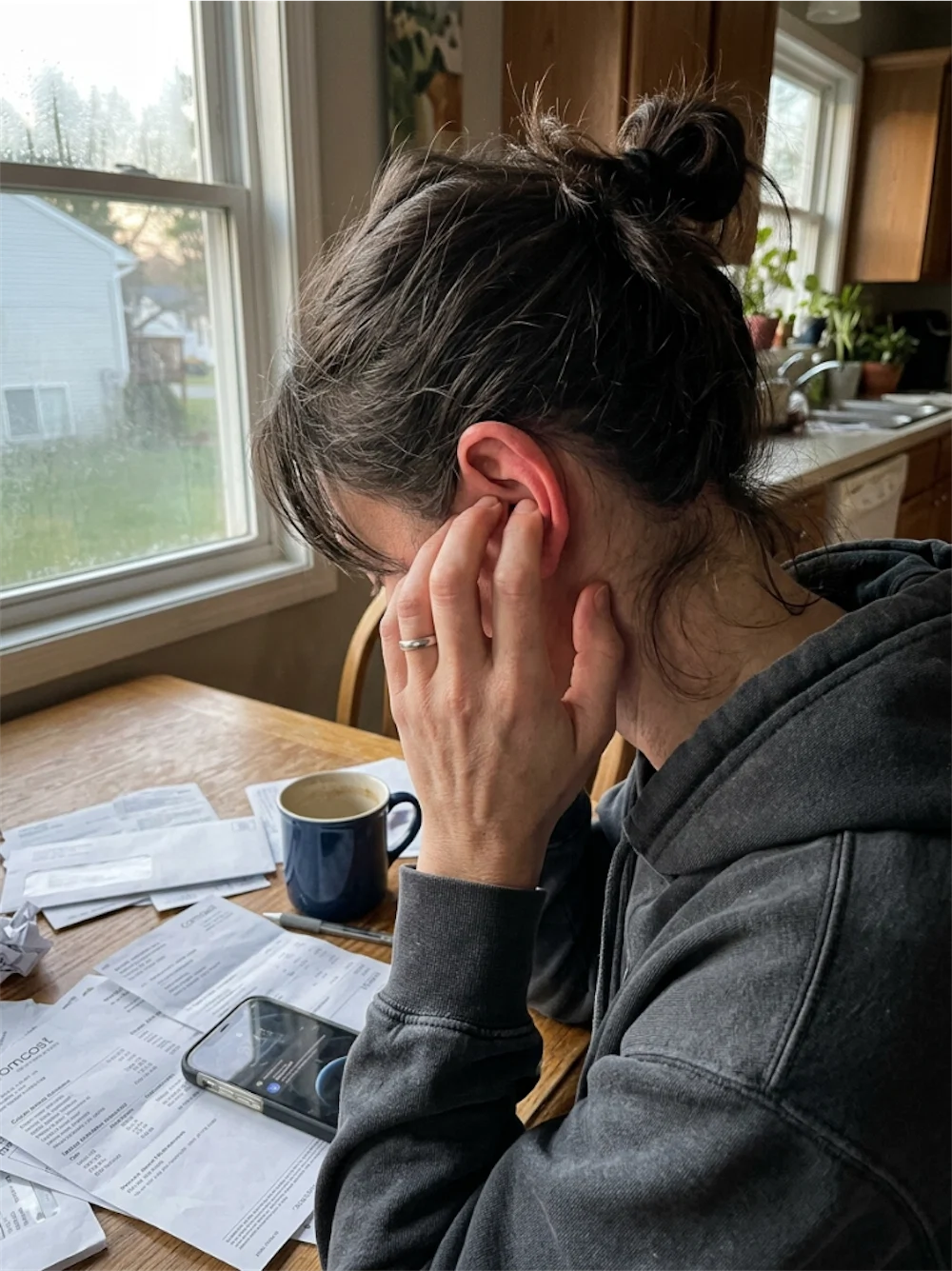
Your body keeps the score. I know that phrase gets thrown around a lot, but I did not truly understand it until I was three months out of a 12-year relationship and my hair was falling out in clumps. My doctor ran labs and the first thing she flagged was my cortisol. It was through the roof. And honestly? It made complete sense.
Living with someone who had both narcissistic and borderline personality traits meant my nervous system was in a constant state of red alert. The unpredictable rage cycles, the gaslighting (which is when someone makes you question your own memory and perception until you stop trusting yourself), the emotional hot-and-cold swings that left me walking on eggshells every single day. My body absorbed all of it. High cortisol symptoms in women often trace back directly to this kind of prolonged, relentless emotional stress.
If you recognize yourself in any of this, I want you to know there is a real biological reason you feel so broken right now. And there is a clear path forward. If you are also dealing with the emotional side of this storm, the Emotional Withdrawal Guide is something that helped me understand what my body and mind were actually going through during those early months.
What High Cortisol Actually Feels Like

Cortisol is your body’s primary stress hormone. In short bursts, it is actually helpful. It gets you out of danger. But when your stress never stops, when the danger is the person sitting across from you at dinner every night, cortisol floods your system around the clock and starts doing serious damage.
Here are the most common symptoms women notice when cortisol has been chronically elevated:
- Unexplained weight gain, especially around the belly – not because you are eating more, but because cortisol triggers fat storage
- Sleep disruption – you are exhausted but cannot fall asleep, or you wake at 3am with your heart pounding
- Brain fog and memory problems – forgetting words mid-sentence, losing your train of thought constantly
- Hair thinning or loss – this was my personal alarm bell
- Irregular periods or worsened PMS – cortisol directly disrupts sex hormone balance
- Digestive problems – bloating, IBS flares, nausea with no clear cause
- Skin breakouts in adulthood – adult acne that seems tied to emotional stress
- Chronic fatigue despite sleeping enough – the kind of tired that does not go away with rest
- Anxiety that feels physical – a tight chest, shallow breathing, a low hum of dread that never fully lifts
Reading that list, does any of it sound familiar? For me, it was almost all of them. And for years I thought something was just wrong with me. I did not connect it to the relationship until I was out of it.
Why Toxic Relationships Spike Cortisol So Severely
Here is the thing about a relationship with a narcissist or someone with BPD traits. The stress is not occasional. It is structural. Meaning the relationship is built in a way that keeps you in a permanent state of low-grade threat.
Intermittent reinforcement is the pattern where affection and cruelty alternate without any predictable rhythm. One day they are warm and loving, the next they are cold and punishing, and you never know which version you will get. This pattern is genuinely one of the most psychologically destabilizing things a human can experience. Your body responds to that unpredictability the same way it would respond to a physical threat. Cortisol spikes. Over and over.
Add to that the constant emotional labor of hypervigilance, which means scanning every room you enter, every tone of voice, every slight change in facial expression for signs of danger. I did this for twelve years without even realizing it. My nervous system never got a break. You can learn more about how toxic relationship health symptoms show up in the body, because most people have no idea how physically real this damage is.
The link between chronic stress and inflammation after abuse is well documented, and understanding it helped me stop blaming myself for feeling so physically wrecked.
How to Start Lowering Cortisol After Toxic Stress
I want to be real with you. There is no supplement or morning routine that will fix this while you are still in the relationship, or while you are in the raw early days of leaving. Safety and distance come first. But once you have some separation, here is what actually worked for me, backed by both personal experience and what my therapist walked me through.
1. Regulate Your Nervous System Through Breath
Slow, extended exhales directly lower cortisol. This is not woo-woo advice. Your exhale activates the parasympathetic nervous system, which is the biological off-switch for your stress response. The simplest version: breathe in for 4 counts, hold for 4, breathe out for 6 to 8 counts. Do this for five minutes in the morning before you check your phone.
I started doing this in my car before going inside after work. It sounds small. It genuinely helped.
2. Protect Your Sleep Like It Is a Medical Priority
Cortisol follows a daily rhythm, and it is supposed to be highest in the morning and drop by evening. When you are chronically stressed, that rhythm gets scrambled. Poor sleep then makes cortisol worse the next day, and you end up in a loop.
A consistent sleep and wake time matters more than most people realize. Cutting screens an hour before bed, keeping the room cool and dark, and adding a small calming ritual like herbal tea or light stretching can genuinely start to reset that cortisol rhythm over time.
3. Move Your Body Without Punishing It
Exercise lowers cortisol. But here is the nuance: very intense exercise actually spikes cortisol temporarily, which is fine for a healthy body but can be too much for an already depleted one. Walking, gentle yoga, swimming, and light strength training are your best friends right now. Not punishment workouts. Not “push through the pain.” Gentle, consistent movement that your body experiences as safe.
I started with thirty-minute walks in my neighborhood. Nothing heroic. But it changed something in me week by week.
4. Feed Your Adrenal Glands
Your adrenal glands produce cortisol, and after years of overdrive they can become depleted and dysregulated. Magnesium, vitamin C, B vitamins, and adequate protein are foundational here. Skipping meals and relying on caffeine, which I absolutely did for most of those twelve years, keeps cortisol artificially elevated.
A breakfast with real protein within an hour of waking is one of the most underrated cortisol-lowering habits you can build. It stabilizes blood sugar, which directly prevents cortisol spikes.
5. Address the Root Cause, Not Just the Symptoms
This is where I want to be direct with you. No amount of supplements or yoga will fully lower your cortisol if you are still living in a state of emotional threat. Whether that means still being in the relationship, still engaging with someone who destabilizes you, or still carrying unprocessed trauma in your body, the root stress has to be addressed.
Therapy was non-negotiable for my recovery. So was learning about the trauma bond, the biochemical addiction to chaos and cruelty that forms in these relationships. Understanding why my body craved someone who hurt me helped me stop blaming myself for not leaving sooner.
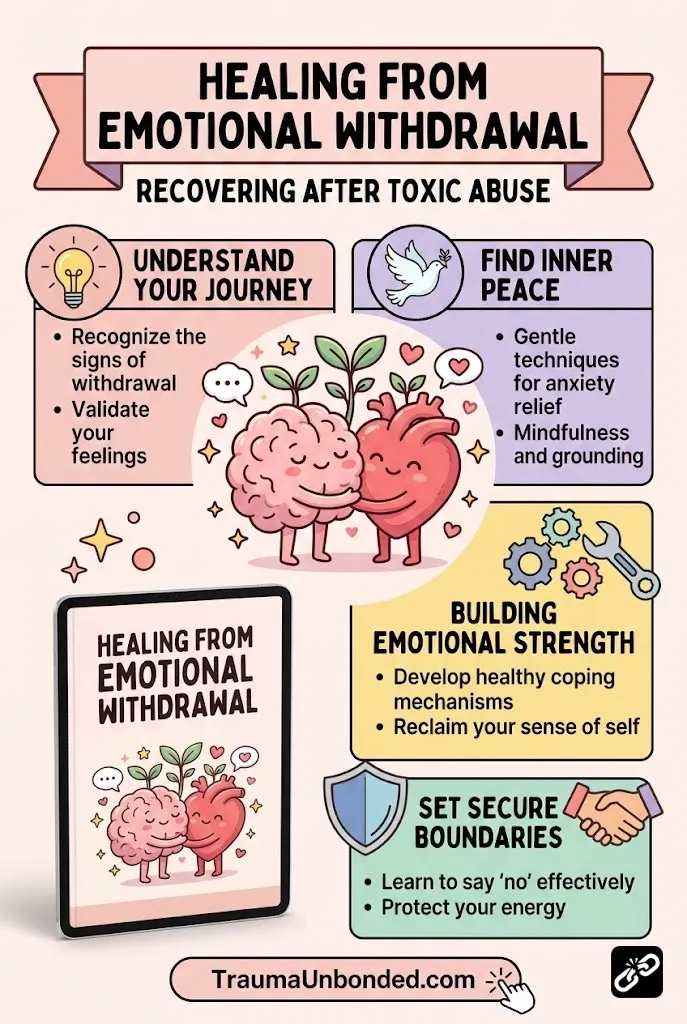
If your cortisol symptoms feel connected to what happened in your relationship and you want a structured way to start healing the emotional side, this resource was genuinely one of the most helpful things I found in my own recovery journey:
Your Body Was Responding Rationally to an Irrational Situation
One of the most healing realizations I had in therapy was this: my body was not broken. It was doing exactly what a healthy human body does when it lives in a war zone. High cortisol was the correct biological response to genuine, ongoing danger. The problem was that the danger wore a familiar face and called itself love.
Healing your cortisol levels is not just a physical project. It is an act of trusting yourself again. Trusting that you are now safe enough to let your guard down. Trusting that you do not need to scan the room anymore.
That trust comes back slowly. Mine did. But it comes back.
Start with one thing this week. One breath practice, one protein breakfast, one earlier bedtime. Your nervous system does not need a dramatic overhaul. It needs consistent, quiet proof that you are safe now. Over time, your cortisol will follow. And so will your hair, your sleep, your focus, and eventually, your sense of yourself again. If you want structured support for that journey, the Emotional Withdrawal Guide is a solid place to begin.

Meet Your Guide
Helen Brooks
After surviving a 12-year NPD/BPD relationship, I dedicated over a decade to studying trauma bonding and nervous system recovery. My mission is to help you break free from the fog and reclaim your authentic self.
Ready to break the trauma bond and reclaim your life?