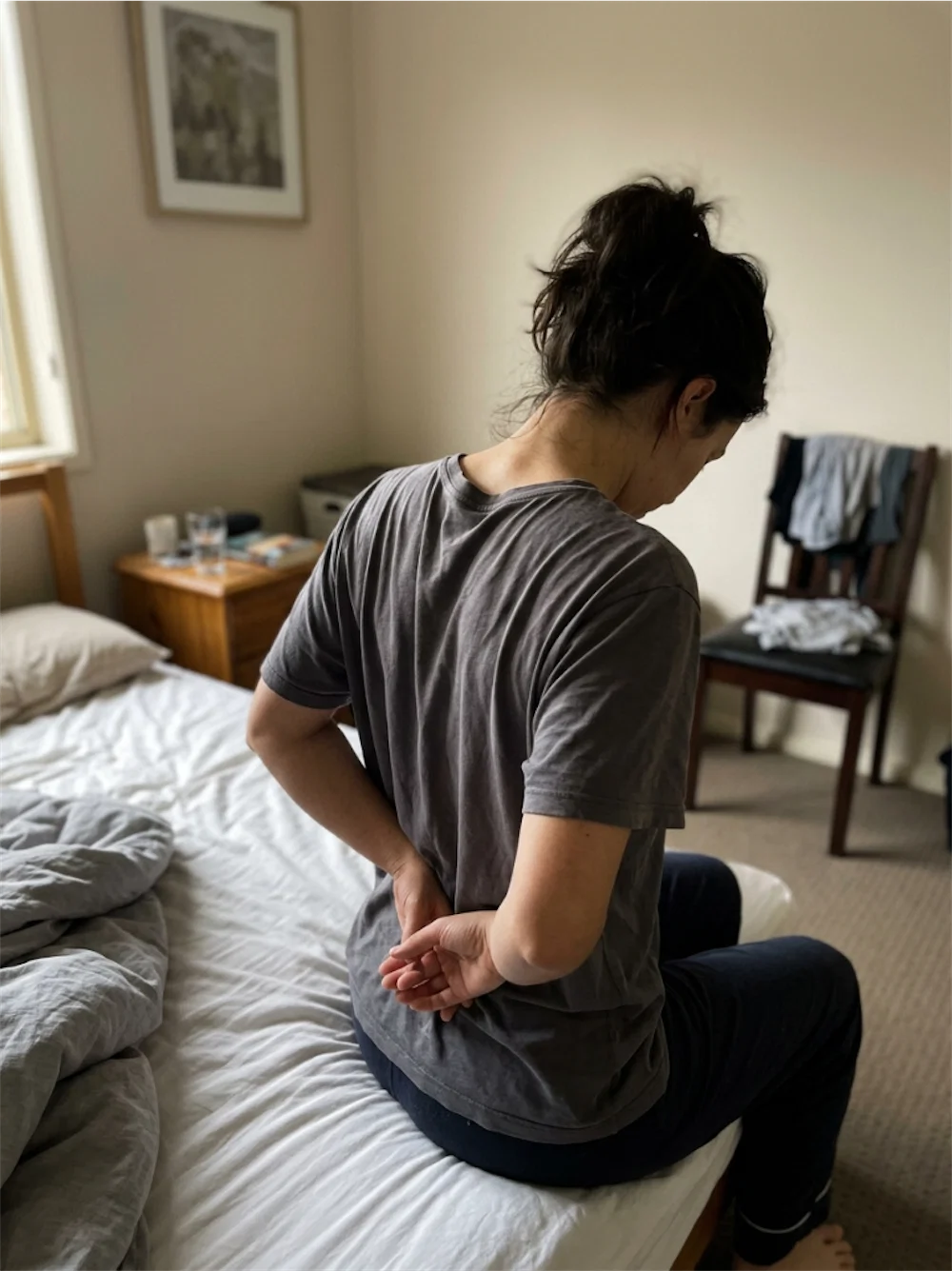
Why Trauma Causes Sudden Weight Gain Around the Midsection: Cortisol and Belly Fat
Understanding why trauma causes sudden weight gain around the midsection and how cortisol and belly fat are linked is often the final piece of the recovery puzzle for survivors. When I escaped my 12-year toxic relationship with a partner who exhibited severe narcissistic and borderline personality traits, I was utterly devastated. I was isolated from my closest friends, had completely abandoned my hobbies, and felt like my life was deeply miserable. But on top of the emotional wreckage, I watched my body change in ways I could not explain, experiencing a rapid accumulation of stubborn weight right around my waistline.
If you are struggling with this same physical shift, please know you are not alone, and your body is not failing you. For years, I tried to starve myself and run on a treadmill for hours to fix what I thought was laziness, only to watch the scale climb higher. It was only when I began reading about physical health symptoms of a toxic relationship that I understood my survival brain was keeping me physically padded. To stop this cycle, utilizing a body-based approach like The Somatic Trauma Reset is what finally allowed my nervous system to feel safe enough to let go of the excess weight.
Why does the body react to emotional trauma by storing fat in such a specific place? When you live in a constant state of threat, your endocrine system undergoes a massive shift. This article will explain the physiological connection between chronic stress, high cortisol, and abdominal weight gain, while offering gentle, non-punishing ways to restore your physical health.
Why Trauma Causes Sudden Weight Gain Around the Midsection
Trauma causes sudden weight gain around the midsection because chronic nervous system survival states trigger the continuous release of cortisol, a stress hormone that signals the body to store visceral fat around vital organs for protection. This evolutionary survival mechanism prioritizes fat accumulation near the liver and heart to ensure quick energy access during prolonged periods of high stress.

When you spend years walking on eggshells, your brain does not distinguish between a physical predator in the wild and the psychological terror of a toxic partner. In my long-term toxic relationship, the threat was constant. The daily gaslighting, silent treatments, and sudden rages kept my autonomic nervous system locked in a permanent fight-or-flight response. Your body views this prolonged emotional danger as a physical threat to your life, responding by preparing for a long famine or conflict.
To prepare for this perceived survival crisis, your system shifts resources away from digestion, immune function, and cellular repair. Instead, it directs all energy toward immediate survival, which includes storing quick-access fuel. This survival fuel is deposited directly as visceral fat. Unlike subcutaneous fat, which sits just under the skin, visceral fat wraps tightly around your internal organs in your abdominal cavity, leading to what many survivors call a stress belly or trauma belly bloating.
The Chemistry of Survival: High Cortisol and Belly Fat
The primary culprit behind this sudden weight gain is cortisol, a glucocorticoid hormone produced by your adrenal glands. When you are chronically stressed, your cortisol levels remain elevated for weeks, months, or even years. This persistent hormonal flood has a direct, negative impact on your fat cells. Abdominal fat cells have up to four times more cortisol receptors than fat cells located in other parts of your body, such as your legs or arms. This makes your stomach a biological magnet for fat storage whenever stress levels spike.
This biological reaction creates a cascade of metabolic issues that make weight management incredibly difficult:
- Insulin Resistance: Chronic cortisol elevation spikes your blood sugar levels to give your muscles quick energy to run. Over time, your cells stop responding to insulin, forcing your body to store glucose directly as fat.
- Muscle Breakdown: High cortisol is catabolic, meaning it breaks down lean muscle tissue to convert it into glucose. Less muscle means a slower resting metabolic rate.
- Intense Cravings: Cortisol directly signals your brain to seek out high-calorie, sugary, and fatty comfort foods. Your biology is telling you to carb-load to survive a crisis, completely overriding your willpower.
If you have noticed these symptoms, you may also want to explore a comprehensive list of high cortisol symptoms in women to see how deeply your nervous system has been affected by psychological stress. It is a biological survival cycle, not a personal failure.
Why Standard Weight Loss Strategies Fail After Trauma
Why do normal diets and rigorous workout routines fail when you are recovering from trauma? In my own recovery, I initially tried severe calorie restriction and heavy cardiovascular workouts. I was desperately trying to regain control over my changing body, but my stomach only grew softer and rounder. What I did not realize was that pushing my body through intense physical stress was only adding fuel to the hormonal fire.
To an already exhausted, hypervigilant nervous system, a severe caloric deficit feels like a famine, and intense aerobic exercise feels like running from a predator. Both actions signal the adrenal glands to release even more cortisol, which locks your body into a protective holding pattern. Your system actively resists burning fat because it believes it is in extreme danger. Understanding this shift is vital to changing your approach to healing.
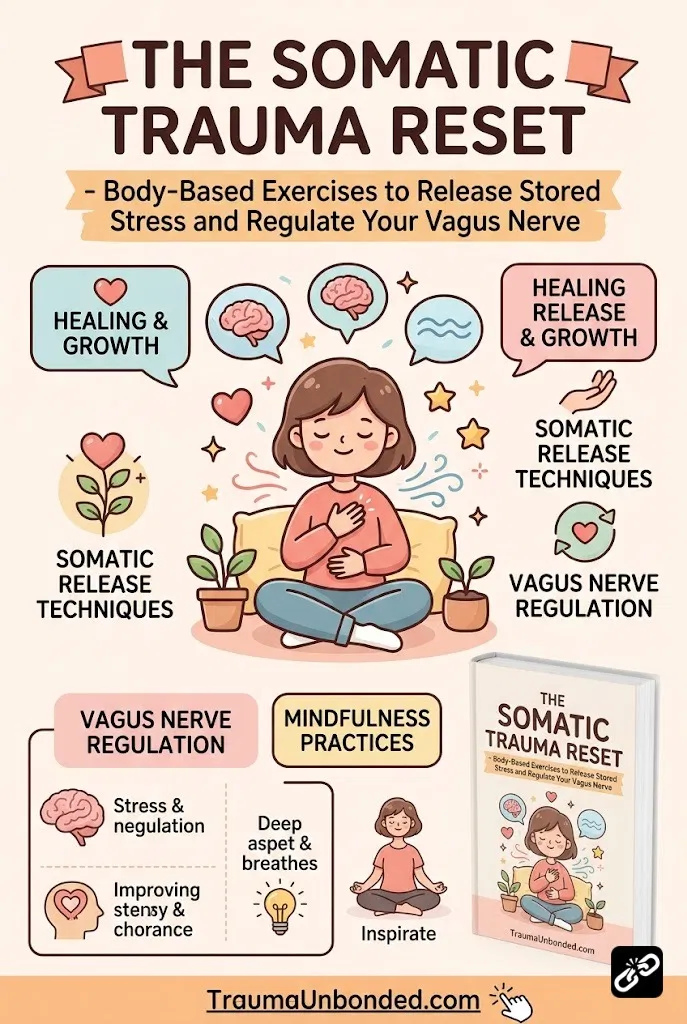
To stop this cycle of stress-induced weight gain, you must communicate physical safety to your brain. This requires moving away from aggressive workout programs and shifting toward body-based regulation that calms your adrenals. If you are ready to gently guide your body out of survival mode and let go of stored physical trauma, check out this targeted somatic workbook designed to regulate your system naturally.
Reversing Trauma-Induced Midsection Weight Gain

To reverse the physiological changes caused by a long-term toxic relationship, you must focus on soothing your nervous system rather than punishing your muscles. Releasing the protective layer around your stomach starts by lowering your baseline stress levels. According to research on visceral fat and stress published in Harvard Health Publishing, visceral fat is highly sensitive to changes in stress hormones, meaning that reducing daily cortisol production is the most direct way to reduce abdominal storage.
Instead of jumping into intense training programs, try adopting these gentle, restorative habits to help your body feel safe again:
- Embrace Gentle Movement: Trade exhausting cardio for slow walking, restorative yoga, or somatic stretching. These low-intensity movements burn energy without triggering a panic response in your adrenals.
- Prioritize Sleep and Rest: Sleep is when your body regulates cortisol. Focus on creating a calming evening routine and aim for seven to nine hours of high-quality, uninterrupted rest.
- Regulate Your Vagus Nerve: Your vagus nerve is the main highway of your parasympathetic nervous system. Engaging in deep diaphragmatic breathing, cold water splashes on your face, or gentle humming can help flip your body from survival mode to rest-and-digest mode.
Gentle Recovery Leads to True Healing
When I was in the worst of my recovery, I felt disconnected from my physical self, as if my body had betrayed me. It took time, professional therapy, and deep self-compassion to realize that my body was actually trying to protect me. The extra padding around my midsection was a physical shield, a direct manifestation of the toxic stress I had endured for twelve long years.
As you begin to heal your mind, your nervous system will naturally follow, and your physical body will slowly release the defensive weight it no longer needs. Be patient with this process, treat your body with immense kindness, and remember that you are building a new, peaceful life from the ground up. To support your physical and emotional recovery journey, explore body-based practices with The Somatic Trauma Reset, allowing your nervous system to fully let go of the past.

Meet Your Guide
Helen Brooks
After surviving a 12-year NPD/BPD relationship, I dedicated over a decade to studying trauma bonding and nervous system recovery. My mission is to help you break free from the fog and reclaim your authentic self.
Ready to break the trauma bond and reclaim your life?