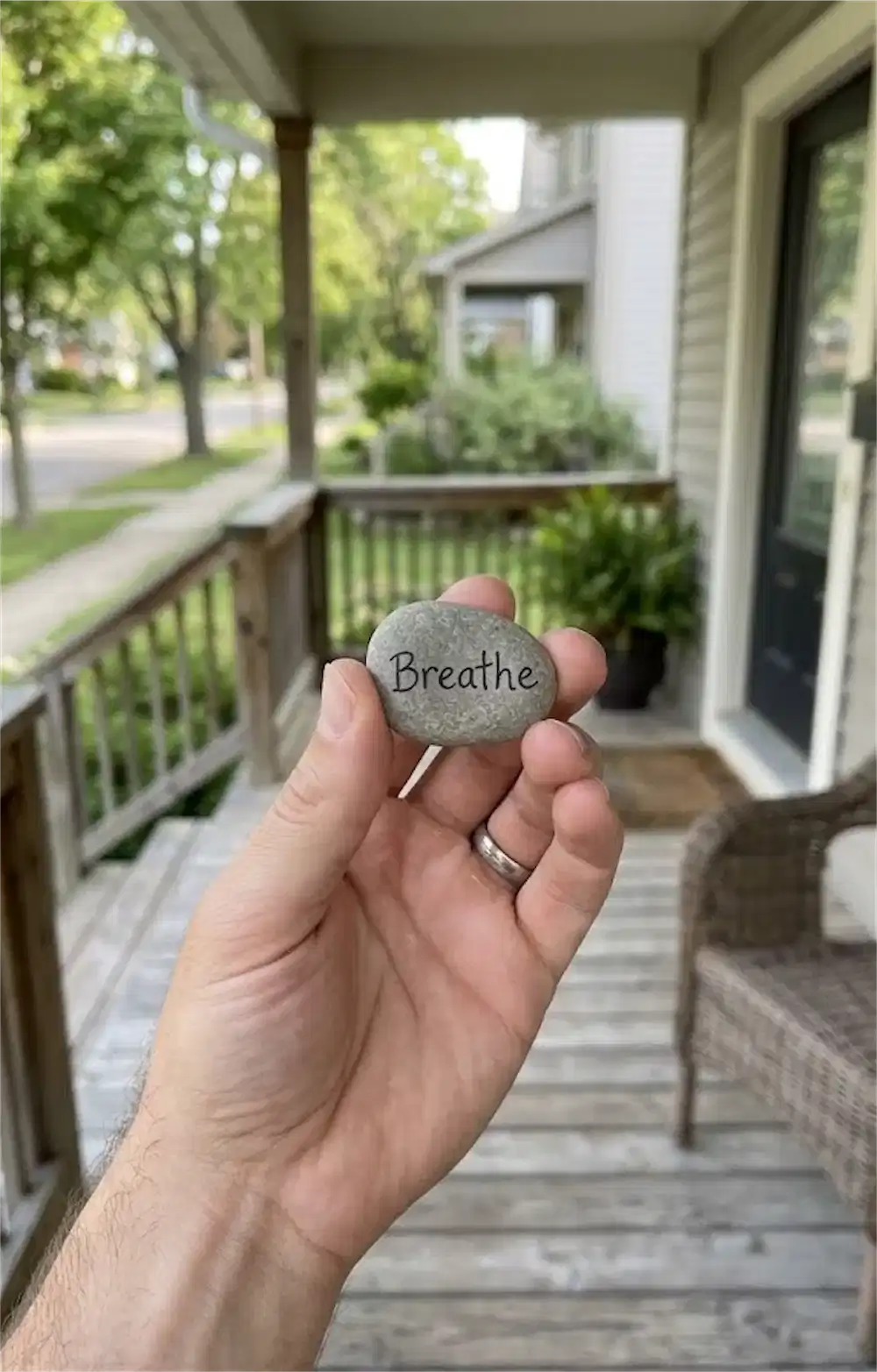
Why Narcissistic Abuse Causes Chronic Jaw Clenching (And How to Release TMJ Tension)
Why narcissistic abuse causes chronic jaw clenching is a painful puzzle that many survivors struggle to piece together long after escaping a toxic relationship. If you constantly wonder why does my jaw hurt after stress or feel a tight, painful grip in your face every morning, your body is speaking to you. This persistent physical pain is a direct manifestation of somatic tension in jaw after toxic relationship dynamics that kept your nervous system on high alert.
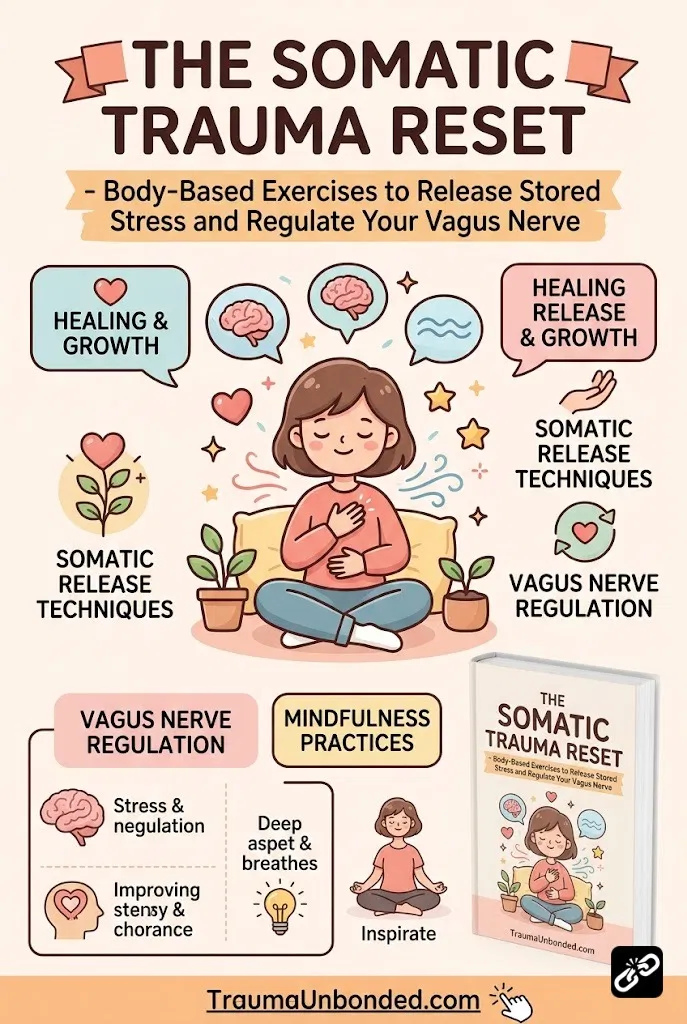
During my own twelve years with a partner who displayed severe narcissistic and borderline traits, I woke up every morning feeling as though my teeth had been welded together. I was isolated from my friends, completely disconnected from my hobbies, and felt entirely miserable. To help my body release this protective freeze, I began using The Somatic Trauma Reset, which became a foundational tool for teaching my nervous system how to feel safe enough to finally let go of the physical armor.
Your jaw holds onto unexpressed words, swallowed anger, and the sheer terror of walking on eggshells. Let us explore why this happens and look at the actual somatic tools you can use to start healing your TMJ pain today.
Why Narcissistic Abuse Causes Chronic Jaw Clenching
Narcissistic abuse causes chronic jaw clenching because the continuous stress of walking on eggshells triggers a prolonged fight-or-flight response, forcing the masseter muscle to brace for impact. This protective physical reaction, known as trauma armoring, results in severe temporomandibular joint (TMJ) tension, teeth grinding, and chronic facial pain.

Living in a state of constant anxiety alters your posture, your breathing, and how your facial muscles behave. When you are subjected to daily gaslighting, manipulation, and volatile mood swings, your brain perceives your environment as highly dangerous. To protect yourself from verbal attacks, you learn to bite your tongue and swallow your emotions, forcing the jaw muscles to stay constantly contracted.
Over time, this habitual contraction overworks the masseter muscle, which is one of the strongest muscles in your entire body. According to educational resources on TMJ from Harvard Health Publishing, psychological stress is a major contributor to temporomandibular joint disorders because it increases muscle activity and daytime teeth clenching. When you cannot physically run away from the threat in your own home, your body stores that defensive energy directly in your face and neck.
Did you notice yourself holding your breath or clenching your teeth during arguments with your former partner? That subconscious reaction is your body preparing for a blow, whether physical or emotional. It is a biological survival mechanism that unfortunately persists long after you have walked away from the relationship.
Understanding Trauma Armoring and Muscle Guarding
Your body uses a process called trauma armoring to build physical defenses against emotional pain. Think of your jaw as a physical shield. When you are forced to remain quiet to maintain peace, your subconscious mind sends a message to lock down your mouth, creating a tight physical barrier to prevent you from screaming or crying out.
This localized bracing is why you might experience other unexplained physical health symptoms of a toxic relationship, including severe neck pain, shoulder tension, and chronic migraines. When I was in my toxic relationship, I did not connect my constant dental pain to the emotional terror I was experiencing. I assumed I simply had poor sleep habits, when in reality, my body was attempting to survive the psychological war zones of my daily life.
Do you find yourself constantly checking if your upper and lower teeth are touching? If your teeth are resting together right now, your jaw muscles are working when they should be resting. Healthy jaw alignment means your teeth should only touch when you are actively chewing or swallowing, leaving a small, relaxed gap of air between them the rest of the day.
If you want to move beyond basic stretching and actually teach your nervous system how to release this deep trauma armor, you need a structured, daily approach. I designed a specialized guide specifically for resetting your body’s survival responses and calming the vagus nerve so you can wake up without that painful, locked feeling.
Somatic Exercises for Narcissistic Abuse TMJ Relief

To experience real relief, you must bypass your analytical mind and communicate directly with your nervous system. Standard dental mouthguards can prevent tooth wear, but they do not stop the underlying subconscious muscle contractions. Here are some of the most practical physical techniques you can perform at home to address narcissistic abuse TMJ relief and untangle your chronic tension.
- The Intraoral Masseter Release: Wash your hands thoroughly. Place your right thumb inside your mouth, resting it against the inside of your left cheek, while your pointer finger supports the outside of your cheek. Gently squeeze the thick masseter muscle between your fingers, moving up and down to find tender knots, and hold light pressure until the muscle begins to melt.
- The Vagus Nerve Ear Massage: The vagus nerve coordinates your body’s rest and digest response, and its branches run very close to your outer ear canal. Gently rub the hollow of your ear just outside the canal using circular motions to send safety signals directly down to your brain stem.
- The Slack-Jaw Sigh: Inhale slowly through your nose, and as you exhale, let your mouth fall open completely limp. Let out a vocalized sighing sound like “ahhhh” to release the vocal cords and throat muscles that have been braced for years.
Incorporating specific yoga poses to release tension in the jaw and throat can also provide remarkable relief. Combining deep physical stretches with somatic breathing helps re-educate your nervous system that the danger has passed and it is safe to loosen your defenses.
Reclaiming Your Voice and Releasing Locked Emotions
There is a powerful psychological connection between your jaw and your personal boundaries. When you spend years avoiding conflict with a highly volatile partner, you learn to silence your own needs. Every time you swallow a boundary or hold back your truth to avoid a rage cycle, that trapped emotional energy translates into physical tension.
Learning how to release trauma jaw clenching requires you to work on both the physical body and your psychological boundaries. After my relationship ended, my healing journey involved learning to speak up again, expressing my feelings honestly without fear of retaliation, and saying “no” without guilt. As I rebuilt my life, found my old hobbies, and reconnected with supportive friends, the literal grip on my jaw began to loosen.
Are you still holding back your words out of habit? Your body remembers the silence even if your mind is trying to move on. Giving yourself permission to sing, hum, speak your truth, or even cry without holding back is just as important as any physical massage.
Reclaiming Your Peace and Physical Freedom
Your locked jaw is not a sign of weakness, but a profound proof of how hard your body fought to protect you. Healing this somatic tension takes time, gentle patience, and a willingness to show your nervous system that the threat is truly gone. You deserve to live in a body that feels relaxed, light, and free from the heavy armor of the past.
If you are ready to begin releasing this physical armor and resetting your nervous system, exploring body-based practices is a supportive next step. You can access the structured, easy-to-follow exercises I used to heal my own chronic tension in The Somatic Trauma Reset. Take a deep breath, let your jaw drop open, and allow your body to begin its journey back to safety.

Meet Your Guide
Helen Brooks
After surviving a 12-year NPD/BPD relationship, I dedicated over a decade to studying trauma bonding and nervous system recovery. My mission is to help you break free from the fog and reclaim your authentic self.
Ready to break the trauma bond and reclaim your life?