How to Rebuild Eye Contact Comfort After Years of Gaslighting and Abuse
Learning how to rebuild eye contact comfort after years of gaslighting and abuse is one of the most unexpected hurdles of recovery. Many survivors ask themselves, why can’t I make eye contact after emotional abuse without feeling a deep sense of dread? If you struggle with eye contact anxiety after narcissistic relationship patterns, your body is simply remembering the constant scrutiny of a toxic partner. In my own 12-year toxic relationship with a partner who showed severe NPD and BPD traits, eye contact was never safe. Looking them in the eye meant risking a sudden outburst, scanning for subtle shifts in their expression, or enduring a cold stare that made me feel utterly invisible.
When that relationship finally ended, I was completely devastated, cut off from my closest friends, devoid of hobbies, and convinced my life would always feel miserable. Through professional therapy, facing my codependency, and learning how to break trauma bonds, I slowly returned to my original self: a cheerful, optimistic, and grounded person. During that healing journey, I discovered that reclaiming my gaze was central to healing from gaslighting and rebuilding trust in my perception, allowing me to finally feel safe in my own skin again.
Why Does Abuse Make Eye Contact Feel So Terrifying?
Eye contact anxiety after emotional abuse is a protective survival response of a dysregulated nervous system that associates direct gaze with threat, judgment, or shame. Reclaiming your gaze requires somatic pacing and grounding techniques that slowly teach your brain that looking and being seen are safe once again.
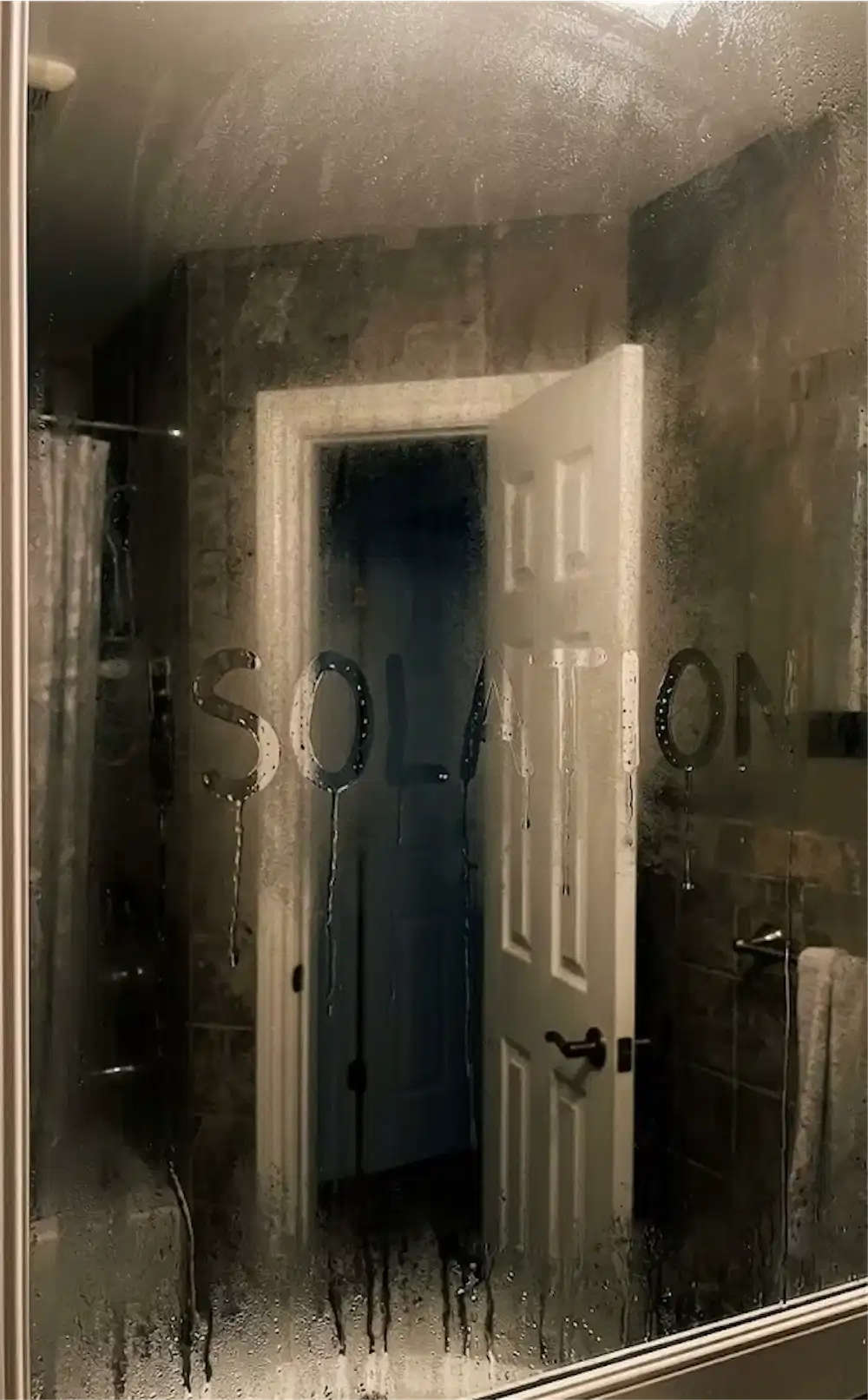
When you spend years living with a highly manipulative partner, your brain adapts to survive. Did you know that a direct gaze can actually trigger your body’s alarm system? According to research published in PMC, interpersonal trauma causes direct eye contact to trigger a subcortical alarm system in the brain, activating areas like the periaqueductal gray that manage primitive defensive behaviors.
In simpler words, looking someone in the eye literally registers as a physical threat to your nervous system. In my relationship, eye contact was used as a weapon of control. If I looked away, I was accused of lying; if I looked directly at them, I was accused of being aggressive. This double bind creates intense shame and chronic hypervigilance. You can read more about how this chronic stress reshapes your body in my lessons from a 12-year toxic relationship.
Somatic Grounding Exercises for Restoring Comfort
To overcome eye contact anxiety, you cannot simply force yourself to stare at people. Your nervous system will interpret that forced effort as a threat, sending you into a freeze or panic state. Instead, you must gently soothe your body from the bottom up. One of the most helpful ways to do this is to learn how to regulate your vagus nerve after emotional abuse. When you feel the familiar surge of panic during a conversation, try these somatic practices:
- The Peripheral Gaze: Instead of focusing intensely on the other person, consciously soften your eyes and allow your awareness to expand to the room around you. This physically signals to your brain that there are no immediate threats in your space.
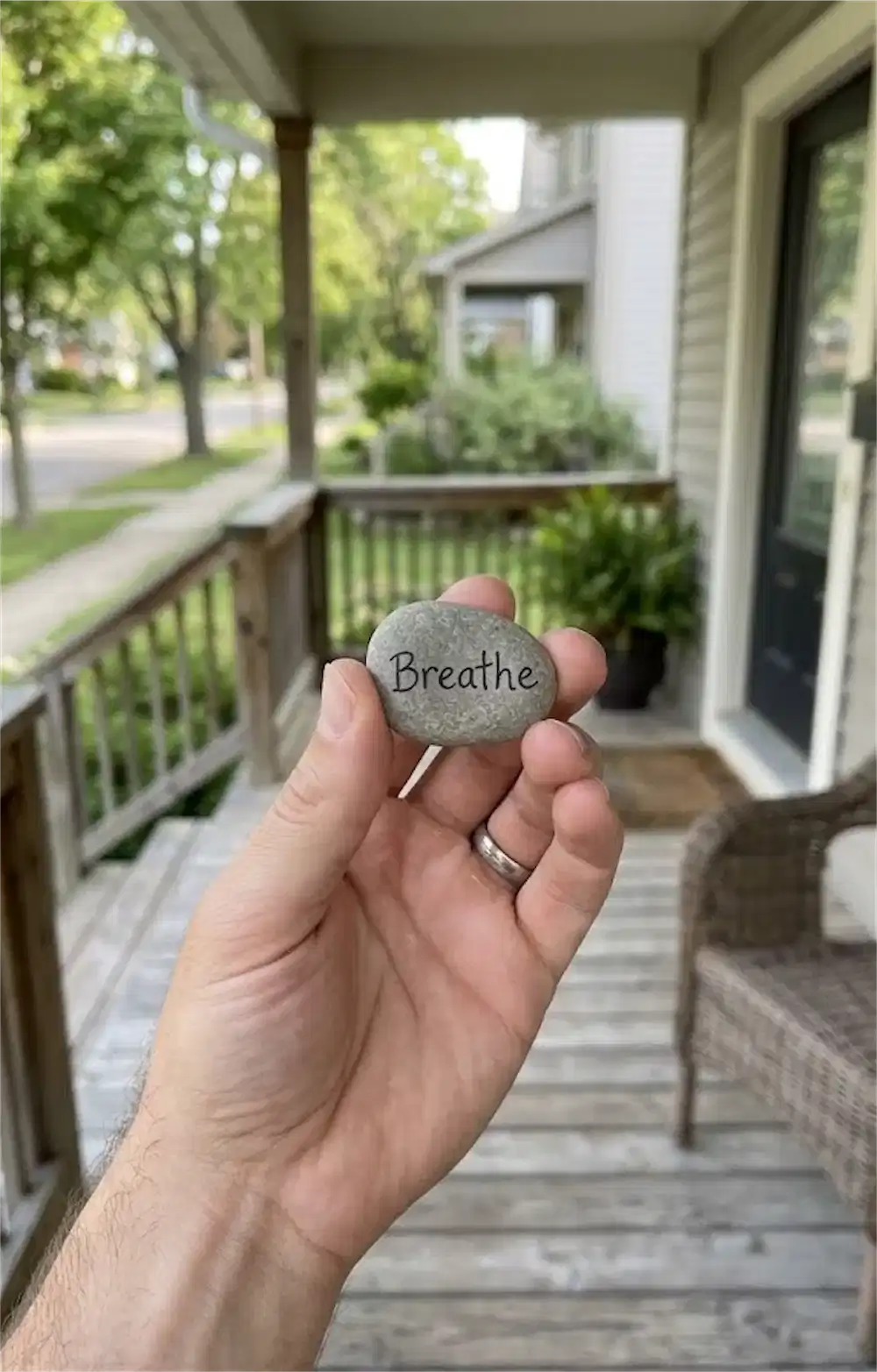
- Tactile Anchoring: Keep a small, cold stone or textured object in your pocket. As you talk to someone, gently press your fingers against the object to anchor your mind to the physical present.
- The Three-Second Release: Allow yourself to look at a person’s eyes for just three seconds, then naturally look away at a neutral object in the room while exhaling slowly.
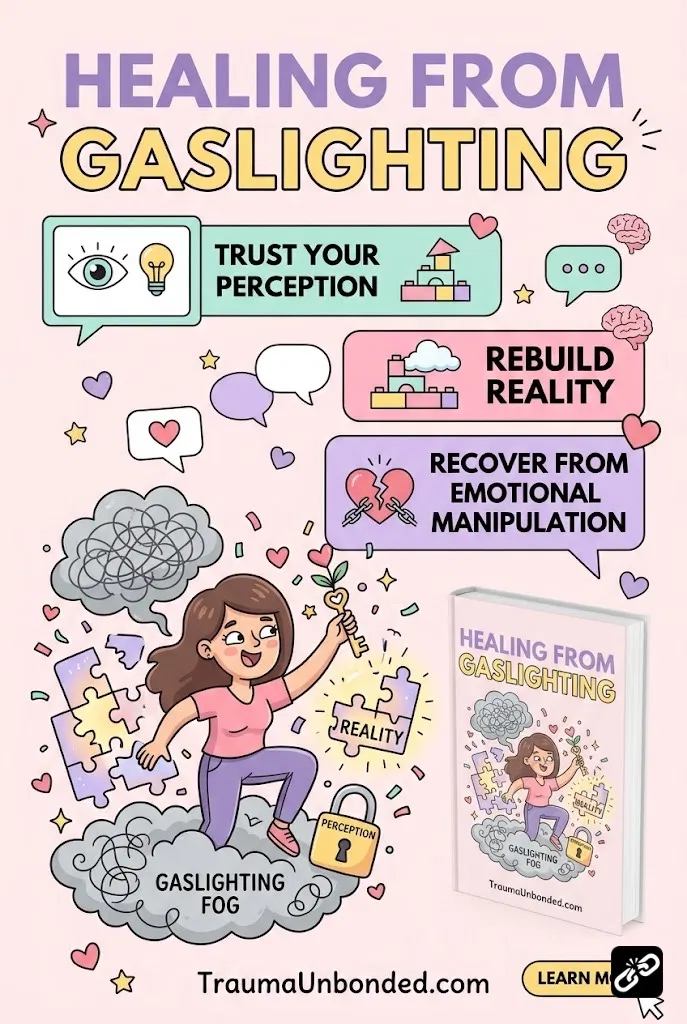
Rebuilding your life after being systematically broken down by gaslighting is a journey that requires deep, structured support. If you are struggling to trust your own senses, remember your own memories, or feel safe looking others in the eye, you need a step-by-step roadmap to reclaim your sanity. Our comprehensive workbook is designed to help you undo the mental knots of manipulation and stand strong in your own truth.
Step-by-Step Training to Rebuild Eye Contact Comfort
Once your body feels slightly more grounded, you can begin to slowly retrain your brain to associate human connection with safety rather than punishment. Remember to be gentle with yourself; this is not a race, and your progress will have natural ups and downs. How do you start training your brain in low-stakes environments? Here is a practical framework:
- Practice on Screens: Start by maintaining eye contact with speakers in video podcasts or interviews. Since there is no actual person observing you, your nervous system can practice looking at eyes without the fear of being judged or attacked.
- Find Safe Faces: Try practicing short moments of eye contact with low-risk people, such as a friendly barista or a neighbor walking their dog. These interactions are brief, casual, and carry no emotional weight.
- The Bridge of the Nose Trick: If direct eye contact still feels too intense, look at the space between the person’s eyebrows or the bridge of their nose. To them, it looks exactly like eye contact, but to your nervous system, it reduces the social pressure of direct gaze.
- Mirror Work for Self-Acceptance: Spend a few moments each day looking into your own eyes in the mirror. Talk to yourself with kindness, reminding yourself of your worth. When you can comfortably look at your own reflection, looking at others becomes significantly easier.
By practicing these micro-habits, you will find it easier to learn how to reconnect with your authentic self after abuse. Your gaze is not just a tool for communication; it is a reflection of your internal sense of safety and self-worth.
Rebuilding your eye contact comfort is a slow process of reclaiming your physical boundaries and your personal power. You spent years hiding your eyes to protect yourself from a volatile partner, but that survival strategy is no longer required. Be patient with your healing, take small steps every day, and consider utilizing resources like our workbook for healing from gaslighting and rebuilding trust to guide you back to your true, grounded self.

Meet Your Guide
Helen Brooks
After surviving a 12-year NPD/BPD relationship, I dedicated over a decade to studying trauma bonding and nervous system recovery. My mission is to help you break free from the fog and reclaim your authentic self.
Ready to break the trauma bond and reclaim your life?