The “Savior Complex”: Why Codependents Try to Rescue Emotionally Unavailable Partners
Once you stop trying to fix everyone around you, you finally find the space to reconnect with your authentic self after abuse. For years, I did not know who I was without someone to rescue. Healing allowed me to rediscover my old hobbies, rebuild my friendships, and return to my original self, which is cheerful, optimistic, and grounded.
Breaking the savior pattern is not easy, but it is the only way to build healthy, reciprocal relationships. You deserve to be loved for who you are, not for what you can do or fix. If you are ready to take the first step toward a peaceful life, consider using The Codependency Recovery Plan to rebuild your boundaries and reclaim your identity.
- Practice radical self-focus: Whenever you feel the urge to check on your partner, fix their problems, or soothe their anger, pause and ask yourself what you need in that exact moment. Shift your energy back to your own body.
- Set firm boundaries: Stop offering unsolicited advice or stepping in to solve their crises. Let them experience the natural consequences of their choices, even if it is painful to watch.
- Identify your triggers: Notice when your savior complex kicks in. Is it when they give you the silent treatment? When they complain about their life? Recognizing these moments helps you choose a different response.
- Grieve the fantasy: Accept that you cannot change them. Grieving the relationship you wished you had is a vital part of letting go of the need to fix them.
Once you stop trying to fix everyone around you, you finally find the space to reconnect with your authentic self after abuse. For years, I did not know who I was without someone to rescue. Healing allowed me to rediscover my old hobbies, rebuild my friendships, and return to my original self, which is cheerful, optimistic, and grounded.
Breaking the savior pattern is not easy, but it is the only way to build healthy, reciprocal relationships. You deserve to be loved for who you are, not for what you can do or fix. If you are ready to take the first step toward a peaceful life, consider using The Codependency Recovery Plan to rebuild your boundaries and reclaim your identity.
Once you stop trying to fix everyone around you, you finally find the space to reconnect with your authentic self after abuse. For years, I did not know who I was without someone to rescue. Healing allowed me to rediscover my old hobbies, rebuild my friendships, and return to my original self, which is cheerful, optimistic, and grounded.
Breaking the savior pattern is not easy, but it is the only way to build healthy, reciprocal relationships. You deserve to be loved for who you are, not for what you can do or fix. If you are ready to take the first step toward a peaceful life, consider using The Codependency Recovery Plan to rebuild your boundaries and reclaim your identity.
- Practice radical self-focus: Whenever you feel the urge to check on your partner, fix their problems, or soothe their anger, pause and ask yourself what you need in that exact moment. Shift your energy back to your own body.
- Set firm boundaries: Stop offering unsolicited advice or stepping in to solve their crises. Let them experience the natural consequences of their choices, even if it is painful to watch.
- Identify your triggers: Notice when your savior complex kicks in. Is it when they give you the silent treatment? When they complain about their life? Recognizing these moments helps you choose a different response.
- Grieve the fantasy: Accept that you cannot change them. Grieving the relationship you wished you had is a vital part of letting go of the need to fix them.
Once you stop trying to fix everyone around you, you finally find the space to reconnect with your authentic self after abuse. For years, I did not know who I was without someone to rescue. Healing allowed me to rediscover my old hobbies, rebuild my friendships, and return to my original self, which is cheerful, optimistic, and grounded.
Breaking the savior pattern is not easy, but it is the only way to build healthy, reciprocal relationships. You deserve to be loved for who you are, not for what you can do or fix. If you are ready to take the first step toward a peaceful life, consider using The Codependency Recovery Plan to rebuild your boundaries and reclaim your identity.
- Practice radical self-focus: Whenever you feel the urge to check on your partner, fix their problems, or soothe their anger, pause and ask yourself what you need in that exact moment. Shift your energy back to your own body.
- Set firm boundaries: Stop offering unsolicited advice or stepping in to solve their crises. Let them experience the natural consequences of their choices, even if it is painful to watch.
- Identify your triggers: Notice when your savior complex kicks in. Is it when they give you the silent treatment? When they complain about their life? Recognizing these moments helps you choose a different response.
- Grieve the fantasy: Accept that you cannot change them. Grieving the relationship you wished you had is a vital part of letting go of the need to fix them.
Once you stop trying to fix everyone around you, you finally find the space to reconnect with your authentic self after abuse. For years, I did not know who I was without someone to rescue. Healing allowed me to rediscover my old hobbies, rebuild my friendships, and return to my original self, which is cheerful, optimistic, and grounded.
Breaking the savior pattern is not easy, but it is the only way to build healthy, reciprocal relationships. You deserve to be loved for who you are, not for what you can do or fix. If you are ready to take the first step toward a peaceful life, consider using The Codependency Recovery Plan to rebuild your boundaries and reclaim your identity.
- Practice radical self-focus: Whenever you feel the urge to check on your partner, fix their problems, or soothe their anger, pause and ask yourself what you need in that exact moment. Shift your energy back to your own body.
- Set firm boundaries: Stop offering unsolicited advice or stepping in to solve their crises. Let them experience the natural consequences of their choices, even if it is painful to watch.
- Identify your triggers: Notice when your savior complex kicks in. Is it when they give you the silent treatment? When they complain about their life? Recognizing these moments helps you choose a different response.
- Grieve the fantasy: Accept that you cannot change them. Grieving the relationship you wished you had is a vital part of letting go of the need to fix them.
Once you stop trying to fix everyone around you, you finally find the space to reconnect with your authentic self after abuse. For years, I did not know who I was without someone to rescue. Healing allowed me to rediscover my old hobbies, rebuild my friendships, and return to my original self, which is cheerful, optimistic, and grounded.
Breaking the savior pattern is not easy, but it is the only way to build healthy, reciprocal relationships. You deserve to be loved for who you are, not for what you can do or fix. If you are ready to take the first step toward a peaceful life, consider using The Codependency Recovery Plan to rebuild your boundaries and reclaim your identity.
Once you stop trying to fix everyone around you, you finally find the space to reconnect with your authentic self after abuse. For years, I did not know who I was without someone to rescue. Healing allowed me to rediscover my old hobbies, rebuild my friendships, and return to my original self, which is cheerful, optimistic, and grounded.
Breaking the savior pattern is not easy, but it is the only way to build healthy, reciprocal relationships. You deserve to be loved for who you are, not for what you can do or fix. If you are ready to take the first step toward a peaceful life, consider using The Codependency Recovery Plan to rebuild your boundaries and reclaim your identity.
- Practice radical self-focus: Whenever you feel the urge to check on your partner, fix their problems, or soothe their anger, pause and ask yourself what you need in that exact moment. Shift your energy back to your own body.
- Set firm boundaries: Stop offering unsolicited advice or stepping in to solve their crises. Let them experience the natural consequences of their choices, even if it is painful to watch.
- Identify your triggers: Notice when your savior complex kicks in. Is it when they give you the silent treatment? When they complain about their life? Recognizing these moments helps you choose a different response.
- Grieve the fantasy: Accept that you cannot change them. Grieving the relationship you wished you had is a vital part of letting go of the need to fix them.
Once you stop trying to fix everyone around you, you finally find the space to reconnect with your authentic self after abuse. For years, I did not know who I was without someone to rescue. Healing allowed me to rediscover my old hobbies, rebuild my friendships, and return to my original self, which is cheerful, optimistic, and grounded.
Breaking the savior pattern is not easy, but it is the only way to build healthy, reciprocal relationships. You deserve to be loved for who you are, not for what you can do or fix. If you are ready to take the first step toward a peaceful life, consider using The Codependency Recovery Plan to rebuild your boundaries and reclaim your identity.
- Practice radical self-focus: Whenever you feel the urge to check on your partner, fix their problems, or soothe their anger, pause and ask yourself what you need in that exact moment. Shift your energy back to your own body.
- Set firm boundaries: Stop offering unsolicited advice or stepping in to solve their crises. Let them experience the natural consequences of their choices, even if it is painful to watch.
- Identify your triggers: Notice when your savior complex kicks in. Is it when they give you the silent treatment? When they complain about their life? Recognizing these moments helps you choose a different response.
- Grieve the fantasy: Accept that you cannot change them. Grieving the relationship you wished you had is a vital part of letting go of the need to fix them.
Once you stop trying to fix everyone around you, you finally find the space to reconnect with your authentic self after abuse. For years, I did not know who I was without someone to rescue. Healing allowed me to rediscover my old hobbies, rebuild my friendships, and return to my original self, which is cheerful, optimistic, and grounded.
Breaking the savior pattern is not easy, but it is the only way to build healthy, reciprocal relationships. You deserve to be loved for who you are, not for what you can do or fix. If you are ready to take the first step toward a peaceful life, consider using The Codependency Recovery Plan to rebuild your boundaries and reclaim your identity.
If you struggle with the savior complex, you know the exhausting urge to fix people who cannot love you back. During my own twelve-year toxic relationship with a partner who showed both narcissistic and borderline personality traits, I constantly asked myself why codependents try to rescue emotionally unavailable partners. I spent over a decade pouring my energy into a bottomless pit, convinced that if I could just love them enough, they would finally heal and treat me with respect. To finally break this painful pattern, I had to work through The Codependency Recovery Plan, which helped me realize that trying to save someone else was a way of avoiding my own unhealed trauma.
Many of us fall into this trap without realizing we are doing it. We look at an emotionally detached or volatile partner and see their potential rather than their reality. Why do we feel so deeply responsible for another adult’s emotional well-being? Let’s take a closer look at the psychology behind this rescue mission and how you can reclaim your own life.
What Is the Savior Complex and Why Does It Drive Us to Fix Others?
The savior complex is a psychological pattern where a person feels a strong compulsion to rescue, protect, or fix people who are emotionally damaged or unavailable. Codependents try to rescue emotionally unavailable partners because they subconsciously link their personal worth and sense of safety to their ability to solve their partner’s problems.

When you are in a toxic relationship, fixing your partner feels like a matter of life and death. I remember spending countless nights researching my ex’s mood swings, trying to decode their silent treatments, and adjusting my behavior to keep them calm. Have you ever walked on eggshells, believing that if you could just find the perfect words, you would cure their emotional distance? This constant caretaking is not just kindness; it is a desperate attempt to create stability in a volatile environment.
When we act as savers, we teach ourselves to become hyper-focused on our partner’s emotional state. This hyper-focus feels safer than looking at our own empty spaces. We believe that if we can fix them, we will finally receive the love, validation, and safety we have wanted for years. Sadly, this dynamic only keeps us trapped in a cycle of disappointment, as an emotionally unavailable person cannot provide the connection we crave.
Why We Target Emotionally Unavailable Partners
Why do we bypass healthy, stable people and gravitate toward those who keep us at a distance? For many of us, this attraction is rooted in childhood experiences. There is a strong link between codependency and fawn response patterns, where we learned early on that we were only safe and loved when we were useful.
If you grew up needing to earn a parent’s approval, a stable partner might actually feel boring or unfamiliar. Your nervous system is primed for the chase. This makes the unavailable partner feel like a familiar puzzle you are determined to solve. You mistake the intense drama of trying to win over an emotionally distant partner for true love.
According to Psychology Today’s overview of codependency, givers in unhealthy relationships often become overly responsible, taking on their partner’s obligations and trying to fix them to feel needed. This behavior stems from low self-esteem and poor boundaries, leading us to neglect our own wants and needs. In my relationship, I completely lost my hobbies, isolated myself from friends, and felt like a shell of my former self because I was too busy managing their constant crises.
If you are ready to stop draining your energy on people who cannot love you back, you need a structured path to rebuild your life. Taking back your identity requires clear boundaries and a deep understanding of your own patterns. To start this healing journey today, explore this practical workbook designed to help you break free from people-pleasing and reclaim your personal power.
How Trauma Bonds Fuel the Urge to Rescue
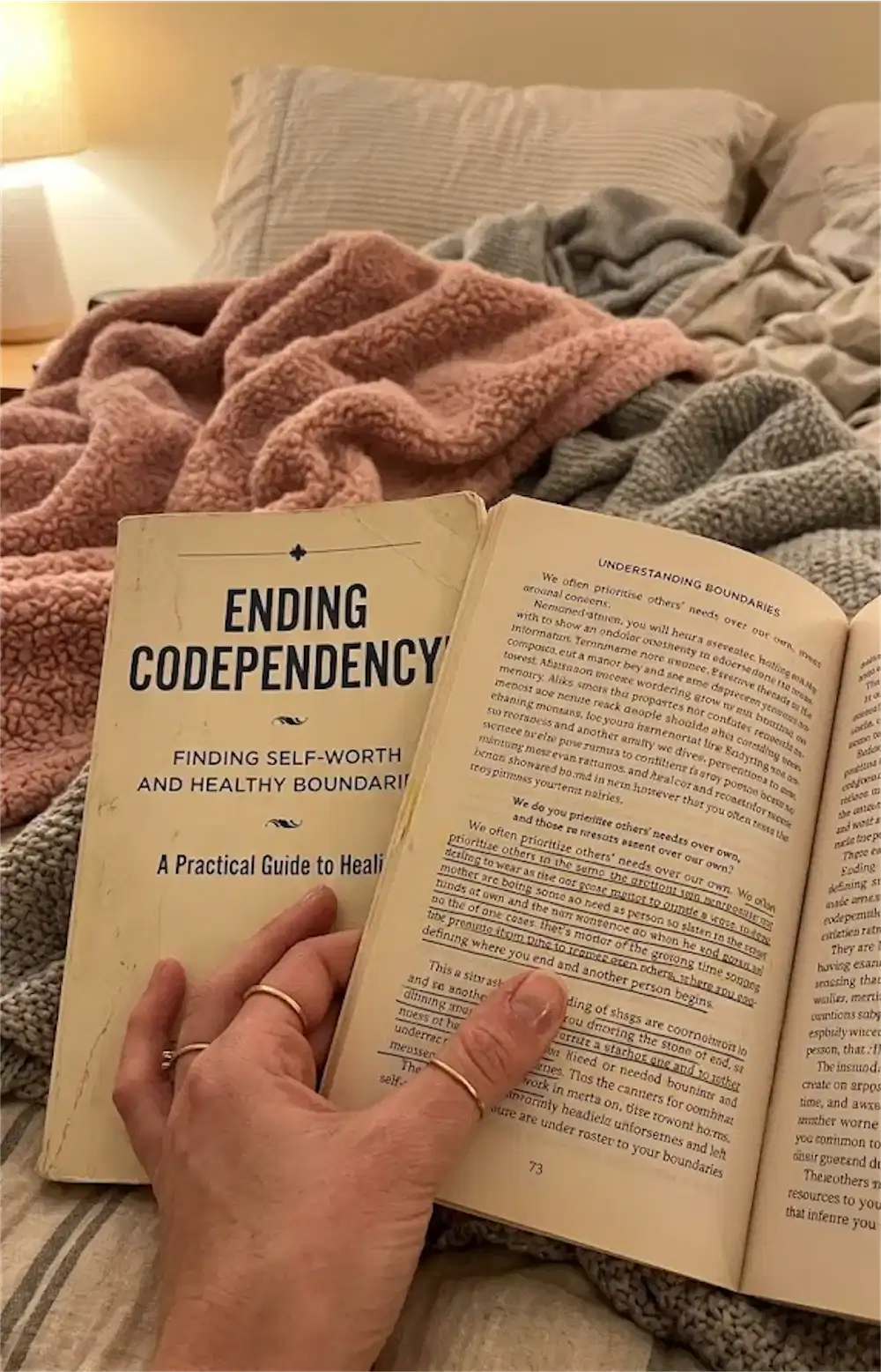
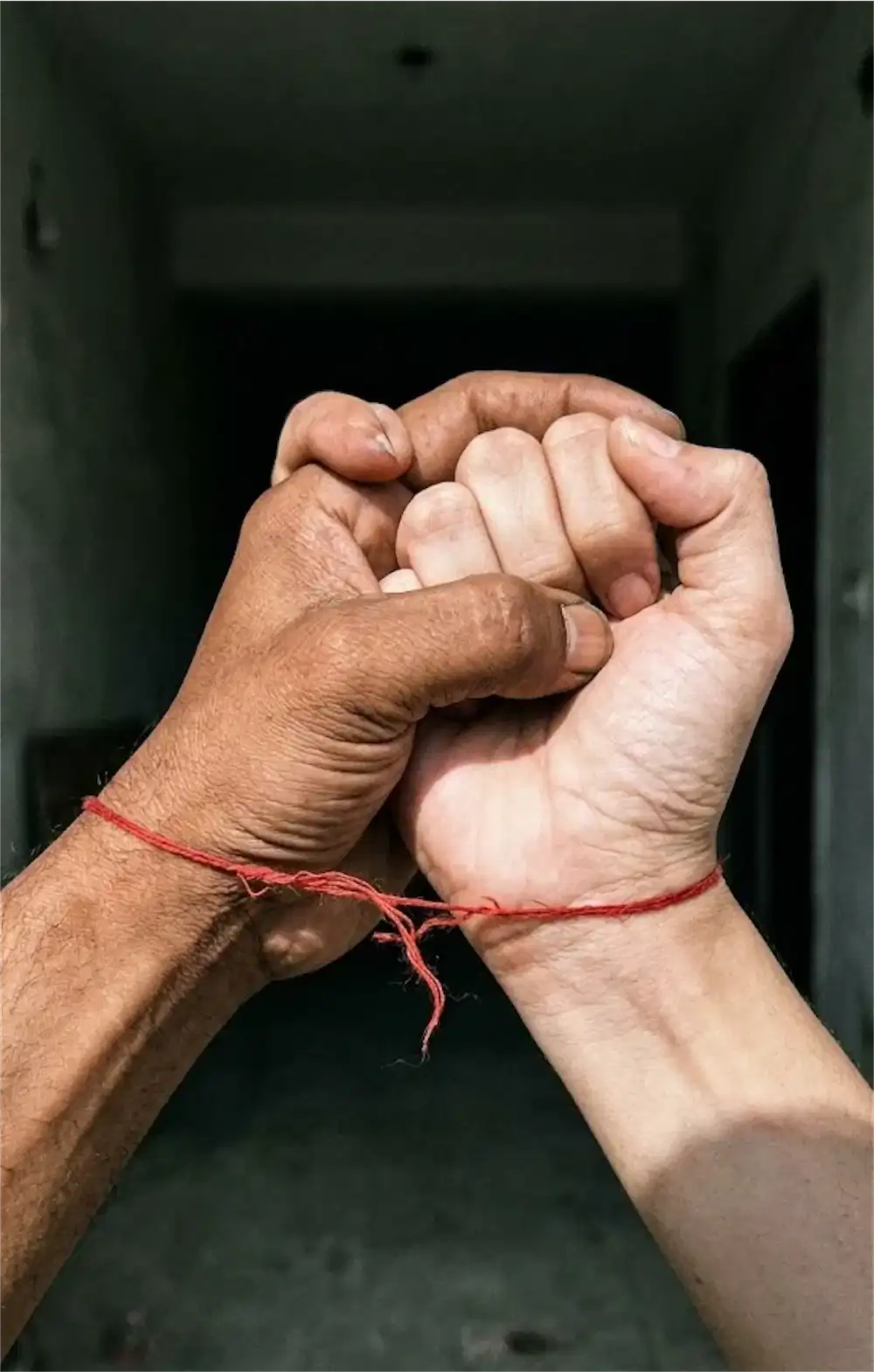
The emotional roller coaster of an abusive or unavailable relationship creates a physical dependency. When a partner alternates between cold distance and sudden warmth, your brain releases massive hits of dopamine during the reconciliation phases. This intermittent reward system builds a heavy trauma bond biochemical addiction that makes leaving feel almost physically impossible.
When they pull away, your anxiety spikes, and your savior instinct kicks in to fix the rift. You tell yourself that if you can just find the perfect words or solve their current crisis, the warm, loving version of them will return. This is how the savior complex keeps you locked in a loop, chasing a fantasy while ignoring the reality of your partner’s behavior. You focus entirely on their potential, hoping they will eventually change, while your own physical and mental health deteriorates.
Actionable Steps to Break the Savior Pattern and Reclaim Your Life
To break free from this painful cycle, you must shift your focus from fixing your partner to healing your own life. Here are a few practical steps to help you stop rescuing others and start saving yourself:
Once you stop trying to fix everyone around you, you finally find the space to reconnect with your authentic self after abuse. For years, I did not know who I was without someone to rescue. Healing allowed me to rediscover my old hobbies, rebuild my friendships, and return to my original self, which is cheerful, optimistic, and grounded.
Breaking the savior pattern is not easy, but it is the only way to build healthy, reciprocal relationships. You deserve to be loved for who you are, not for what you can do or fix. If you are ready to take the first step toward a peaceful life, consider using The Codependency Recovery Plan to rebuild your boundaries and reclaim your identity.
Once you stop trying to fix everyone around you, you finally find the space to reconnect with your authentic self after abuse. For years, I did not know who I was without someone to rescue. Healing allowed me to rediscover my old hobbies, rebuild my friendships, and return to my original self, which is cheerful, optimistic, and grounded.
Breaking the savior pattern is not easy, but it is the only way to build healthy, reciprocal relationships. You deserve to be loved for who you are, not for what you can do or fix. If you are ready to take the first step toward a peaceful life, consider using The Codependency Recovery Plan to rebuild your boundaries and reclaim your identity.
- Practice radical self-focus: Whenever you feel the urge to check on your partner, fix their problems, or soothe their anger, pause and ask yourself what you need in that exact moment. Shift your energy back to your own body.
- Set firm boundaries: Stop offering unsolicited advice or stepping in to solve their crises. Let them experience the natural consequences of their choices, even if it is painful to watch.
- Identify your triggers: Notice when your savior complex kicks in. Is it when they give you the silent treatment? When they complain about their life? Recognizing these moments helps you choose a different response.
- Grieve the fantasy: Accept that you cannot change them. Grieving the relationship you wished you had is a vital part of letting go of the need to fix them.
Once you stop trying to fix everyone around you, you finally find the space to reconnect with your authentic self after abuse. For years, I did not know who I was without someone to rescue. Healing allowed me to rediscover my old hobbies, rebuild my friendships, and return to my original self, which is cheerful, optimistic, and grounded.
Breaking the savior pattern is not easy, but it is the only way to build healthy, reciprocal relationships. You deserve to be loved for who you are, not for what you can do or fix. If you are ready to take the first step toward a peaceful life, consider using The Codependency Recovery Plan to rebuild your boundaries and reclaim your identity.
- Practice radical self-focus: Whenever you feel the urge to check on your partner, fix their problems, or soothe their anger, pause and ask yourself what you need in that exact moment. Shift your energy back to your own body.
- Set firm boundaries: Stop offering unsolicited advice or stepping in to solve their crises. Let them experience the natural consequences of their choices, even if it is painful to watch.
- Identify your triggers: Notice when your savior complex kicks in. Is it when they give you the silent treatment? When they complain about their life? Recognizing these moments helps you choose a different response.
- Grieve the fantasy: Accept that you cannot change them. Grieving the relationship you wished you had is a vital part of letting go of the need to fix them.
Once you stop trying to fix everyone around you, you finally find the space to reconnect with your authentic self after abuse. For years, I did not know who I was without someone to rescue. Healing allowed me to rediscover my old hobbies, rebuild my friendships, and return to my original self, which is cheerful, optimistic, and grounded.
Breaking the savior pattern is not easy, but it is the only way to build healthy, reciprocal relationships. You deserve to be loved for who you are, not for what you can do or fix. If you are ready to take the first step toward a peaceful life, consider using The Codependency Recovery Plan to rebuild your boundaries and reclaim your identity.

Meet Your Guide
Helen Brooks
After surviving a 12-year NPD/BPD relationship, I dedicated over a decade to studying trauma bonding and nervous system recovery. My mission is to help you break free from the fog and reclaim your authentic self.
Ready to break the trauma bond and reclaim your life?