Why Empathy is Your Greatest Strength (and How to Protect It from Narcissistic Predation)
Understanding why empathy is your greatest strength is the first step to reclaiming your life after surviving narcissistic predation. When you are a highly sensitive and deeply caring person, you naturally want to see the best in people and help them heal. But when you are targeted by toxic personalities, this gift can be weaponized against you.
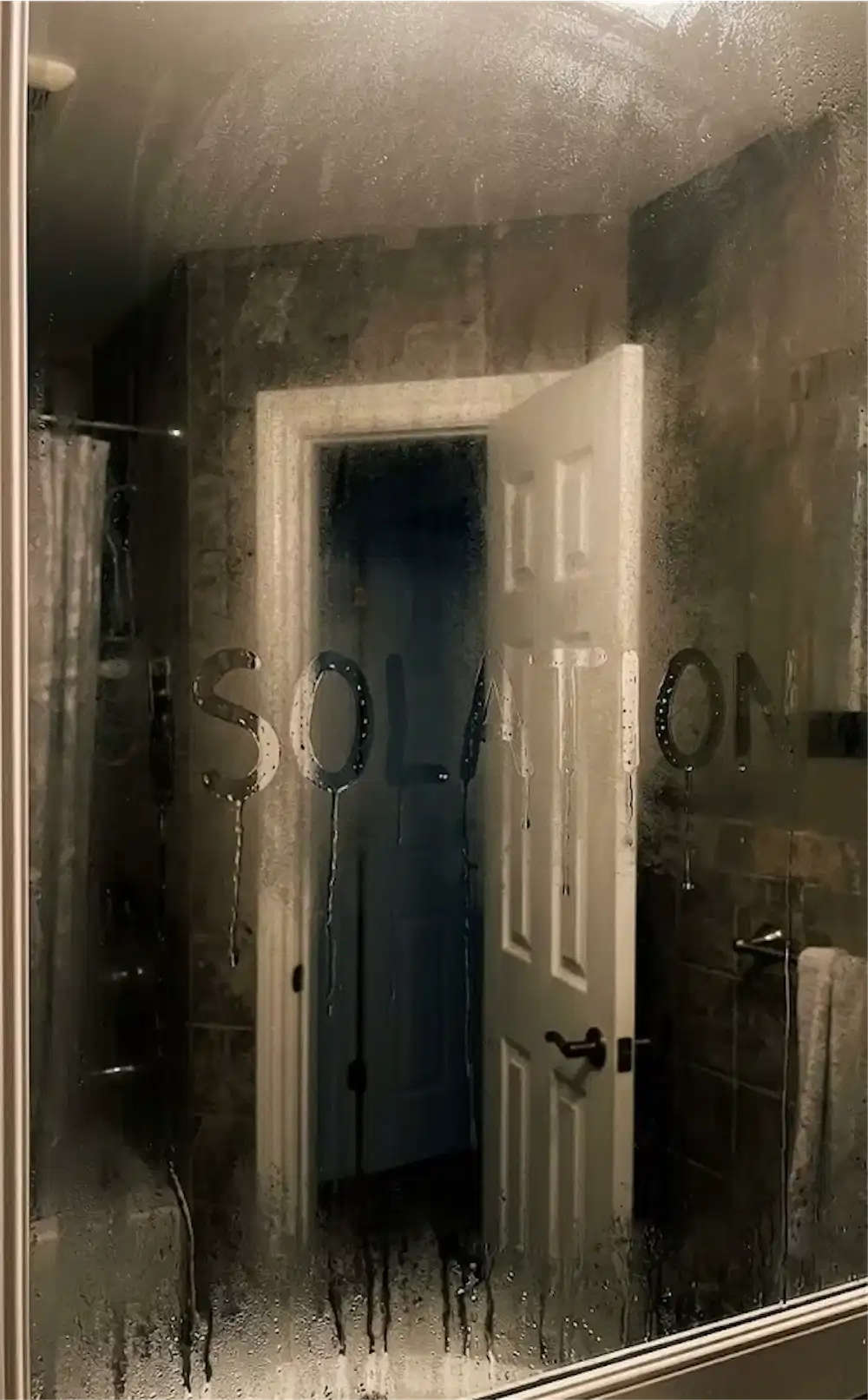
I know this pain personally because I spent twelve agonizing years in a relationship with a partner who exhibited both narcissistic and borderline personality disorder traits. By the time I finally escaped, I was completely isolated from my friends, had abandoned all my hobbies, and felt like my life was utterly miserable. I had to learn how to rebuild my entire existence from scratch, starting with downloading The Boundary Blueprint to start shielding my spirit from emotional predators.
Through professional therapy, I discovered that my deep compassion was never the problem. The real issue was that I had no walls to protect my emotional house, which left my heart completely open to exploitation. Have you ever felt like your ability to feel others’ pain is actually a curse that keeps you trapped in toxic dynamics?
Why Empathy is Your Greatest Strength (and Why It Feels Like a Weakness)
Empathy is your greatest strength because it allows you to form deep, authentic human connections and read emotional rooms with incredible accuracy. However, without firm personal boundaries, narcissistic predators will exploit this gift, turning your natural compassion into a tool for emotional manipulation.
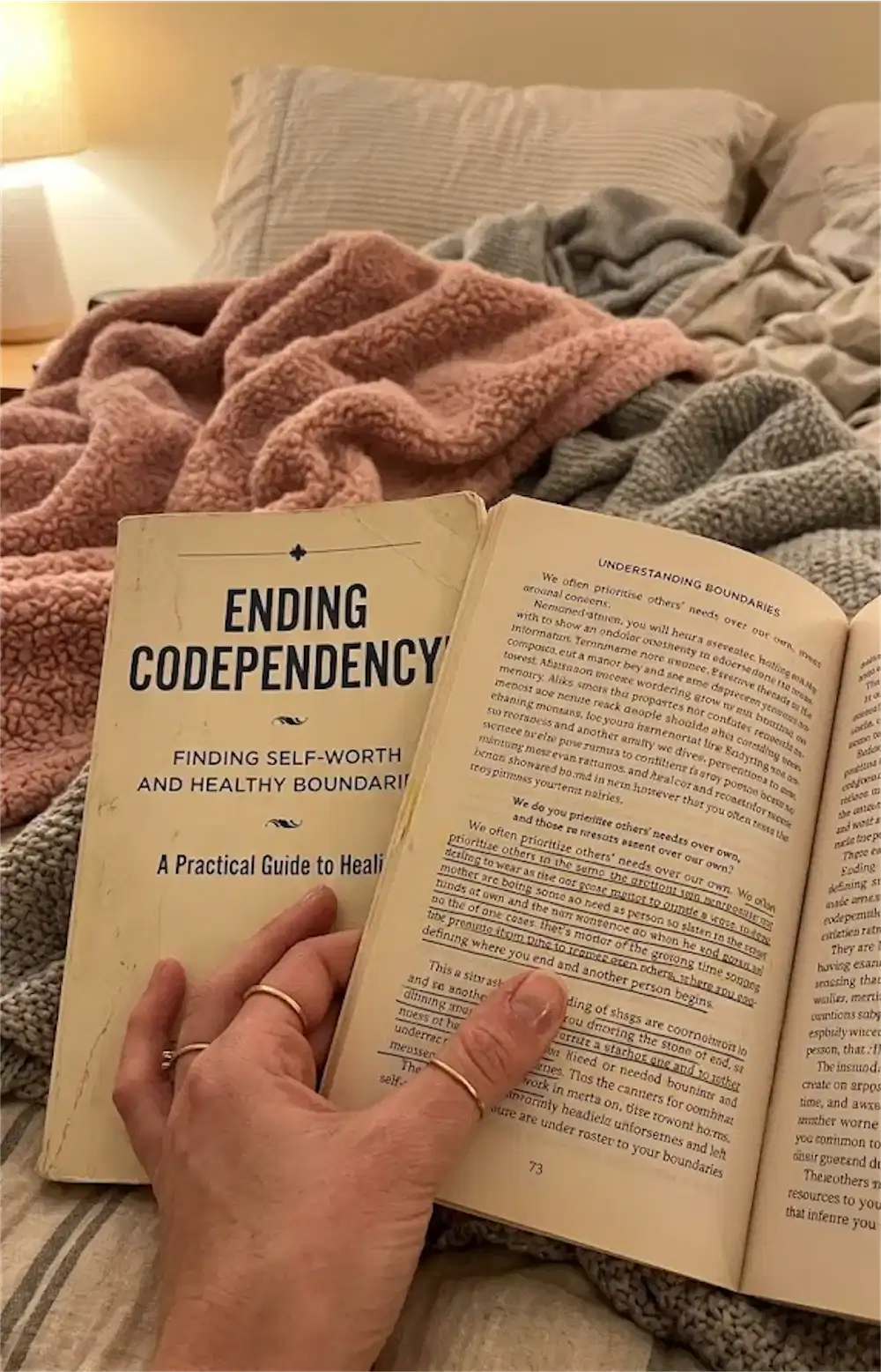
When you possess high levels of empathy, you have a natural superpower. You can feel what others are feeling, offer genuine comfort, and build beautiful, supportive spaces for the people you love. Narcissistic individuals lack this internal warmth, but they crave the validation and emotional energy that you provide.
To understand the theory behind why empaths attract narcissists, you have to look at how these dynamics begin. In my twelve-year relationship, the early days felt incredibly intense, almost like a fairy tale. I did not realize that my partner was studying my deep kindness to figure out exactly how to manipulate me later.
They saw my empathy as a weakness to exploit rather than a gift to cherish. If I expressed hurt, they would turn the tables and play the victim, knowing my natural instinct would be to comfort them. This is how high-conflict personalities keep you hooked in a perpetual cycle of emotional rescue.
When Healthy Empathy Devolves into a Trauma Bond
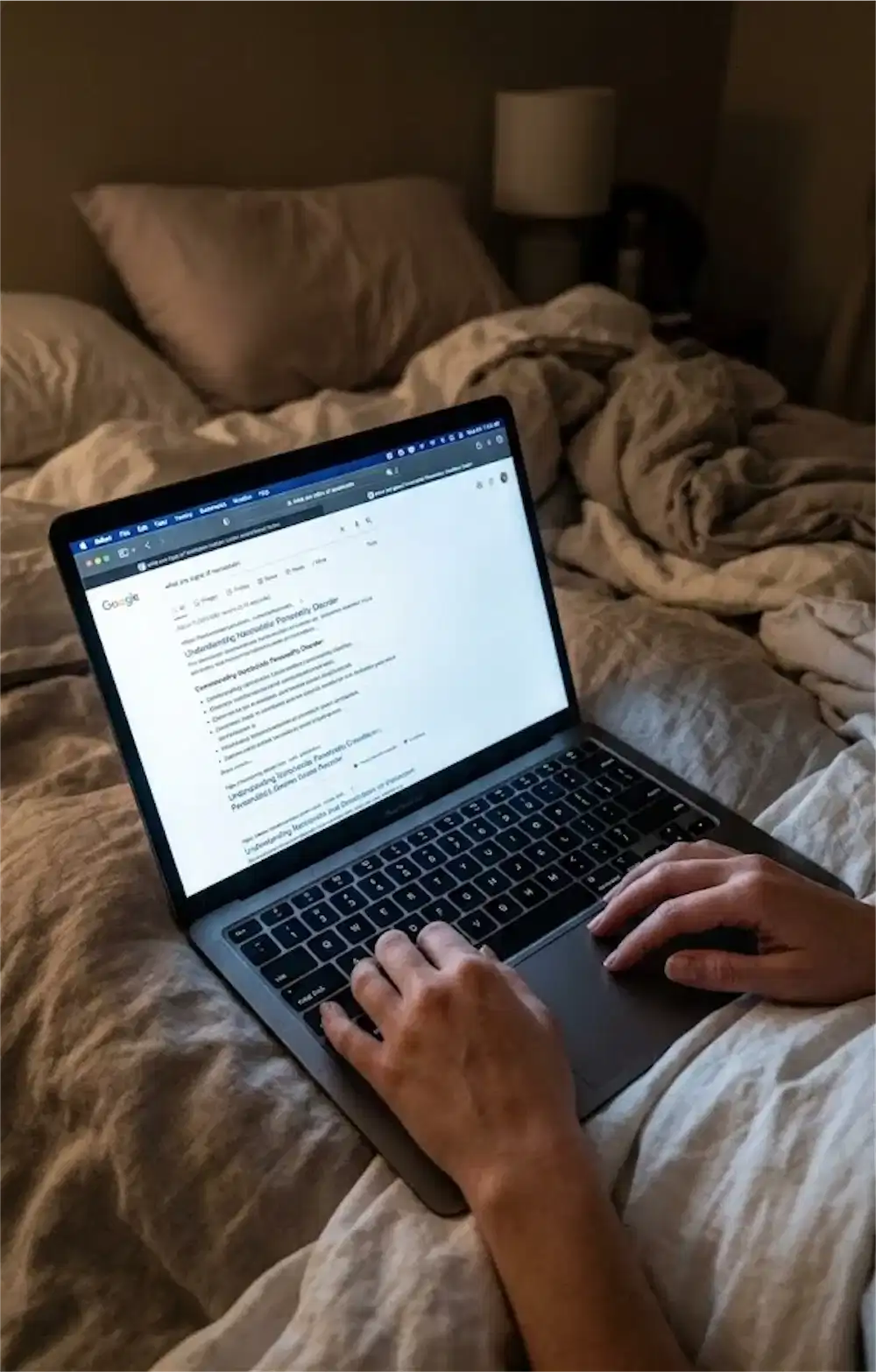
Over time, constant exposure to extreme emotional highs and lows distorts your natural caring instincts. You begin to excuse toxic behaviors, telling yourself that your partner just had a difficult childhood or is having a hard day. This cognitive confusion is one of the classic signs of trauma bonding that many survivors completely miss until they are deeply entangled.
Your empathy gets hijacked by the constant threat of rejection or anger. Instead of connecting with your partner, you start walking on eggshells, constantly scanning their face for any shift in mood. This is not genuine human connection; it is survival, and it slowly chips away at your sense of self-worth.
In my own recovery, I had to accept that my eagerness to understand my ex-partner was actually a trauma response. I was using my empathy to predict their outbursts, hoping that if I just cared enough, I could keep the peace. Have you found yourself analyzing your partner’s moods just to avoid the next emotional storm?
If you are tired of feeling emotionally drained and want to learn how to keep your beautiful empathy intact while building impenetrable boundaries, you need a structured plan. I highly recommend taking a look at this practical workbook, which was designed specifically to help survivors stop the cycle of emotional exhaustion and reclaim their personal power.
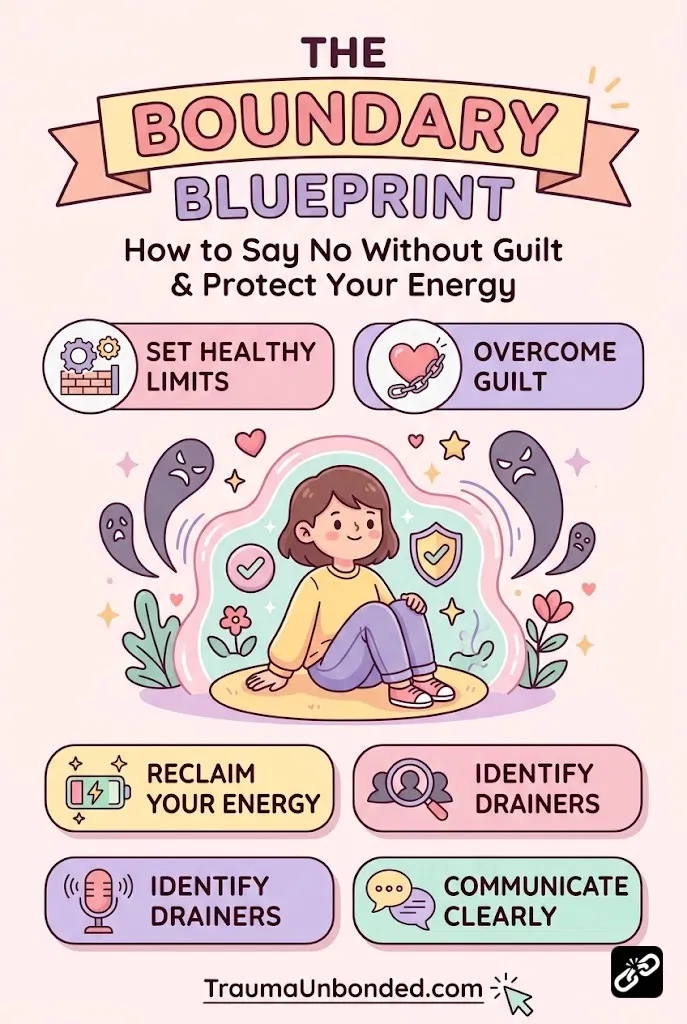
How to Protect Your Empathy from Narcissistic Predation
Learning to protect your kindness does not mean you have to turn into a cold, unfeeling person. True healing is about learning how to keep your heart soft while making your boundaries incredibly firm. When you protect your emotional landscape, you ensure that your energy goes to people who actually appreciate and respect you.
First, you must recognize the difference between healthy caring and a trauma-induced fawning pattern. Many of us fall into common fawn response traits, such as agreeing with our partner’s false reality just to avoid a conflict, or apologizing for things we did not do. When you fawn, your empathy is operating under fear, not love.
To break this pattern and safeguard your spirit, focus on these essential daily practices:
- Implement the “Pause” Rule: When someone asks you for emotional labor or a favor, do not answer immediately. Give yourself at least twenty minutes to check in with your own body before responding.
- Practice Selective Compassion: You do not owe your emotional understanding to someone who is actively abusing or manipulating you. It is entirely acceptable to withdraw your empathy when someone consistently violates your limits.
- Let Go of the Need to Fix: Other people’s emotional dysfunction is not your responsibility to repair. You can feel bad for someone’s past struggles without sacrificing your mental health to solve them.
Many mental health professionals point out that empathy overload can lead to severe emotional burnout and physical exhaustion if left unchecked. Setting limits is not selfish; it is actually a necessary act of survival that allows you to remain a caring person. To understand how to manage this, you can read more about how to regulate your emotional boundaries on Psychology Today, which shows how to stop absorbing other people’s toxic stress.
Reclaiming Your Cheerful, Grounded Self
After my twelve-year toxic relationship ended, I truly believed I was permanently damaged. I had forgotten what it felt like to laugh without a lingering sense of dread, and my social life was completely nonexistent. But as I worked through therapy and focused on rebuilding my boundaries, something amazing happened.
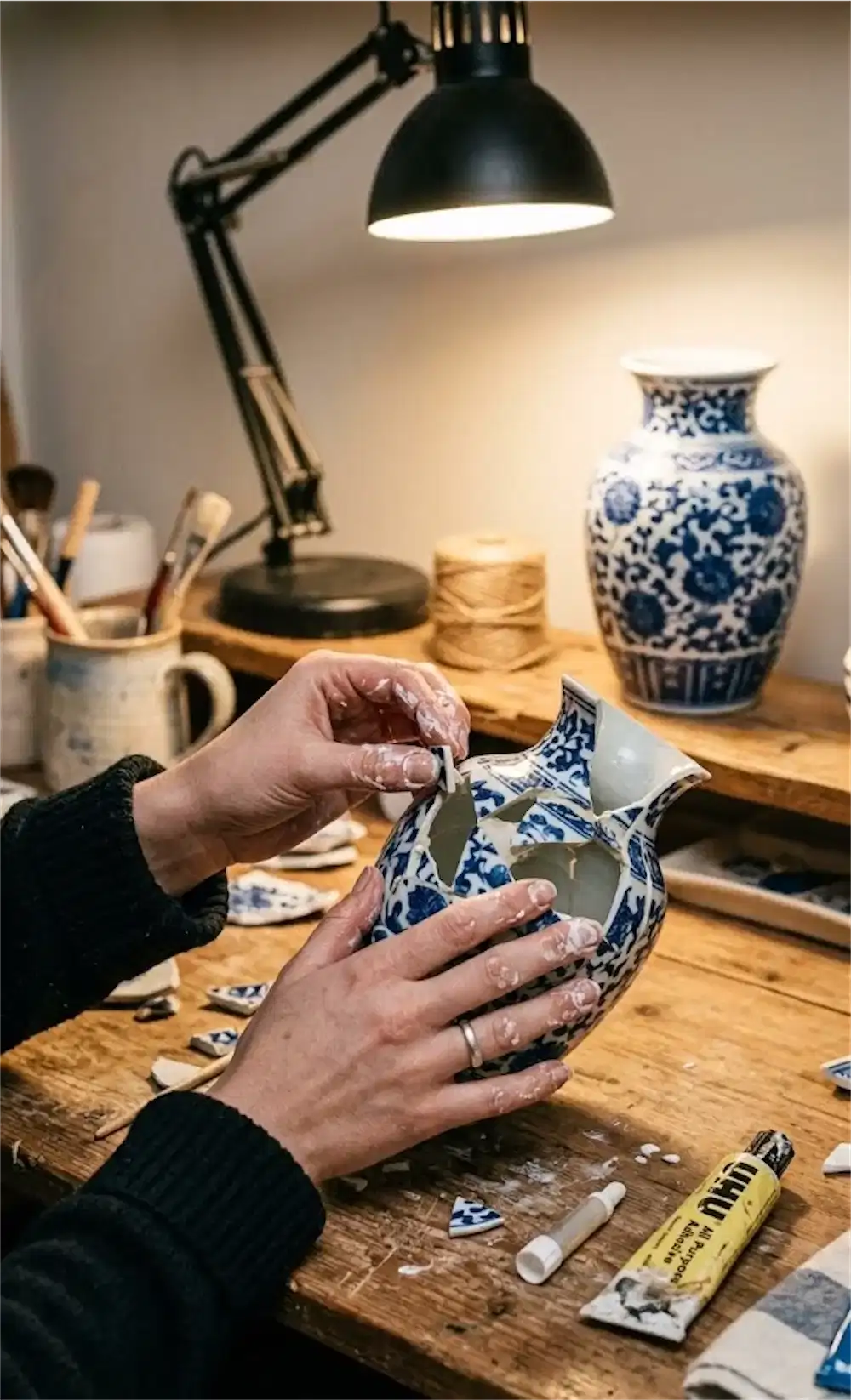
My original self slowly returned. I became cheerful, optimistic, and deeply grounded in my own reality again. I realized that my empathy was never a defect; it was just a beautiful garden that I had allowed weeds to overrun. Once I cleared out the toxic weeds and put up a strong fence, the garden flourished without being trampled.
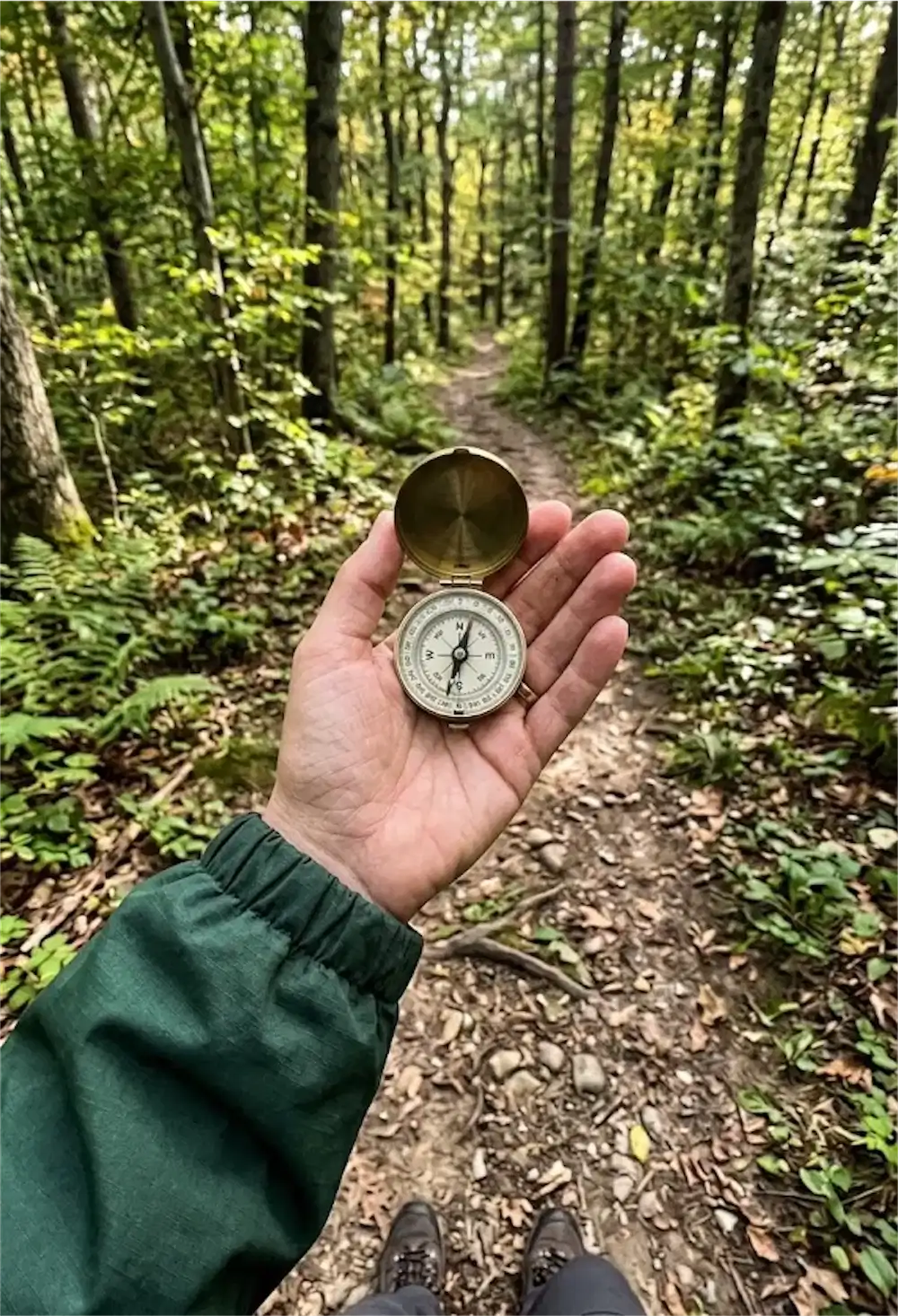
You can achieve this same sense of peace and freedom. Reclaiming your identity starts with the simple realization that you are allowed to protect your emotional energy. Your empathy is a precious resource, and you get to decide who is worthy of receiving it.
The ultimate takeaway is simple: your sensitivity is not a flaw, and your soft heart is not an open invitation for toxic people to exploit you. By learning to say no without carrying a mountain of guilt, you preserve your ability to love deeply while keeping yourself safe from emotional predators. If you are ready to start building those protective walls today, download The Boundary Blueprint and take your power back once and for all.

Meet Your Guide
Helen Brooks
After surviving a 12-year NPD/BPD relationship, I dedicated over a decade to studying trauma bonding and nervous system recovery. My mission is to help you break free from the fog and reclaim your authentic self.
Ready to break the trauma bond and reclaim your life?