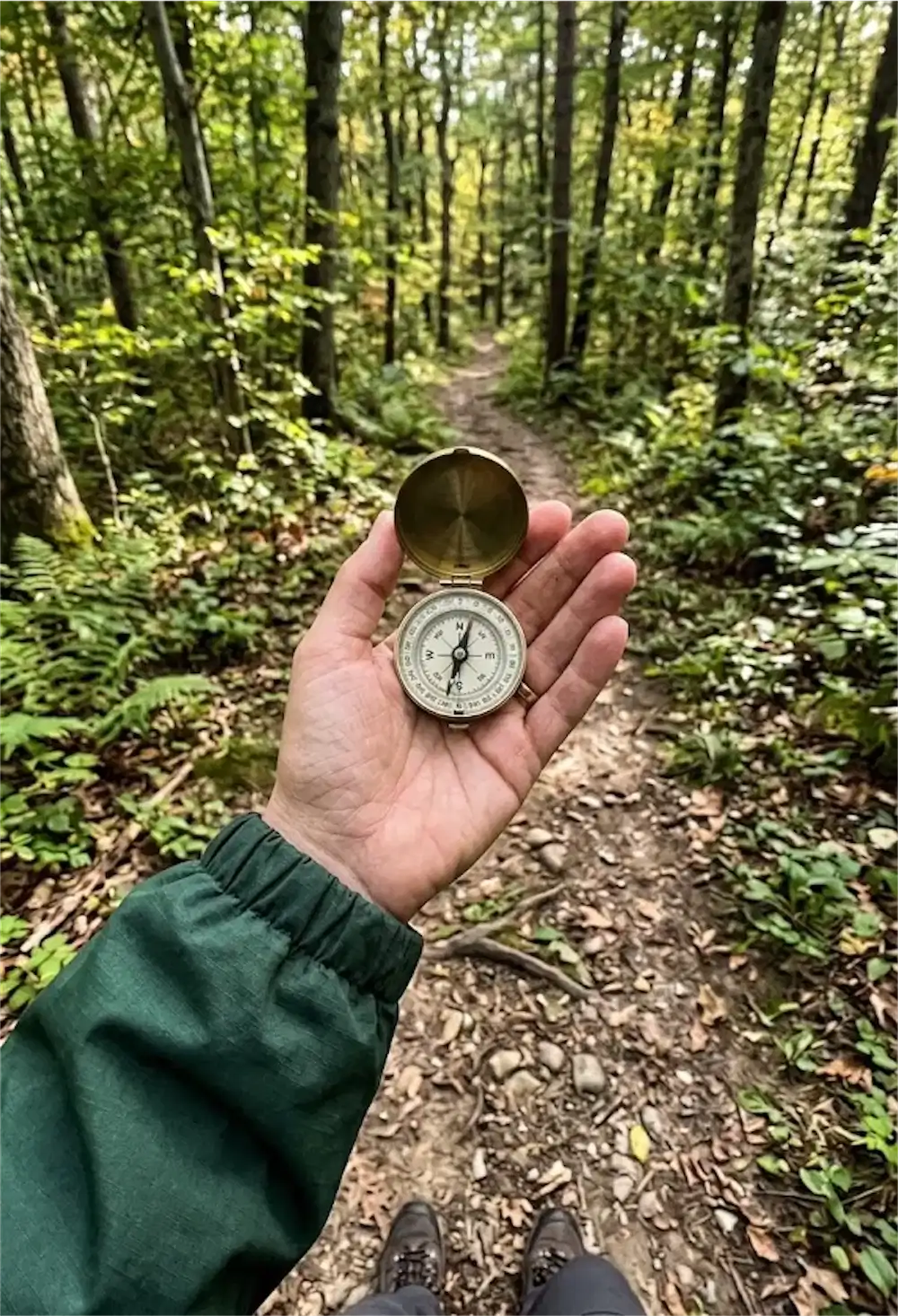
7 Reasons We Feel Guilt After Leaving a Narcissist and How to Process It
You finally left. And now you feel terrible. Maybe even worse than when you were still in it. That is one of the cruelest tricks of narcissistic abuse recovery — the guilt that floods in right after you escape. If you are sitting with that guilt right now, I want you to know something first: it is not proof you did the wrong thing. It is proof of how deep the psychological damage goes.
I spent 12 years in a relationship with a partner who had both narcissistic and BPD traits. When I finally left, I was not celebrating. I was curled up on the bathroom floor wondering if I had destroyed someone’s life. The guilt was so heavy I almost went back — multiple times. What saved me was understanding why I felt that guilt, because it was not coming from truth. It was coming from conditioning.
Let’s break this down so you can stop carrying it.
1. You Were Conditioned to Believe Everything Was Your Fault
Blame-shifting is the narcissist’s primary survival tool. Every fight, every problem, every moment of dysfunction in the relationship was quietly, consistently redirected back onto you. After months or years of this, your brain starts to believe it. This is not weakness — it is the predictable result of prolonged psychological manipulation.
Through gaslighting, blame-shifting, projection, and silent treatment, the abuser creates in their partner a state of cognitive dissonance — a deep doubting of the survivor’s reality of what actually went down in the relationship. When you finally leave, that conditioned belief that everything is your fault does not just disappear. It turns inward, and becomes guilt.
In my 12 years, I heard “you always overreact,” “you pushed me to this,” and “you never appreciate what I do” so many times that those phrases became my internal voice. Leaving felt like abandoning someone I had hurt. That was not reality. That was programming.
If this resonates, my article on false beliefs we carry from narcissistic relationships goes deeper into how these thought distortions form and how to dismantle them.

2. The Trauma Bond Makes Leaving Feel Like Betrayal
A trauma bond is not love, even though it feels exactly like love. It is a psychological attachment formed through cycles of abuse, intermittent reward, and punishment. Think of it like a slot machine — you never know when the kindness is coming, so you keep pulling the lever. Your nervous system gets hooked on the cycle.
Trauma bonding happens when an abuser provides the survivor with intermittent rewards and punishments. A psychological conditioning develops, and the survivor becomes snared into the relationship, ever hopeful of the next reward. Powerful emotional bonds develop that are extremely resistant to change.
Research by Dutton and Painter (1993) found that even 10 months after a relationship ended, the trauma bond was still strong. This is why it can take so long for people to heal once they leave — the intermittent reinforcement pattern is the strongest and most resistant to change.
When you leave someone you are trauma-bonded to, your brain registers it as abandoning a person you love — because biochemically, that is what it feels like. The guilt is not moral insight. It is withdrawal. Trauma bonding is not love. It is a psychological attachment formed through a repeated cycle of abuse.
I used to wake up at 3 a.m. convinced I had destroyed my ex. It took a long time in therapy to understand that the guilt I felt was the bond talking — not my conscience. If you want to understand this pattern more, read about why no contact works in narcissistic abuse recovery and how cutting contact actually helps the nervous system detach.

3. You Grieve the Person They Pretended to Be
Here is something that took me years to understand: the person you are grieving probably never existed. The charming, loving, attentive partner you fell for was the idealization phase — a curated performance designed (consciously or not) to hook you in. When you feel guilty for leaving, part of what you are really feeling is grief for losing that version of them.
The occasional payouts a person receives in a narcissistic relationship become the rationalization for the entire relationship. A survivor may fondly remember an amazing trip where everything was wonderful, and that single “jackpot” may become the rationalization for a thousand other instances of verbal abuse and invalidation.
This grief is real. You are allowed to mourn something that felt wonderful, even if it was built on manipulation. What you are not required to do is let that grief drag you back into the relationship. The good memories are real memories — they just do not tell the full story.
A book that helped me name this grief clearly was Psychopath Free by Jackson MacKenzie — it walks through exactly how idealization is used to create this attachment, and what recovery from the loss actually looks like. Worth every page.
4. Cognitive Dissonance Keeps You Questioning Your Decision
Cognitive dissonance — holding two conflicting beliefs at the same time — is one of the most disorienting parts of leaving a narcissist. You know they were abusive. You also remember how good it felt during the good times. Both things feel true, and your brain keeps trying to reconcile them. That internal conflict produces guilt.
Cognitive dissonance in narcissistic abuse is one of the most destabilizing experiences survivors face during recovery. Even after recognizing the manipulation, deception, and emotional harm that occurred in the relationship, many survivors find themselves questioning their own memories, perceptions, and decisions.
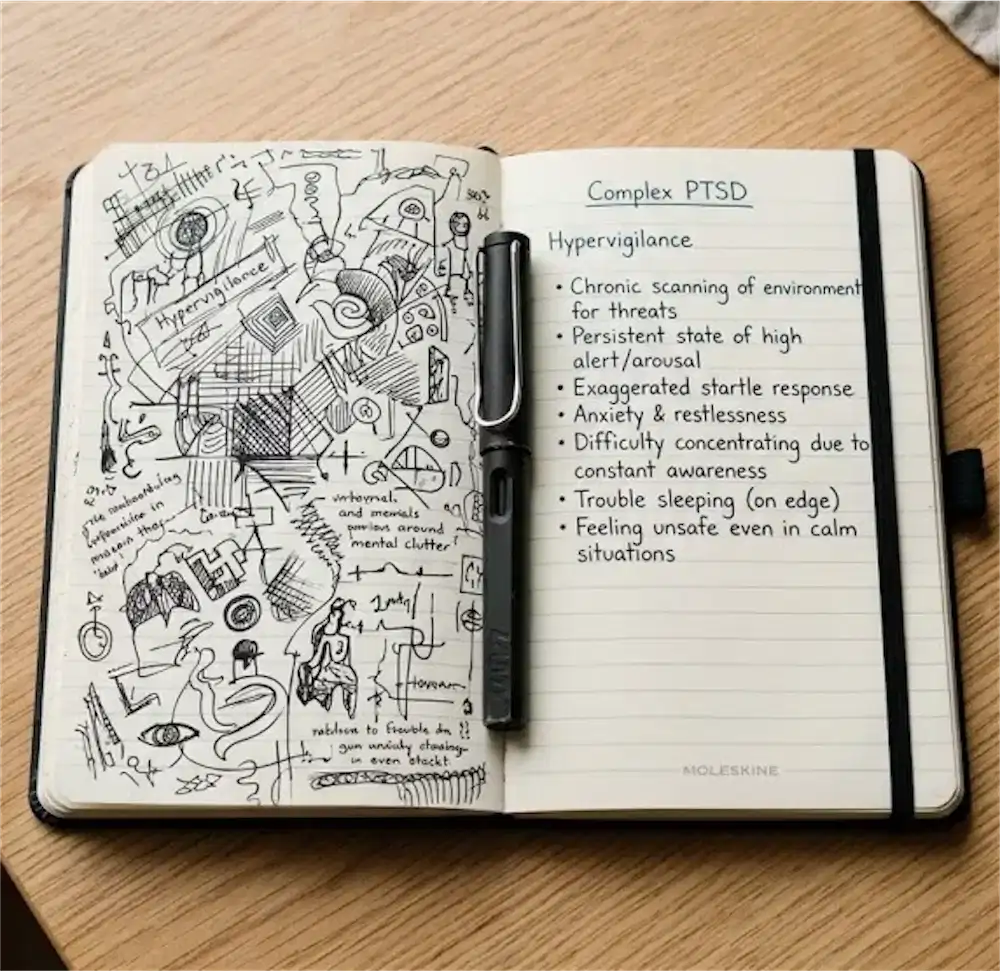
Cognitive dissonance is reduced when the survivor of narcissistic abuse is able to receive validation and confirmation of the reality of their circumstances. Narrating the story can take place verbally in psychotherapy sessions or through journaling — both help your brain stop spinning and start settling.
I spent the first months after leaving constantly second-guessing myself. “Was it really that bad?” is a sentence I said out loud more times than I can count. This is not a sign that you are confused about the truth. Doubt is part of the process of untangling psychological manipulation. The presence of doubt does not invalidate the reality of the abuse. It reflects the complexity of the experience and the depth of the conditioning that occurred.
If you are in the thick of this, self-doubt as a sign of narcissistic abuse recovery is a post I wrote specifically for this moment in the healing process.
5. Empathy Was Used Against You
One thing I have noticed in almost every survivor I have spoken to: we tend to have a lot of empathy. That is not a flaw. But in a relationship with a narcissist, your empathy was weaponized. Every time you felt guilty for setting a limit, every time you gave them “one more chance,” every time you stayed because they cried or threatened — that was your empathy being exploited.
The narcissist’s public charm can further deepen the trauma bond for the target, as they believe they are at fault for the narcissistic behaviors behind closed doors. The target of abuse may also hyperfocus on the narcissist’s needs and experience a loss of sense of self.
Now that you are out, your empathy is still running the same old program. You imagine their pain. You picture them struggling. You wonder if they are okay. And that produces guilt. But here is the thing — people with untreated NPD lack the ability to care deeply about anyone other than themselves and lack emotional empathy, which leads to them feeling largely indifferent to their partner’s emotional and physical pain. Your concern for them is unlikely to be matched by any genuine concern for you.
Your empathy deserves to be redirected toward yourself now. That is not selfishness. That is survival.
For practical tools to redirect that energy, the self-healing tips for narcissistic abuse survivors guide has a section specifically on reclaiming your emotional energy.
6. They Likely Told You That Leaving Would Destroy Them
Narcissists and people with BPD traits are often masters of manufactured crisis at the exact moment you try to leave. Threats of self-harm, dramatic breakdowns, declarations that they cannot survive without you — these are not always conscious manipulation, but the effect is the same. You absorbed the belief that your leaving would cause irreparable harm.
Narcissists are experts at manipulation, often using guilt, fear, and charm to keep their victims emotionally entangled. That guilt you feel right now? A significant part of it was planted during those moments when they made their pain your responsibility.
In my relationship, there were several times I tried to leave over the years. Each time, there was a crisis. Each time, I stayed. By the time I finally left for good, I was carrying 12 years of accumulated guilt about what my leaving would do to them. Processing that took time and a lot of professional help. The reality: adults are responsible for their own emotional regulation, not their partners.
The journal The Narcissist Recovery Journal (guided prompts) on Amazon was something I used to untangle exactly this type of guilt. Writing out what was my responsibility versus what was theirs helped me see the distortion clearly. Also check out the journaling prompts for post-narcissist breakup I put together — several are specifically designed to work through misplaced guilt.

7. Society Sends Mixed Messages About “Not Giving Up”
We live in a culture that romanticizes persistence in relationships. “Fight for your love.” “Real relationships take work.” “Don’t give up when it gets hard.” All of that messaging, while sometimes valid, gets weaponized when applied to abusive dynamics. Leaving is reframed as quitting. Protecting yourself is reframed as being selfish. And your brain — already beaten down by years of abuse — believes it.
Social constructs that minimize or discredit the realities of psychological violence render it impossible for abuse victims to receive the support and credibility necessary for healing. The nature of narcissistic abuse, coupled with the societal minimization of victims’ experiences, intensifies feelings of shame and guilt.
There is also the issue of people in your life who saw the “good side” of your partner and cannot understand why you left. When the people around you reinforce your guilt — even unintentionally — it compounds everything. You start to wonder if you are the problem after all.
You are not. Leaving abuse is not giving up. It is one of the hardest things a person can do, and it is the right thing.
How to Actually Process the Guilt (Not Just “Move On”)
Understanding why the guilt exists is the first step. But understanding alone does not dissolve it. Here is what actually works — based on both research and personal experience after a 12-year relationship.
Name It Without Feeding It
When guilt comes up, name it out loud or on paper: “I feel guilty right now.” Do not engage with it as truth. Do not analyze every decision you made. Just acknowledge the feeling without letting it launch you into a shame spiral. Feelings are not facts.
Work With a Trauma-Informed Therapist
Working with a trauma-informed counselor helps you process the trauma, examine the cycle of abuse, reconnect with the reality of the abusive relationship, and place responsibility where it truly belongs. This is not optional — it is one of the most important investments you can make in your recovery. Look specifically for therapists trained in EMDR, somatic therapy, or Internal Family Systems (IFS), all of which are highly effective for the type of guilt and shame survivors carry.
Brain-wise interventions such as EMDR (Eye Movement Desensitization and Reprocessing), mindfulness-based cognitive behavioral therapy, and expressive arts therapies are evidence-based modalities which allow for the release of relational trauma.
Separate Healthy Remorse From Manipulated Guilt
Ask yourself: “Is this guilt about something I genuinely did wrong, or is it about breaking free from a dynamic that was harming me?” Healthy remorse is specific — it points to an actual action and a real person who was genuinely wronged. Manipulated guilt is vague, relentless, and tied to your identity rather than any single act. Most of what survivors feel is the second kind.
Use Journaling as a Reality Check
Cognitive dissonance is diffused and reduced when the survivor of narcissistic abuse is able to receive validation and confirmation of the reality of their circumstances. Narrating the story can take place verbally in psychotherapy sessions and via the use of journaling exercises.
Write a factual account of three incidents from the relationship that were genuinely harmful. Not to demonize your ex — but to remind your guilt-fogged brain of what actually happened. This is not rumination. It is reality testing.
Rebuild Your Support System
One of the key effects of narcissistic abuse is isolation. The target of abuse may experience a loss of empathy for anyone other than the narcissist, as well as a loss of sense of self. After you leave, rebuilding connections with people who actually see you is essential. Guilt thrives in isolation. It weakens when you are surrounded by people who affirm your reality.
Rebuild Your Physical Self
Movement, sleep, nutrition, and reducing cortisol are not just “wellness tips.” They directly affect how your nervous system processes emotion. When I started running again after my breakup, the guilt did not vanish — but my capacity to hold it without drowning in it increased significantly. Exercise literally changes the neurochemical environment in which guilt lives. See the post on using exercise to break the trauma bond for a practical framework.
A Note on the Guilt That Lingers
Some guilt does not go away quickly. After 12 years, mine took over a year of consistent therapy, journaling, and community support to really loosen its grip. That does not mean it is permanent. Recovery from narcissistic abuse can be a long and difficult journey. Healing is not a linear process, and setbacks are normal. Being patient with yourself and taking things one day at a time is part of the process.
There will be days the guilt comes back heavy — usually triggered by seeing something that reminds you of them, hearing their name, or being contacted by mutual friends. That is normal. It does not mean you have not healed. It means you are human.
The goal is not to never feel guilty again. The goal is to stop letting guilt make decisions for you. One day, you will catch yourself feeling it, naming it, and choosing not to act on it. That is recovery. That is what it feels like to come back to yourself.
For more on what those first weeks and months look like, I wrote about my own insights from the first three months of narcissist recovery — it is one of the most personal things I have published on this site.
Recommended Resources
These are tools and books that genuinely helped me through the guilt and shame of leaving after a long-term narcissistic relationship. I recommend them because they worked — not because they look nice on a shelf.
- Why Does He Do That? by Lundy Bancroft — A grounding, validating read that helped me understand the mechanics of abuse and stop blaming myself for staying. Essential reading for anyone processing guilt after leaving.
- Healing the Shame That Binds You by John Bradshaw — This one goes to the root of why people-pleasing and guilt become so deeply embedded after abuse. Practical, compassionate, and genuinely transformative.
- The Body Keeps the Score by Bessel van der Kolk, M.D. — If you want to understand why guilt and shame feel so physical — the tight chest, the nausea, the exhaustion — this is the book. It explains the neuroscience of trauma in language anyone can understand.
You can also explore the full recommended books for narcissistic abuse recovery list and the recovery tools page for additional vetted resources.
Sources:
Elinor Greenberg, Ph.D. — The Truth About Trauma Bonding and Narcissists, Psychology Today (2024)
GoodTherapy — Cognitive Dissonance in Narcissistic Abuse (2024)

Meet Your Guide
Helen Brooks
After surviving a 12-year NPD/BPD relationship, I dedicated over a decade to studying trauma bonding and nervous system recovery. My mission is to help you break free from the fog and reclaim your authentic self.
Ready to break the trauma bond and reclaim your life?