How Physical Exercise Helps Break Trauma Bonds After BPD Relationship Stress
After 12 years in a relationship with someone showing strong NPD and BPD traits, I felt completely trapped in a trauma bond. The cycles of intensity, devaluation, and intermittent affection left my nervous system in constant chaos. Even after I left, my body and mind kept pulling me back toward the familiar pain. What finally started to loosen those invisible chains wasn’t just therapy or reading books. It was getting my body moving again. Physical exercise became one of the most practical tools in my healing from BPD relationship trauma.
Understanding Trauma Bonds in BPD Relationships
A trauma bond is that addictive attachment formed through cycles of abuse and kindness. It feels like love but functions more like an emotional addiction. In relationships involving BPD traits, these bonds grow especially strong because of the intense idealization followed by sudden withdrawal, rage, or abandonment fears. I lived it for over a decade. The highs felt intoxicating, and the lows left me questioning my own reality and worth. Even when I knew the relationship was destroying me, leaving felt impossible. My brain had wired the connection to survival itself.
If you’re feeling that same desperate pull after leaving a BPD relationship, know that your experience is valid. The stress from these dynamics doesn’t just disappear when the person leaves. It stays in your nervous system.

See the 180-Page Visual Detox That Broke My Cravings →
How Trauma From BPD Relationships Lives in the Body
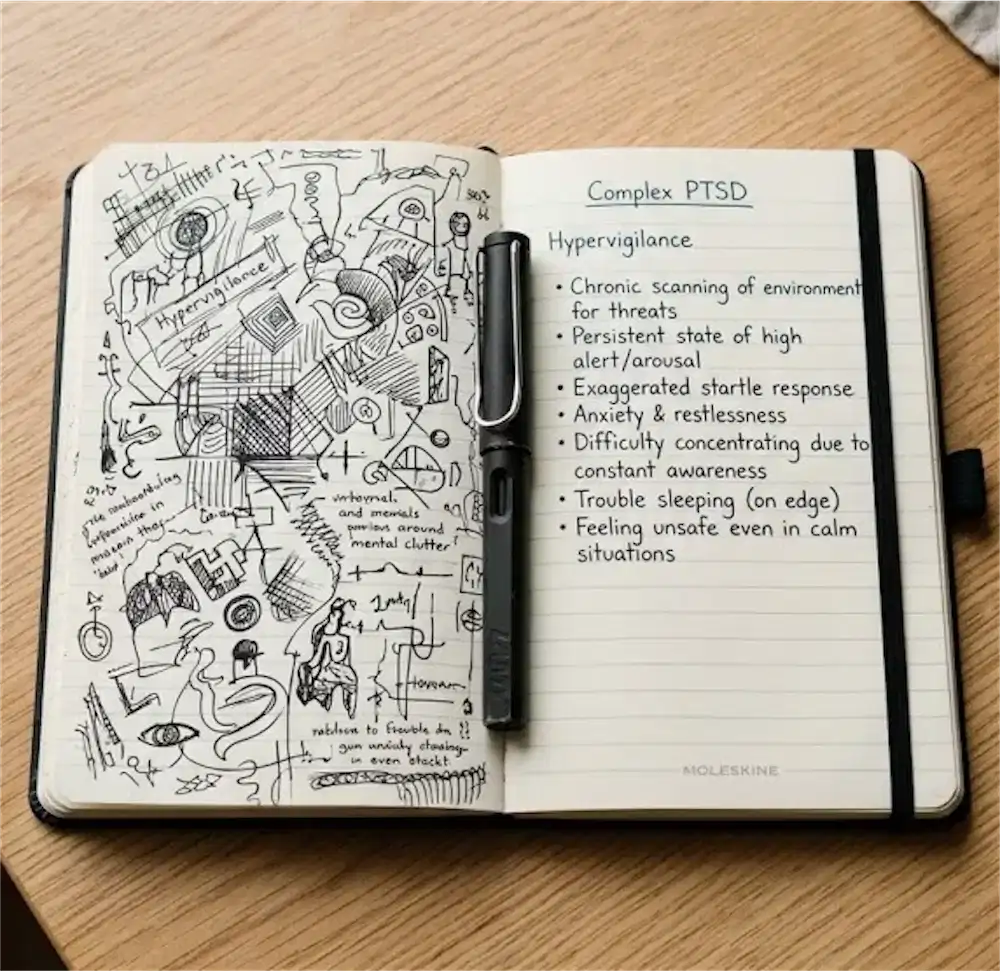
Trauma expert Bessel van der Kolk explains in his work that trauma is not just a mental experience. It becomes stored in the body, keeping the nervous system in a dysregulated state long after the danger has passed. In my case, the constant unpredictability created a state of hypervigilance that made rest feel unsafe. My shoulders stayed tight. My sleep was broken. Simple decisions triggered anxiety.
This physical holding pattern feeds the trauma bond. Your body remembers the intense relief that came during the “good” periods and craves it, even when your mind knows better. Breaking free requires addressing both the psychological patterns and the physiological imprint.
The Science Behind Exercise for Trauma Bond Recovery
Research supports what I experienced firsthand. A 2025 meta-analysis in Frontiers in Psychology found that exercise, particularly yoga and resistance training, significantly reduces PTSD symptoms. Movement helps regulate the nervous system, lowers cortisol, increases BDNF (brain-derived neurotrophic factor), and supports emotional regulation. These changes directly counteract the biochemical addiction of trauma bonds.
Running or even brisk walking before therapy can make the brain more receptive to rewiring old patterns. For those of us recovering from BPD relationship stress, this means the obsessive thoughts, self-doubt, and emotional flashbacks gradually lose their power. Exercise doesn’t replace therapy, but it creates the physiological conditions that make healing possible.
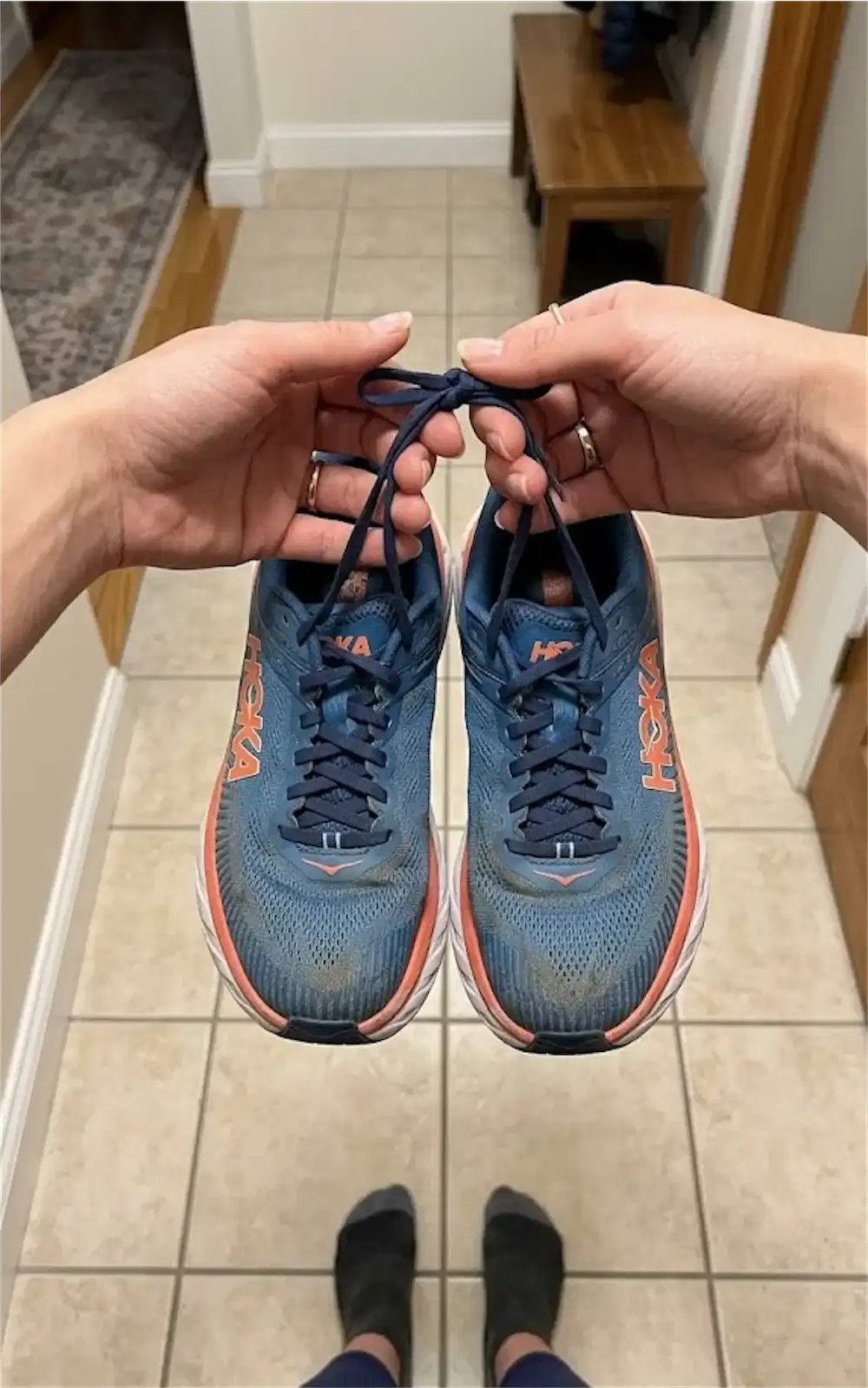
4 Ways Physical Exercise Helps Break Trauma Bonds After BPD Stress
Here’s what actually happened in my recovery:
- Regulates your dysregulated nervous system. The push-pull of a BPD relationship keeps you in fight-or-flight. Consistent movement, especially rhythmic activities like walking or running, helps shift you into a calmer state. I noticed my constant anxiety decreased after I committed to daily walks.
- Reduces rumination and obsessive thoughts. Exercise gives your brain something else to focus on. Those late-night spirals about what I did wrong or whether I should check their social media became shorter and less intense as I built the habit.
- Rebuilds self-trust and self-efficacy. After years of gaslighting and emotional whiplash, I had lost trust in my own judgment. Completing small exercise goals reminded me that I could follow through on promises to myself. That confidence spilled into other areas of recovery.
- Releases stored emotional energy. Many trauma survivors carry tension in their bodies. Movement, especially yoga, helped me process emotions that talking alone could not reach. As van der Kolk notes, practices that increase body awareness help trauma survivors feel safe in their own skin again.
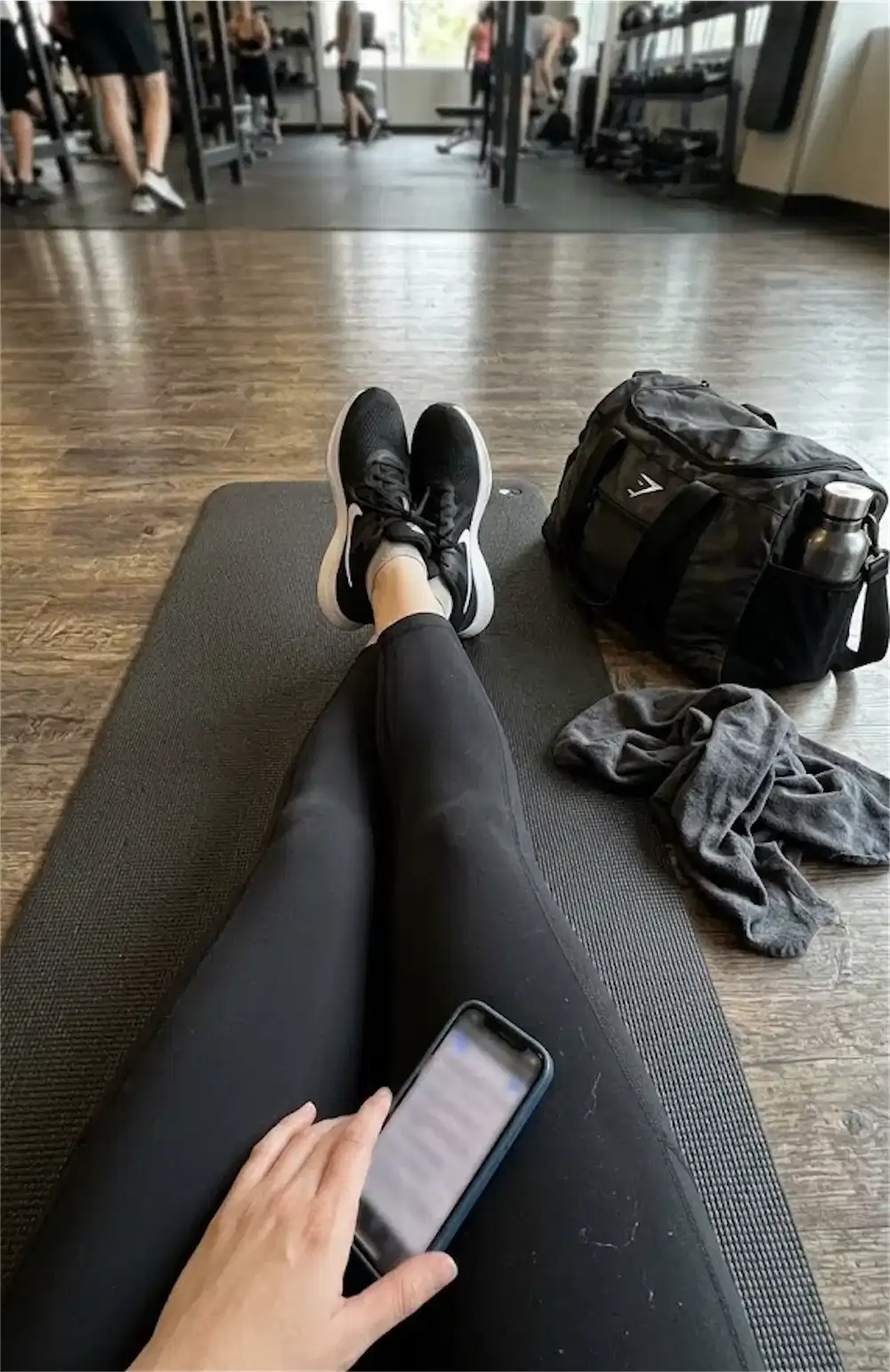
How I Started Exercising Again When I Felt Completely Broken
Right after the breakup I had zero motivation and no remaining hobbies. The idea of going to a gym felt overwhelming. I started with ten-minute walks around the block. Some days I cried the entire time. But I kept showing up. Within a few weeks, I added simple bodyweight movements at home. I bought a basic yoga mat and followed free videos focused on trauma-sensitive yoga.
Learning about BPD dynamics helped me understand why my nervous system was so activated. Pairing that knowledge with physical movement made the healing feel more complete. I also found The Body Keeps the Score incredibly validating.
Building a Sustainable Exercise Routine During Recovery
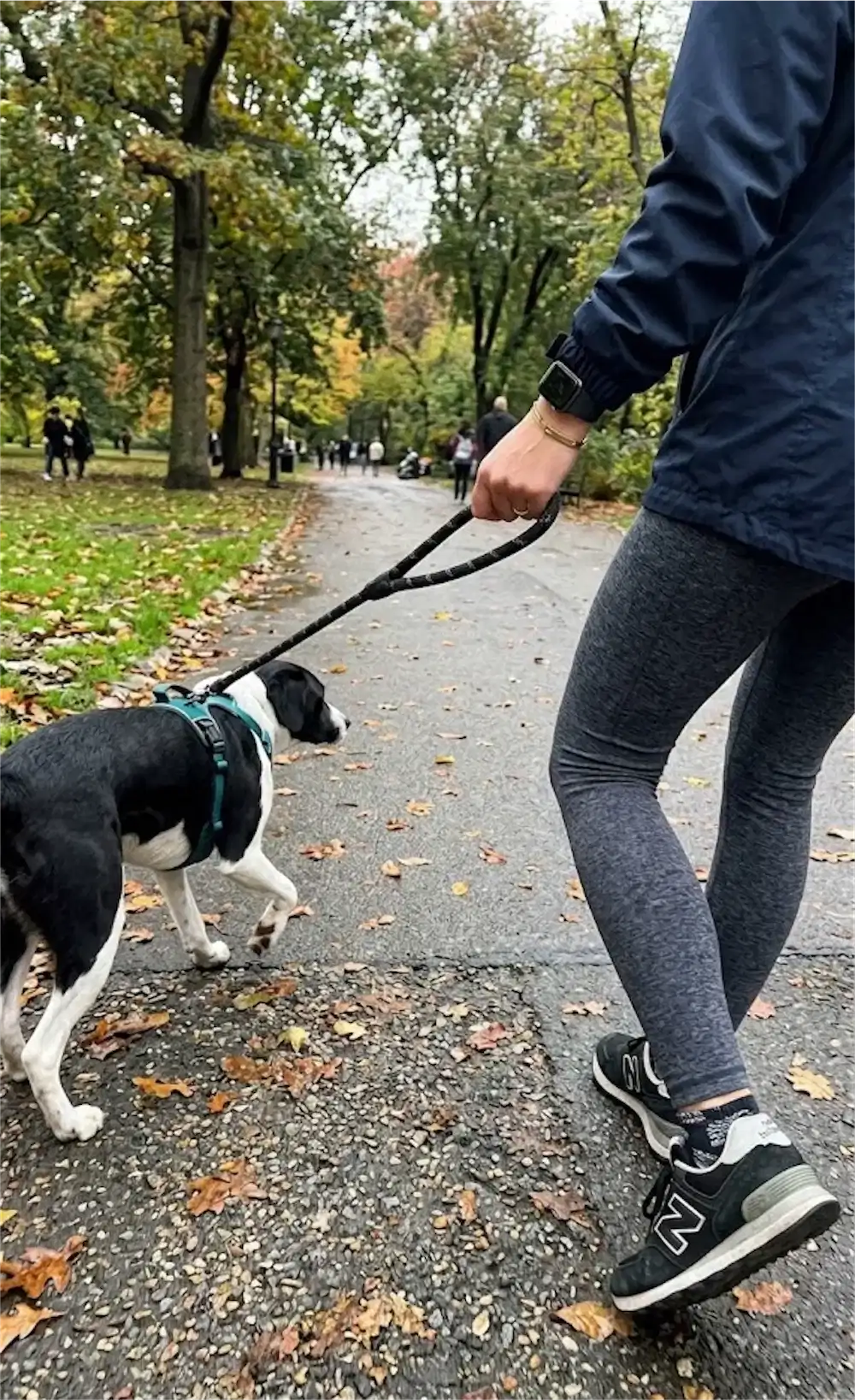
Consistency matters more than intensity when you’re healing from narcissistic and BPD abuse. I focused on activities I could do even on low-energy days. Morning walks with my dog became non-negotiable. The fresh air and gentle movement grounded me before the day began. I tracked my mood in a simple journal after each session and noticed clear patterns. Exercise days were almost always better.
During the day, you know leaving is the right choice. Then midnight hits. The house goes quiet, cortisol floods your chest, and your brain selectively erases nine months of cruelty just to replay one tender weekend from the beginning.
When I escaped my 12-year relationship, I was too exhausted to read dense 300-page clinical books. I created The Ultimate Trauma Bond Recovery & Detox Program for brains stuck in acute withdrawal:
- "Just block them and move on": Advice from friends who have never experienced dopamine and cortisol withdrawal.
- Analyzing their childhood: Becoming their unpaid psychiatrist while your own nervous system is starving for sleep.
- Relapse shame: Beating yourself up for breaking No-Contact, which only spikes your panic higher.
- Zero-Fatigue Visual Pacing: 150 warm, 3D-illustrated pages your foggy mind can absorb in minutes.
- 60-Second Physical Resets: Vagus nerve & somatic tools to stop chest tightness before you text them.
- 60 Total Worksheet Pages: 3 clean worksheets per module + our 30-Page Master Recovery Workbook.
🔒 100% Private Digital PDF • Instant Access on Phone, Tablet, or Laptop • Nothing Shipped Home
Consider supporting your body with proper nutrition and recovery tools. Many survivors benefit from magnesium supplements to help with anxiety and sleep during this phase. Stay hydrated and be patient with yourself. Some days your only job is to move gently.
Combining Exercise With Other Evidence-Based Recovery Practices
Movement worked best for me when combined with other tools. I practiced morning routines that supported nervous system regulation, maintained strict no contact, and used targeted supplements for stress recovery. Reading helped me understand my patterns. Check out my guide on the specific exercises that break trauma bonds for more ideas.
Other helpful resources from my journey include this BPD relationship trauma recovery guide, self-healing tips for narcissistic abuse survivors, and understanding the long-term effects of narcissistic abuse.
What to Expect and Final Takeaway
Exercise will not fix everything overnight. There were still hard days, tears, and moments when the trauma bond tried to pull me backward. But over months of consistent movement, I started to feel like myself again. The cheerful, optimistic person I had been before the relationship slowly returned. My body stopped living in survival mode. The obsessive thoughts faded. I rebuilt a life with real hobbies, deeper friendships, and genuine peace.
If you’re recovering from BPD relationship stress and trauma bonds, start where you are. Put on comfortable shoes and step outside for ten minutes. Your body has been through enough. Now it’s time to give it the movement, care, and respect it deserves. The path back to yourself is often found one step at a time.
Recommended Resources
Here are additional tools that supported my healing journey:
- Supportive sneakers for daily walks and rebuilding confidence
- A guided journal to track your movement, mood, and progress
- Psychopath Free by Jackson MacKenzie – valuable lessons on healing from toxic relationships
Remember, real recovery combines body work, education, boundaries, and professional support when possible. You deserve to feel free, grounded, and fully alive again.
10 Illustrated Core Areas (15 Pages Each) + The 30-Page Interactive Master Workbook
🔒 Instant Discreet Download • Less Than 15 Minutes of a Single Therapy Session