7 Recommended Supplements for Stress Support During Narcissistic Abuse Recovery
Leaving a toxic relationship doesn’t instantly quiet your nervous system. After I walked away from a 12-year relationship with a partner who had both NPD and BPD traits, my body stayed stuck in survival mode for a long time. The constant hypervigilance, racing thoughts, emotional flashbacks, and crushing fatigue felt like they would never end. Therapy and learning about trauma bonds and codependency gave me the framework, but my adrenal system and nervous system needed extra support to catch up.
These are the seven supplements that made a noticeable difference for me. They are not magic pills and they are not a replacement for professional help. I always ran everything by my doctor first. What they did was give my body some breathing room so the deeper healing work could land. If you feel constantly wired, exhausted, or like your body is still waiting for the next shoe to drop, you are not alone and these physical symptoms are common in narcissistic abuse recovery.
The Physical Toll of Narcissistic Abuse and Why Supplements Can Help

Years of walking on eggshells, love bombing followed by devaluation, gaslighting, and hoovering kept my cortisol levels elevated. My sleep was broken. My gut was a mess. Even simple decisions felt overwhelming. As I shared in my piece on the long-term effects of narcissistic abuse, the body keeps the score long after the relationship ends.
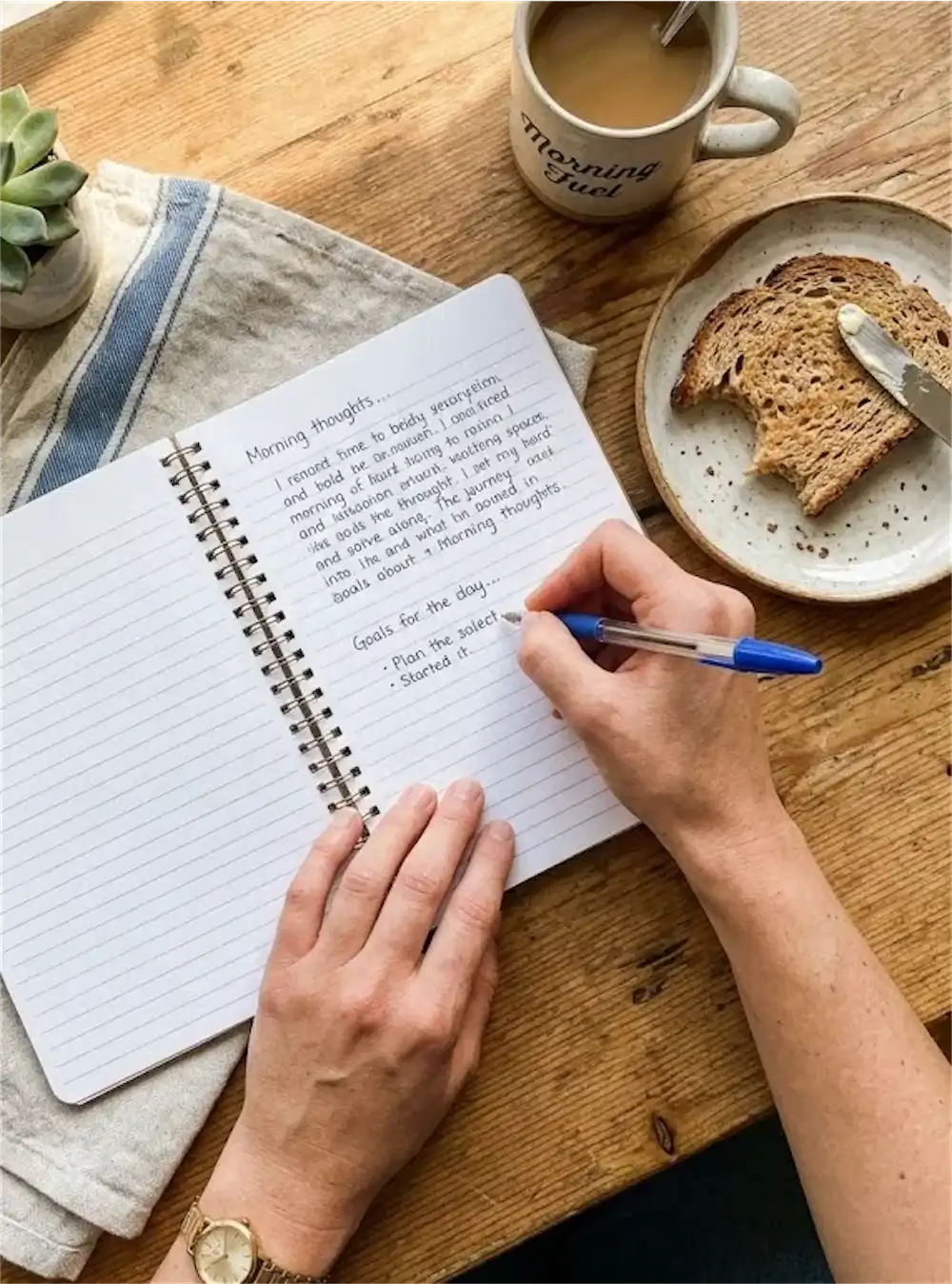
Targeted supplements helped calm my nervous system, support my adrenals, reduce inflammation, and improve sleep and mood. They worked best alongside the practical steps I wrote about in morning routines for NPD breakup recovery and nighttime habits to regulate the nervous system.
1. Magnesium Glycinate for Nervous System Regulation
Magnesium glycinate is one of the most absorbable forms and gentle on the stomach. Chronic stress depletes magnesium fast, and low levels are linked to anxiety, muscle tension, and poor sleep. In the early months after I left, my legs would twitch at night and my mind would not shut off. Starting magnesium glycinate helped my body finally relax enough to sleep through the night.
Many survivors notice less irritability and fewer panic sensations within a couple of weeks. Look for a reputable brand and start with 200–400 mg in the evening. Search options here: Magnesium Glycinate on Amazon.
2. Ashwagandha to Lower Cortisol and Build Resilience
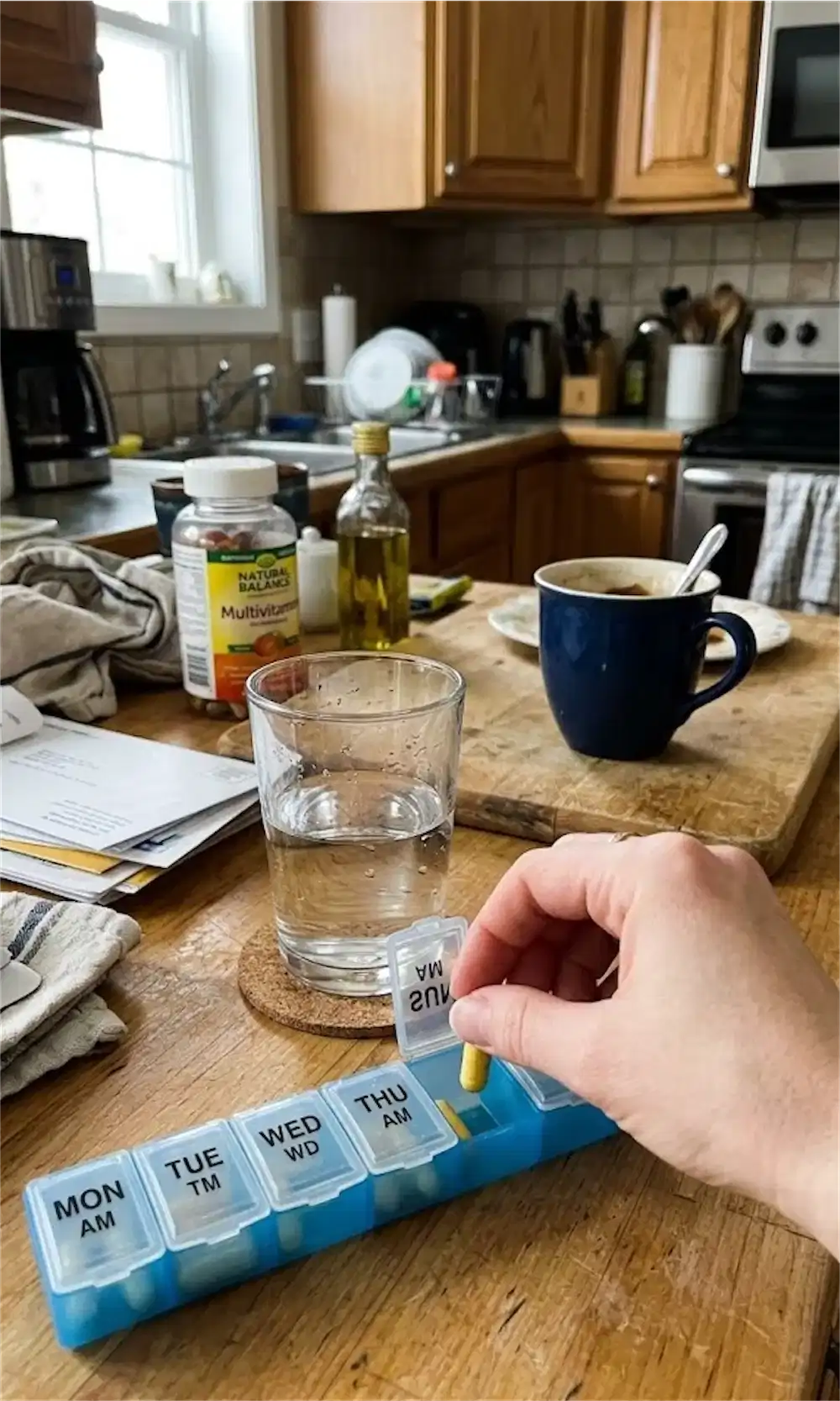
Ashwagandha is an adaptogen that has been studied for its ability to reduce perceived stress and cortisol levels. A randomized, double-blind, placebo-controlled study found that ashwagandha supplementation led to significant reductions in anxiety scores and morning cortisol compared to placebo.
In my experience, it took the sharp edge off the constant feeling that something bad was about to happen. I felt more stable and less reactive. Typical dose is 300–600 mg of a standardized extract (like KSM-66) daily. Always check with your doctor, especially if you have thyroid issues. Try it here: Ashwagandha KSM-66 on Amazon.
3. Omega-3 Fatty Acids for Brain Health and Inflammation
Chronic stress and trauma create inflammation that affects mood and cognitive function. High-quality omega-3s (EPA and DHA) help reduce that inflammation and support brain repair. After years of emotional abuse, I had terrible brain fog and mood swings. Omega-3s were part of the puzzle that helped me think more clearly again.
Aim for at least 1,000–2,000 mg combined EPA/DHA daily from a clean source. Search here: Omega-3 Fish Oil on Amazon.
4. Vitamin D3 for Mood and Energy After Isolation

Many survivors become isolated during and after the relationship. Low vitamin D is extremely common and strongly linked to low mood, fatigue, and increased anxiety. Getting my levels tested and supplementing (usually 2,000–5,000 IU with K2 for absorption) made a surprising difference in my energy and outlook.
Have your doctor test your levels first. Quality D3 supplement search: Vitamin D3 with K2 on Amazon.
5. L-Theanine for Calm Focus Without Sedation
L-Theanine, found naturally in tea, promotes relaxed alertness. It pairs beautifully with a morning coffee to take the jittery edge off without making you sleepy. During my recovery I still had waves of anxiety that made it hard to focus on rebuilding my life. L-Theanine helped me sit with uncomfortable feelings without spiraling.
Typical dose is 200 mg as needed. Find it here: L-Theanine on Amazon.
6. Rhodiola Rosea for Combating Fatigue and Burnout
Rhodiola is another adaptogen that supports mental stamina and helps the body adapt to stress. After the breakup I felt completely burned out even though I was finally free. Rhodiola helped me get through the early days of rebuilding without crashing as hard in the afternoons.
Look for standardized extracts and start low (200–400 mg). Search options: Rhodiola Rosea on Amazon.
7. Lemon Balm for Soothing Anxiety and Improving Sleep
Lemon balm has a gentle calming effect on the nervous system and is often used for anxiety and restlessness. It worked well for me in the evening as part of winding down. Combined with the other changes I made, it helped reduce the nighttime rumination that used to keep me awake replaying old conversations.
You can find it as a capsule or tea. Try it here: Lemon Balm on Amazon.
How I Combined Supplements With Real Life Changes
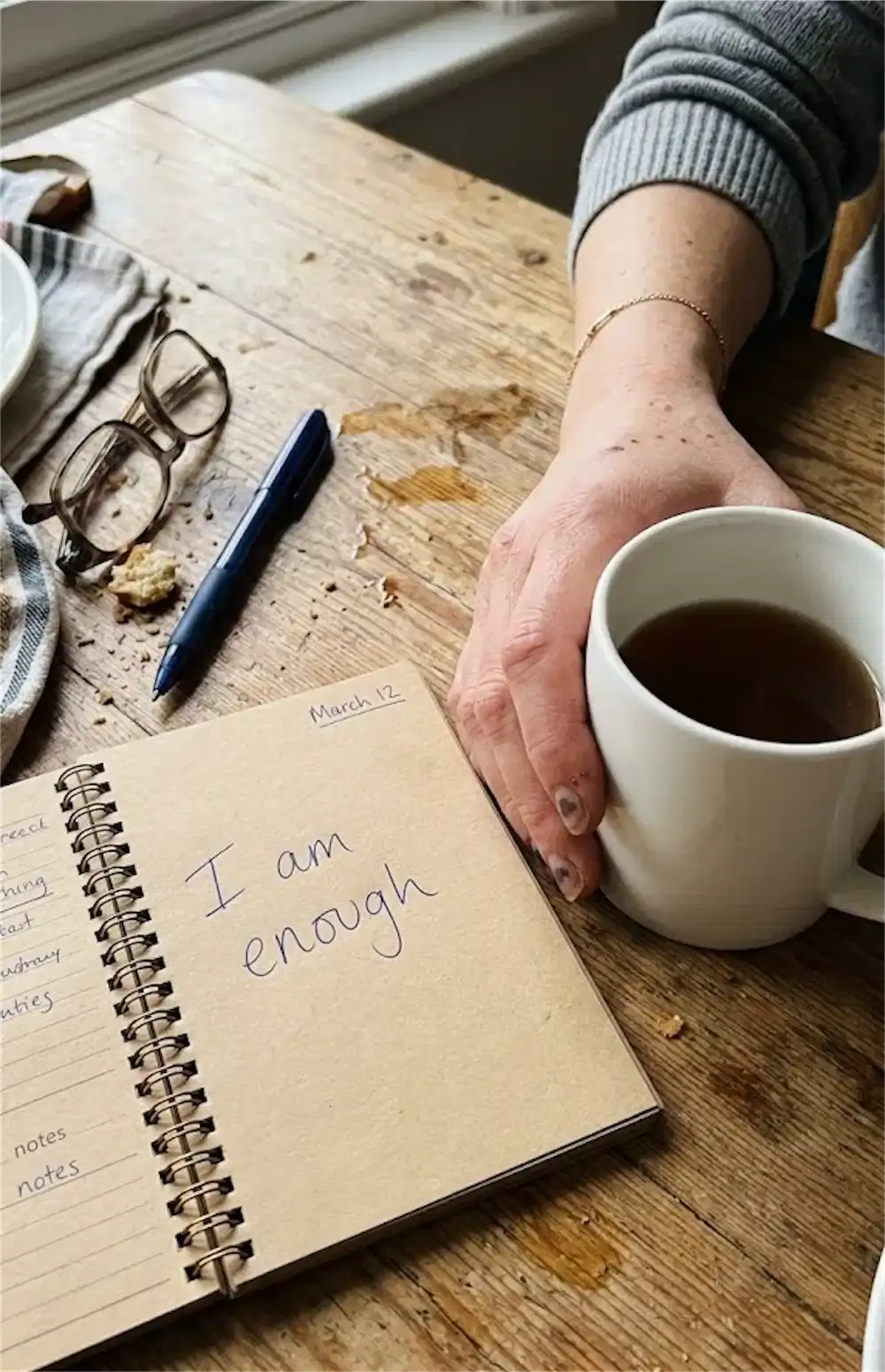
Supplements worked best when I also focused on exercise to break the trauma bond, consistent strategies to overcome codependency and toxic stress, and the BPD relationship trauma recovery guide I put together from my own lessons. I journaled, walked outside, set firm boundaries, and slowly rebuilt a support system. The supplements simply reduced the noise so I could do that work.
One study I found especially helpful when researching was the work on ashwagandha’s effect on cortisol. You can read the full paper here on PubMed. For deeper understanding of how trauma lives in the body, I also recommend resources connected to the work of Bessel van der Kolk.
Final Takeaway
Your pain is real. The exhaustion, anxiety, and feeling that your body betrayed you after the relationship ends are normal parts of recovering from narcissistic abuse and trauma bonds. Giving your nervous system nutritional support while you do the emotional work can make the journey feel more manageable. Start with one or two supplements after talking to your healthcare provider, track how you feel, and pair them with the practical habits that rebuild your sense of self.
You can return to the cheerful, optimistic, grounded person you were always meant to be. It just takes time, the right support, and a lot of self-compassion along the way.
Recommended Resources
These additional tools helped me and many readers on the same path:
- I Hate You — Don’t Leave Me by Jerold Kreisman and Hal Straus – excellent for understanding BPD traits in relationships.
- The Body Keeps the Score by Bessel van der Kolk – essential reading on trauma and the nervous system.
- A dedicated recovery journal – for daily affirmations, tracking symptoms, and processing emotions.
Remember to consult a qualified healthcare professional before beginning any new supplement regimen. This article is based on personal experience and available research, not medical advice.
Related reading on the blog: Lessons from 12 Years with a Narcissist, Physical Health Symptoms After a Toxic Relationship, and Evening Routines to Heal the Trauma Bond.

Meet Your Guide
Helen Brooks
After surviving a 12-year NPD/BPD relationship, I dedicated over a decade to studying trauma bonding and nervous system recovery. My mission is to help you break free from the fog and reclaim your authentic self.
Ready to break the trauma bond and reclaim your life?